|
|
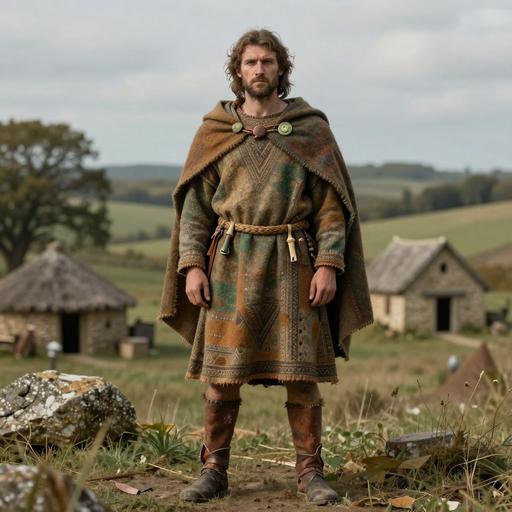
Scotland LIA individual, United Kingdom
|
United Kingdom |
Scotland LIA |
197 calBCE - 1 calCE (2095±30 BP, SUERC-24248) |
Scottish Iron Age |
R1b1a1b1a1a |
Direct
|
|
|
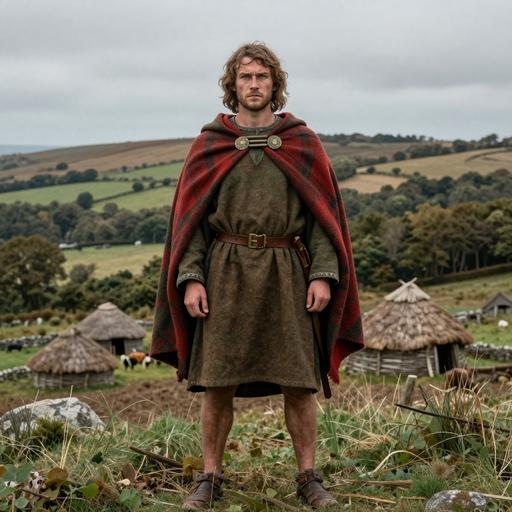
Celtic individual, United Kingdom
|
United Kingdom |
England MIA |
391 BCE - 203 BCE |
Middle Iron Age British |
R1b1a1b1a1a |
Direct
|
|
|
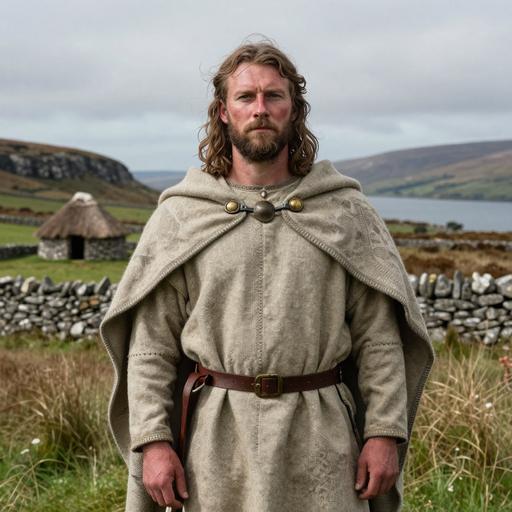
England MIA individual, United Kingdom
|
United Kingdom |
England MIA |
400-200 BCE |
Middle Iron Age British |
R1b1a1b1a1a |
Direct
|
|
|
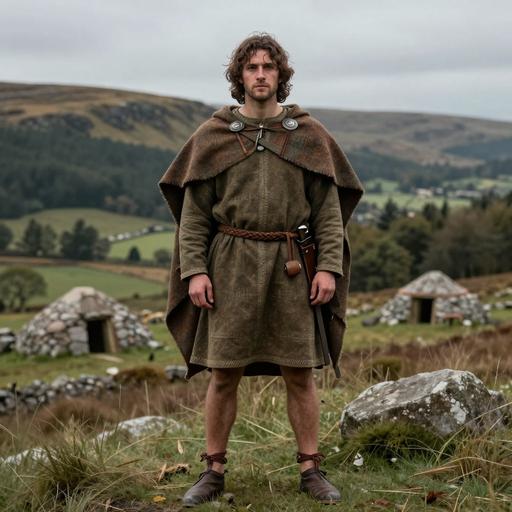
England LIA MIA-o individual, United Kingdom
|
United Kingdom |
Middle to Late Iron Age England |
400-50 BCE |
Late Iron Age British |
R1b1a1b1a1a |
Direct
|
|
|
Norse individual, Denmark
|
Denmark |
Denmark Viking |
774 CE - 993 CE |
Viking Denmark |
R1b1a1b1a1a |
Direct
|
|
|
Celtic individual, United Kingdom
|
United Kingdom |
England EIA |
779 BCE - 524 BCE |
Early British Iron Age |
R1b1a1b1a1a |
Direct
|
|
|
Norse individual, Sweden
|
Sweden |
Sweden Viking |
800 CE - 1100 CE |
Viking |
R1b1a1b1a1a |
Direct
|
|
|
Norse individual, Sweden
|
Sweden |
Sweden Viking |
800 CE - 1200 CE |
Viking |
R1b1a1b1a1a |
Direct
|
|
|
Norse individual, Sweden
|
Sweden |
Sweden Viking |
900 CE - 1050 CE |
Viking |
R1b1a1b1a1a |
Direct
|
|
|
Norse individual, United Kingdom
|
United Kingdom |
England Viking |
970 CE - 1025 CE |
Viking |
R1b1a1b1a1a |
Direct
|
|
|
BA individual, Spain
|
Spain |
The Argaric Culture of Spain |
1874-1642 calBCE (3436±19 BP, MAMS-39802) |
El Argar |
R1b1a1b1a1a |
Direct
|
|
|
England Bell Beaker-o individual, United Kingdom
|
United Kingdom |
England BellBeaker |
2129-1889 calBCE (3621±34 BP, OxA-5553/4) |
Bell Beaker |
R1b1a1b1a1a |
Direct
|
|
|
England Bell Beaker individual, United Kingdom
|
United Kingdom |
England BellBeaker |
2470-2239 calBCE (3895±32 BP, OxA-13541) |
Bell Beaker |
R1b1a1b1a1a |
Direct
|
|
|
England Bell Beaker individual, United Kingdom
|
United Kingdom |
England BellBeaker |
2800-1800 BCE |
Bell Beaker |
R1b1a1b1a1a |
Direct
|
|
|
England LIA individual, United Kingdom
|
United Kingdom |
Late Iron Age East Yorkshire, England |
196-4 calBCE (2090±30 BP, Beta-520210) |
Late Iron Age |
R1b1a1b1a1a2 |
Downstream
|
|
|
England LIA MIA individual, United Kingdom
|
United Kingdom |
Middle to Late Iron Age England |
300 BCE - 100 CE |
Late Iron Age British |
R1b1a1b1a1a2 |
Downstream
|
|
|
Scotland LIA MIA individual, United Kingdom
|
United Kingdom |
Middle to Late Iron Age Scotland |
346-51 calBCE (2130±30 BP, SUERC-21991) |
Scottish Iron Age |
R1b1a1b1a1a2 |
Downstream
|
|
|
Scotland LIA MIA individual, United Kingdom
|
United Kingdom |
Middle to Late Iron Age Scotland |
349-51 calBCE (2135±30 BP, SUERC-24257) |
Scottish Iron Age |
R1b1a1b1a1a2 |
Downstream
|
|
|
England LIA MIA individual, United Kingdom
|
United Kingdom |
East Yorkshire Iron Age |
351-55 calBCE (2147±24 BP, SUERC-80670) |
East Yorkshire |
R1b1a1b1a1a2 |
Downstream
|
|
|
England LIA MIA individual, United Kingdom
|
United Kingdom |
Middle to Late Iron Age England |
354-59 calBCE (2157±26 BP, OxA-25955) |
Late Iron Age British |
R1b1a1b1a1a2 |
Downstream
|
|
|
England LIA MIA individual, United Kingdom
|
United Kingdom |
Middle to Late Iron Age England |
354-57 calBCE (2154±27 BP, SUERC-97419) |
Late Iron Age British |
R1b1a1b1a1a2 |
Downstream
|
|
|
England LIA MIA individual, United Kingdom
|
United Kingdom |
Middle to Late Iron Age England |
358-108 calBCE (2170±26 BP, SUERC-97423) |
Late Iron Age British |
R1b1a1b1a1a2 |
Downstream
|
|
|
England MIA individual, United Kingdom
|
United Kingdom |
England MIA |
377-203 calBCE (2227±18 BP) [R_combine: (2220±20 BP, PSUAMS-8551), (2250±35 BP, GrA-35998)] |
Middle Iron Age British |
R1b1a1b1a1a2 |
Downstream
|
|
|
England MIA individual, United Kingdom
|
United Kingdom |
England MIA |
381-179 calBCE (2214±30 BP, SUERC-49488) |
Middle Iron Age British |
R1b1a1b1a1a2 |
Downstream
|
|
|
England MIA individual, United Kingdom
|
United Kingdom |
England MIA |
383-197 calBCE (2218±28 BP, SUERC-97429) |
Middle Iron Age British |
R1b1a1b1a1a2 |
Downstream
|
|
|
England LIA MIA Arras individual, United Kingdom
|
United Kingdom |
East Yorkshire Iron Age |
400-50 BCE |
East Yorkshire |
R1b1a1b1a1a2 |
Downstream
|
|
|
England MIA individual, United Kingdom
|
United Kingdom |
England MIA |
401-208 calBCE (2280±30 BP, SUERC-40712) |
Middle Iron Age British |
R1b1a1b1a1a2 |
Downstream
|
|
|
Wales LIA MIA individual, United Kingdom
|
United Kingdom |
Middle to Late Iron Age Wales |
550-1 BCE |
Welsh Iron Age |
R1b1a1b1a1a2 |
Downstream
|
|
|
Norse individual, Sweden
|
Sweden |
Sweden Viking |
707 CE - 990 CE |
Viking |
R1b1a1b1a1a2 |
Downstream
|
|
|
England IA individual, United Kingdom
|
United Kingdom |
England IA |
754-416 calBCE (2455±25 BP, BRAMS-1321) |
British Iron Age |
R1b1a1b1a1a2 |
Downstream
|
|
|
Celtic individual, United Kingdom
|
United Kingdom |
England EIA |
758 BCE - 416 BCE |
Early British Iron Age |
R1b1a1b1a1a2 |
Downstream
|
|
|
England EIA individual, United Kingdom
|
United Kingdom |
England EIA |
793-544 calBCE (2527±30 BP, SUERC-94972) |
Early British Iron Age |
R1b1a1b1a1a2 |
Downstream
|
|
|
Norse individual, Denmark
|
Denmark |
Denmark Viking |
850 CE - 900 CE |
Viking Denmark |
R1b1a1b1a1a2 |
Downstream
|
|
|
Norse individual, Denmark
|
Denmark |
Denmark Viking |
850 CE - 900 CE |
Viking Denmark |
R1b1a1b1a1a1 |
Downstream
|
|
|
Norse individual, United Kingdom
|
United Kingdom |
England Viking |
880 CE - 1000 CE |
Viking |
R1b1a1b1a1a2 |
Downstream
|
|
|
Norse individual, Sweden
|
Sweden |
Sweden Viking |
900 CE - 1050 CE |
Viking |
R1b1a1b1a1a1 |
Downstream
|
|
|
Norse individual, Sweden
|
Sweden |
Sweden Viking |
900 CE - 1050 CE |
Viking |
R1b1a1b1a1a2 |
Downstream
|
|
|
Norse individual, Russia
|
Russia |
Russia Viking |
900 CE - 1100 CE |
Viking Culture |
R1b1a1b1a1a2 |
Downstream
|
|
|
Norse individual, Iceland
|
Iceland |
Iceland Viking |
900 CE - 1300 CE |
Norse |
R1b1a1b1a1a1 |
Downstream
|
|
|
Norse individual, Denmark
|
Denmark |
Denmark Viking |
900 CE - 1000 CE |
Viking Denmark |
R1b1a1b1a1a2 |
Downstream
|
|
|
England LBA-ohigh EEF individual, United Kingdom
|
United Kingdom |
England LBA |
912-808 calBCE (2713±29 BP, OxA-17804) |
British Late Bronze Age |
R1b1a1b1a1a2 |
Downstream
|
|
|
Scotland LBA individual, United Kingdom
|
United Kingdom |
Scotland LBA |
969-812 calBCE (2738±29 BP, SUERC-68715) |
Scottish Bronze Age |
R1b1a1b1a1a2 |
Downstream
|
|
|
Norse individual, United Kingdom
|
United Kingdom |
England Viking |
970 CE - 1025 CE |
Viking |
R1b1a1b1a1a2 |
Downstream
|
|
|
Western Christendom individual, Italy
|
Italy |
Medieval Italy |
1047 CE - 1268 CE |
Medieval Italian |
R1b1a1b1a1a2 |
Downstream
|
|
|
LBA individual, Spain
|
Spain |
Late Bronze Age Spain |
1200-1000 BCE |
Iberian Bronze Age |
R1b1a1b1a1a2 |
Downstream
|
|
|
England MBA individual, United Kingdom
|
United Kingdom |
England MBA |
1489-1260 calBCE (3100±40 BP, SUERC-28364) |
British Middle Bronze Age |
R1b1a1b1a1a2 |
Downstream
|
|
|
MBA individual, Spain
|
Spain |
The Argaric Culture of Spain |
1620-1506 calBCE (3298±27 BP, KIA-50633) |
El Argar |
R1b1a1b1a1a2 |
Downstream
|
|
|
Wales EBA individual, United Kingdom
|
United Kingdom |
Chalcolithic to Early Bronze Age Wales |
1731-1536 calBCE (3344±27 BP, OxA-14308) |
Welsh Bronze Age |
R1b1a1b1a1a2 |
Downstream
|
|
|
England EBA individual, United Kingdom
|
United Kingdom |
Chalcolithic to Early Bronze Age England |
1736-1534 calBCE (3347±30 BP, SUERC-74471) |
British Chalcolithic |
R1b1a1b1a1a2 |
Downstream
|
|
|
EBA Argar individual, Spain
|
Spain |
The Argaric Culture of Spain |
2150-1850 BCE |
El Argar |
R1b1a1b1a1a2 |
Downstream
|