Menu
Currency
Ancestry
Y-DNA Haplogroup • Paternal Lineage

R1B1A1B

Y-DNA Haplogroup R1B1A1B

~18,000 years ago
West Eurasia / Eurasian Steppe
2 subclades
31 ancient samples
Scroll to explore
Chapter I

The Story

The journey of Y-DNA haplogroup R1B1A1B

Origins and Evolution

Y-DNA haplogroup R1b1a1b is an intermediate branch within the broader R1b paternal lineage and sits near the early diversification of western Eurasian R1b. Because it is an ancient subclade, its historical importance is less about a large direct population expansion and more about preserving a phylogenetic bridge between deeper R1b ancestry and later sublineages that became common across Europe and parts of western Asia.

Its most plausible origin is in West Eurasia or the Eurasian steppe during the late Paleolithic to early Holocene, roughly 18 thousand years ago. The precise homeland of this specific branch remains uncertain because ancient DNA sampling is still incomplete for very early R1b diversification, but its placement within the tree is consistent with an ancestry associated with populations on the western Eurasian margin before the major Neolithic and Bronze Age demographic transformations.

Subclades

As an intermediate clade, R1b1a1b is primarily important as a ancestral branching point rather than a widely recognized expansion lineage. In phylogenetic terms, it connects the parent clade R1b1a1 to downstream descendants that may be distributed unevenly across Europe, the Caucasus, Anatolia, the Levant, and steppe-adjacent regions. The exact internal structure can vary as new Y-chromosome sequencing continues to refine the tree.

Because many deep R1b lineages have both ancient and regionally specific descendants, R1b1a1b should be interpreted cautiously: its modern frequency is often low, but it may appear in populations that also carry more common later R1b branches due to broader regional continuity and repeated male-line founder effects.

Geographical Distribution

Today, R1b1a1b is expected to occur at low frequency across a wide western Eurasian belt. It is most plausibly encountered in Atlantic Europe, the Mediterranean, the Caucasus and Anatolia, the Levant, and sometimes Central Asian or steppe-related populations. This pattern is consistent with an ancient lineage retained in multiple regions rather than a marker of a single ethnolinguistic group.

In Europe, its presence may be masked by the overwhelming dominance of younger R1b expansions such as R1b-M269 and its subclades. Where detected, it is likely to appear sporadically in populations with deep male-line continuity, especially in parts of the British Isles, Iberia, France, Italy, the Balkans, and the Low Countries.

Historical and Cultural Significance

Haplogroup R1b1a1b is significant because it helps researchers reconstruct the deep ancestry of one of Eurasia's most important paternal lineages. While it is not itself strongly tied to a single archaeological horizon, it sits in the background of demographic processes that later shaped the genetic structure of Neolithic, Chalcolithic, and Bronze Age populations.

Its broader R1b context makes it relevant to discussions of steppe-related expansions, western European founder effects, and the formation of later male-line distributions across Europe. However, unlike more famous R1b branches, this clade should not be directly equated with any one culture such as the Bell Beaker horizon without specific ancient DNA evidence.

Conclusion
R1b1a1b is an ancient and phylogenetically informative Y-DNA subclade that preserves early branching history within the R1b lineage. Its distribution is sparse but broad, reflecting deep prehistoric ancestry in West Eurasia and the Eurasian steppe, and it is most valuable for understanding the long-term evolution of paternal lineages that later expanded dramatically in Europe and surrounding regions.

Key Points

  • Origins and Evolution
  • Subclades
  • Geographical Distribution
  • Historical and Cultural Significance
  • Conclusion
Chapter II

Tree & Relationships

Phylogenetic context and subclades

Evolution Path

This haplogroup's evolutionary journey from its earliest ancestor to the present.

Steps Haplogroup Age Estimate Archaeology Era Time Passed Immediate Descendants Tested Modern Descendants Ancient Connections
1 R1B1A1B Current ~18,000 years ago ?? Mesolithic 18,000 years 2 1,655 31
2 R1B1A1 ~18,000 years ago ?? Mesolithic 18,000 years 2 1,657 0
3 R1B1A ~18,000 years ago ?? Mesolithic 18,000 years 2 3,825 39
4 R1B1 ~18,000 years ago ?? Mesolithic 18,000 years 2 3,967 0
5 R1b ~20,000 years ago ?? Mesolithic 20,000 years 2 4,036 126

Siblings (1)

Other branches from the same parent haplogroup

Chapter III

Where in the World

Geographic distribution and modern presence

Place of Origin

West Eurasia / Eurasian Steppe

Modern Distribution

The populations where Y-DNA haplogroup R1b1a1b is found include:

  1. Irish and British populations
  2. French, Iberian, and Low Countries populations
  3. Italian and Balkan populations
  4. Caucasus and Anatolian populations
  5. Levantine and North African populations
  6. Some Central Asian and steppe-related populations

Regional Presence

Western Europe High
Central Europe Moderate
Iberian Peninsula High
Eastern Europe Low
North Africa Low
Near East / Caucasus Low
Central Asia Low
Southern Europe Low
North Africa Low
CHAPTER IV

When in Time

Your haplogroup in the context of human history

~20k years ago

Last Glacial Maximum

Peak of the last ice age, populations isolated

~18k years ago

Haplogroup R1B1A1B

Your Y-DNA haplogroup emerged in West Eurasia / Eurasian Steppe

West Eurasia / Eurasian Steppe
~10k years ago

Neolithic Revolution

Agriculture begins, settled communities form

~5k years ago

Bronze Age

Metalworking, writing, and early civilizations

~3k years ago

Iron Age

Iron tools, expanded trade networks

~2k years ago

Classical Antiquity

Greek and Roman civilizations flourish

Present

Present Day

Modern era

Your Haplogroup
Historical Era
Chapter IV-B

Linked Cultures

Ancient cultures associated with Y-DNA haplogroup R1B1A1B

Cultural Heritage

These ancient cultures have been linked to haplogroup R1B1A1B based on matching ancient DNA samples from archaeological excavations. The presence of this haplogroup in these cultures provides insights into the migrations and population movements of populations carrying this haplogroup.

Afanasievo Culture Bulgarian Chalcolithic Denmark_Lillevasby_LN Romania_EBA_Yamnaya Russia_Altai_Eneolithic_Afanasievo Russia_Volgograd_EBA_Yamnaya-o Yamnaya Culture
Culture assignments are based on archaeological context of ancient DNA samples and may represent regional associations during specific time periods.
Chapter V

Sample Catalog

26 direct carriers and 5 subclade carriers of haplogroup R1B1A1B

31 / 31 samples
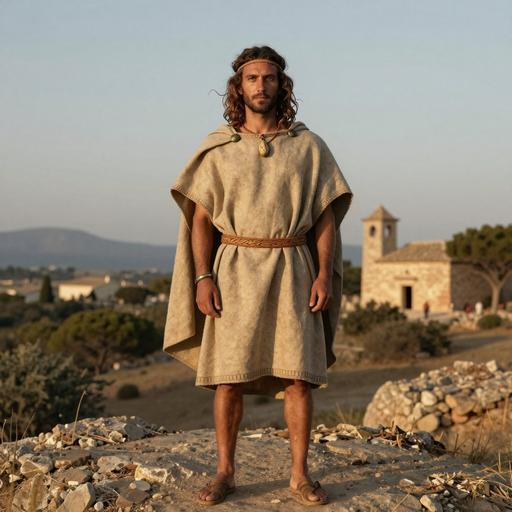
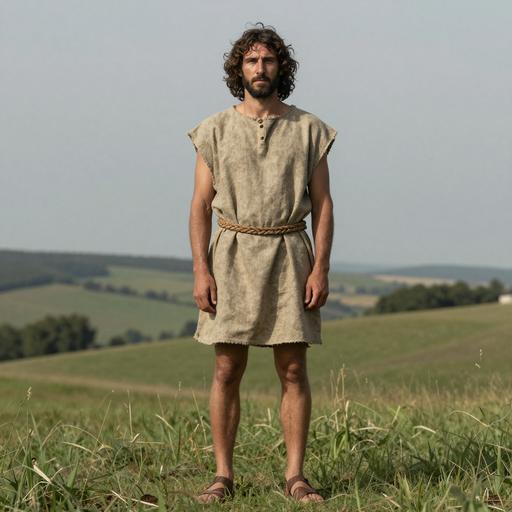
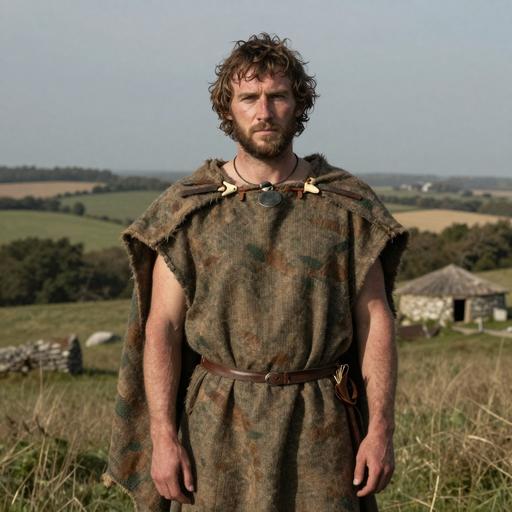
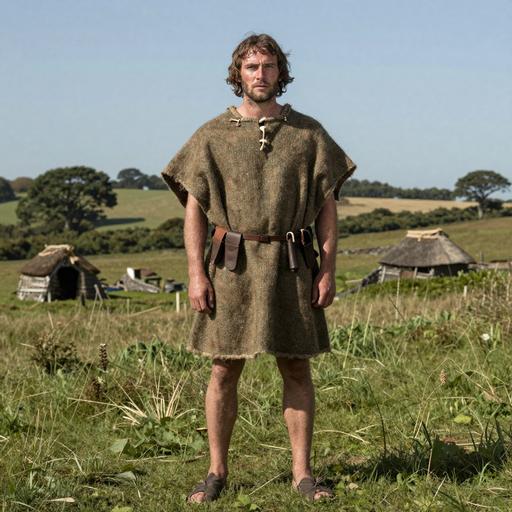
Portrait Sample Country Era Date Culture Y-DNA Match
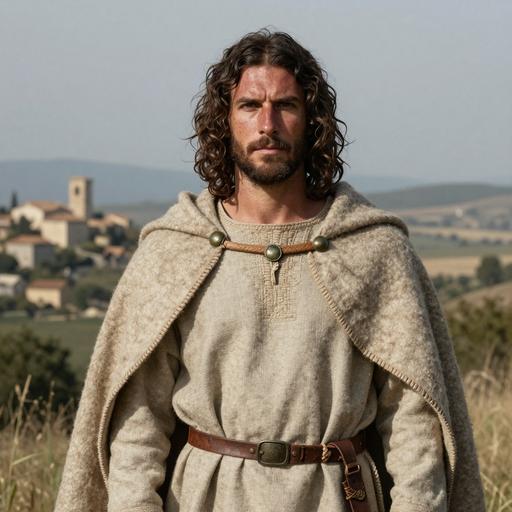
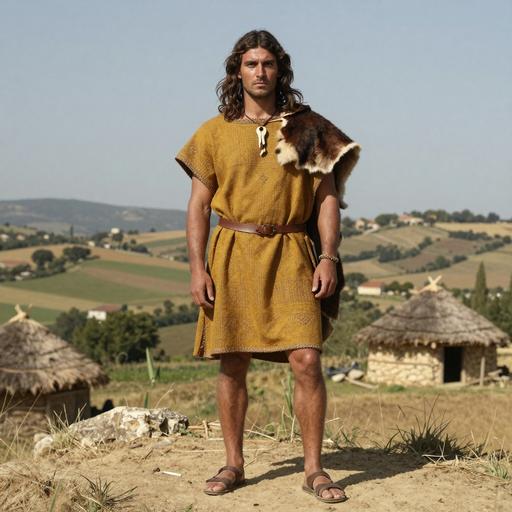
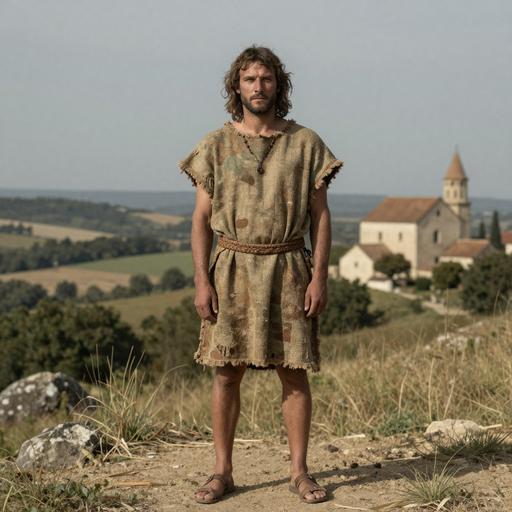
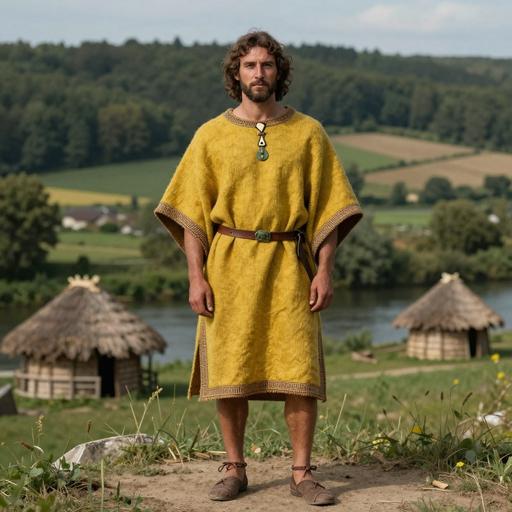
Reconstructed portrait of England LIA individual, England. Cambridgeshire. Babraham Research Campus (ARC05). ARES site, United Kingdom (1-50 CE)
England LIA individual, United Kingdom
United Kingdom England LIA 1-50 CE British Late Iron Age R1b1a1b Direct
Reconstructed portrait of Celtic individual, Scotland. Isle of Harris. Northton, United Kingdom (41-121 BCE)
Celtic individual, United Kingdom
United Kingdom Scotland LIA 41 BCE - 121 BCE Scottish Iron Age R1b1a1b Direct
Reconstructed portrait of England LIA individual, England. Somerset. Ham Hill, United Kingdom (173-5 BCE)
England LIA individual, United Kingdom
United Kingdom England LIA 173 calBCE - 5 calCE (2080±27 BP, SUERC-74473) British Late Iron Age R1b1a1b Direct
Reconstructed portrait of England LIA MIA individual, England. Derbyshire. Fin Cop, United Kingdom (343-49 BCE)
England LIA MIA individual, United Kingdom
United Kingdom Middle to Late Iron Age England 343-49 calBCE (2120±30 BP, SUERC-31498) Late Iron Age British R1b1a1b Direct
Reconstructed portrait of England LIA MIA individual, England. Derbyshire. Fin Cop, United Kingdom (356-108 BCE)
England LIA MIA individual, United Kingdom
United Kingdom Middle to Late Iron Age England 356-108 calBCE (2166±24 BP, OxA-23358) Late Iron Age British R1b1a1b Direct
Reconstructed portrait of England LIA MIA individual, England. Sussex. Brighton. Bevendean, United Kingdom (361-106 BCE)
England LIA MIA individual, United Kingdom
United Kingdom Middle to Late Iron Age England 361-106 calBCE (2173±31 BP, SUERC-76361) Late Iron Age British R1b1a1b Direct
Reconstructed portrait of England MIA individual, England. Oxfordshire. Yarnton, United Kingdom (382-205 BCE)
England MIA individual, United Kingdom
United Kingdom England MIA 382-205 calBCE (2234±20 BP, UB-3920) Middle Iron Age British R1b1a1b Direct
Reconstructed portrait of Occitanie individual, Occitanie (South). Agde. Le Peyrou, France (400-200 BCE)
Occitanie individual, France
France France Occitanie IA2 400-200 BCE Occitanie Iron Age R1b1a1b Direct
Reconstructed portrait of England LIA MIA individual, England. Derbyshire. Fin Cop, United Kingdom (400-50 BCE)
England LIA MIA individual, United Kingdom
United Kingdom Middle to Late Iron Age England 400-50 BCE Late Iron Age British R1b1a1b Direct
Reconstructed portrait of Norse individual, Karda, Sweden (800-1,100 CE)
Norse individual, Sweden
Sweden Sweden Viking 800 CE - 1100 CE Viking R1b1a1b Direct
Chapter VI

Carrier Distribution Map

Geographic distribution of 31 ancient DNA samples (direct and subclade carriers of R1B1A1B)

Direct carrier Subclade carrier
Time Period Filter
All Time Periods
Showing all samples
Chapter VII

Temporal Distribution

Distribution of carriers across archaeological periods

Chapter VIII

Geographic Distribution

Distribution by country of origin (direct and subclade carriers shown by default)

Chapter IX

Country × Era Distribution

Cross-tabulation of carrier countries and archaeological periods (direct and subclade carriers shown by default)

Data

Data & Provenance

Source information and data quality

Last Updated 2026-06-17
Confidence Score 50/100
Coverage Low
Data Source

We use the latest phylotree for YDNA haplogroup classification and data.