Menu
Currency
Ancestry
Y-DNA Haplogroup • Paternal Lineage

Q1B1A1A

Y-DNA Haplogroup Q1B1A1A

~12,000 years ago
North Eurasia
2 subclades
32 ancient samples
Scroll to explore
Chapter I

The Story

The journey of Y-DNA haplogroup Q1B1A1A

Origins and Evolution

Y-DNA haplogroup Q1B1A1A is a deeply derived subclade of Q1B1A1, itself part of the wider haplogroup Q lineage. Haplogroup Q is one of the major paternal branches associated with ancient North Eurasian and Siberian populations, and ultimately with the peopling of the Americas. Because Q1B1A1A is a downstream branch within a rare lineage, its present-day distribution is best explained by small effective population sizes, founder effects, and repeated episodes of geographic isolation rather than by broad-continent-wide expansions.

The most plausible origin for Q1B1A1A is North Eurasia, likely in a context of post-LGM hunter-gatherer populations or early Holocene northern Eurasian networks. While the exact age of the subclade is uncertain without a denser phylogenetic sample, a reasonable estimate places its origin at around 12 kya, within the early Holocene. This timing fits the diversification of several northern Eurasian Y lineages after the end of the Last Glacial Maximum and before later expansions into Siberia, Central Asia, and the Americas.

Subclades

As a terminal or near-terminal branch within the Q1B1A1 lineage, Q1B1A1A represents a further refinement of a rare paternal line rather than a widely expanded macro-clade. In practical population-genetic terms, the important feature of this haplogroup is not a large number of major sub-branches, but its position as a descendant lineage of a northern Eurasian Q radiation. Additional downstream testing may reveal private or regional subclades in isolated Siberian, Central Asian, or Native American lineages.

Geographical Distribution

Q1B1A1A is expected to be found at low frequency in populations with ancestry linked to ancient northern Eurasian or Siberian paternal diversity. Its distribution is likely patchy and highly localized, reflecting founder events rather than continuous clinal spread.

Typical regions where related Q lineages are observed include:

  • Siberia, especially among Indigenous groups with deep regional continuity
  • Central Asia, where historic steppe and forest-steppe contacts may preserve rare Q branches
  • Indigenous peoples of the Americas, as descendants of the broader Q-bearing founding paternal pool
  • Northern Europe, typically through low-frequency introgression or ancient founder lineages
  • West Eurasia and the Middle East, where rare Q haplotypes can appear through historic movements and admixture

Historical and Cultural Significance

Haplogroup Q is strongly associated with the ancient population history of North Eurasia and the founding paternal lineages of the Americas. Although Q1B1A1A itself is too rare to be tied confidently to a single archaeological culture, its ancestry lies within a broader lineage that may have been present among late Paleolithic and early Holocene Siberian foragers and later persisted in populations involved in trans-Eurasian dispersals.

In the Americas, Q-derived paternal lines are central to discussions of the initial peopling of the New World, though most Native American Q chromosomes belong to other branches such as Q-M3 and its descendants. A rare subclade like Q1B1A1A may therefore represent either an ancient retained lineage from the broader founding pool or a later localized derivative introduced through complex Siberian and Native American demographic history.

Conclusion
Q1B1A1A is a rare and highly informative paternal lineage within haplogroup Q, likely originating in North Eurasia during the early Holocene. Its low-frequency presence across multiple regions underscores the importance of founder effects, drift, and ancient migrations in shaping Y-chromosome diversity across Siberia, Central Asia, the Americas, and adjacent West Eurasian populations.

Key Points

  • Origins and Evolution
  • Subclades
  • Geographical Distribution
  • Historical and Cultural Significance
  • Conclusion
Chapter II

Tree & Relationships

Phylogenetic context and subclades

Evolution Path

This haplogroup's evolutionary journey from its earliest ancestor to the present.

Steps Haplogroup Age Estimate Archaeology Era Time Passed Immediate Descendants Tested Modern Descendants Ancient Connections
1 Q1B1A1A Current ~12,000 years ago ?? Neolithic 12,000 years 2 125 32
2 Q1B1A1 ~15,000 years ago ?? Mesolithic 15,000 years 2 127 0
3 Q1B1A ~15,000 years ago ?? Mesolithic 15,000 years 3 142 6
4 Q1B1 ~18,000 years ago ?? Mesolithic 18,000 years 2 176 0
5 Q1B ~20,000 years ago ?? Mesolithic 20,000 years 2 191 11
6 Q1 ~25,000 years ago ?? Paleolithic 25,000 years 2 530 33
7 Q ~30,000 years ago ?? Paleolithic 30,000 years 2 614 4

Siblings (1)

Other branches from the same parent haplogroup

Chapter III

Where in the World

Geographic distribution and modern presence

Place of Origin

North Eurasia

Modern Distribution

The populations where Y-DNA haplogroup Q1B1A1A is found include:

  1. Siberian indigenous populations
  2. Central Asian populations
  3. Indigenous peoples of the Americas
  4. Some northern European populations
  5. Some West Eurasian and Middle Eastern populations

Regional Presence

Central Asia Moderate
North-East Asia / Siberia Moderate
Mongolia Moderate
Eastern Europe Low
Northern Americas Low
South Asia Low
Middle East Low
Siberia Moderate
Northern Europe Low
West Asia Low
CHAPTER IV

When in Time

Your haplogroup in the context of human history

~12k years ago

Haplogroup Q1B1A1A

Your Y-DNA haplogroup emerged in North Eurasia

North Eurasia
~10k years ago

Neolithic Revolution

Agriculture begins, settled communities form

~5k years ago

Bronze Age

Metalworking, writing, and early civilizations

~3k years ago

Iron Age

Iron tools, expanded trade networks

~2k years ago

Classical Antiquity

Greek and Roman civilizations flourish

Present

Present Day

Modern era

Your Haplogroup
Historical Era
Chapter IV-B

Linked Cultures

Ancient cultures associated with Y-DNA haplogroup Q1B1A1A

Cultural Heritage

These ancient cultures have been linked to haplogroup Q1B1A1A based on matching ancient DNA samples from archaeological excavations. The presence of this haplogroup in these cultures provides insights into the migrations and population movements of populations carrying this haplogroup.

Arroyo Seco Colombia_Checua Lagoa Santa Culture Laguna Chica Lapa do Santo Late Paleoindian Belize Saki Tzul Santa Rosa Island Culture Spirit Cave Sumidouro
Culture assignments are based on archaeological context of ancient DNA samples and may represent regional associations during specific time periods.
Chapter V

Sample Catalog

6 direct carriers and 26 subclade carriers of haplogroup Q1B1A1A

32 / 32 samples
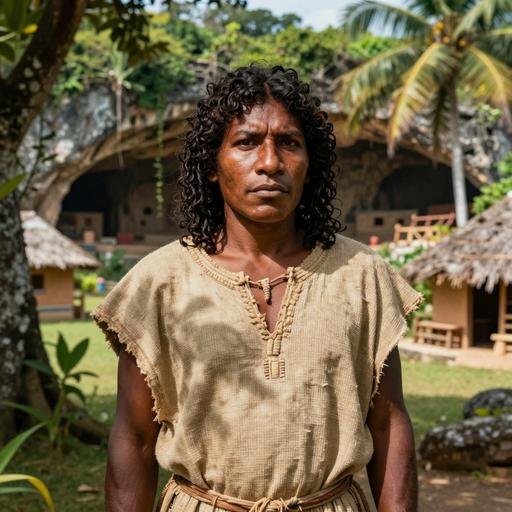
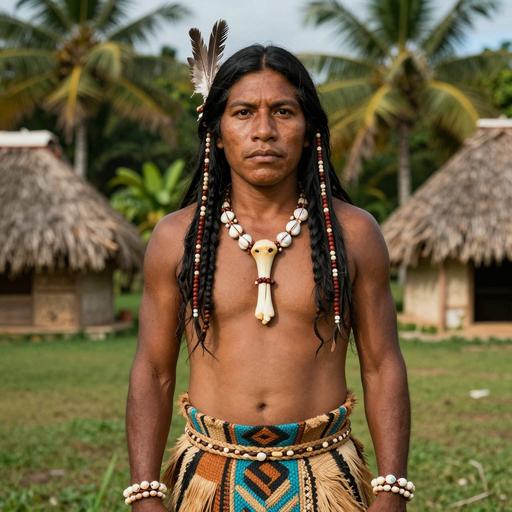
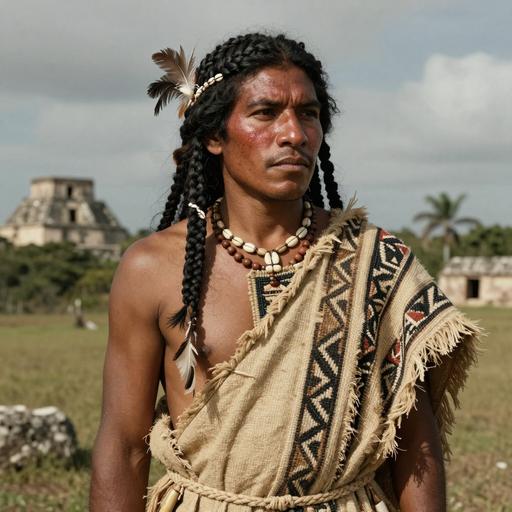
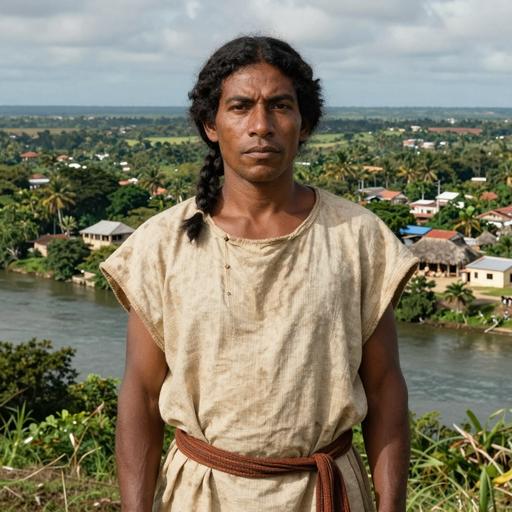
Portrait Sample Country Era Date Culture Y-DNA Match
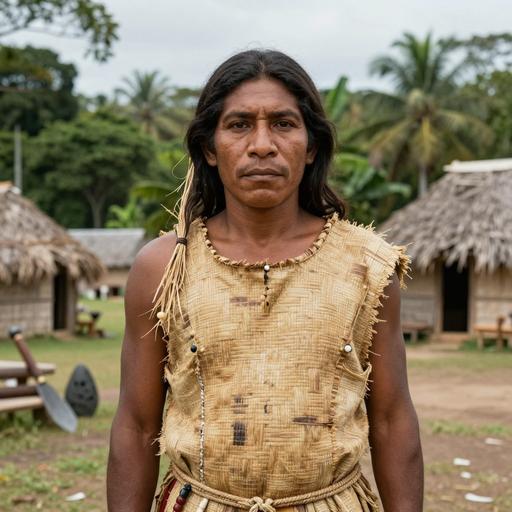
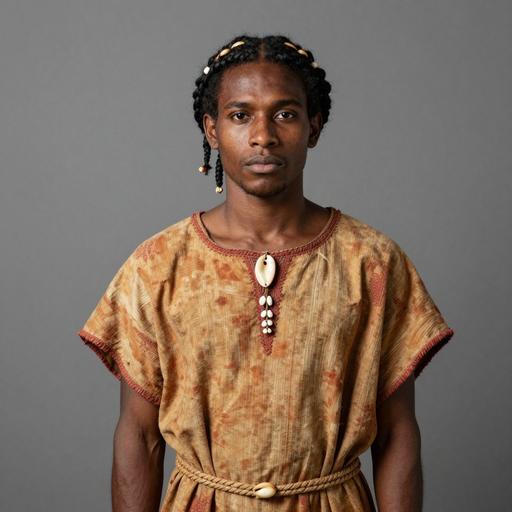
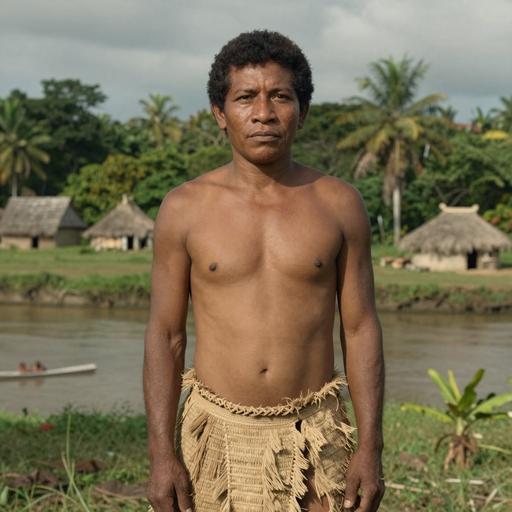
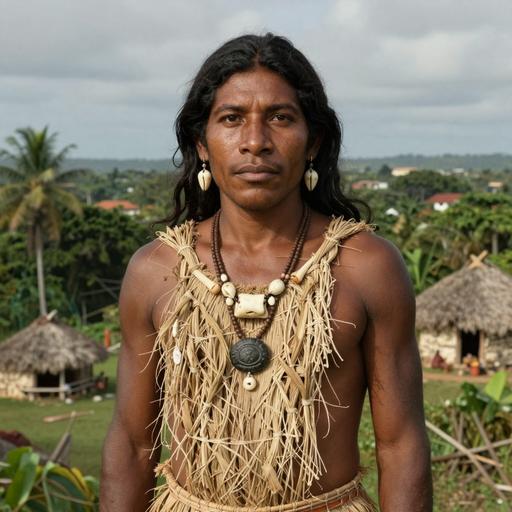
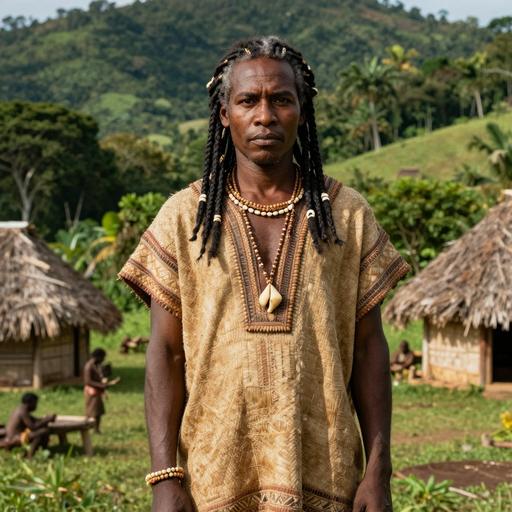
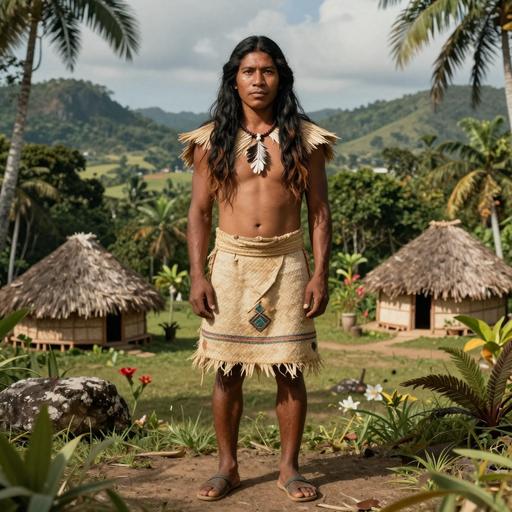
Reconstructed portrait of Pre Ceramic individual, Granma province. Rio Cauto Basin. Playa del Mango, Cuba (151 BCE-117 CE)
Pre Ceramic individual, Cuba
Cuba Archaic Period Playa del Mango, Cuba 151 calBCE - 117 calCE (2021±43 BP, UOC-4086) Playa del Mango Q1b1a1a Direct
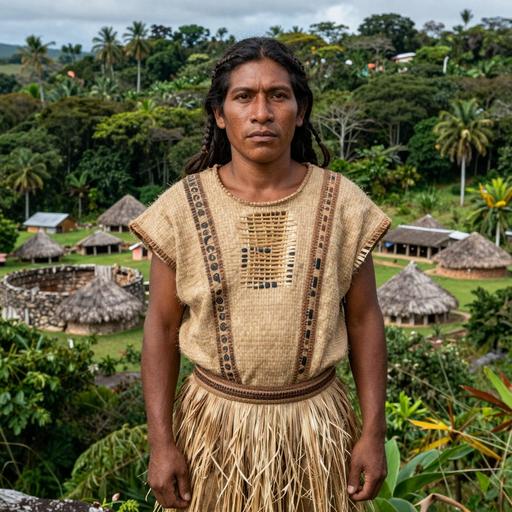
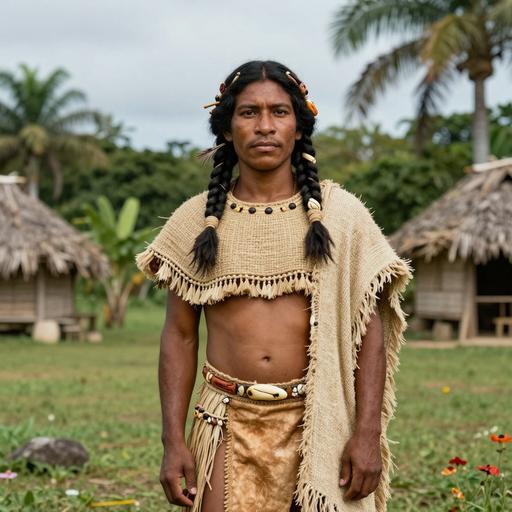
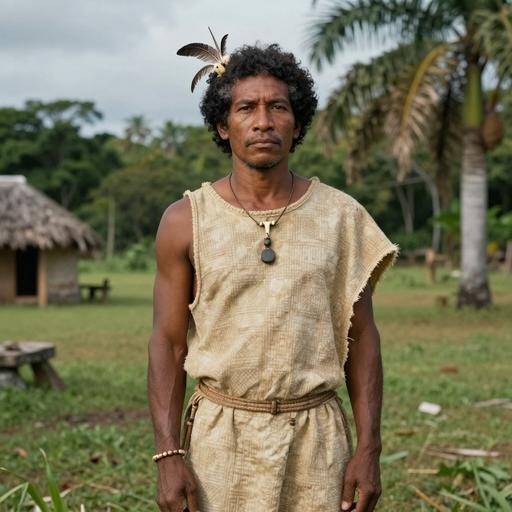
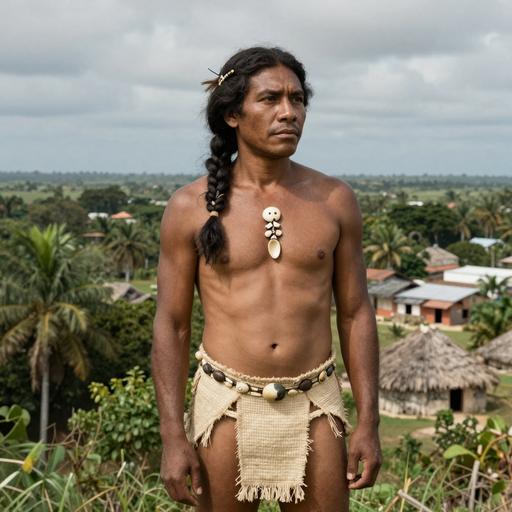
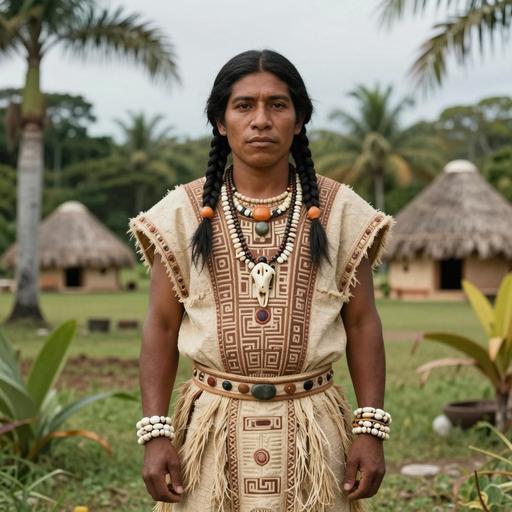
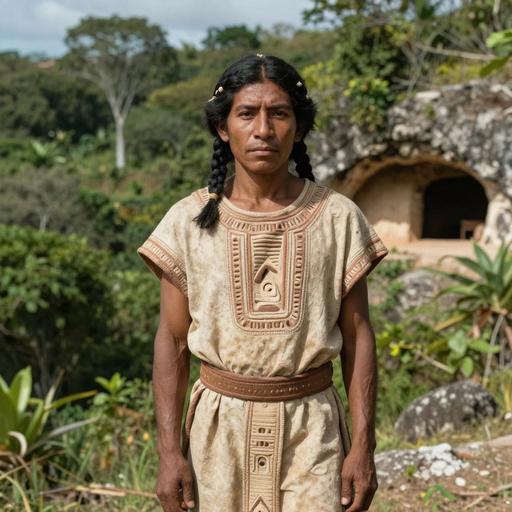
Reconstructed portrait of Puerto Rico Ceramic individual, Vega Baja. Paso del Indio, Puerto Rico (650-1,400 CE)
Puerto Rico Ceramic individual, Puerto Rico
Puerto Rico Ceramic Period Paso del Indio, Puerto Rico 650-1400 CE Paso del Indio Culture Q1b1a1a Direct
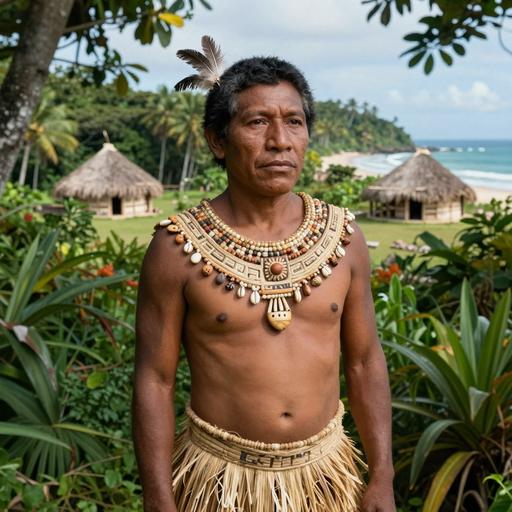
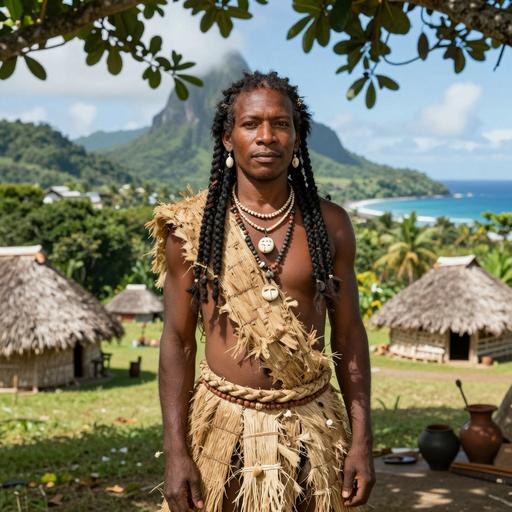
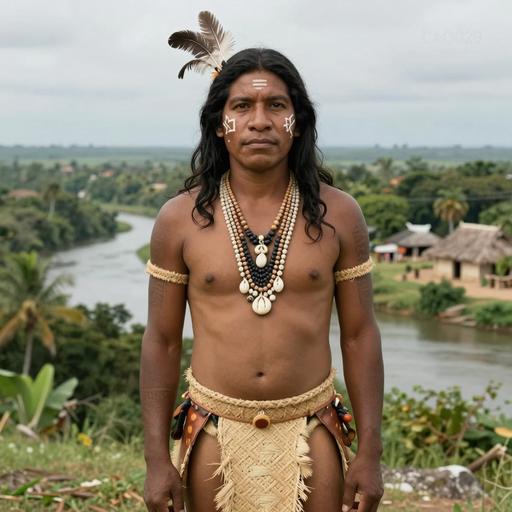
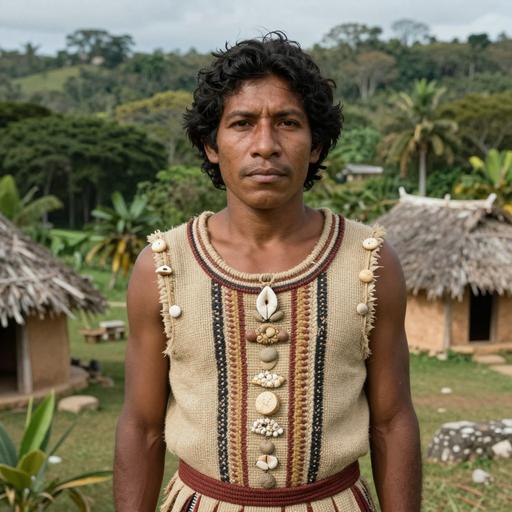
Reconstructed portrait of Arawak individual, Pointe de Chateaux peninsula. Anse à la Gourde, Guadeloupe (992-1,034 CE)
Arawak individual, Guadeloupe
Guadeloupe Ceramic Period Anse Gourde, Guadeloupe 992 CE - 1034 CE Anse Gourde Q1b1a1a Direct
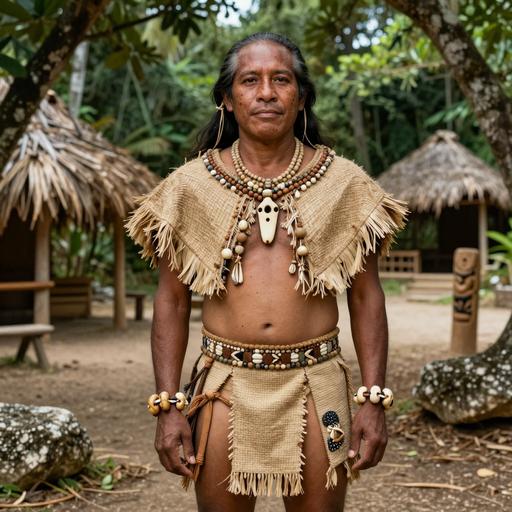
Reconstructed portrait of Puerto Rico Ceramic individual, Vega Baja. Paso del Indio, Puerto Rico (994-1,163 CE)
Puerto Rico Ceramic individual, Puerto Rico
Puerto Rico Ceramic Period Paso del Indio, Puerto Rico 994-1163 calCE (973±41 BP, AA-75123) Paso del Indio Culture Q1b1a1a Direct
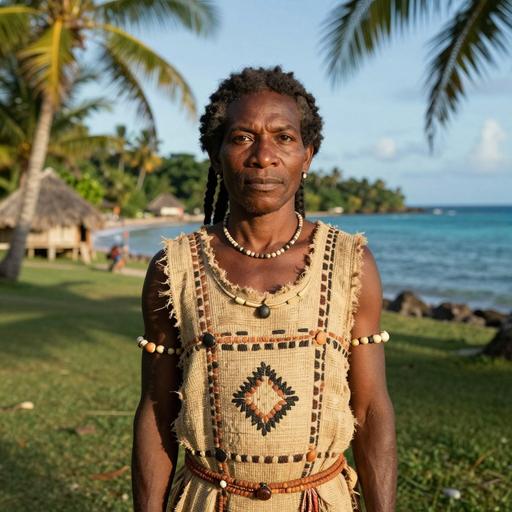
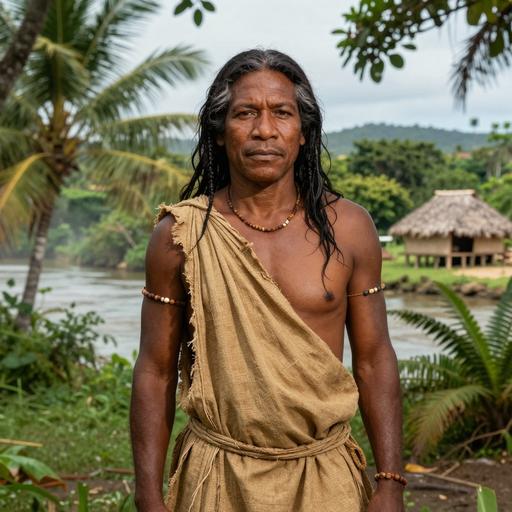
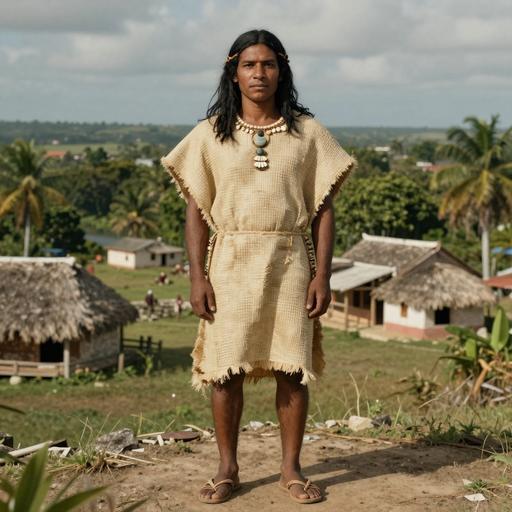
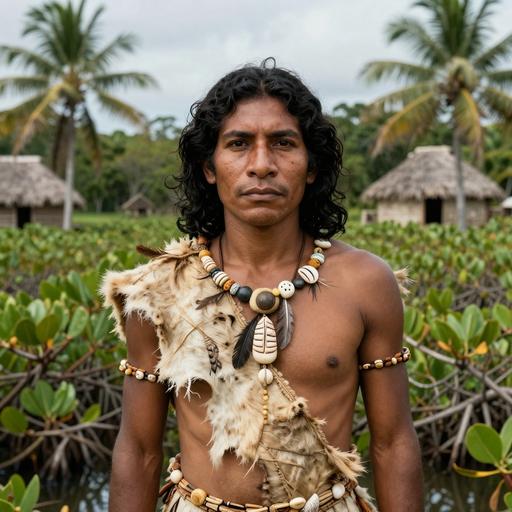
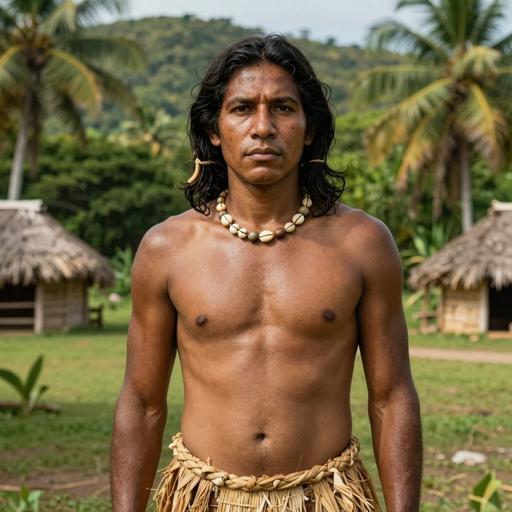
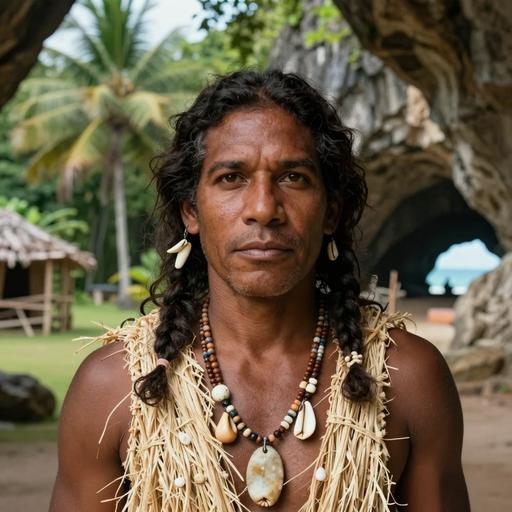
Reconstructed portrait of Saint Lucia Ceramic individual, St. Lucia. Cas-en-Bas. Lavoutte site, St. Lucia (1,000-1,450 CE)
Saint Lucia Ceramic individual, St. Lucia
St. Lucia Ceramic Period Lavoutte, St. Lucia 1000-1450 CE Lavoutte Culture Q1b1a1a Direct
Reconstructed portrait of Saint Lucia Ceramic individual, St. Lucia. Cas-en-Bas. Lavoutte site, St. Lucia (1,227-1,385 CE)
Saint Lucia Ceramic individual, St. Lucia
St. Lucia Ceramic Period Lavoutte, St. Lucia 1200-1400 CE Lavoutte Culture Q1b1a1a Direct
Reconstructed portrait of Pre Ceramic individual, Granma province. Rio Cauto Basin. Playa del Mango, Cuba (31-210 CE)
Pre Ceramic individual, Cuba
Cuba Archaic Period Playa del Mango, Cuba 31-210 calCE (1915±23 BP, MAMS-36505) Playa del Mango Q1b1a1a1 Downstream
Reconstructed portrait of Pre Ceramic individual, Granma province. Rio Cauto Basin. Playa del Mango, Cuba (89-226 CE)
Pre Ceramic individual, Cuba
Cuba Archaic Period Playa del Mango, Cuba 89-226 calCE (1879±21 BP, UOC-6850) Playa del Mango Q1b1a1a1 Downstream
Reconstructed portrait of Pre Ceramic individual, Granma province. Rio Cauto Basin. Playa del Mango, Cuba (150 BCE-250 CE)
Pre Ceramic individual, Cuba
Cuba Archaic Period Playa del Mango, Cuba 150 BCE - 250 CE Playa del Mango Q1b1a1a1 Downstream
Reconstructed portrait of Pre Ceramic individual, Matanzas City. Canimar Abajo, Cuba (263-531 CE)
Pre Ceramic individual, Cuba
Cuba Archaic Period Canimar Abajo, Cuba 263-531 calCE (1656±20 BP, MAMS-44069) Canimar Abajo Q1b1a1a1 Downstream
Chapter VI

Carrier Distribution Map

Geographic distribution of 32 ancient DNA samples (direct and subclade carriers of Q1B1A1A)

Direct carrier Subclade carrier
Time Period Filter
All Time Periods
Showing all samples
Chapter VII

Temporal Distribution

Distribution of carriers across archaeological periods

Chapter VIII

Geographic Distribution

Distribution by country of origin (direct and subclade carriers shown by default)

Chapter IX

Country × Era Distribution

Cross-tabulation of carrier countries and archaeological periods (direct and subclade carriers shown by default)

Data

Data & Provenance

Source information and data quality

Last Updated 2026-06-17
Confidence Score 50/100
Coverage Low
Data Source

We use the latest phylotree for YDNA haplogroup classification and data.