Menu
Currency
Ancestry
mtDNA Haplogroup • Maternal Lineage

V7

mtDNA Haplogroup V7

~7,000 years ago
Western Europe (Iberian Peninsula)
3 subclades
Scroll to explore
Chapter I

The Story

The journey of mtDNA haplogroup V7

Origins and Evolution

mtDNA haplogroup V7 is a downstream lineage of haplogroup V, which is widely interpreted as a post‑Last Glacial Maximum (LGM) European maternal clade with a strong signal in the Iberian Peninsula and the Franco-Cantabrian refuge area. As a subclade, V7 likely arose after the initial diversification of V, during the early Holocene or late Mesolithic period as populations expanded and restructured following the retreat of Ice Age glaciers. Based on the phylogenetic position within V and comparative molecular clock estimates for similar subclades, an origin on the order of ~7 kya (thousand years ago) is a reasonable working estimate, reflecting continued lineage sorting and local differentiation in Western Europe.

Subclades

V7 itself may contain regional sublineages detectable only with high-resolution whole mitogenome sequencing; published studies and public databases show multiple distinct V subbranches (V1–Vx) with geographic structure. Because V7 has relatively low frequency and limited sampling in many regions, its internal structure is still incompletely resolved in the literature. As more ancient and modern full mitogenomes are produced, finer subclade resolution and coalescence estimates for V7 will become clearer.

Geographical Distribution

Modern and ancient occurrences of V7 are concentrated in Western Europe, with notable presence in the Iberian Peninsula and detectable occurrences in Northern Europe (including Saami and some Scandinavian groups), parts of the Caucasus, and in North Africa among some Berber populations. The distribution is compatible with a model in which V7 arose in a Western European refuge or nearby area and later dispersed via postglacial recolonization routes and subsequent demographic events (Neolithic movements, Bronze Age transformations), producing low-to-moderate frequencies across adjacent regions. Ancient DNA records (several published instances and seven entries in the referenced database) confirm V‑lineages including V7 in archaeological contexts spanning Mesolithic to historic periods, though V7-specific ancient find counts remain modest.

Historical and Cultural Significance

Haplogroup V and its subclades are often tied to the genetic signature of European postglacial hunter‑gatherers and to populations involved in early Holocene recolonization of northern latitudes. V7, given its inferred age and geography, likely contributed maternally to populations involved in Mesolithic coastal and inland recolonization of Western Europe. Over the Neolithic and later periods, V7-bearing maternal lines would have mixed with incoming farmer-associated lineages (e.g., early Neolithic Cardial/Impressed Ware) and later steppe‑derived populations, producing the modern patchy distribution. The presence of V7 in Saami samples reflects either ancient northern persistence or later admixture events that affected northern Europe specifically.

Conclusion

mtDNA V7 represents a localized branch of the broader haplogroup V story: a maternal lineage that most likely differentiated in Western Europe after the LGM and persisted through Mesolithic into the Neolithic and later periods, contributing to the maternal diversity of Western and parts of Northern Europe and marginally into North Africa and the Caucasus. Current knowledge is constrained by sampling and the limited number of full mitogenomes and ancient instances; targeted mitogenome sequencing and expanding ancient DNA datasets will refine the timing, phylogeny, and migratory history of V7.

Key Points

  • Origins and Evolution
  • Subclades
  • Geographical Distribution
  • Historical and Cultural Significance
  • Conclusion
Chapter II

Tree & Relationships

Phylogenetic context and subclades

Evolution Path

This haplogroup's evolutionary journey from its earliest ancestor to the present.

Steps Haplogroup Age Estimate Archaeology Era Time Passed Immediate Descendants Tested Modern Descendants Ancient Connections
1 V7 Current ~7,000 years ago ?? Neolithic 7,000 years 3 50 0
2 V ~14,000 years ago ?? Mesolithic 14,000 years 10 442 118
3 HV ~30,000 years ago ?? Paleolithic 30,000 years 14 8,468 228
4 R0 ~15,000 years ago ?? Mesolithic 15,000 years 2 8,603 4
5 R ~55,000 years ago ?? Paleolithic 55,000 years 17 17,854 57
6 NA - - - 1 17,854 0
7 N ~60,000 years ago ?? Paleolithic 60,000 years 16 20,371 13
8 L3 ~70,000 years ago ?? Paleolithic 70,000 years 7 23,542 6
9 L3'4 - - - 2 23,581 0
10 L3'4'6 - - - 2 23,584 0
11 L2'3'4'6 - - - 2 24,475 0
12 L2'3'4'5'6'7 - - - 2 24,488 0
13 L1'2'3'4'5'6'7 - - - 2 24,903 0
14 L ~160,000 years ago ?? Paleolithic 160,000 years 2 25,205 5

Siblings (9)

Other branches from the same parent haplogroup

Chapter III

Where in the World

Geographic distribution and modern presence

Place of Origin

Western Europe (Iberian Peninsula)

Modern Distribution

The populations where mtDNA haplogroup V7 is found include:

  1. Iberian populations (Spain, Portugal, including Basque groups)
  2. Saami and other Northern Scandinavian groups
  3. Berber and some North African populations
  4. Populations in the Caucasus region
  5. Western European populations (France, British Isles)
  6. Modern Scandinavian populations (Norway, Sweden)
CHAPTER IV

When in Time

Your haplogroup in the context of human history

~10k years ago

Neolithic Revolution

Agriculture begins, settled communities form

~7k years ago

Haplogroup V7

Your mtDNA haplogroup emerged in Western Europe (Iberian Peninsula)

Western Europe (Iberian Peninsula)
~5k years ago

Bronze Age

Metalworking, writing, and early civilizations

~3k years ago

Iron Age

Iron tools, expanded trade networks

~2k years ago

Classical Antiquity

Greek and Roman civilizations flourish

Present

Present Day

Modern era

Your Haplogroup
Historical Era
Chapter IV-B

Linked Cultures

Ancient cultures associated with mtDNA haplogroup V7

Cultural Heritage

These ancient cultures have been linked to haplogroup V7 based on matching ancient DNA samples from archaeological excavations. The presence of this haplogroup in these cultures provides insights into the migrations and population movements of populations carrying this haplogroup.

ANATOLIAN_BRONZE_AGE Cardial Culture French Neolithic Gepid Hungary_LateC_EBA_Yamnaya Late Iron Age British Lech Valley Bronze Age Middle Neolithic French Scottish Mesolithic Tumulus Culture Unetice
Culture assignments are based on archaeological context of ancient DNA samples and may represent regional associations during specific time periods.
Chapter V

Sample Catalog

8 direct carriers and 12 subclade carriers of haplogroup V7

20 / 20 samples
Portrait Sample Country Era Date Culture mtDNA Match
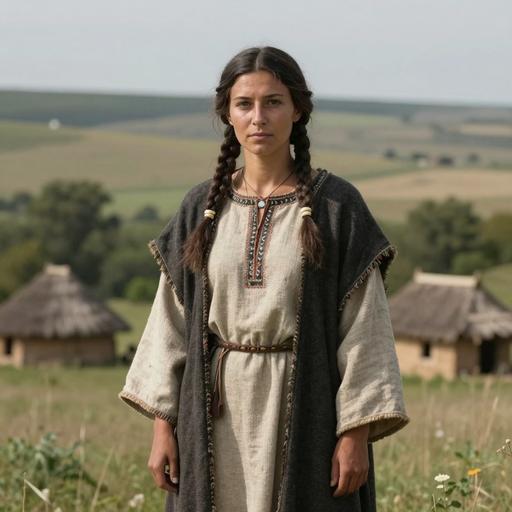
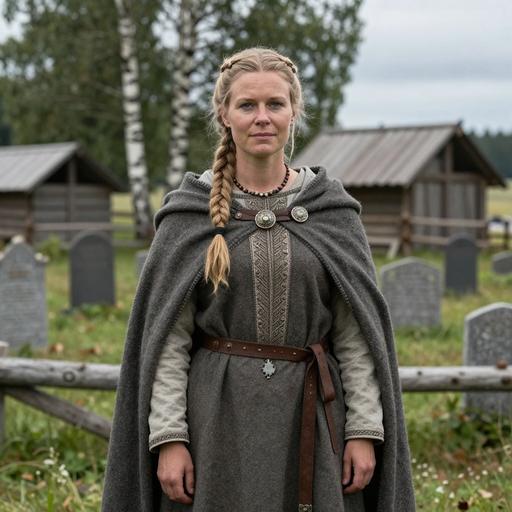
Reconstructed portrait of England LIA MIA individual, England. Oxfordshire. Thame, United Kingdom (358-108 BCE)
England LIA MIA individual, United Kingdom
United Kingdom Middle to Late Iron Age England 358-108 calBCE (2170±26 BP, SUERC-97423) Late Iron Age British V7 Direct
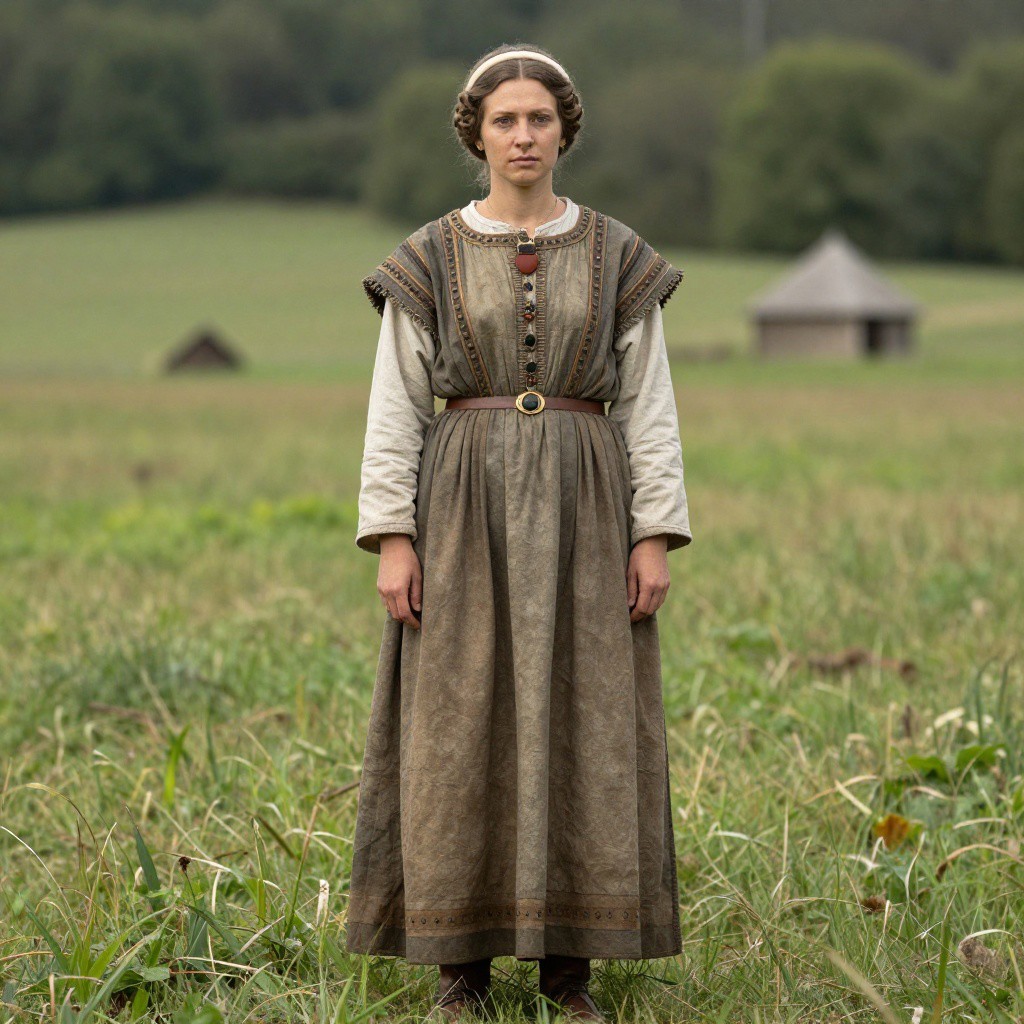
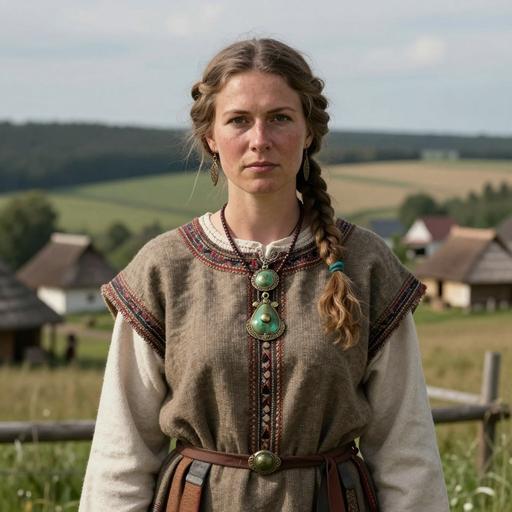
Reconstructed portrait of Migration Period Gepids individual, Jakovo-Kormadin (Belgrade, Surčin Municipality, Jakovo), Serbia (400-600 CE)
Migration Period Gepids individual, Serbia
Serbia Gepidic Culture in Croatia 450-600 CE Gepid V7 Direct
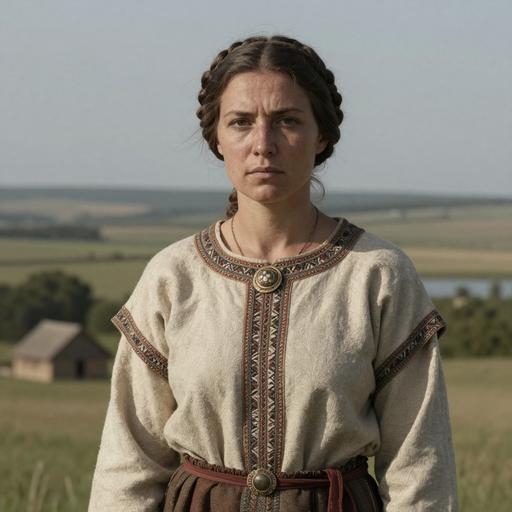
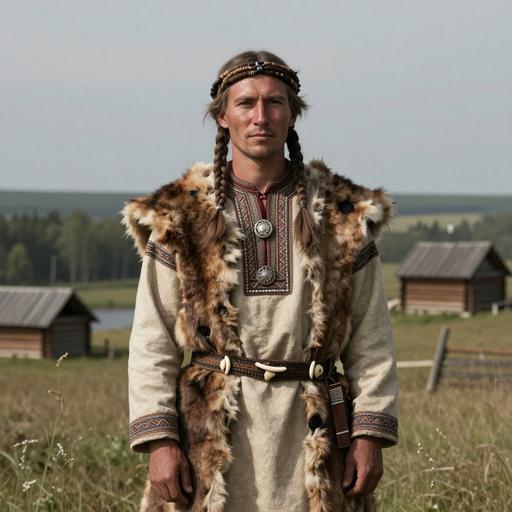
Reconstructed portrait of Czechia MBA Tumulus individual, NW Bohemia. Most. Konobrže, Czech Republic (1,500-1,250 BCE)
Czechia MBA Tumulus individual, Czech Republic
Czech Republic Middle Bronze Age Czech Republic 1500-1250 BCE Tumulus Culture V7 Direct
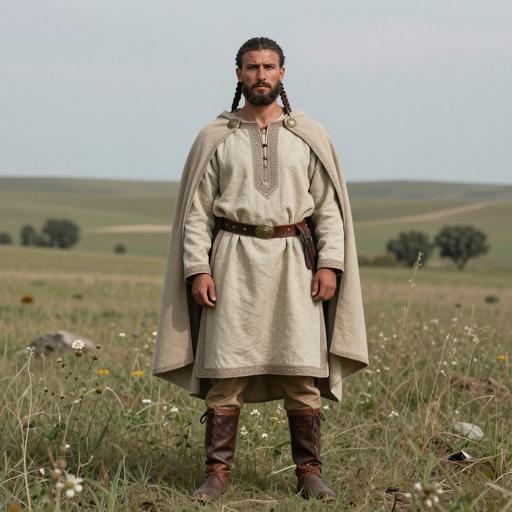
Reconstructed portrait of Konigsbrunn Obere Kreuzstrasse Baugebiet110 EBA individual, Königsbrunn - Obere Kreuzstraße (Baugebiet 110), Germany (2,022-1,825 BCE)
Konigsbrunn Obere Kreuzstrasse Baugebiet110 EBA individual, Germany
Germany Early Bronze Age Lech Valley, Germany 2022-1825 calBCE (3575±25 BP, MAMS-18905) Lech Valley Bronze Age V7 Direct
Reconstructed portrait of Konigsbrunn Obere Kreuzstrasse Baugebiet110 EBA individual, Königsbrunn - Obere Kreuzstraße (Baugebiet 110), Germany (2,031-1,895 BCE)
Konigsbrunn Obere Kreuzstrasse Baugebiet110 EBA individual, Germany
Germany Early Bronze Age Lech Valley, Germany 2031-1895 calBCE (3611±23 BP, MAMS-18890) Lech Valley Bronze Age V7 Direct
Reconstructed portrait of Leubingen2 EBA Unetice individual, Leubingen-2 (Thüringen, Kyffhäuserkreis), Germany (2,200-1,700 BCE)
Leubingen2 EBA Unetice individual, Germany
Germany Early Bronze Age Unetice Culture, Germany 2200-1700 BCE Unetice V7 Direct
Reconstructed portrait of Late C EBA Yamnaya individual, Sárrétudvari-Őrhalom (Hajdú-Bihar County, Püspökladány), Hungary (2,838-2,410 BCE)
Late C EBA Yamnaya individual, Hungary
Hungary Hungary LateC EBA Yamnaya 2861-2468 calBCE (4060±50 BP, Deb-6871) Hungary_LateC_EBA_Yamnaya V7 Direct
Reconstructed portrait of BA individual, Crihana Veche, Moldova (3,000-1,000 BCE)
BA individual, Moldova
Moldova Moldova BA 3000-1000 BCE ANATOLIAN_BRONZE_AGE V7 Direct
Reconstructed portrait of Avar individual, Mödling-An der Goldenen Stiege (Lower Austria, Mödling District), Austria (639-811 CE)
Avar individual, Austria
Austria Austria Avar 650-800 CE Austria_Avar V7a Downstream
Reconstructed portrait of Middle Late Avar-o Low East Asia individual, Rákóczifalva-Bagi-földek (Jász-Nagykun-Szolnok Coiunty, Szolnok), Hungary (650-800 CE)
Middle Late Avar-o Low East Asia individual, Hungary
Hungary Hungary MiddleLateAvar 650-800 CE Avar V7a Downstream
Chapter VI

Carrier Distribution Map

Geographic distribution of 20 ancient DNA samples (direct and subclade carriers of V7)

Direct carrier Subclade carrier
Time Period Filter
All Time Periods
Showing all samples
Chapter VII

Temporal Distribution

Distribution of carriers across archaeological periods

Chapter VIII

Geographic Distribution

Distribution by country of origin (direct and subclade carriers shown by default)

Chapter IX

Country × Era Distribution

Cross-tabulation of carrier countries and archaeological periods (direct and subclade carriers shown by default)

Data

Data & Provenance

Source information and data quality

Last Updated 2026-02-16
Confidence Score 50/100
Coverage Low
Data Source

We use the latest phylotree for MTDNA haplogroup classification and data.