Menu
Currency
Ancestry
mtDNA Haplogroup • Maternal Lineage

U8B1A2

mtDNA Haplogroup U8B1A2

~12,000 years ago
Western Mediterranean (Iberia / Sardinia / Italy)
1 subclades
Scroll to explore
Chapter I

The Story

The journey of mtDNA haplogroup U8B1A2

Origins and Evolution

U8B1A2 is a downstream subclade of U8B1A, itself a branch of the broader U8/U haplogroup family that sits within macro-haplogroup U. The U clade is one of the long-established maternal lineages of Eurasia, and U8 derivatives are geographically concentrated in western and southern Europe. Based on phylogenetic position and the inferred time depth of the parent U8B1A, U8B1A2 most likely arose in the western Mediterranean region shortly after the Last Glacial Maximum (LGM), in a Mesolithic context roughly around 12 kya. Its scarcity and patchy distribution today suggest a long-term presence with limited subsequent geographic expansion.

Subclades

U8B1A2 is a fine-scale subclade beneath U8B1A. Current ancient and modern DNA sampling indicates only a few identifiable downstream branches (or private lineages) within U8B1A2; the clade appears to have low internal diversity compared with more expansive maternal haplogroups. Because U8B1A2 is rare in modern populations and only a small number of ancient samples have been attributed to it, the internal phylogeny remains incompletely resolved, and additional sequencing of both modern and archaeological mitogenomes could reveal further substructure.

Geographical Distribution

The modern and ancient occurrences of U8B1A2 are concentrated in the western Mediterranean:

  • Iberian Peninsula (Spain and Portugal): the highest incidence among modern populations and several aDNA detections.
  • Sardinia and southern Italy: retention of deep maternal lineages is characteristic of Sardinia, where U8-derived lineages are observed at low to moderate frequencies.
  • Southern France and pockets of the Balkans: sporadic low-frequency detections consistent with coastal Mediterranean connections.
  • Near East / Anatolia, Caucasus and North Africa: rare and scattered occurrences, which are most plausibly explained by long-standing Mediterranean contact, limited migration, or historic gene flow rather than a primary origin there.

Ancient DNA evidence (including at least three archaeologically dated samples associated with European hunter-gatherer contexts) supports a Mesolithic presence in western Europe, consistent with a Palaeolithic–Mesolithic continuity scenario for this lineage in the region.

Historical and Cultural Significance

U8B1A2 is not a marker of a major demographic expansion in later prehistory (for example, during the Neolithic farming expansions or the Bronze Age steppe dispersals). Instead, its pattern aligns with long-term survival of a deep maternal lineage in refugial and coastal Mediterranean populations. In archaeological terms, U8B1A2 most plausibly relates to Mesolithic hunter-gatherer groups of southwestern Europe and to populations that subsequently experienced only limited turnover or dilution by incoming Neolithic farmers and Bronze Age migrants. This explains its persistence in relatively isolated or conservative maternal gene pools such as Sardinia and parts of inland Iberia.

Conclusion

U8B1A2 represents a geographically focused, low-frequency maternal lineage with deep roots in the western Mediterranean. Its distribution and limited diversity point to a Mesolithic origin followed by persistence rather than wide later expansion, making it a useful marker for studying long-term continuity and microregional demographic history in southern Europe. Additional high-coverage mitogenomes from modern and archaeological samples would refine its internal structure and help clarify migration episodes that affected its present-day distribution.

Key Points

  • Origins and Evolution
  • Subclades
  • Geographical Distribution
  • Historical and Cultural Significance
  • Conclusion
Chapter II

Tree & Relationships

Phylogenetic context and subclades

Evolution Path

This haplogroup's evolutionary journey from its earliest ancestor to the present.

Steps Haplogroup Age Estimate Archaeology Era Time Passed Immediate Descendants Tested Modern Descendants Ancient Connections
1 U8B1A2 Current ~12,000 years ago ?? Neolithic 12,000 years 1 14 0
2 U8B1A ~12,000 years ago ?? Neolithic 12,000 years 2 25 20
3 U8B1 ~25,000 years ago ?? Paleolithic 25,000 years 2 33 0
4 U8B ~30,000 years ago ?? Paleolithic 30,000 years 2 1,432 1
5 U8B'C - - - 2 1,433 0
6 U8 ~45,000 years ago ?? Paleolithic 45,000 years 2 1,457 5
7 U2'3'4'7'8'9 - - - 5 2,860 0
8 U ~46,000 years ago ?? Paleolithic 46,000 years 5 4,314 110
9 R ~55,000 years ago ?? Paleolithic 55,000 years 17 17,854 57
10 NA - - - 1 17,854 0
11 N ~60,000 years ago ?? Paleolithic 60,000 years 16 20,371 13
12 L3 ~70,000 years ago ?? Paleolithic 70,000 years 7 23,542 6
13 L3'4 - - - 2 23,581 0
14 L3'4'6 - - - 2 23,584 0
15 L2'3'4'6 - - - 2 24,475 0
16 L2'3'4'5'6'7 - - - 2 24,488 0
17 L1'2'3'4'5'6'7 - - - 2 24,903 0
18 L ~160,000 years ago ?? Paleolithic 160,000 years 2 25,205 5

Siblings (1)

Other branches from the same parent haplogroup

Chapter III

Where in the World

Geographic distribution and modern presence

Place of Origin

Western Mediterranean (Iberia / Sardinia / Italy)

Modern Distribution

The populations where mtDNA haplogroup U8B1A2 is found include:

  1. Iberian Peninsula (Spain, Portugal)
  2. Italy (including Sardinia and southern mainland Italy)
  3. Southern and Western Europe more broadly (southern France, parts of the Balkans at low frequencies)
  4. Near East / Anatolia (sporadic detections)
  5. Caucasus populations (rare occurrences)
  6. North Africa (Maghreb, low frequencies consistent with Mediterranean contact)
  7. Ancient European hunter-gatherer contexts (several aDNA detections)
CHAPTER IV

When in Time

Your haplogroup in the context of human history

~12k years ago

Haplogroup U8B1A2

Your mtDNA haplogroup emerged in Western Mediterranean (Iberia / Sardinia / Italy)

Western Mediterranean (Iberia / Sardinia / Italy)
~10k years ago

Neolithic Revolution

Agriculture begins, settled communities form

~5k years ago

Bronze Age

Metalworking, writing, and early civilizations

~3k years ago

Iron Age

Iron tools, expanded trade networks

~2k years ago

Classical Antiquity

Greek and Roman civilizations flourish

Present

Present Day

Modern era

Your Haplogroup
Historical Era
Chapter IV-B

Linked Cultures

Ancient cultures associated with mtDNA haplogroup U8B1A2

Cultural Heritage

These ancient cultures have been linked to haplogroup U8B1A2 based on matching ancient DNA samples from archaeological excavations. The presence of this haplogroup in these cultures provides insights into the migrations and population movements of populations carrying this haplogroup.

Anatolian Geometric Armenia_LernakertVeriBerd_MLBA Armenian LBA-EIA Gonur Culture Gumelnița-Karanovo Kuriki Höyük Culture Late Bronze Age Armenian Lengyel Culture Mygdalia Culture PPNB Syrian Bronze Udegram Culture
Culture assignments are based on archaeological context of ancient DNA samples and may represent regional associations during specific time periods.
Chapter V

Sample Catalog

3 direct carriers and 13 subclade carriers of haplogroup U8B1A2

16 / 16 samples
Portrait Sample Country Era Date Culture mtDNA Match
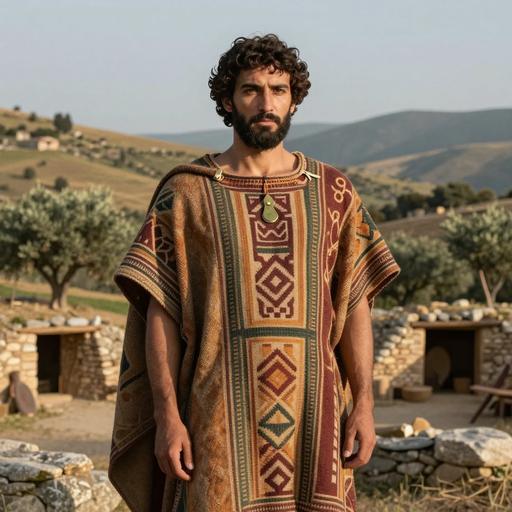
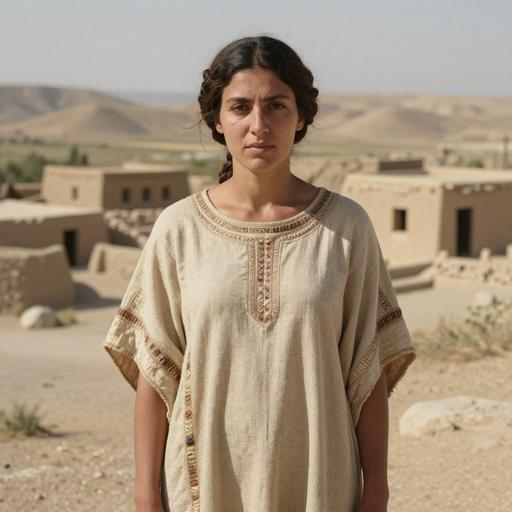
Reconstructed portrait of Ancient individual, Değirmendere (Aegean. Muğla. Yatağan), Turkey (750-480 BCE)
Ancient individual, Turkey
Turkey Archaic SubGeometric Turkey 750-450 BCE Anatolian Geometric U8b1a2 Direct
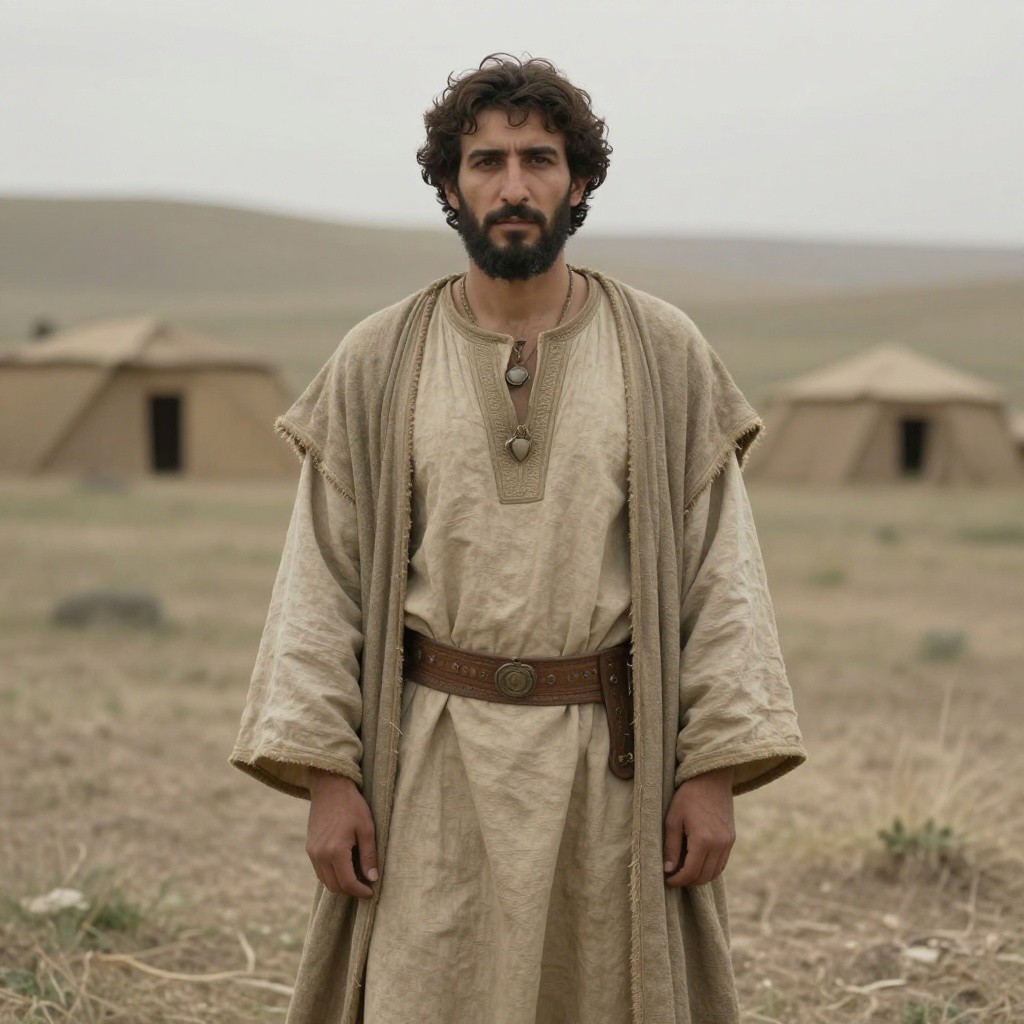
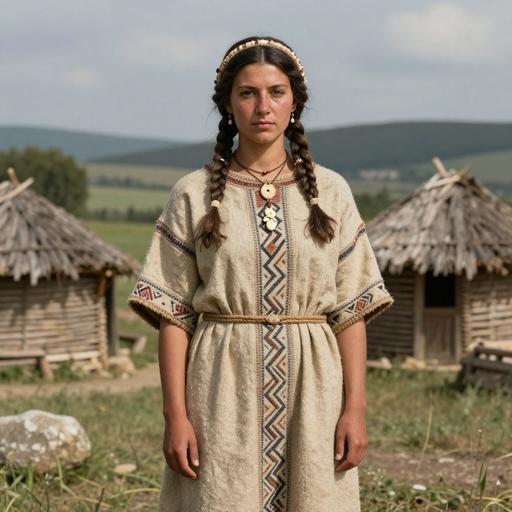
Reconstructed portrait of Lernakert Veri Berd MLBA individual, Lernakert-Veri Berd (Shirak Province, Artik Municipality), Armenia (1,417-1,273 BCE)
Lernakert Veri Berd MLBA individual, Armenia
Armenia Armenia LernakertVeriBerd MLBA 1411-1287 calBCE (3079±14 BP, MAMS-66463) Armenia_LernakertVeriBerd_MLBA U8b1a2+16311 Direct
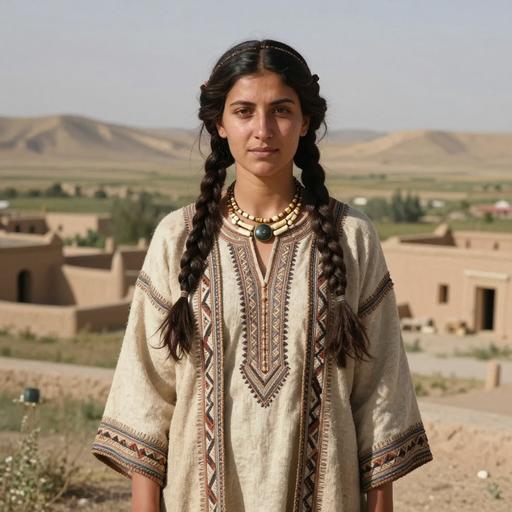
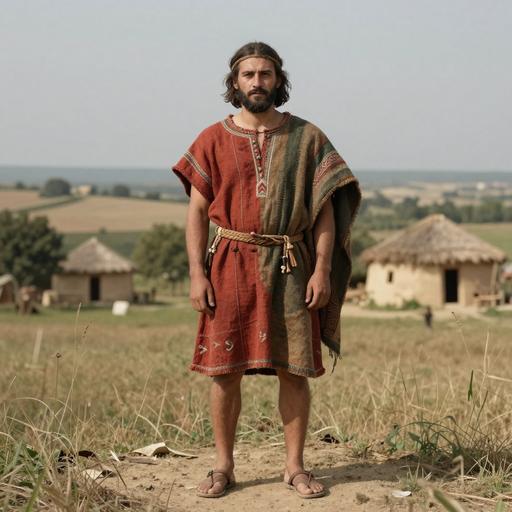
Reconstructed portrait of Noratus LBA IA individual, Noratus, Armenia (1,420-1,250 BCE)
Noratus LBA IA individual, Armenia
Armenia Late Bronze Age to Early Iron Age Armenia 1450-1250 BCE Armenian LBA-EIA U8b1a2 Direct
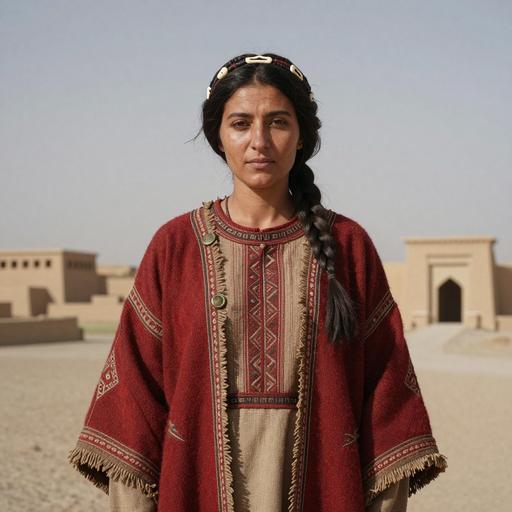
Reconstructed portrait of Antiquity individual, Surxondaryo Region, Rabat, Uzbekistan (150 BCE-50 CE)
Antiquity individual, Uzbekistan
Uzbekistan Iron Age Rabat Culture of Surxondaryo 150 BCE - 50 CE Rabat Culture U8b1a2b Downstream
Reconstructed portrait of Antiquity individual, Surxondaryo Region, Rabat, Uzbekistan (150 BCE-50 CE)
Antiquity individual, Uzbekistan
Uzbekistan Iron Age Rabat Culture of Surxondaryo 150 BCE - 50 CE Rabat Culture U8b1a2b Downstream
Reconstructed portrait of Xinjiang Simutasi IA individual, Xinjiang. Yili Region. Zhaosu County. Simutasi, China (393-206 BCE)
Xinjiang Simutasi IA individual, China
China China Xinjiang Simutasi IA 400-200 BCE Simutasi Culture U8b1a2a Downstream
Reconstructed portrait of LTylos Sasanian individual, Madinat Hamad (Northern Governorate), Bahrain (577-647 CE)
LTylos Sasanian individual, Bahrain
Bahrain Bahrain LTylos Sasanian 577-647 calCE Late Tylos Culture U8b1a2a Downstream
Reconstructed portrait of Nerkin Getashen LBA EIA individual, Nerkin Getashen, Armenia (1,250-1,150 BCE)
Nerkin Getashen LBA EIA individual, Armenia
Armenia Late Bronze Age Armenia 1250-1150 BCE Late Bronze Age Armenian U8b1a2b Downstream
Reconstructed portrait of Achaea LBA individual, Mygdalia (Achaea, Patras region), Greece (1,504-1,425 BCE)
Achaea LBA individual, Greece
Greece Late Bronze Age Mygdalian Greek 1504-1425 calBCE (3198±23 BP, MAMS-47531) Mygdalia Culture U8b1a2b Downstream
Reconstructed portrait of Achaea LBA individual, Mygdalia (Achaea, Patras region), Greece (1,609-1,446 BCE)
Achaea LBA individual, Greece
Greece Late Bronze Age Mygdalia 1609-1446 calBCE (3252±27 BP, MAMS-47530) Mygdalia Culture U8b1a2b Downstream
Chapter VI

Carrier Distribution Map

Geographic distribution of 16 ancient DNA samples (direct and subclade carriers of U8B1A2)

Direct carrier Subclade carrier
Time Period Filter
All Time Periods
Showing all samples
Chapter VII

Temporal Distribution

Distribution of carriers across archaeological periods

Chapter VIII

Geographic Distribution

Distribution by country of origin (direct and subclade carriers shown by default)

Chapter IX

Country × Era Distribution

Cross-tabulation of carrier countries and archaeological periods (direct and subclade carriers shown by default)

Data

Data & Provenance

Source information and data quality

Last Updated 2026-02-16
Confidence Score 50/100
Coverage Low
Data Source

We use the latest phylotree for MTDNA haplogroup classification and data.