Menu
Currency
Ancestry
mtDNA Haplogroup • Maternal Lineage

J1C5

mtDNA Haplogroup J1C5

~8,000 years ago
Near East / Caucasus
7 subclades
Scroll to explore
Chapter I

The Story

The journey of mtDNA haplogroup J1C5

Origins and Evolution

mtDNA haplogroup J1C5 is a subclade downstream of J1C and ultimately of haplogroup J, a maternal lineage that expanded in the Near East after the Last Glacial Maximum. Based on the position of J1C5 in the mtDNA phylogeny and the estimated time depth of its parent clade (J1C ~12 kya), J1C5 most likely diversified in the Near East or Caucasus region around the early to mid‑Holocene (roughly 8 kya). Its emergence fits the broader pattern of maternal lineages that spread with post‑glacial reoccupation of temperate zones and later with Neolithic farming expansions.

Subclades (if applicable)

J1C5 is defined by private mutations that place it beneath J1C in the mtDNA tree. As a fine‑scale downstream branch, it may include several low‑frequency internal sublineages detectable with whole mitogenome sequencing; however, these internal divisions are typically rare and geographically localized. Many published studies and public mitogenome databases still consolidate much of this diversity under J1C or J1C5 pending broader sampling and full mitogenome resolution.

Geographical Distribution

Modern distribution: J1C5 is observed principally across the Near East and Caucasus and at lower but notable frequencies in Southern Europe (particularly the Mediterranean rim), parts of North Africa, and sporadically in Central Asia. The haplogroup is also found among some Jewish communities (both Ashkenazi and Sephardi), reflecting historical gene flow and population movements in the Levant and Mediterranean.

Ancient DNA: While the parent clade J1C appears in dozens of archaeological samples spanning the Neolithic and later periods, J1C5 itself is less common in published ancient DNA datasets but is present in some Neolithic and post‑Neolithic contexts consistent with demographic connections between the Near East and Europe.

Historical and Cultural Significance

J1C5’s distribution mirrors broader demographic processes that shaped West Eurasia in the Holocene. Its Near Eastern/Caucasus origin and downstream presence in Europe and North Africa are consistent with:

  • Neolithic farmer expansions from Anatolia and the Levant into Europe and the Mediterranean (conveying maternal lineages associated with early agriculture),
  • Continuing gene flow across the Mediterranean and into North Africa in the Bronze Age and later periods,
  • Local founder effects and drift in island, coastal, and emigrant communities (which can elevate rare subclades like J1C5 in certain populations).

Although J1C5 is not typically a dominant haplogroup that defines a single archaeological culture, its presence among Neolithic and later remains supports its role as one of several Near Eastern maternal lineages involved in the spread of farming and subsequent population movements.

Conclusion

J1C5 is a geographically and temporally intermediate mtDNA lineage that reflects Near Eastern/Caucasus origins with downstream dispersal into Europe, the Mediterranean and North Africa during the Holocene. It is best interpreted as part of the mosaic of maternal lineages that accompanied Neolithic expansions and later regional migrations rather than as a marker of a single, large‑scale migration event. Further mitogenome sampling across underrepresented regions will clarify the internal structure and archaeological associations of J1C5.

Key Points

  • Origins and Evolution
  • Subclades (if applicable)
  • Geographical Distribution
  • Historical and Cultural Significance
  • Conclusion
Chapter II

Tree & Relationships

Phylogenetic context and subclades

Evolution Path
This haplogroup's evolutionary journey from its earliest ancestor to the present.

Steps Haplogroup Age Estimate Archaeology Era Time Passed Immediate Descendants Tested Modern Descendants Ancient Connections
1 J1C5 Current ~8,000 years ago ?? Neolithic 8,000 years 7 43 0
2 J1C ~12,000 years ago ?? Neolithic 12,000 years 15 605 319
3 J1 ~30,000 years ago ?? Paleolithic 30,000 years 4 1,332 55
4 J ~45,000 years ago ?? Paleolithic 45,000 years 2 1,637 16
5 JT ~40,000 years ago ?? Paleolithic 40,000 years 2 3,283 1
6 R2'JT - - - 2 3,317 0
7 R ~55,000 years ago ?? Paleolithic 55,000 years 17 17,854 57
8 NA - - - 1 17,854 0
9 N ~60,000 years ago ?? Paleolithic 60,000 years 16 20,371 13
10 L3 ~70,000 years ago ?? Paleolithic 70,000 years 7 23,542 6
11 L3'4 - - - 2 23,581 0
12 L3'4'6 - - - 2 23,584 0
13 L2'3'4'6 - - - 2 24,475 0
14 L2'3'4'5'6'7 - - - 2 24,488 0
15 L1'2'3'4'5'6'7 - - - 2 24,903 0
16 L ~160,000 years ago ?? Paleolithic 160,000 years 2 25,205 5
Chapter III

Where in the World

Geographic distribution and modern presence
Place of Origin

Near East / Caucasus

Modern Distribution

The populations where MTDNA haplogroup J1C5 is found include:

  1. Southern and Western European populations
  2. Middle Eastern populations
  3. North African populations
  4. Caucasus region populations
  5. Some populations in Central Asia
  6. Jewish populations (Ashkenazi and Sephardi)
CHAPTER IV

When in Time

Your haplogroup in the context of human history

~10k years ago

Neolithic Revolution

Agriculture begins, settled communities form

~8k years ago

Haplogroup J1C5

Your mtDNA haplogroup emerged in Near East / Caucasus

Near East / Caucasus
~5k years ago

Bronze Age

Metalworking, writing, and early civilizations

~3k years ago

Iron Age

Iron tools, expanded trade networks

~2k years ago

Classical Antiquity

Greek and Roman civilizations flourish

Present

Present Day

Modern era

Your Haplogroup
Historical Era
Chapter IV-B

Linked Cultures

Ancient cultures associated with mtDNA haplogroup J1C5

Cultural Heritage

These ancient cultures have been linked to haplogroup J1C5 based on matching ancient DNA samples from archaeological excavations. The presence of this haplogroup in these cultures provides insights into the migrations and population movements of populations carrying this haplogroup.

Alföld Linear Pottery Brześć Kujawski Culture Hungary_C_Bodrogkeresztur Hungary_MN_Szakalhat_c Linear Pottery Culture Romanian Neolithic Stentinello
Culture assignments are based on archaeological context of ancient DNA samples and may represent regional associations during specific time periods.
Chapter V

Sample Catalog

38 direct carriers and 32 subclade carriers of haplogroup J1C5

50 / 50 samples
Portrait Sample Country Era Date Culture mtDNA Match
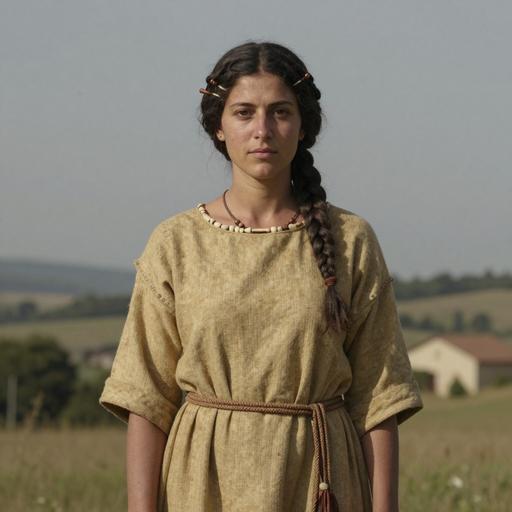
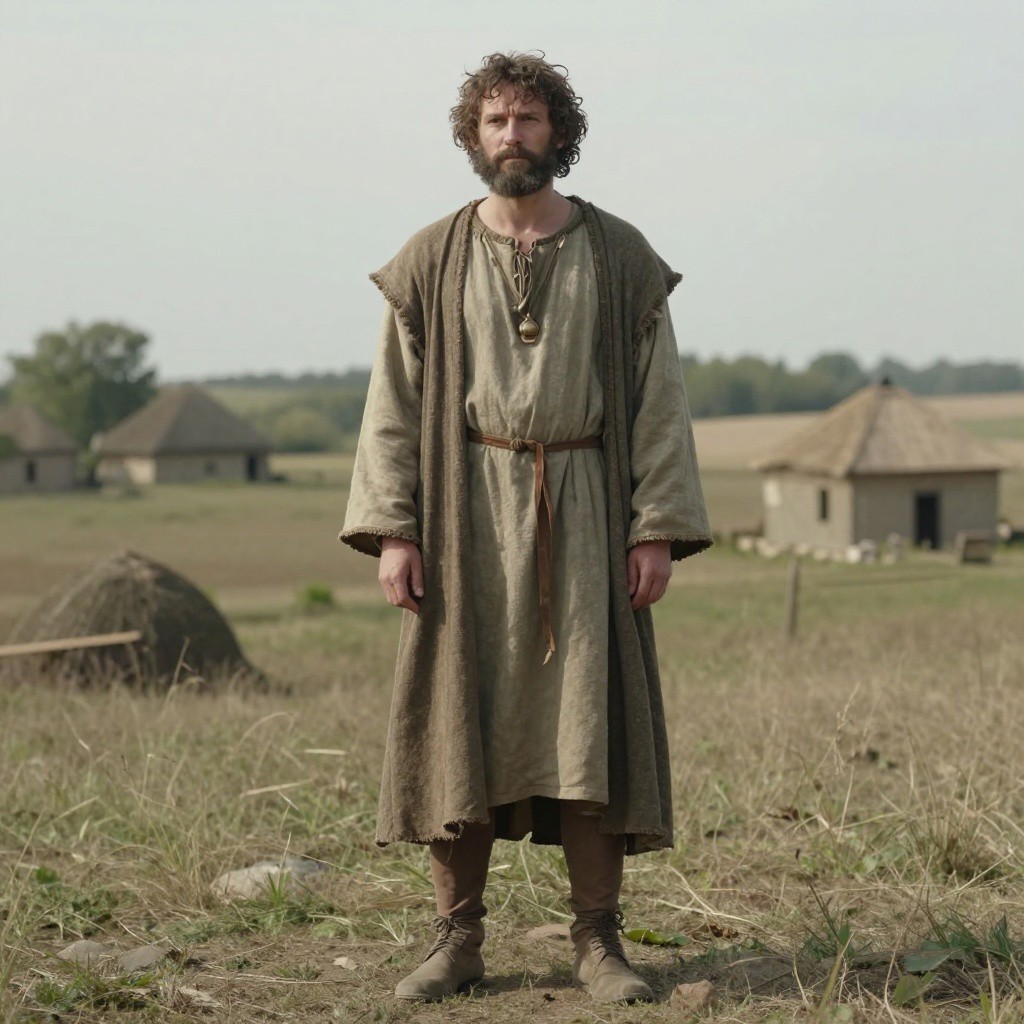
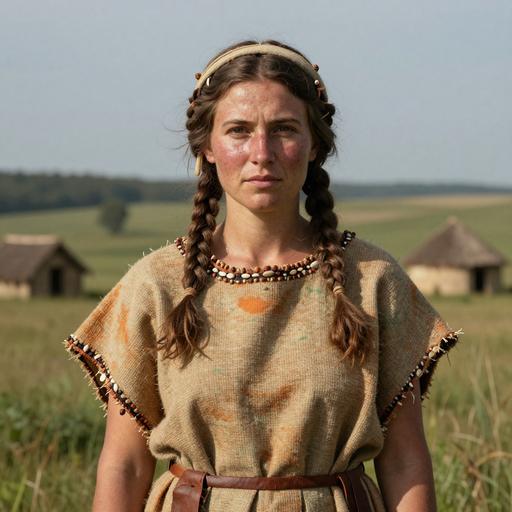
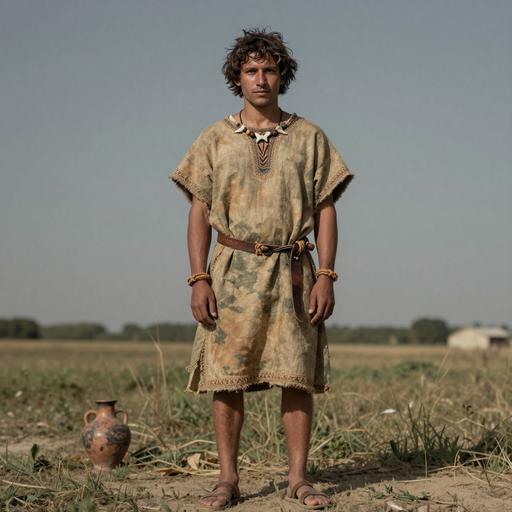
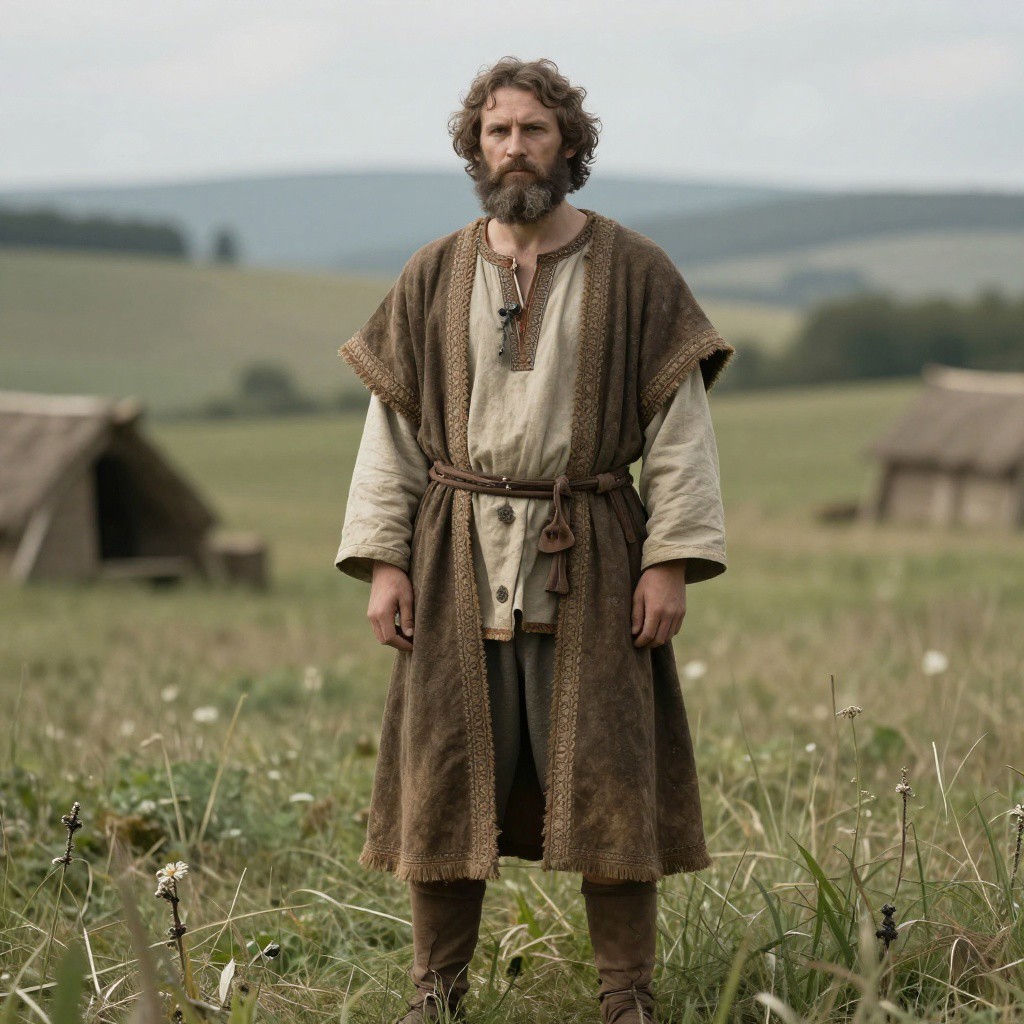
Reconstructed portrait of IA La Tene individual, Vas county. Kápolnadomb. Gór, Hungary (385-206 BCE)
IA La Tene individual, Hungary
Hungary Hungary IA LaTene 385-206 calBCE (2240±20 BP, PSUAMS-8422) La Tene Culture J1c5 Direct
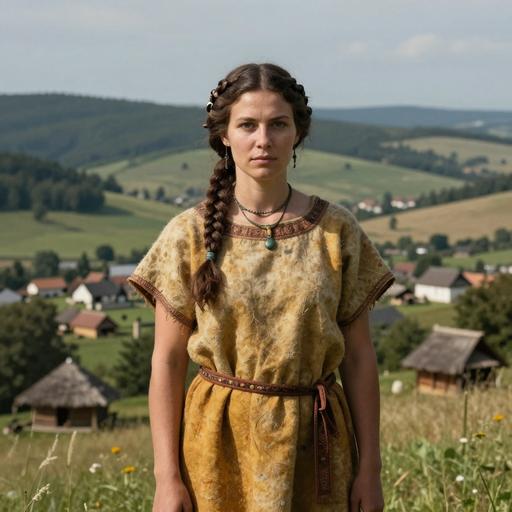
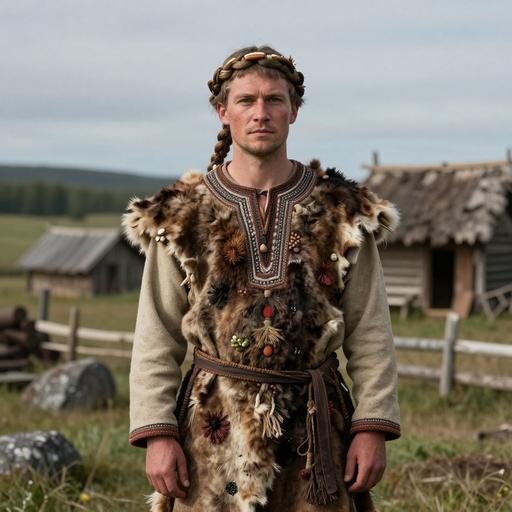
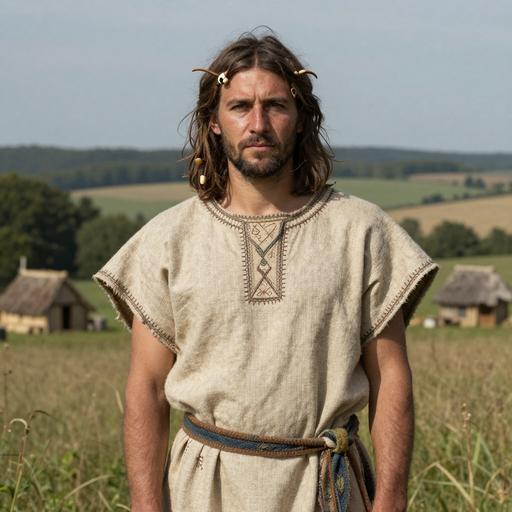
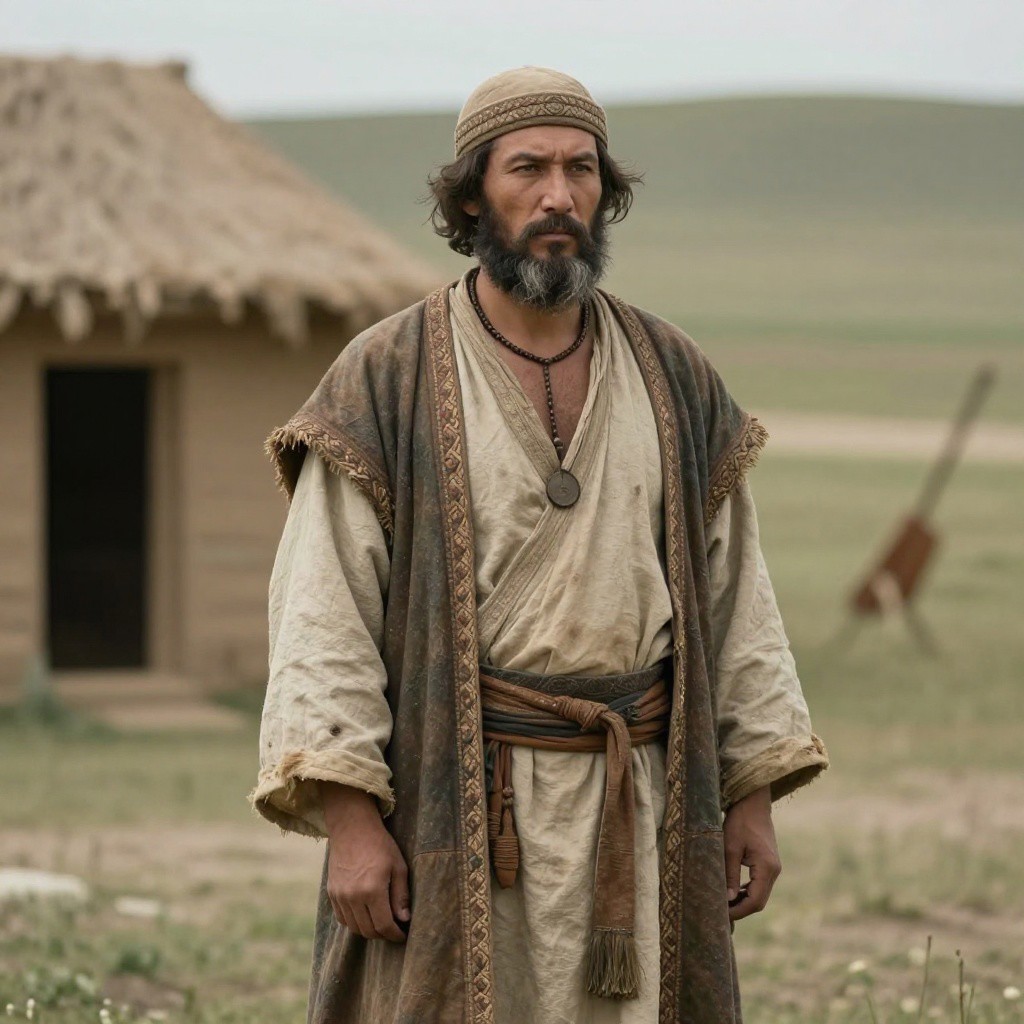
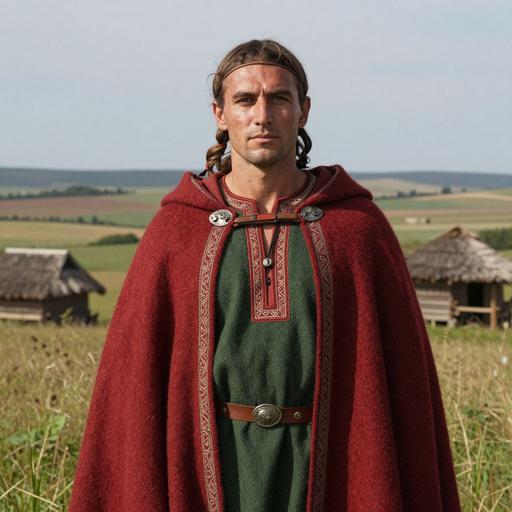
Reconstructed portrait of IA Celt individual, Besenyszög Berek-ér partja. Köröm-Kápolnadomb, Hungary (500-1 BCE)
IA Celt individual, Hungary
Hungary Hungary IA LaTene 394-208 calBCE (2260±20 BP, PSUAMS-10202) La Tene Culture J1c5 Direct
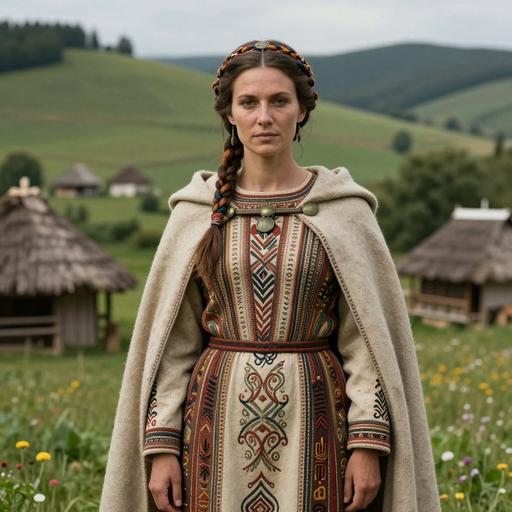
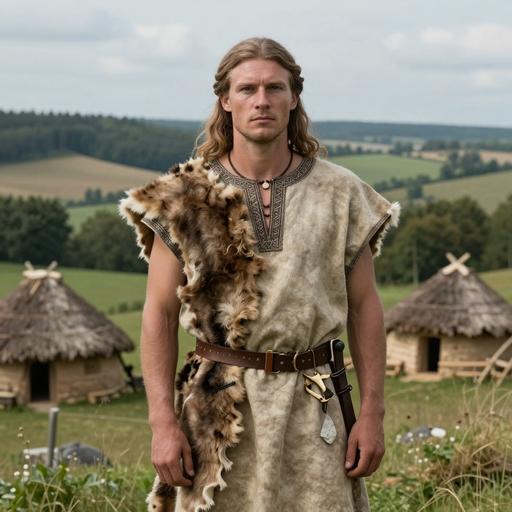
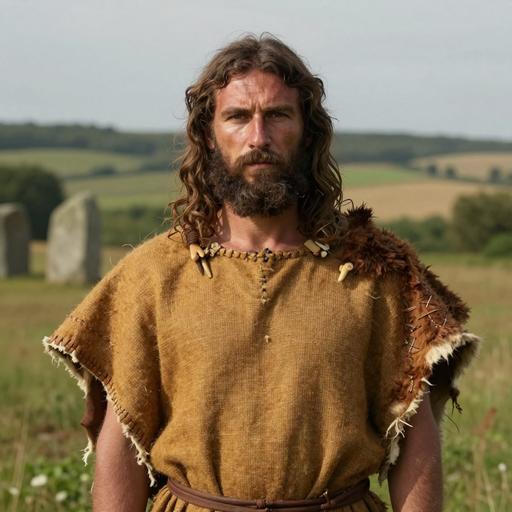
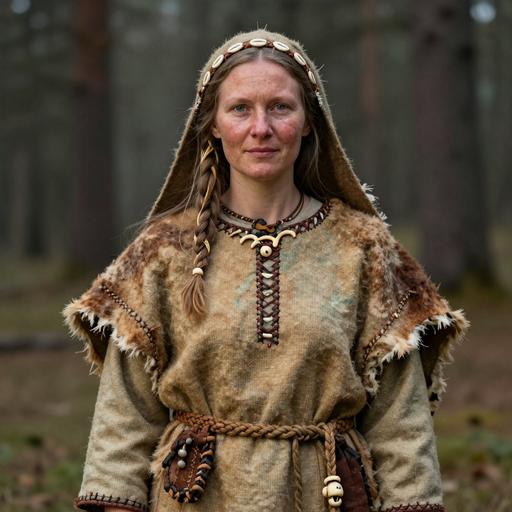
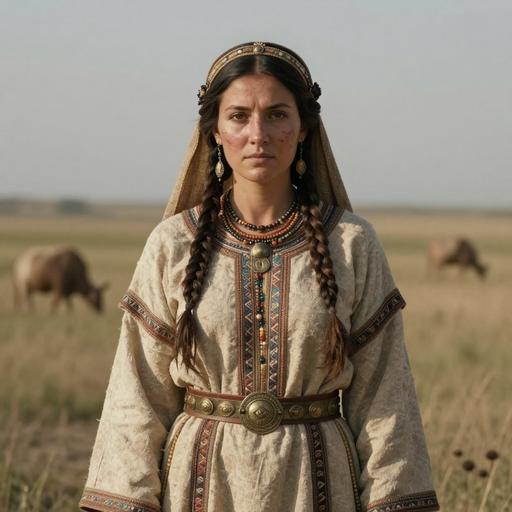
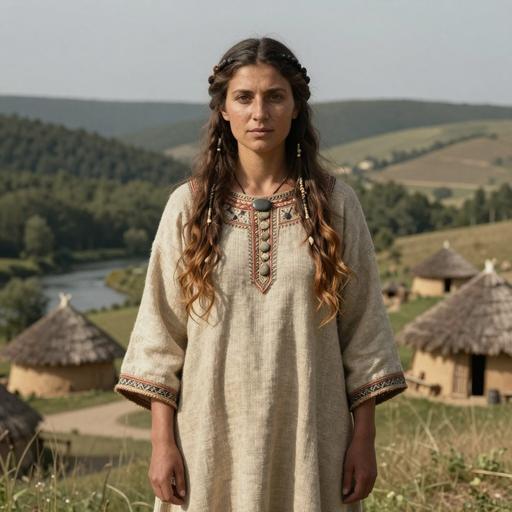
Reconstructed portrait of Germanic individual, Bavaria. Altenerding- Klettham, Germany (510-530 CE)
Germanic individual, Germany
Germany Early Medieval Germany 510 CE - 530 CE Early Medieval German J1c5 Direct
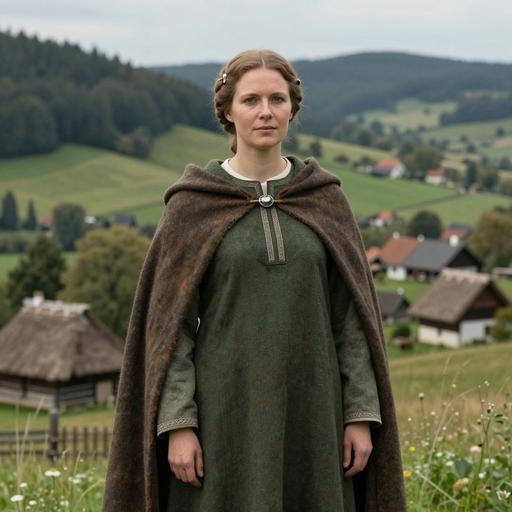
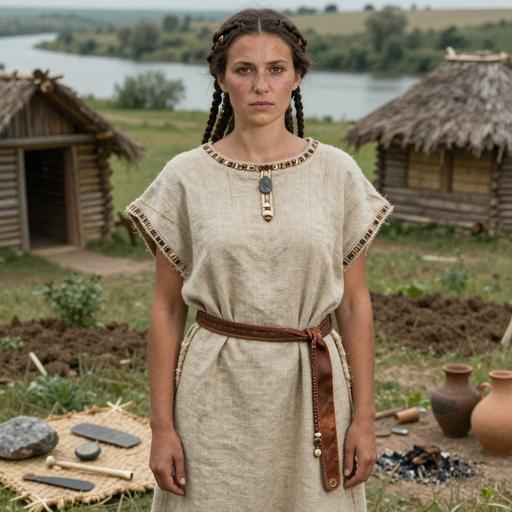
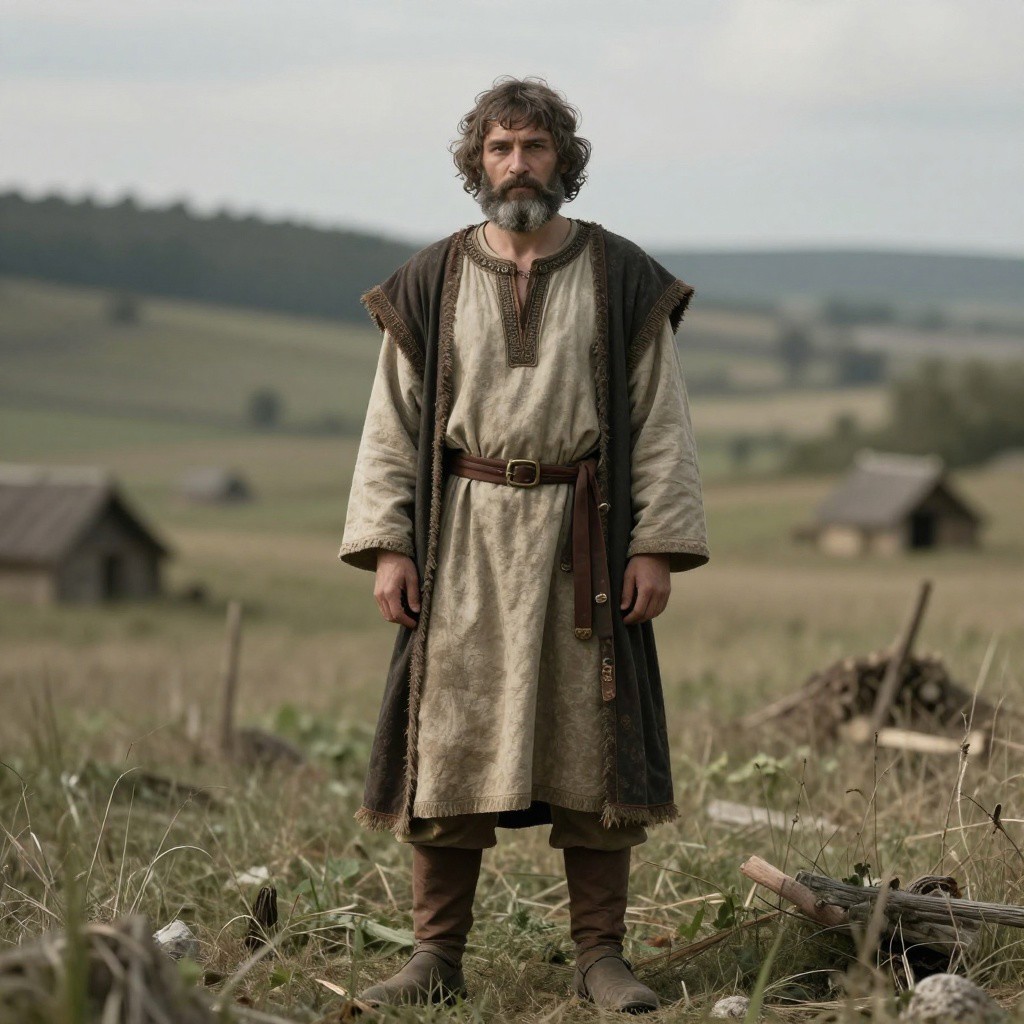
Reconstructed portrait of Germanic individual, Bavaria. Altenerding- Klettham, Germany (510-530 CE)
Germanic individual, Germany
Germany The Germanic Tribes 510 CE - 530 CE J1c5 Direct
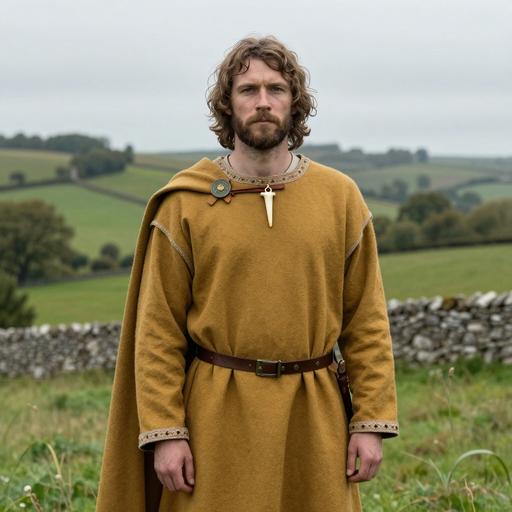
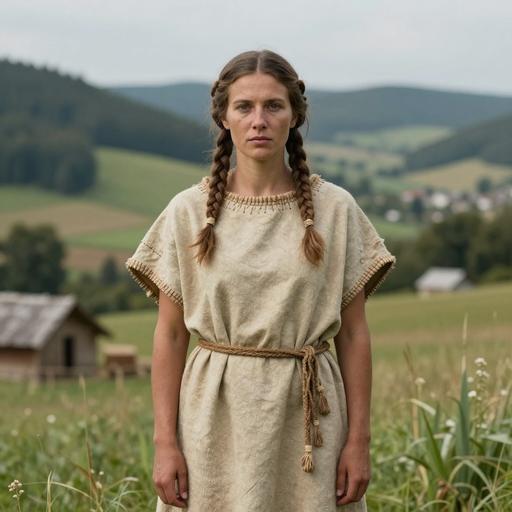
Reconstructed portrait of England Early Medieval individual, England. Buckinghamshire. Wolverton, United Kingdom (607-774 CE)
England Early Medieval individual, United Kingdom
United Kingdom England EarlyMedieval 607-774 calCE (1360±30 BP, SUERC-31585) Anglo-Saxon J1c5 Direct
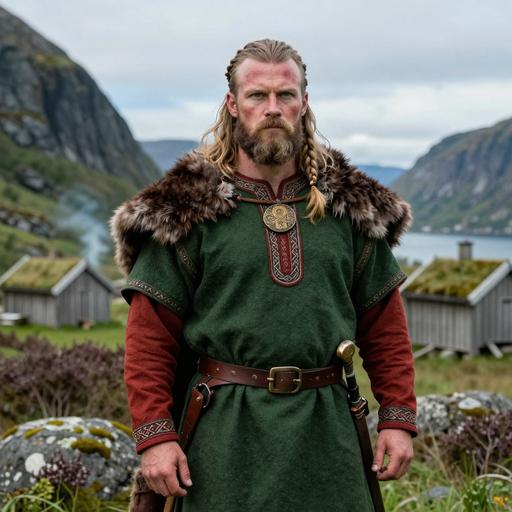
Reconstructed portrait of Norse individual, Nor North. Nordland, Norway (700-1,600 CE)
Norse individual, Norway
Norway Norway Viking 700 CE - 1600 CE Viking Culture J1c5 Direct
Reconstructed portrait of Viking individual, Nor North. Nordland, Norway (700-1,600 CE)
Viking individual, Norway
Norway The Viking Age 700 CE - 1600 CE J1c5 Direct
Reconstructed portrait of England EIA individual, England. Gloucestershire. Lechlade-on-Thames. Lechlade Memorial Hall/Skate Park, United Kingdom (783-541 BCE)
England EIA individual, United Kingdom
United Kingdom England EIA 783-541 calBCE (2510±29 BP, SUERC-80169) Early British Iron Age J1c5 Direct
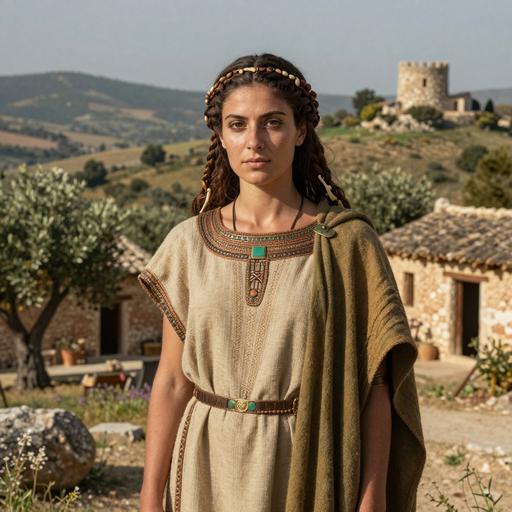
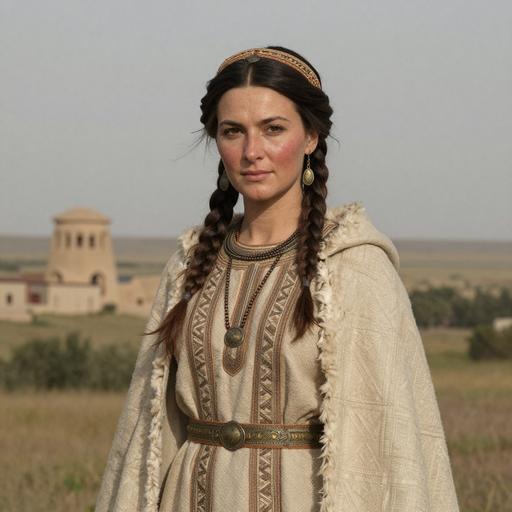
Reconstructed portrait of Sicily IA a IA b Sicani individual, Polizzello (Sicily, Caltanissetta), Italy (850-550 BCE)
Sicily IA a IA b Sicani individual, Italy
Italy Iron Age Sicily 850-550 BCE Sicilian Iron Age J1c5 Direct
Reconstructed portrait of Conqueror Commoner individual, Csongrád-Csanád County. Szegvár-Szőlőkalja, Hungary (900-1,000 CE)
Conqueror Commoner individual, Hungary
Hungary Hungary Conqueror Commoner 900-1000 CE Magyar Commoner Culture J1c5 Direct
Chapter VI

Carrier Distribution Map

Geographic distribution of 70 ancient DNA samples (direct and subclade carriers of J1C5)

Direct carrier Subclade carrier
Time Period Filter
All Time Periods
Showing all samples
Chapter VII

Temporal Distribution

Distribution of carriers across archaeological periods

Chapter VIII

Geographic Distribution

Distribution by country of origin (direct and subclade carriers shown by default)

Chapter IX

Country × Era Distribution

Cross-tabulation of carrier countries and archaeological periods (direct and subclade carriers shown by default)

Data

Data & Provenance

Source information and data quality

Last Updated 2026-02-16
Confidence Score 50/100
Coverage Low
Data Source

We use the latest phylotree for MTDNA haplogroup classification and data.