Menu
Currency
Ancestry
mtDNA Haplogroup • Maternal Lineage

C4A2C

mtDNA Haplogroup C4A2C

~6,000 years ago
Northeast Asia / Siberia
1 subclades
13 ancient samples
Scroll to explore
Chapter I

The Story

The journey of mtDNA haplogroup C4A2C

Origins and Evolution

mtDNA haplogroup C4A2C is a subclade of C4A2, itself part of the broader C4A branch of haplogroup C4. The C4 lineage has deep roots in northern Asia; sublineages like C4A2 expanded in the early Holocene as populations adapted to postglacial environments in Siberia and adjacent regions. Based on its phylogenetic position beneath C4A2 (which is typically dated to roughly ~10 kya), C4A2C most likely arose in the mid-Holocene (several thousand years after the initial C4A2 diversification), consistent with population diversification in northeastern Asia following climatic stabilization and increasing mobility.

Subclades (if applicable)

C4A2C is a terminal or near-terminal subclade within C4A2 in current phylogenies. As with many narrowly defined mtDNA subclades, its internal diversity appears limited compared to older branches of C4, which suggests a relatively recent origin and/or a demographic history involving localized expansion. Future mitogenome sampling across Siberia and northeastern Asia could identify further downstream branches or reveal a broader internal structure.

Geographical Distribution

C4A2C is concentrated in northeastern Asia and Siberia, with the highest frequencies and diversity in populations with longstanding northern Asian ancestry. Modern detections cluster among Yakut (Sakha), Tungusic-speaking groups (e.g., Evenk, Even), and several Mongolic- and Turkic-speaking groups of southern and central Siberia (e.g., Buryat, Tuvan). Occasional low-frequency occurrences are reported in northern East Asian populations (northern Han, Koreans) and in Central Asian groups that received Siberian gene flow; isolated detections in parts of northern/eastern Europe can appear where more recent Siberian-derived admixture or historical movements introduced northern Asian maternal lineages.

Historical and Cultural Significance

The distribution of C4A2C aligns with population histories dominated by hunter-gatherer foraging belts and later mobile pastoralist interactions across Siberia and the Mongolian steppe. This clade likely participated in the matrilineal substrate of Bronze Age and later populations in Baikal and Yakutia regions and is consistent with genetic signals preserved in archaeological contexts attributed to Neolithic-to-Iron Age northern Asian cultures. While not diagnostic of a single archaeological culture, C4A2C contributes to the genetic profile characteristic of northern Eurasian groups that played roles in long-distance mobility, trade, and language spread in northeastern Asia.

Conclusion

C4A2C represents a geographically focused, mid-Holocene maternal lineage within the broader C4A2 phylogeny. Its modern and ancient occurrences underscore continuity of northern Asian maternal ancestry across millennia and emphasize the importance of dense mitogenome sampling in Siberia and adjacent regions to refine its internal structure and demographic history.

Key Points

  • Origins and Evolution
  • Subclades (if applicable)
  • Geographical Distribution
  • Historical and Cultural Significance
  • Conclusion
Chapter II

Tree & Relationships

Phylogenetic context and subclades

Evolution Path

This haplogroup's evolutionary journey from its earliest ancestor to the present.

Steps Haplogroup Age Estimate Archaeology Era Time Passed Immediate Descendants Tested Modern Descendants Ancient Connections
1 C4A2C Current ~6,000 years ago ?? Chalcolithic 6,000 years 1 5 13
2 C4A2 ~10,000 years ago ?? Neolithic 10,000 years 3 10 0
3 C4A ~15,000 years ago ?? Mesolithic 15,000 years 3 20 18
4 C4 ~20,000 years ago ?? Mesolithic 20,000 years 4 38 48
5 C ~35,000 years ago ?? Paleolithic 35,000 years 5 667 75
6 CZ ~40,000 years ago ?? Paleolithic 40,000 years 2 709 4
7 M8 ~42,000 years ago ?? Paleolithic 42,000 years 2 722 5
8 M ~60,000 years ago ?? Paleolithic 60,000 years 42 2,162 41
9 L3 ~70,000 years ago ?? Paleolithic 70,000 years 7 23,542 6
10 L3'4 - - - 2 23,581 0
11 L3'4'6 - - - 2 23,584 0
12 L2'3'4'6 - - - 2 24,475 0
13 L2'3'4'5'6'7 - - - 2 24,488 0
14 L1'2'3'4'5'6'7 - - - 2 24,903 0
15 L ~160,000 years ago ?? Paleolithic 160,000 years 2 25,205 5

Siblings (2)

Other branches from the same parent haplogroup

Chapter III

Where in the World

Geographic distribution and modern presence

Place of Origin

Northeast Asia / Siberia

Modern Distribution

The populations where mtDNA haplogroup mtDNA haplogroup C4A2C is found include:

  1. Yakut (Sakha) and other Sakha-region groups
  2. Tungusic-speaking peoples (e.g., Evenk, Even)
  3. Buryat and other Mongolic-speaking groups
  4. Tuvan, Altai and other Central Asian groups with Siberian ancestry
  5. Nenets, Nganasan and other North Siberian indigenous groups
  6. Chukchi and Koryak (Far East Siberia)
  7. Northern East Asian populations at low frequency (northern Han Chinese, Koreans)
  8. Occasional detections in northern/eastern Europe associated with Siberian-derived admixture or historical mobility
CHAPTER IV

When in Time

Your haplogroup in the context of human history

~10k years ago

Neolithic Revolution

Agriculture begins, settled communities form

~6k years ago

Haplogroup C4A2C

Your mtDNA haplogroup emerged in Northeast Asia / Siberia

Northeast Asia / Siberia
~5k years ago

Bronze Age

Metalworking, writing, and early civilizations

~3k years ago

Iron Age

Iron tools, expanded trade networks

~2k years ago

Classical Antiquity

Greek and Roman civilizations flourish

Present

Present Day

Modern era

Your Haplogroup
Historical Era
Chapter IV-B

Linked Cultures

Ancient cultures associated with mtDNA haplogroup C4A2C

Cultural Heritage

These ancient cultures have been linked to haplogroup C4A2C based on matching ancient DNA samples from archaeological excavations. The presence of this haplogroup in these cultures provides insights into the migrations and population movements of populations carrying this haplogroup.

Austria_Avar Avar Culture Jierzankale Culture Khovsgol Culture Magyar Commoner Culture Medieval Nomadic Middle-Late Avar Russia_AltaiKrai_N Wusun Culture Xiongnu
Culture assignments are based on archaeological context of ancient DNA samples and may represent regional associations during specific time periods.
Chapter V

Sample Catalog

7 direct carriers and 6 subclade carriers of haplogroup C4A2C

13 / 13 samples
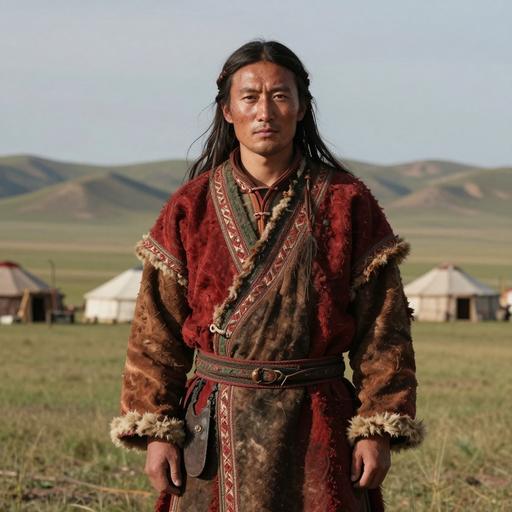
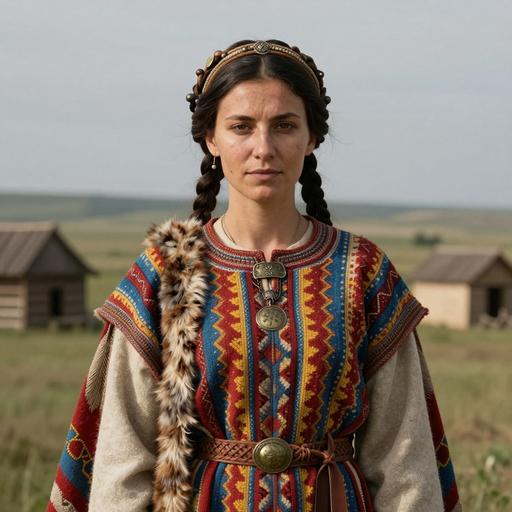
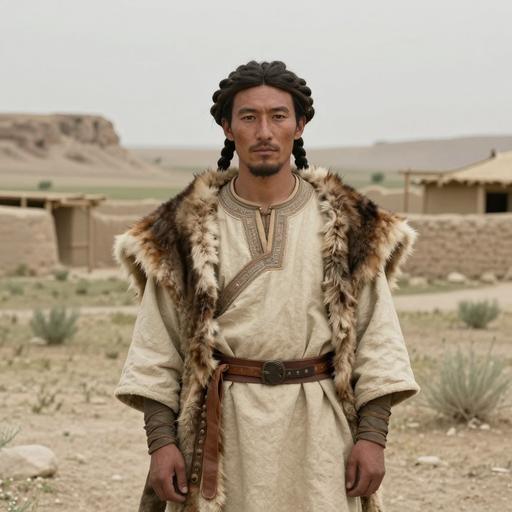
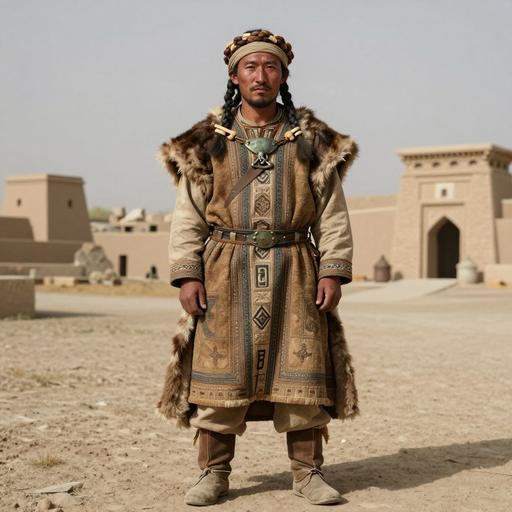
Portrait Sample Country Era Date Culture mtDNA Match
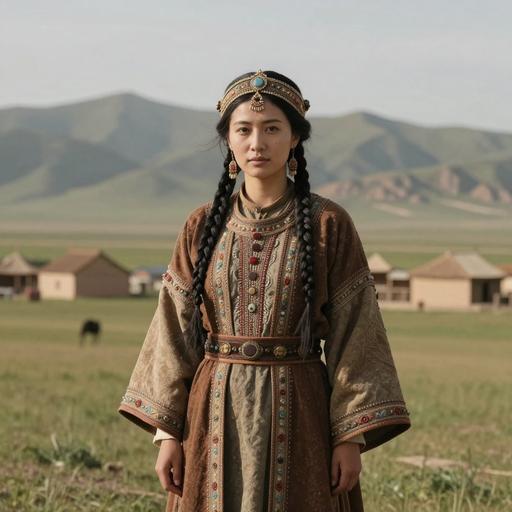
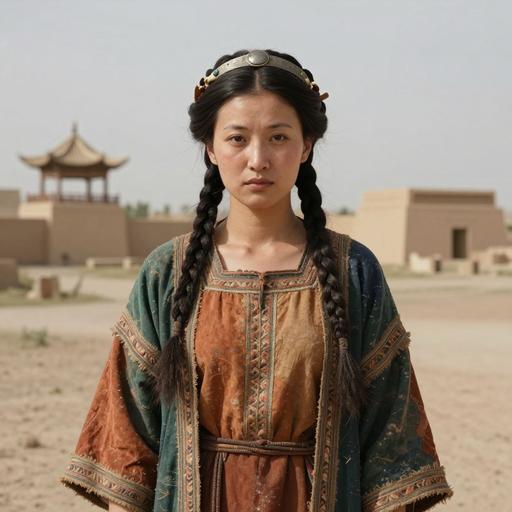
Reconstructed portrait of Xinjiang IA Yuezhi Scythian Wusun possible individual, Xinjiang. Yili Region. Nileke County. G218, China (386-8 BCE)
Xinjiang IA Yuezhi Scythian Wusun possible individual, China
China Iron Age Possible Scythian Wusun G218, Xinjiang, China 400 BCE - 50 CE Wusun Culture C4a2c Direct
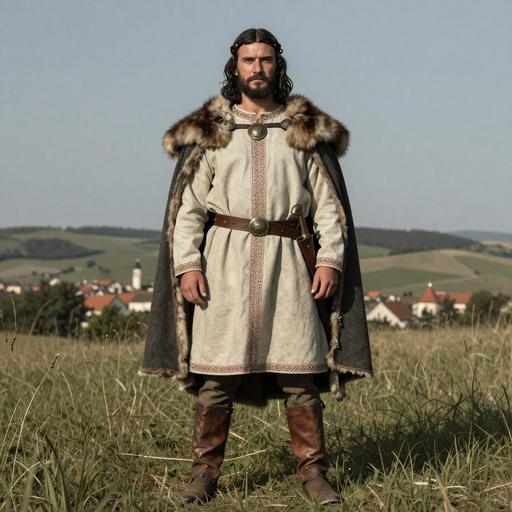
Reconstructed portrait of Early Medieval Late Avar Middle Avar-o Low East Asia individual, Albertirsa Szentmártoni út, Hungary (650-750 CE)
Early Medieval Late Avar Middle Avar-o Low East Asia individual, Hungary
Hungary Middle to Late Avar Period Danube-Tisza, Hungary 650-750 CE Middle-Late Avar C4a2c Direct
Reconstructed portrait of Middle Avar-o High East Asia individual, Bács-Kiskun County. Csólyospálos-Felsőpálos, Hungary (670-700 CE)
Middle Avar-o High East Asia individual, Hungary
Hungary Middle Avar Period Hungary 650-700 CE Avar Culture C4a2c Direct
Reconstructed portrait of Magyar/Hungarian individual, Hajdú-Bihar County. Püspökladány-Eperjesvölgy, Hungary (950-1,000 CE)
Magyar/Hungarian individual, Hungary
Hungary Hungary Conqueror Commoner 950 CE - 1000 CE Magyar Commoner Culture C4a2c Direct
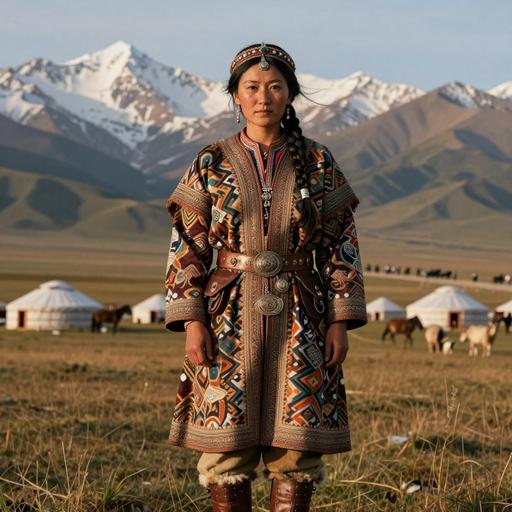
Reconstructed portrait of Turkic Nomadic individual, Tian Shan. Central Steppe, Kyrgyzstan (1,046-1,278 CE)
Turkic Nomadic individual, Kyrgyzstan
Kyrgyzstan Kyrgyzstan Medieval Nomad 1046 CE - 1278 CE Medieval Nomadic C4a2c Direct
Reconstructed portrait of Steppe Central Nomad Ma individual, Tian Shan. Central Steppe, Kyrgyzstan (1,046-1,278 CE)
Steppe Central Nomad Ma individual, Kyrgyzstan
Kyrgyzstan Medieval Steppe Nomads 1046 CE - 1278 CE C4a2c Direct
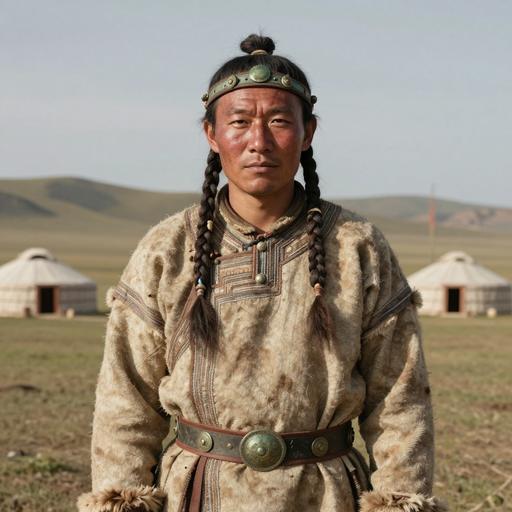
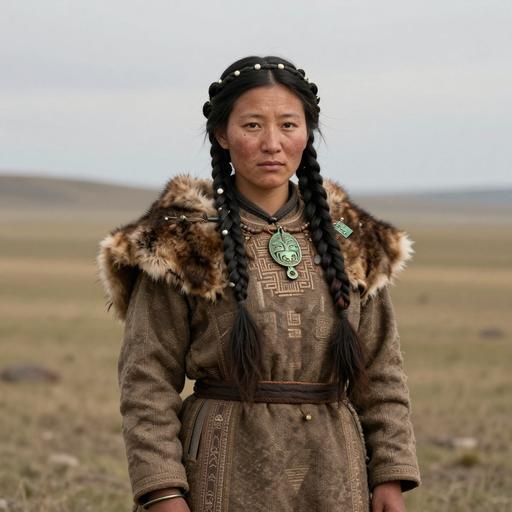
Reconstructed portrait of Khovsgol LBA-6 individual, Khovsgol aimag. Arbulag sorum, Mongolia (1,390-1,055 BCE)
Khovsgol LBA-6 individual, Mongolia
Mongolia Late Bronze Age Khovsgol 6, Mongolia 1390-1055 calBCE (2992±48 BP, A-) Khovsgol Culture C4a2c Direct
Reconstructed portrait of Arkhangai Xiongnu Period individual, Arkhangai. Naimaa Tolgoi, Mongolia (200 BCE-100 CE)
Arkhangai Xiongnu Period individual, Mongolia
Mongolia The Xiongnu People 200 BCE - 100 CE Xiongnu C4a2c1 Downstream
Reconstructed portrait of Middle Avar-o Low East Asia individual, Rákóczifalva-Bagi-földek (Jász-Nagykun-Szolnok Coiunty, Szolnok), Hungary (650-900 CE)
Middle Avar-o Low East Asia individual, Hungary
Hungary Hungary MiddleAvar 650-900 CE Avar Culture C4a2c1 Downstream
Reconstructed portrait of Xinjiang Jierzankale Jirzankal IA individual, Xinjiang. Kashi Region. Tashikuergan County. Jierzankale, China (733-397 BCE)
Xinjiang Jierzankale Jirzankal IA individual, China
China Iron Age Jierzankale, Xinjiang, China 750-350 BCE Jierzankale Culture C4a2c1 Downstream
Chapter VI

Carrier Distribution Map

Geographic distribution of 13 ancient DNA samples (direct and subclade carriers of C4A2C)

Direct carrier Subclade carrier
Time Period Filter
All Time Periods
Showing all samples
Chapter VII

Temporal Distribution

Distribution of carriers across archaeological periods

Chapter VIII

Geographic Distribution

Distribution by country of origin (direct and subclade carriers shown by default)

Chapter IX

Country × Era Distribution

Cross-tabulation of carrier countries and archaeological periods (direct and subclade carriers shown by default)

Data

Data & Provenance

Source information and data quality

Last Updated 2026-02-16
Confidence Score 50/100
Coverage Low
Data Source

We use the latest phylotree for MTDNA haplogroup classification and data.