Menu
Currency
Ancestry
mtDNA Haplogroup • Maternal Lineage

C4A1

mtDNA Haplogroup C4A1

~12,000 years ago
Northeast Asia / Siberia
4 subclades
Scroll to explore
Chapter I

The Story

The journey of mtDNA haplogroup C4A1

Origins and Evolution

Haplogroup C is an East Eurasian maternal lineage with deep roots in northern Asia. Within C, the C4 lineage diversified into several regional subclades during the late Pleistocene and the early Holocene as human groups adapted to northern Eurasian environments. C4a1 is one such subclade that likely formed in northeastern Asia or Siberia roughly in the early Holocene (estimates around ~10–15 kya), based on the phylogenetic position of C4a relative to other C4 lineages and the distribution of derived lineages in modern and ancient samples.

Because mtDNA coalescence time estimates are sensitive to sampling and molecular clock calibration, the age given above is an informed estimate rather than a precise date. The pattern of C4a1 diversity (multiple closely related internal branches in northern Eurasian populations) is consistent with a Pleistocene-origin C4 backbone and Holocene local diversification of C4a1 in Siberia and adjacent regions.

Subclades

C4a1 is part of the C4a cluster, which also contains other subbranches (for example C4a2 and downstream derivatives). Some named subclades of the C4a clade show geographic structure (for example C4a2 lineages more common in southern Siberia and Central Asia), while C4a1 tends to be represented in northern and northeastern Siberian populations. As mtDNA sequencing coverage increases, further internal substructure of C4a1 has been revealed in specific populations, reflecting local demographic histories.

Geographical Distribution

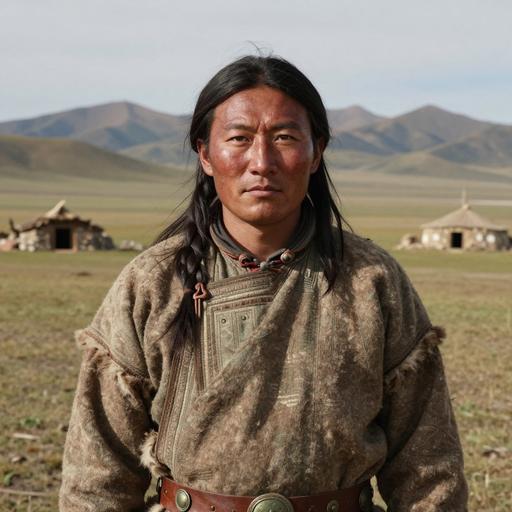
Modern occurrences of C4a1 are concentrated in northeastern Asia and Siberia, with detectable presence (often at low-to-moderate frequency) in adjacent Central Asian groups and populations with historical Siberian ancestry. Typical population contexts include:

  • Indigenous Siberian groups (e.g., Evenks, Yakuts, Yakutia populations)
  • Mongolic-speaking groups (e.g., Buryats, some Mongolians)
  • Tungusic-speaking peoples (e.g., Even, Evenk, some Udegey)
  • Indigenous peoples of the Russian Far East (e.g., Koryak, Itelmen) and northern Siberia (e.g., Nenets, Nganasan) at low frequencies
  • Small proportions in Central Asian groups (e.g., some Altaian and Tuvan individuals) and in Eastern Russian populations due to historical admixture

The distribution pattern is consistent with a long-term northern Eurasian presence and later localized expansions, often following Holocene environmental and cultural changes. Unlike some C sublineages that reached the Americas (e.g., C4c), C4a1 is primarily Eurasian and shows little to no sustained presence in Native American populations.

Historical and Cultural Significance

C4a1 is most informative for reconstructing maternal continuity and migrations within Siberia and northeastern Asia. It appears in contexts tied to Pleistocene-Holocene hunter-gatherer populations of northern Eurasia and persists through subsequent cultural transitions. In Bronze Age and later archaeological contexts across inland Siberia, mtDNA lineages in the C4 family appear alongside other East Eurasian haplogroups, reflecting genetic continuity and admixture among pastoralist and hunter-gatherer groups.

While not strongly associated with early European steppe cultures such as Yamnaya or Bell Beaker, C4a1 and neighboring C4 subclades are relevant to studies of steppe–Siberia interactions (for example, the spread of Altaic-speaking groups and contacts between Siberian hunter-gatherers and Bronze Age pastoralists). In some ancient DNA studies, C4-lineage individuals have helped trace mobility and gene flow across the Eurasian interior.

Conclusion
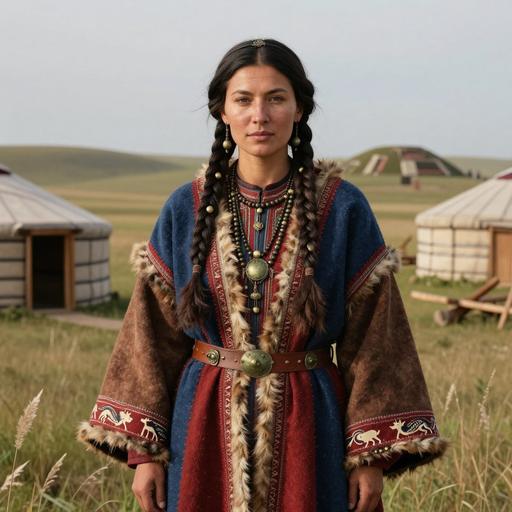
mtDNA haplogroup C4a1 represents a Northern Eurasian maternal lineage with origins in the late Pleistocene/early Holocene and a present-day distribution concentrated in Siberia, Northeast Asia, and adjacent Central Asia. It is most useful for understanding maternal continuity in indigenous Siberian populations and for reconstructing Holocene demographic processes in northern Eurasia. Continued mitogenome sequencing and ancient DNA sampling will refine the internal substructure and chronology of C4a1 and its relationship to other C4 subclades.

Key Points

  • Origins and Evolution
  • Subclades
  • Geographical Distribution
  • Historical and Cultural Significance
  • Conclusion
Chapter II

Tree & Relationships

Phylogenetic context and subclades

Evolution Path
This haplogroup's evolutionary journey from its earliest ancestor to the present.

Steps Haplogroup Age Estimate Archaeology Era Time Passed Immediate Descendants Tested Modern Descendants Ancient Connections
1 C4A1 Current ~12,000 years ago ?? Neolithic 12,000 years 4 4 0
2 C4A2B - - - 1 4 0
3 C4A2 ~10,000 years ago ?? Neolithic 10,000 years 3 10 0
4 C4A ~15,000 years ago ?? Mesolithic 15,000 years 3 20 18
5 C4 ~20,000 years ago ?? Mesolithic 20,000 years 4 38 48
6 C ~35,000 years ago ?? Paleolithic 35,000 years 5 667 75
7 CZ ~40,000 years ago ?? Paleolithic 40,000 years 2 709 4
8 M8 ~42,000 years ago ?? Paleolithic 42,000 years 2 722 5
9 M ~60,000 years ago ?? Paleolithic 60,000 years 42 2,162 41
10 L3 ~70,000 years ago ?? Paleolithic 70,000 years 7 23,542 6
11 L3'4 - - - 2 23,581 0
12 L3'4'6 - - - 2 23,584 0
13 L2'3'4'6 - - - 2 24,475 0
14 L2'3'4'5'6'7 - - - 2 24,488 0
15 L1'2'3'4'5'6'7 - - - 2 24,903 0
16 L ~160,000 years ago ?? Paleolithic 160,000 years 2 25,205 5
Chapter III

Where in the World

Geographic distribution and modern presence
Place of Origin

Northeast Asia / Siberia

Modern Distribution

The populations where mtDNA haplogroup C4a1 is found include:

  1. Yakut (Sakha)
  2. Evenk (Tungusic-speaking Siberian groups)
  3. Buryat (Mongolic-speaking Siberian groups)
  4. Tuvan and Altaian populations (southern Siberia / Altai)
  5. Mongolian populations (northern/eastern Mongolia)
  6. Koryak and Itelmen (Russian Far East indigenous groups)
  7. Nenets and Nganasan (northern Siberian indigenous groups, low frequency)
  8. Some Central Asian groups with Siberian ancestry (e.g., certain Kazakh/Tuvan/Altai individuals)
  9. Eastern Russian populations with historical Siberian admixture
CHAPTER IV

When in Time

Your haplogroup in the context of human history

~12k years ago

Haplogroup C4A1

Your mtDNA haplogroup emerged in Northeast Asia / Siberia

Northeast Asia / Siberia
~10k years ago

Neolithic Revolution

Agriculture begins, settled communities form

~5k years ago

Bronze Age

Metalworking, writing, and early civilizations

~3k years ago

Iron Age

Iron tools, expanded trade networks

~2k years ago

Classical Antiquity

Greek and Roman civilizations flourish

Present

Present Day

Modern era

Your Haplogroup
Historical Era
Chapter IV-B

Linked Cultures

Ancient cultures associated with mtDNA haplogroup C4A1

Cultural Heritage

These ancient cultures have been linked to haplogroup C4A1 based on matching ancient DNA samples from archaeological excavations. The presence of this haplogroup in these cultures provides insights into the migrations and population movements of populations carrying this haplogroup.

Austria_Avar Avar Culture Center West 5 Early Iron Age Mongolia Elunino Kangju Kuokesuxi Culture Magyar Commoner Culture Magyar Elite Culture Pazyryk Culture Russia_AltaiKrai_N Shamanka Culture Transbaikal Culture
Culture assignments are based on archaeological context of ancient DNA samples and may represent regional associations during specific time periods.
Chapter V

Sample Catalog

13 direct carriers and 87 subclade carriers of haplogroup C4A1

50 / 50 samples
Portrait Sample Country Era Date Culture mtDNA Match
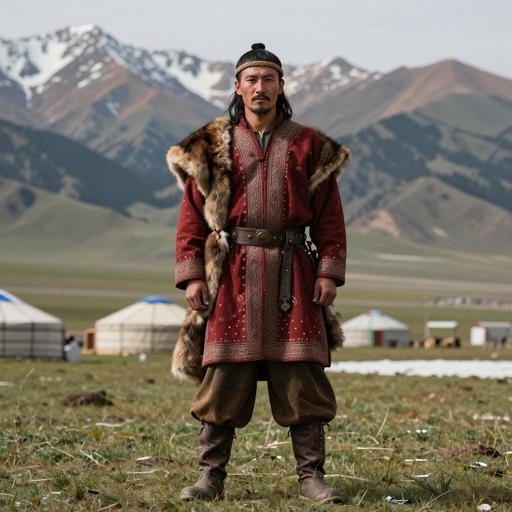
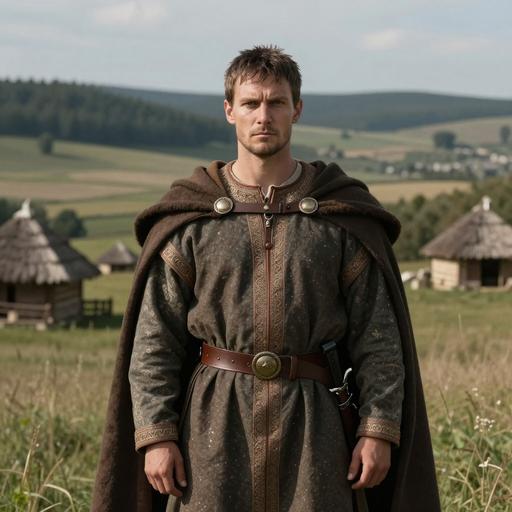
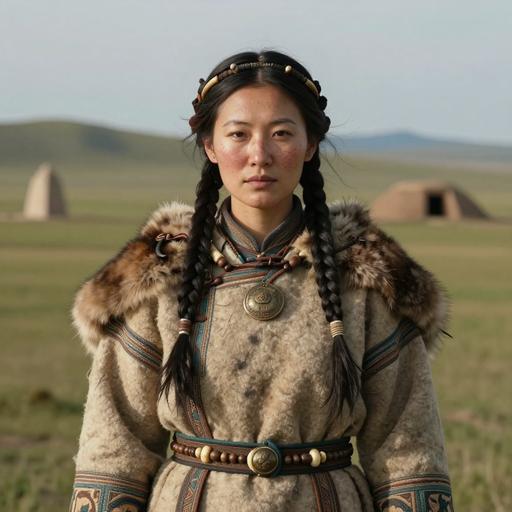
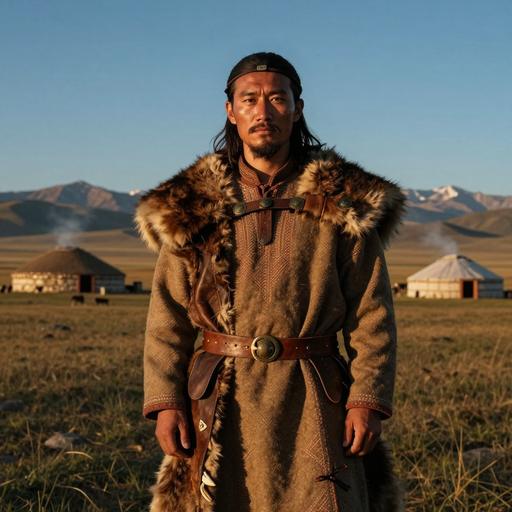
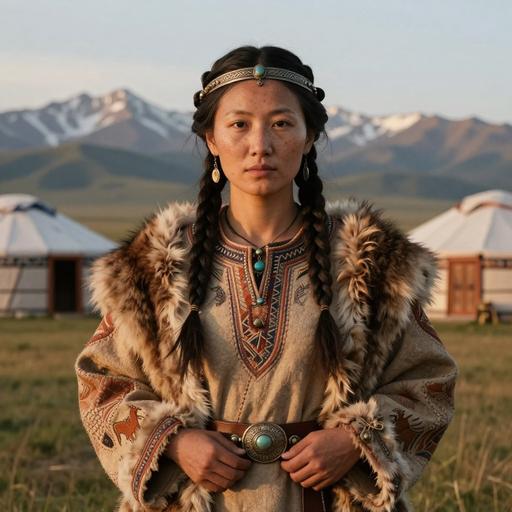
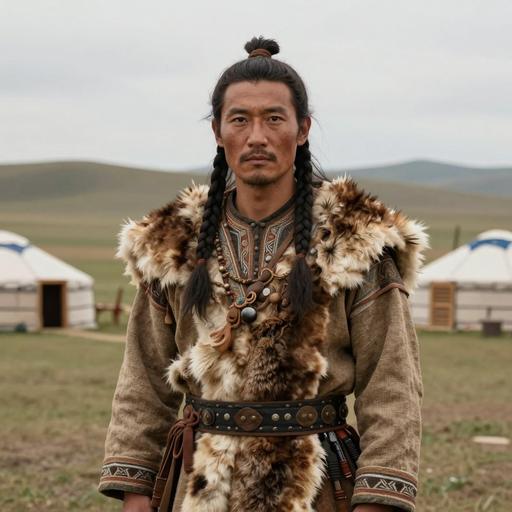
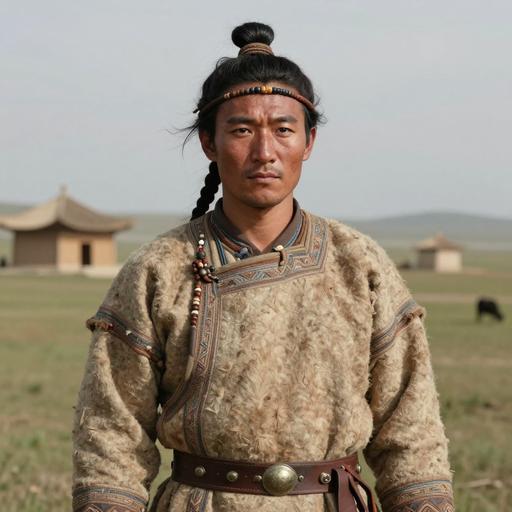
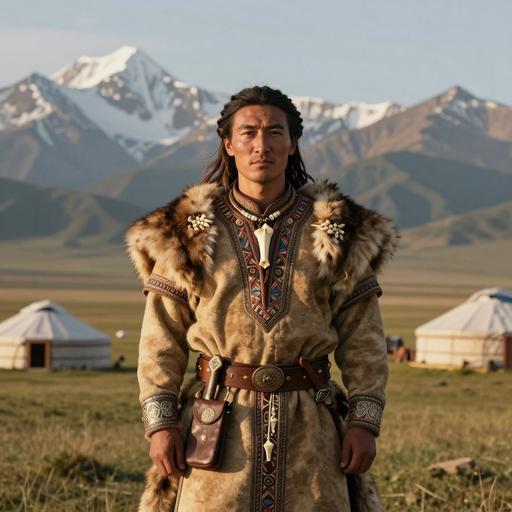
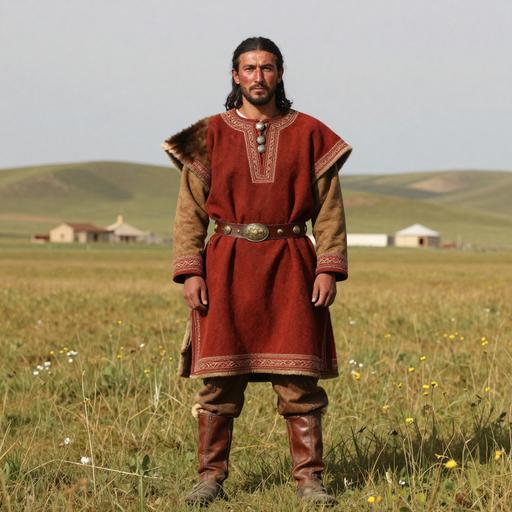
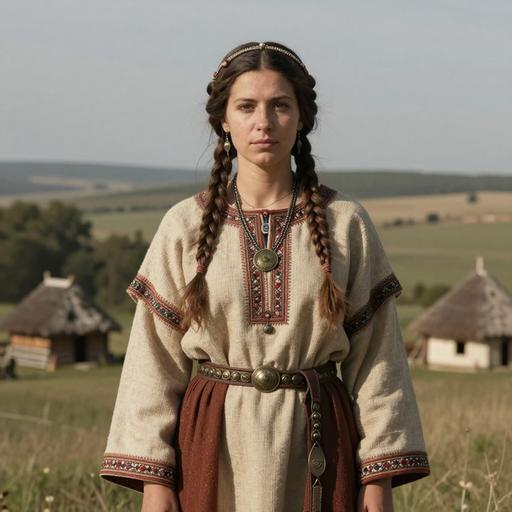
Reconstructed portrait of Nomadic Steppe Cultures individual, Tian Shan. Central Steppe, Kazakhstan (50-450 CE)
Nomadic Steppe Cultures individual, Kazakhstan
Kazakhstan Kazakhstan Kangju 50 CE - 450 CE Kangju C4a1 Direct
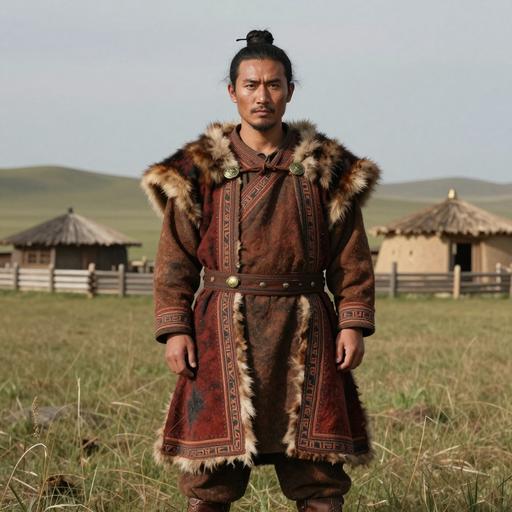
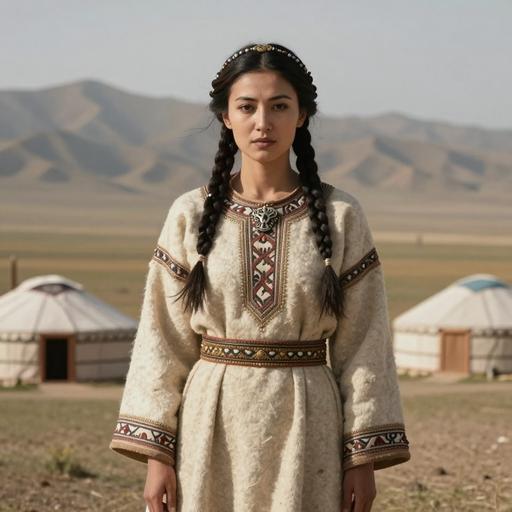
Reconstructed portrait of Steppe Central Nomad individual, Tian Shan. Central Steppe, Kazakhstan (50-450 CE)
Steppe Central Nomad individual, Kazakhstan
Kazakhstan The Nomadic Empires of the Eurasian Steppe 50 CE - 450 CE C4a1 Direct
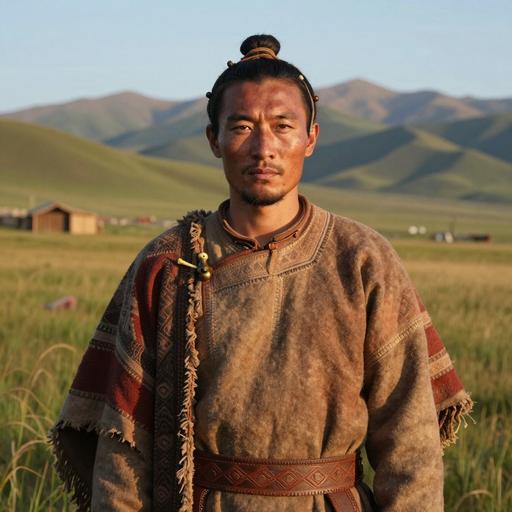
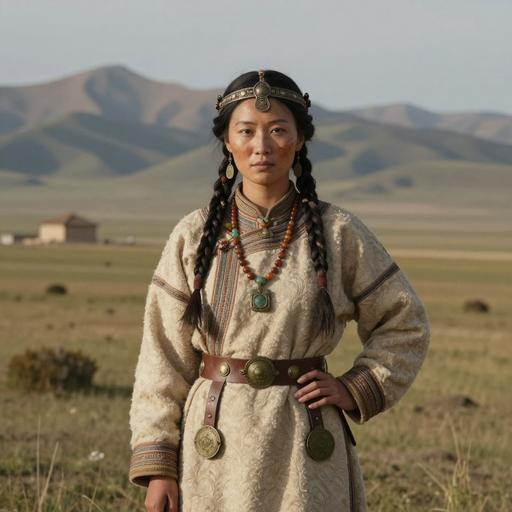
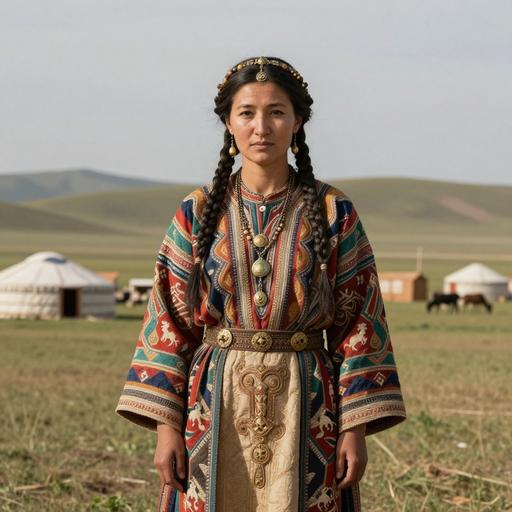
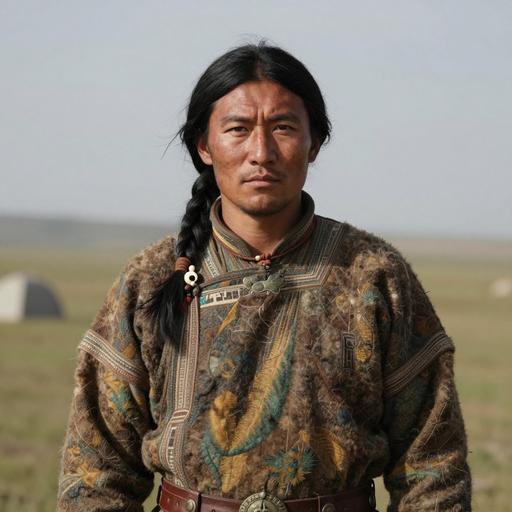
Reconstructed portrait of Nomadic Steppe Cultures individual, Tian Shan. Central Steppe, Kyrgyzstan (255-421 CE)
Nomadic Steppe Cultures individual, Kyrgyzstan
Kyrgyzstan The Hun Period in Kyrgyzstan 255 CE - 421 CE Hunnic Period C4-a1 Direct
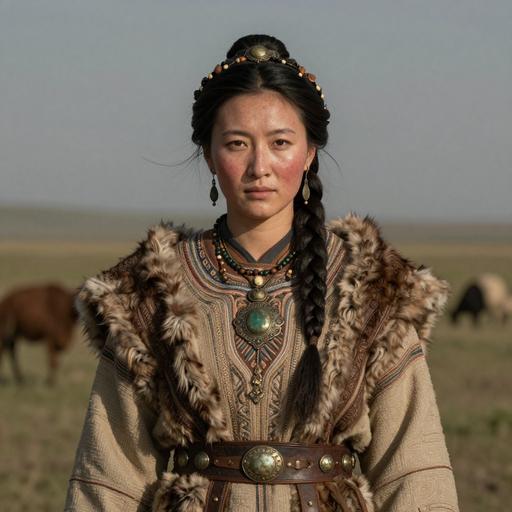
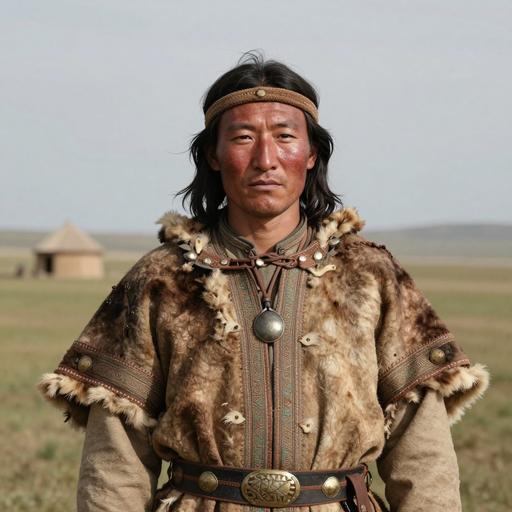
Reconstructed portrait of Hun individual, Tian Shan. Central Steppe, Kyrgyzstan (255-421 CE)
Hun individual, Kyrgyzstan
Kyrgyzstan The Huns 255 CE - 421 CE C4-a1 Direct
Reconstructed portrait of Xinjiang Kuokesuxi EIA individual, Xinjiang. Yili Region. Tekesi County. Kuokesuxi, China (350-58 BCE)
Xinjiang Kuokesuxi EIA individual, China
China China Xinjiang Kuokesuxi EIA 350-58 calBCE Kuokesuxi Culture C4a1 Direct
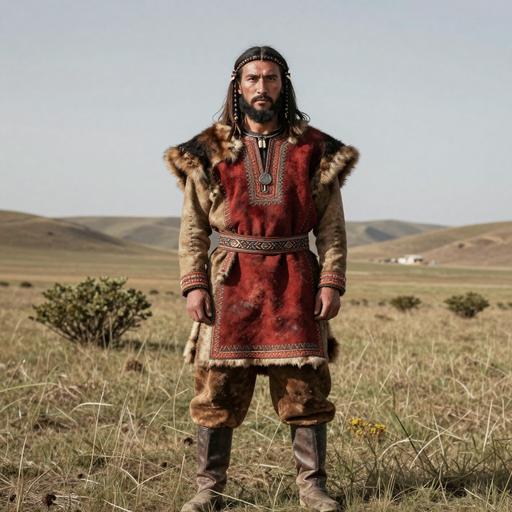
Reconstructed portrait of Pazyryk individual, Berel, Kazakhstan (400-300 BCE)
Pazyryk individual, Kazakhstan
Kazakhstan Iron Age Pazyryk Culture Berel, Kazakhstan 400-300 BCE Pazyryk Culture C4a1 Direct
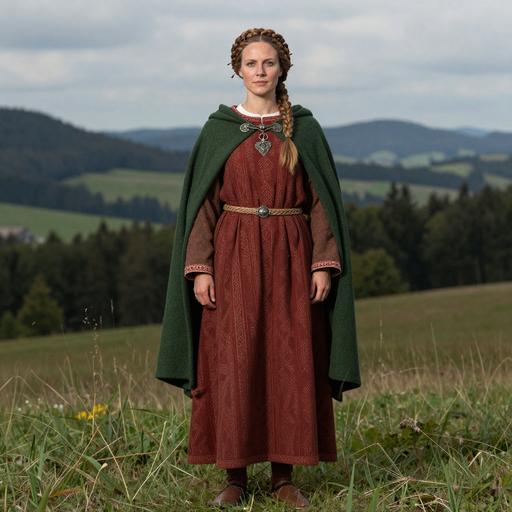
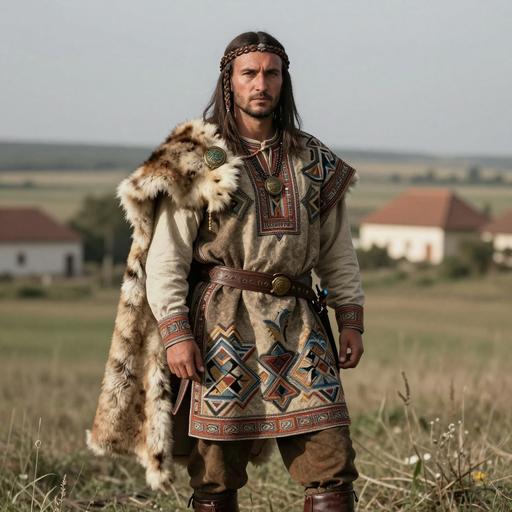
Reconstructed portrait of Avar individual, Mödling-An der Goldenen Stiege (Lower Austria, Mödling District), Austria (639-811 CE)
Avar individual, Austria
Austria Austria Avar 650-800 CE Austria_Avar C4a1 Direct
Reconstructed portrait of Late Avar-o High East Asia individual, Kunszállás-Fülöpjakab (Bács-Kiskun County, Kecskemét), Hungary (720-804 CE)
Late Avar-o High East Asia individual, Hungary
Hungary Hungary LateAvar 700-850 CE Avar Culture C4a1 Direct
Reconstructed portrait of Late Avar-o High East Asia individual, Kunszállás-Fülöpjakab (Bács-Kiskun County, Kecskemét), Hungary (720-804 CE)
Late Avar-o High East Asia individual, Hungary
Hungary Hungary LateAvar 700-850 CE Avar Culture C4a1 Direct
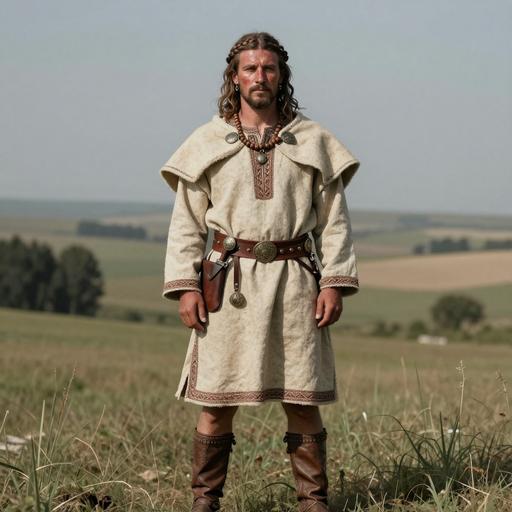
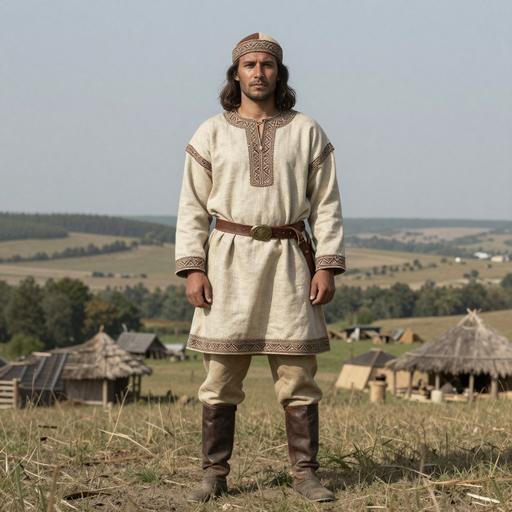
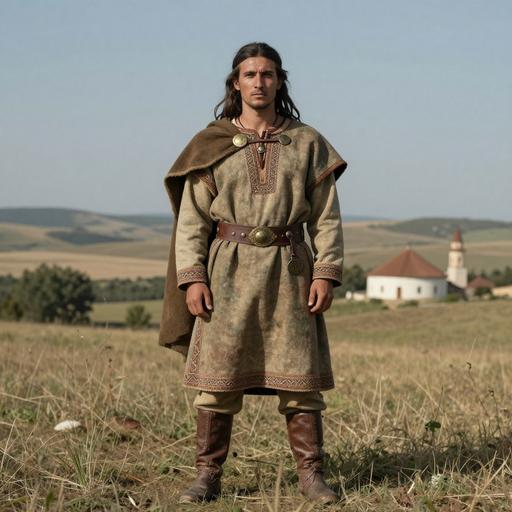
Reconstructed portrait of Commoner individual, Hajdú-Bihar County. Sárrétudvari-Hízóföld, Hungary (900-1,000 CE)
Commoner individual, Hungary
Hungary Hungary Conqueror Commoner 900-1000 CE Magyar Commoner Culture C4a1 Direct
Chapter VI

Carrier Distribution Map

Geographic distribution of 100 ancient DNA samples (direct and subclade carriers of C4A1)

Direct carrier Subclade carrier
Time Period Filter
All Time Periods
Showing all samples
Chapter VII

Temporal Distribution

Distribution of carriers across archaeological periods

Chapter VIII

Geographic Distribution

Distribution by country of origin (direct and subclade carriers shown by default)

Chapter IX

Country × Era Distribution

Cross-tabulation of carrier countries and archaeological periods (direct and subclade carriers shown by default)

Data

Data & Provenance

Source information and data quality

Last Updated 2026-06-14
Confidence Score 50/100
Coverage Low
Data Source

We use the latest phylotree for MTDNA haplogroup classification and data.