Geographic Spread and Settlement Patterns
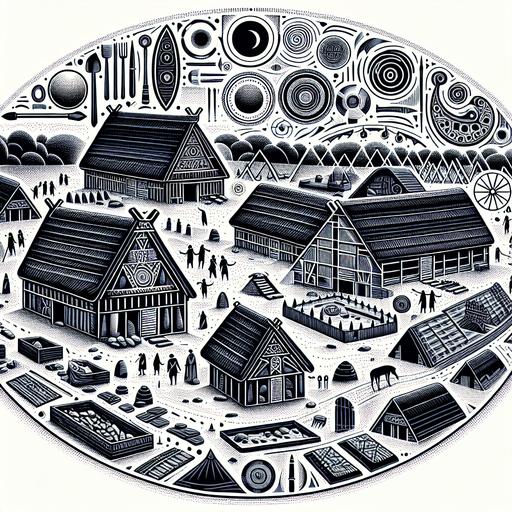
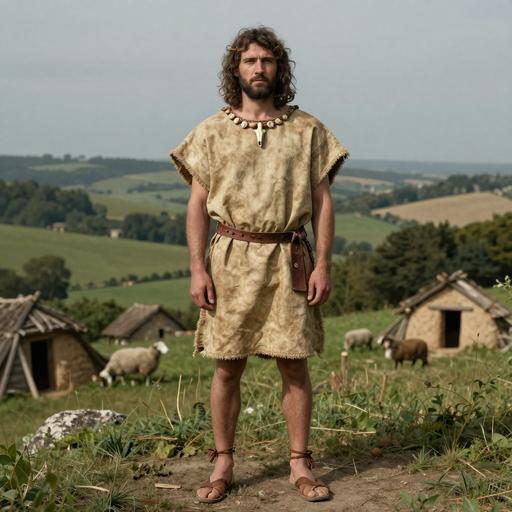
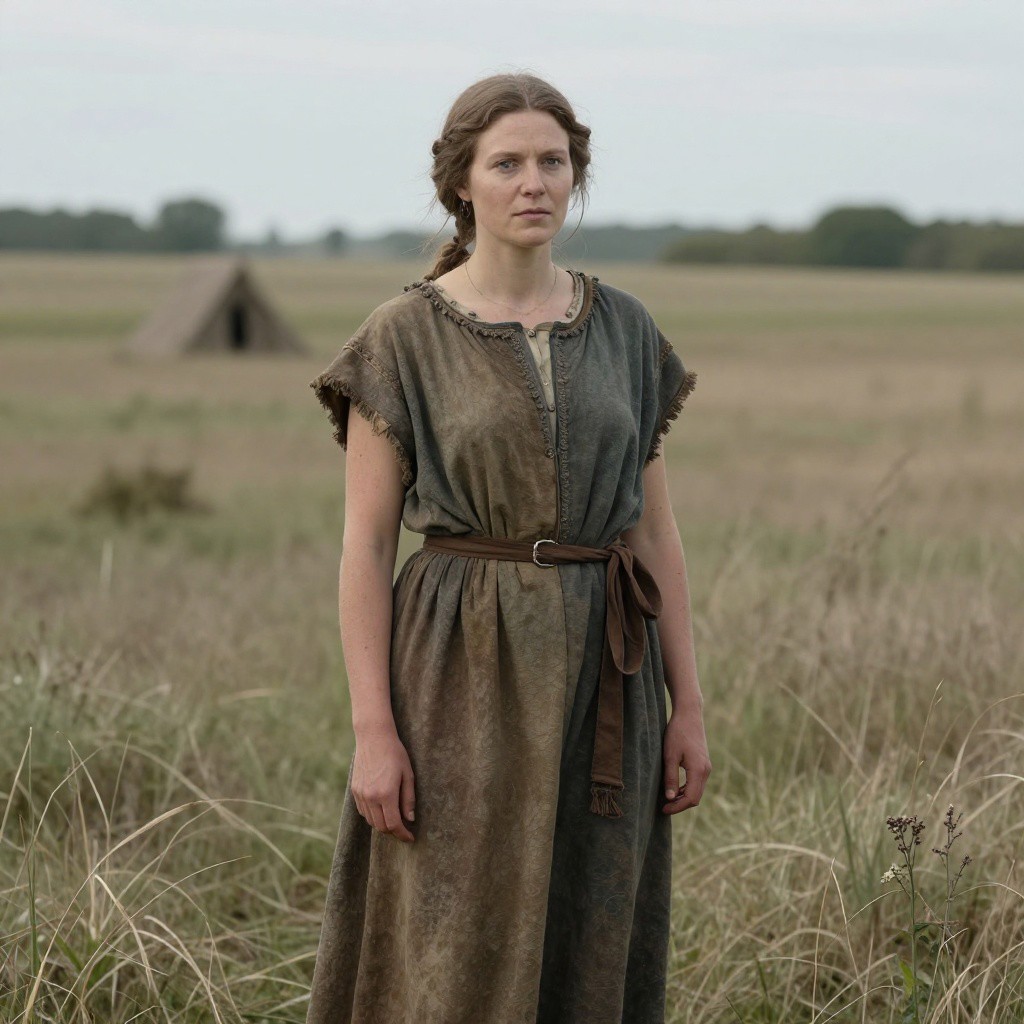
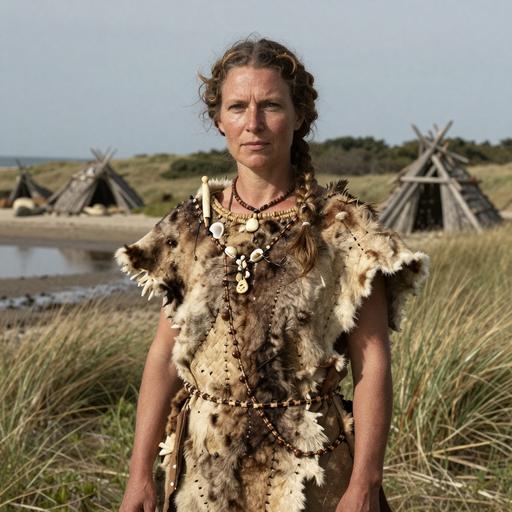
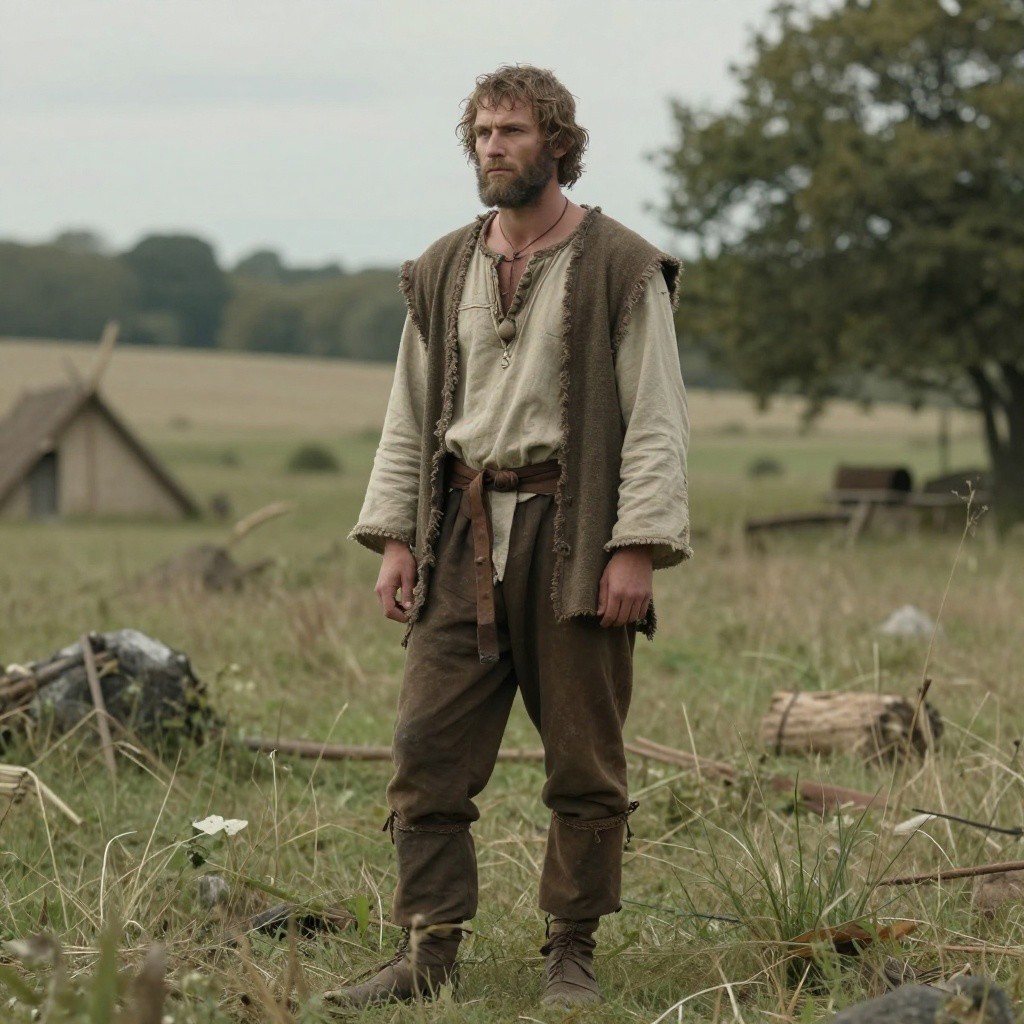
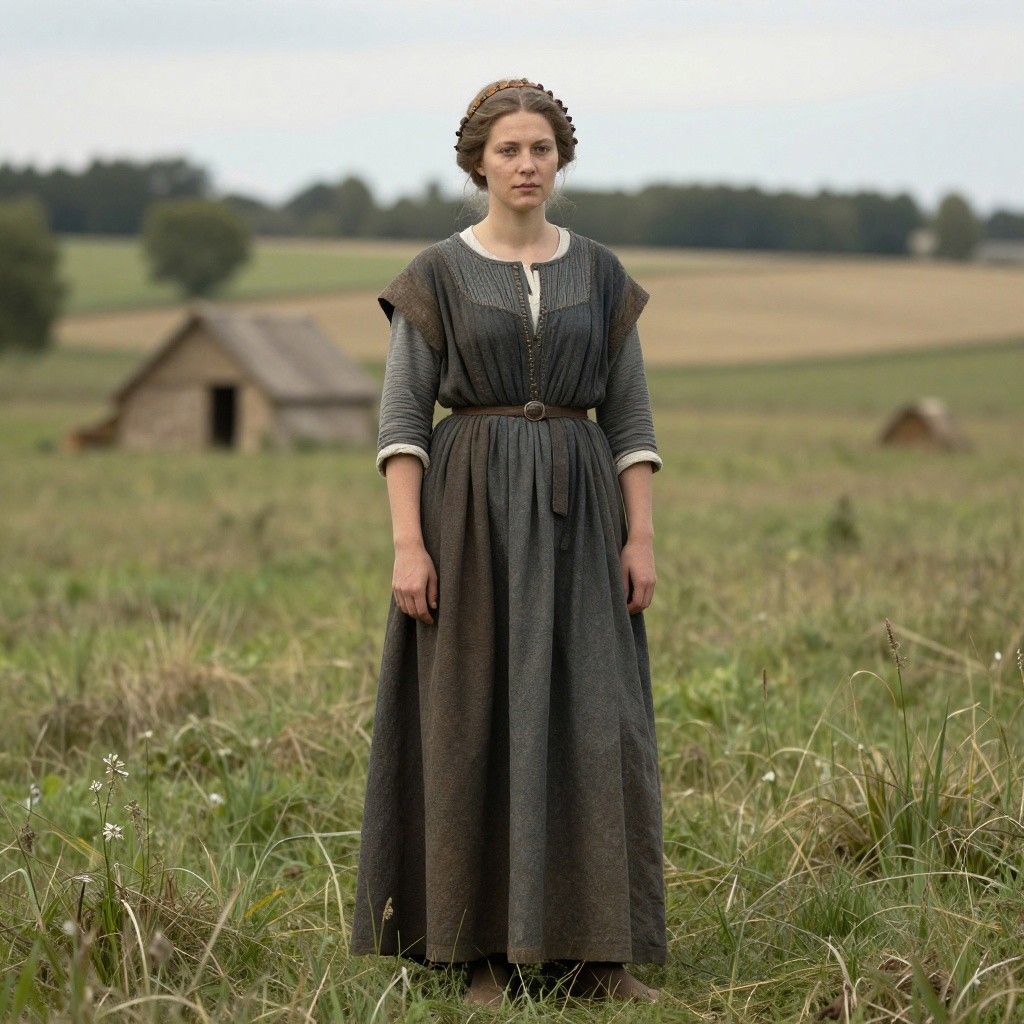
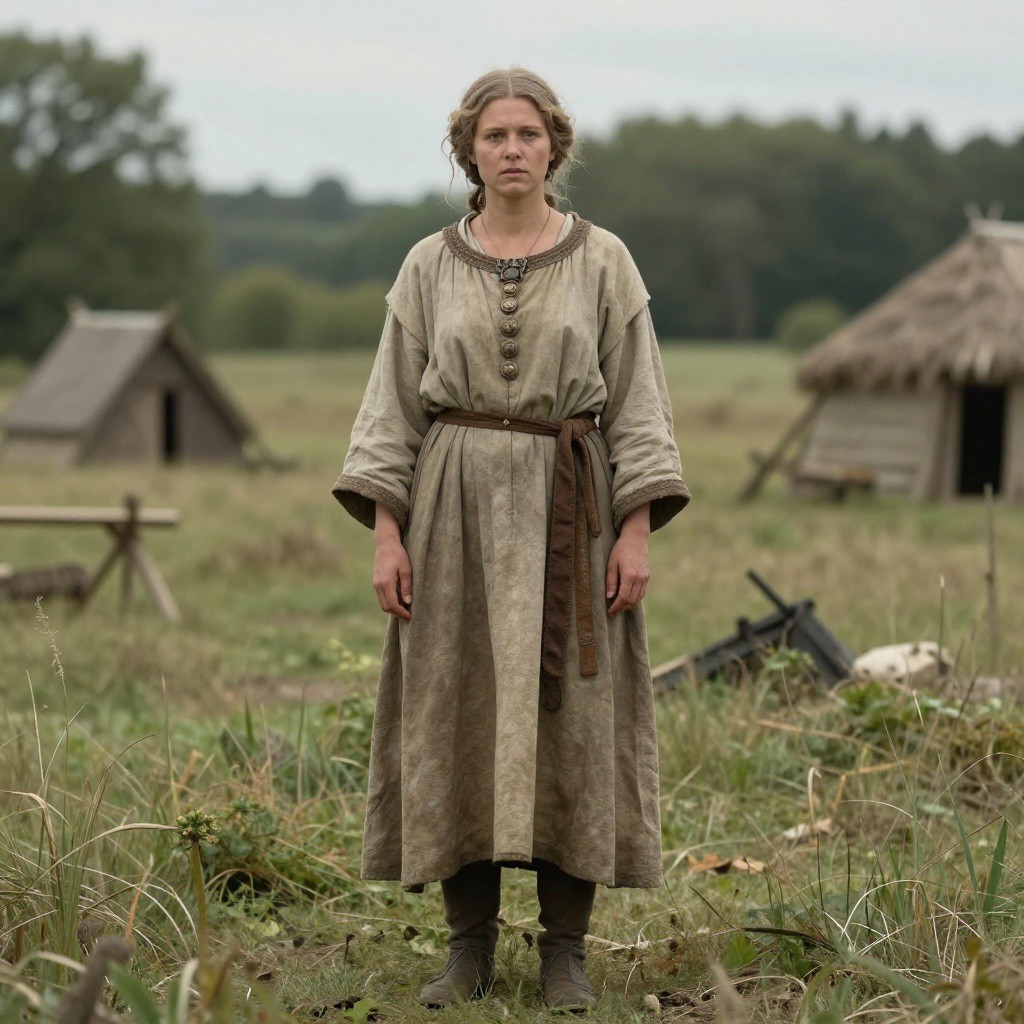
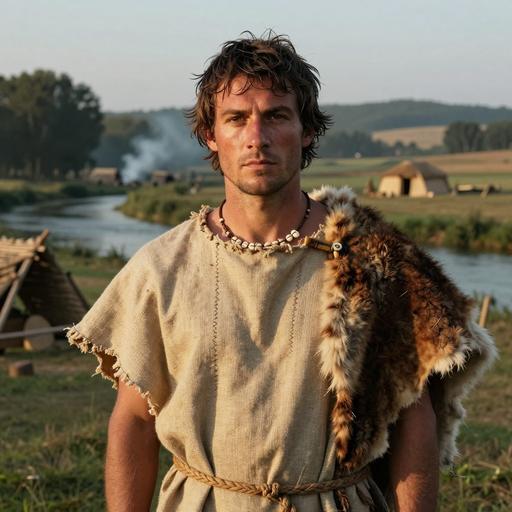
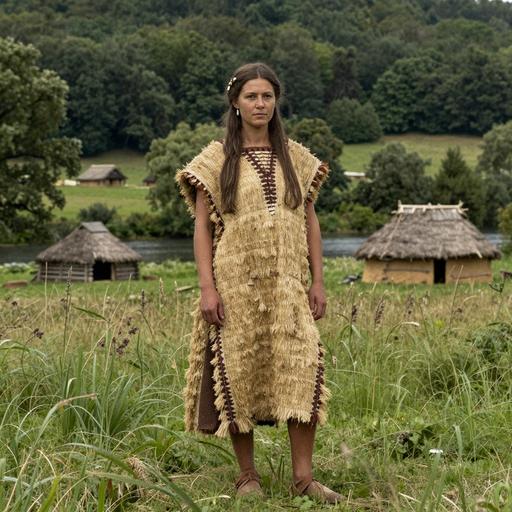
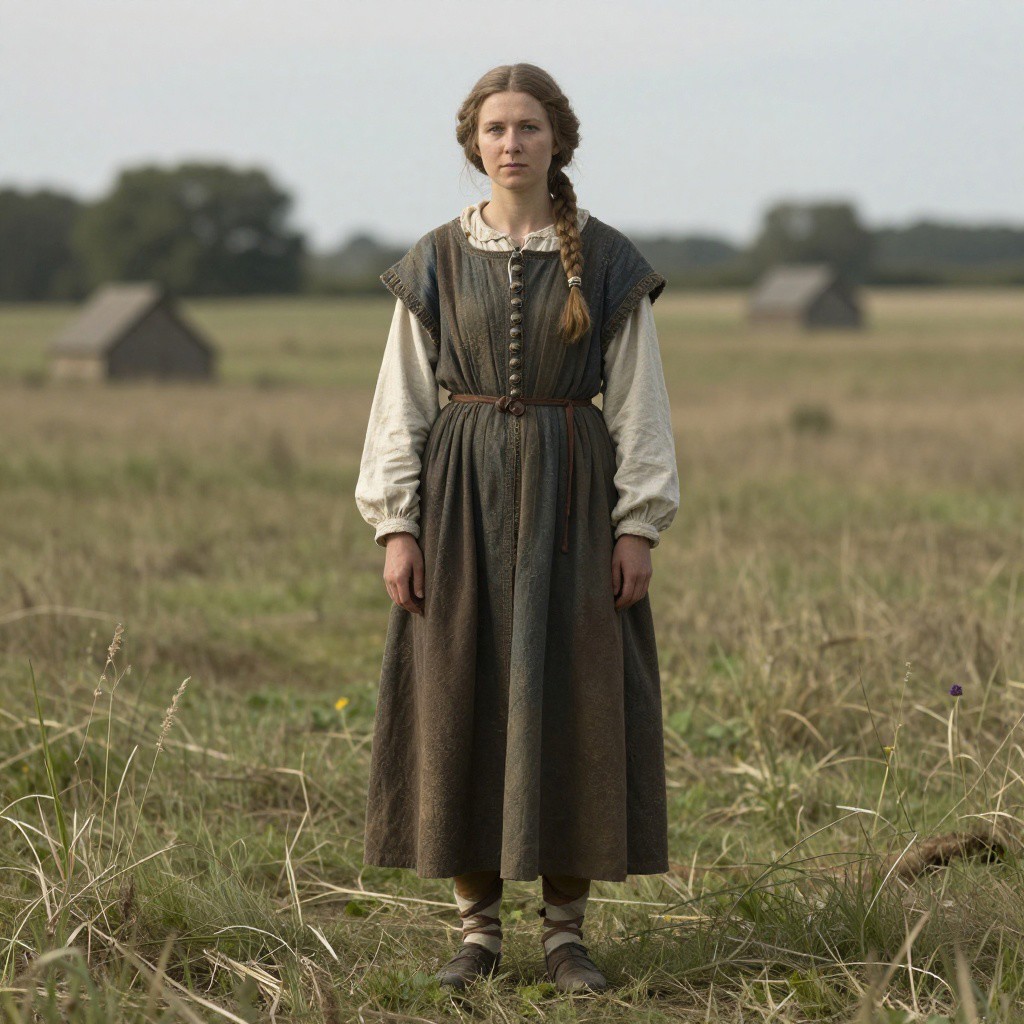
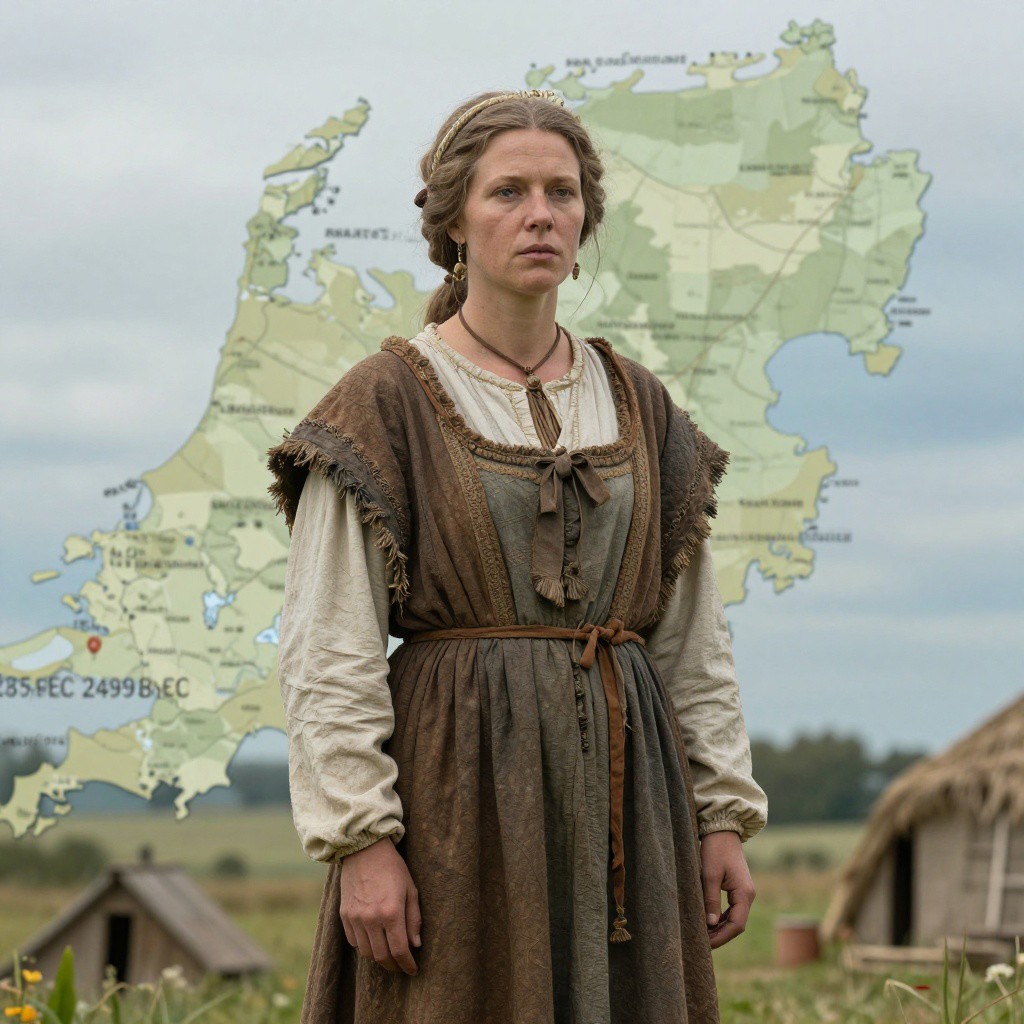
The Bell Beaker Culture in the Netherlands primarily spread throughout the lower river valleys and the coastal regions, where the landscape provided a hospitable environment for agriculture and settlement. The river systems such as the Rhine and Meuse were crucial for sustaining communities, offering fertile land and facilitating trade and communication. Settlements were generally small, comprising several households clustered together, often in proximity to water sources.
Material Culture
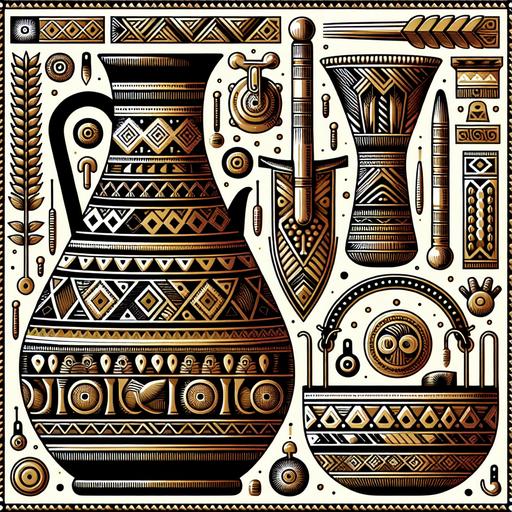
Pottery: The hallmark of the Bell Beaker Culture is its pottery, characterized by bell-shaped vessels. These were intricately decorated with linear motifs, geometric patterns, and occasionally zoned or banded designs, achieved through techniques such as stamping, incision, and cord-impression.
Tools and Metallurgy: Communities in the Netherlands during the Bell Beaker period witnessed advances in metallurgy, transitioning from stone to metal tools. Copper and gold objects have been discovered, indicating knowledge of metalworking, although bronze became more predominant towards the latter part of the Bell Beaker period.
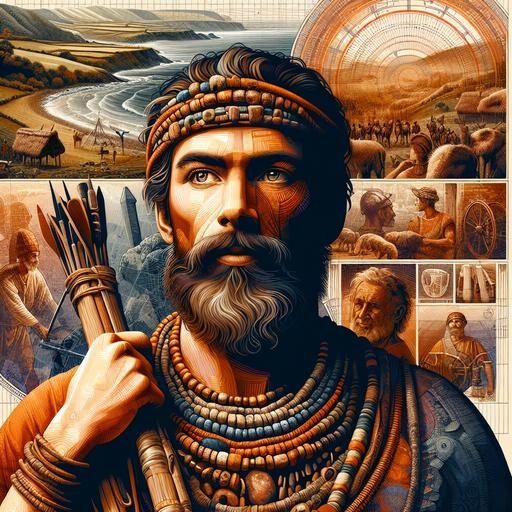
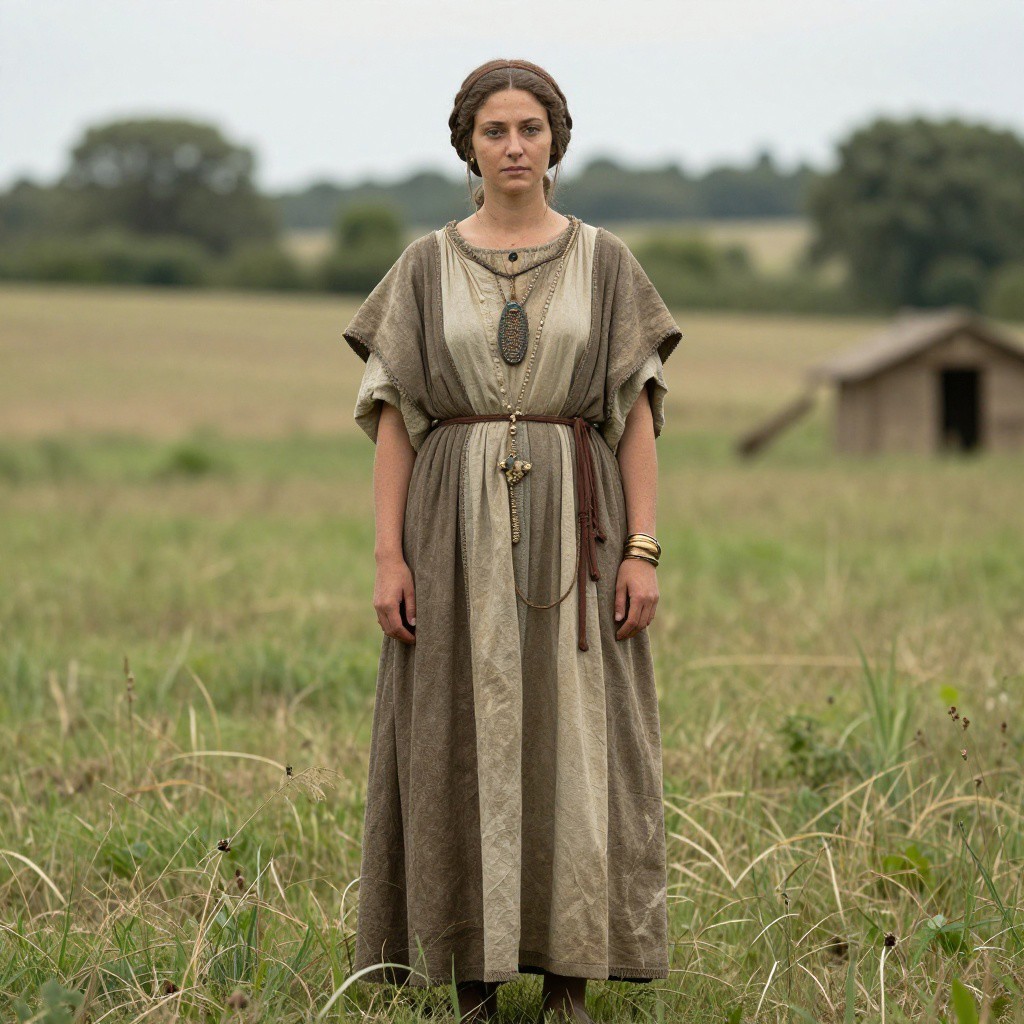
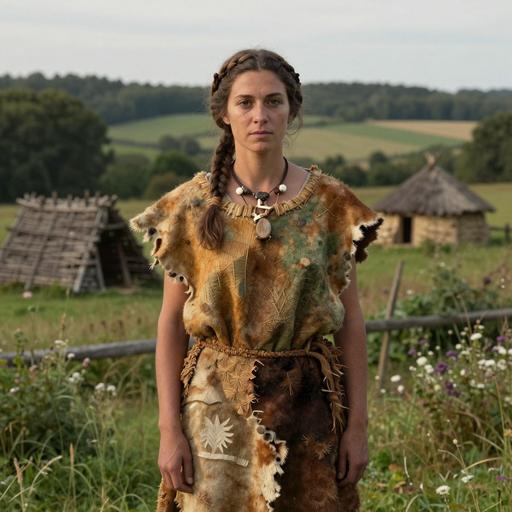
Weapons and Ornaments: Flint arrowheads, daggers, and wrist guards are frequently found in burials, illustrating the martial aspect of Bell Beaker society and their engagement in hunting. Personal adornments, such as beads and pendants made from bone, amber, and gold, reflect a society where social status could be expressed through material wealth.
Subsistence and Economy
The Bell Beaker communities in the Netherlands practiced mixed farming, incorporating both crop cultivation and animal husbandry. Evidence indicates the cultivation of wheat and barley, alongside the keeping of cattle, sheep, and pigs. This diversified subsistence strategy was well-suited to the varied landscape of the region and contributed to the economic stability and growth of Bell Beaker societies.
Trade and exchange networks were also vital aspects of the Bell Beaker economy. The distribution of artifacts such as pottery, metals, and raw materials across vast regions points to the existence of extensive trade routes. Amber from the Baltic Sea and exotic items from as far as the British Isles and Central Europe have been found in Bell Beaker contexts in the Netherlands, and this connectivity likely facilitated cultural exchange and innovation.
Social Structure and Burial Practices
The social structure of Bell Beaker societies appears to have been relatively hierarchical, with status differences indicated by grave goods and burial types. Burials were individual, often in flat graves or small barrows, with a significant number showing care in their preparation. Grave goods included pottery, tools, ornaments, and weapons, suggestive of the deceased’s status, occupation, or community role. High-status individuals might be interred with richer assemblages of items, possibly reflecting their roles as leaders or elites within the community.
Cultural and Regional Influence
The Bell Beaker Culture in the Netherlands was part of a broader cultural trend across Europe, exhibiting both shared characteristics and unique regional variations. Interactions with neighboring cultures, such as the Corded Ware and Funnelbeaker cultures, introduced new ideas and practices, which were synthesized into the local Bell Beaker tradition. This era was characterized by both continuity and change, as elements of earlier Neolithic traditions blended with new influences brought by Bell Beaker peoples.
Decline and Legacy
The decline of the Bell Beaker Culture in the Netherlands, around 1800 BCE, gave rise to the ensuing Bronze Age cultures, which inherited many of its technological and cultural innovations. While the precise reasons for the transition are still debated, factors such as climatic changes, shifts in trade networks, and the integration into broader Bronze Age social systems likely played roles.
In conclusion, the Bell Beaker Culture in the Netherlands stands as a significant period of prehistoric development, notable for its advancements in material culture, social organization, and economic practices. Its legacy continued to shape the societies that followed, contributing to the rich tapestry of European prehistory.