Historical Context
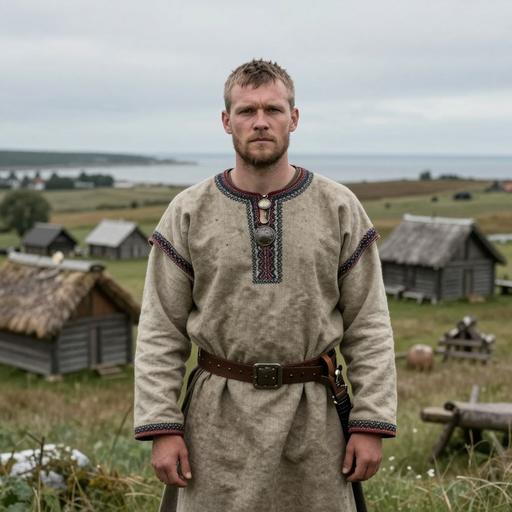
Between about 800 and 1100 CE, Viking-age society in northern Europe expanded through raids, diplomacy, and commerce, while regional polities in Eastern Europe developed alongside these connections. In this wider context, areas in Northern Russia could be reached through water routes and linked to broader exchanges of goods, people, and practices.
Populations & Lifeways
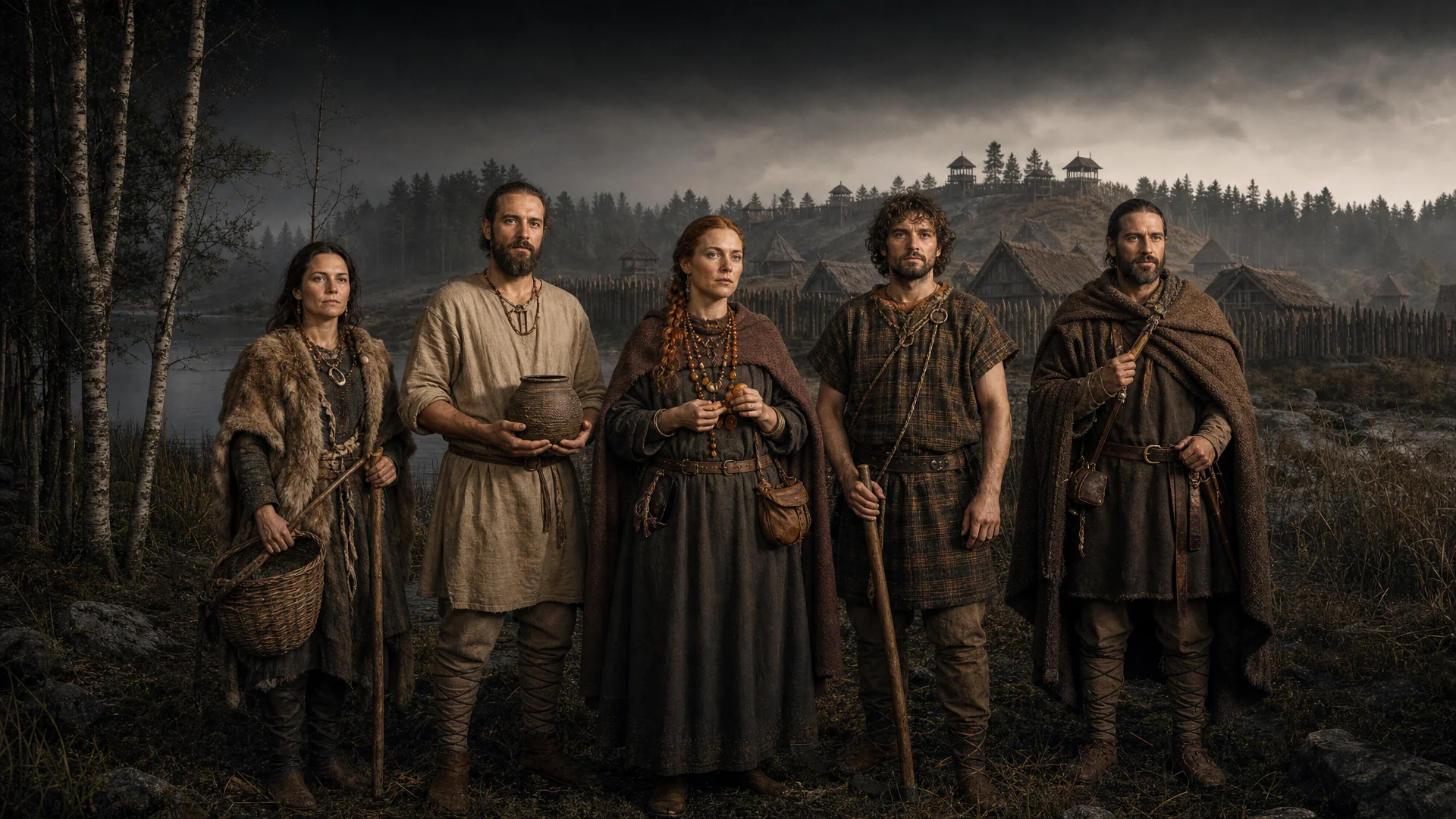
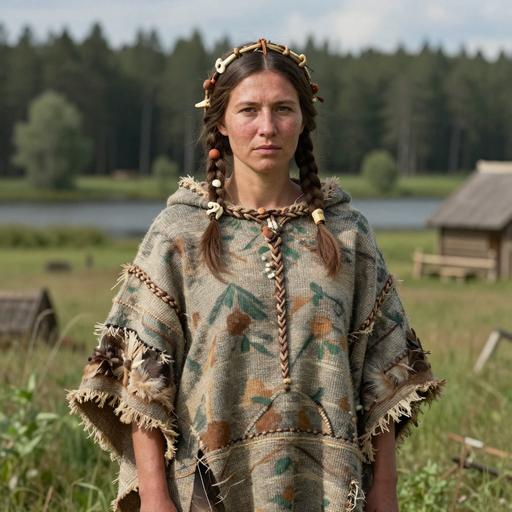
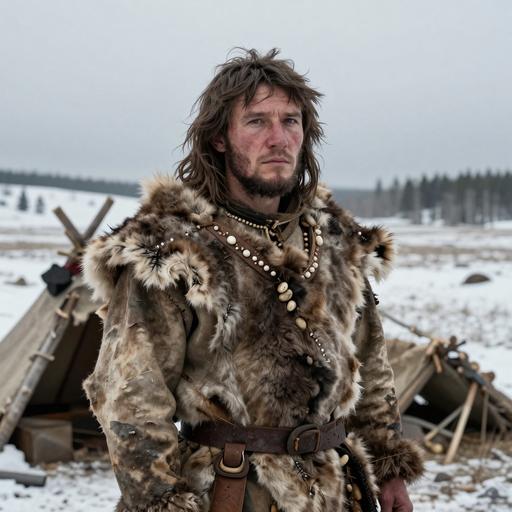
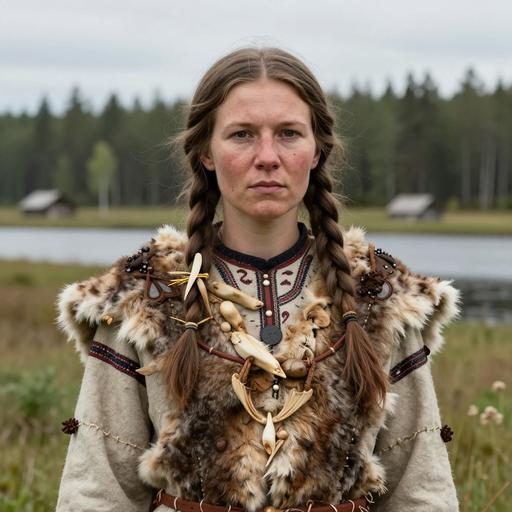
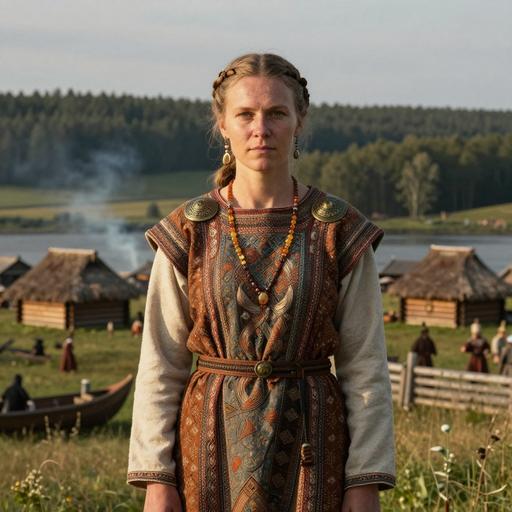
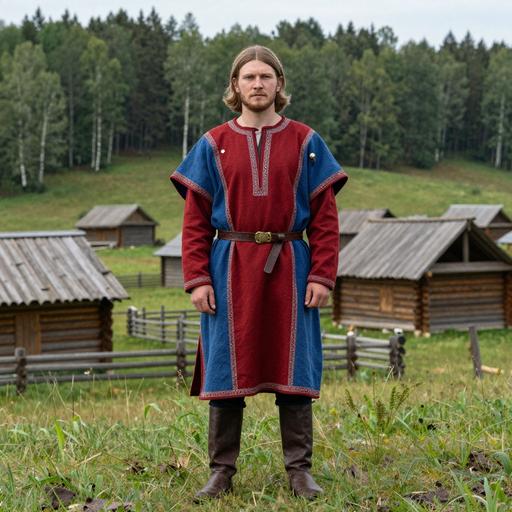
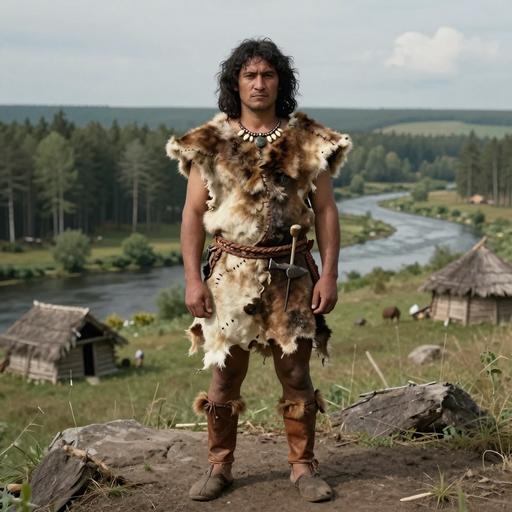
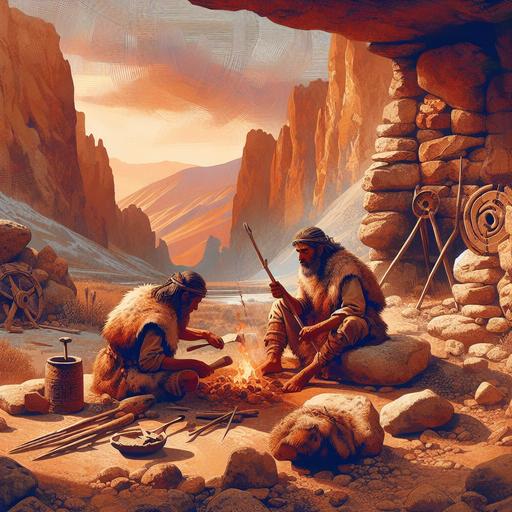
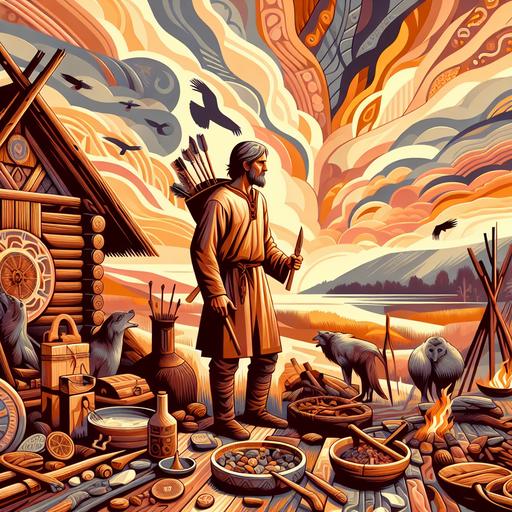
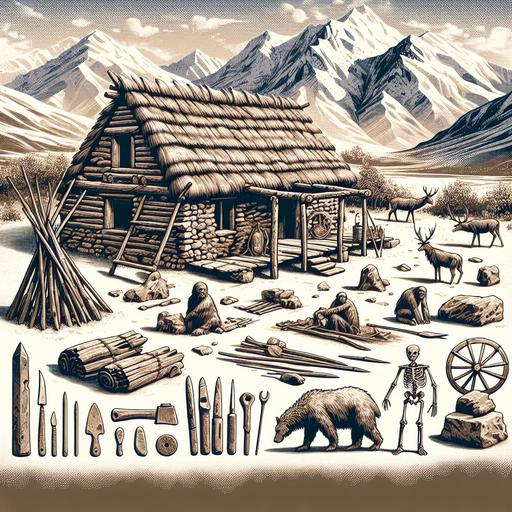
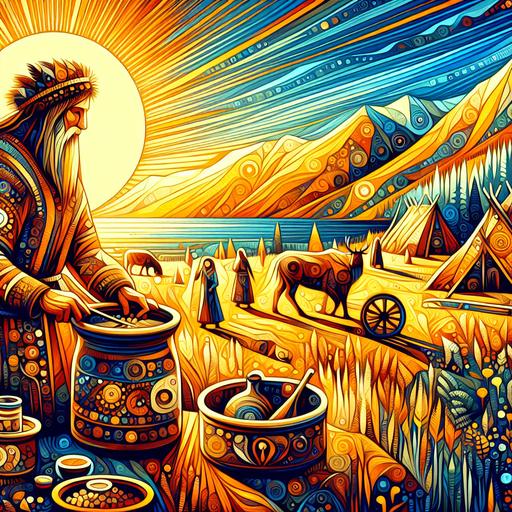
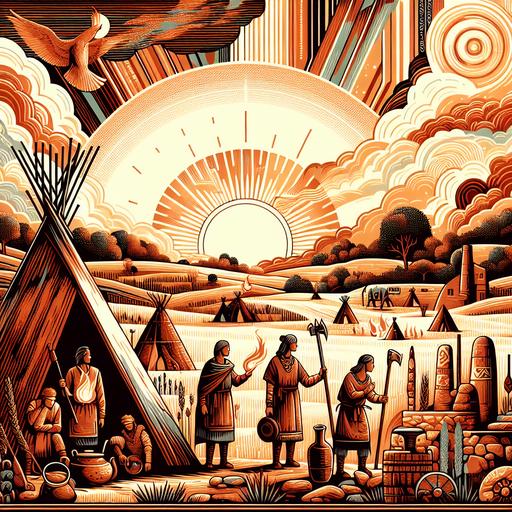
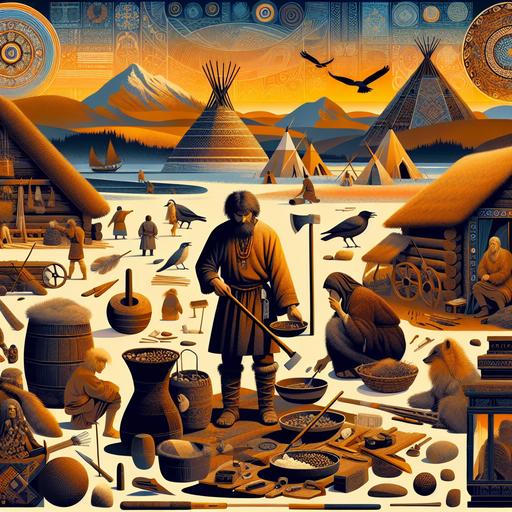
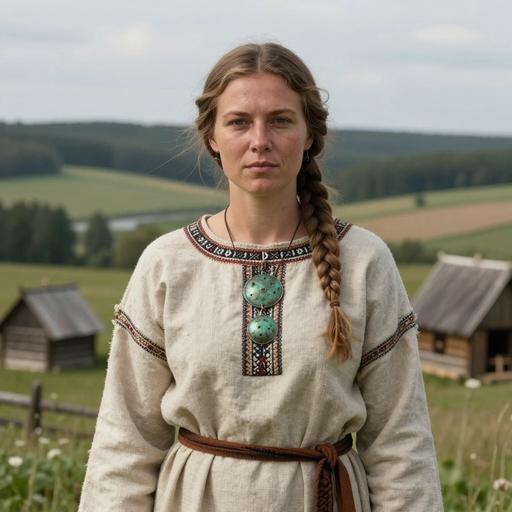
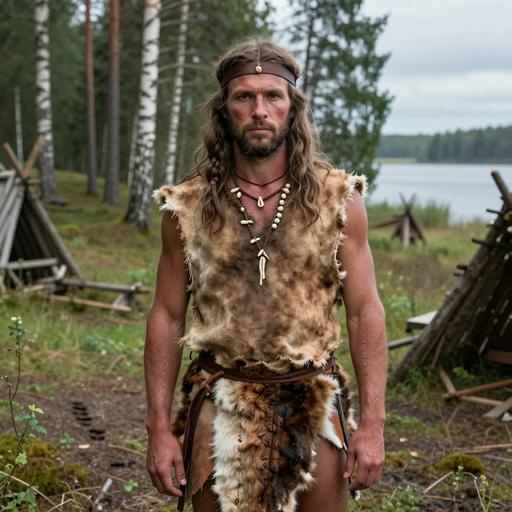
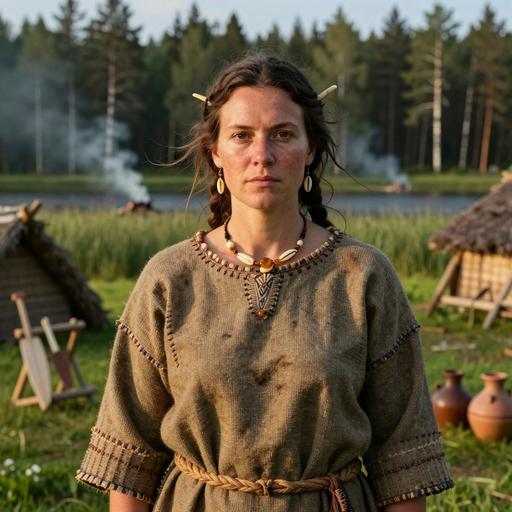
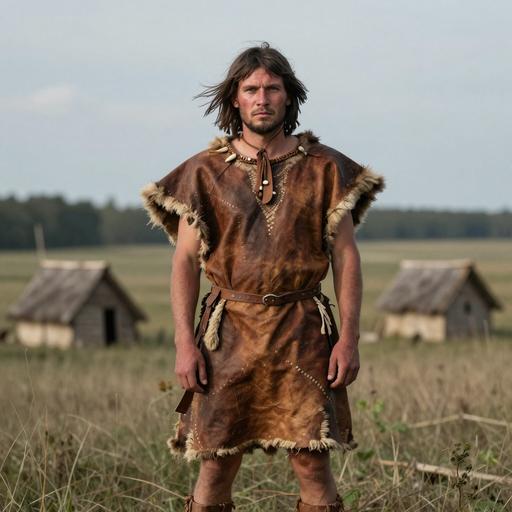
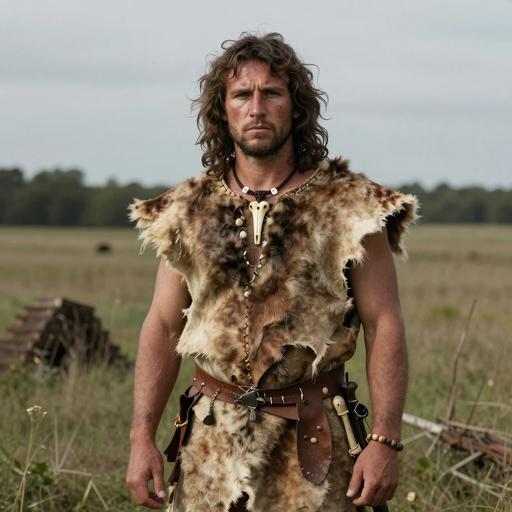
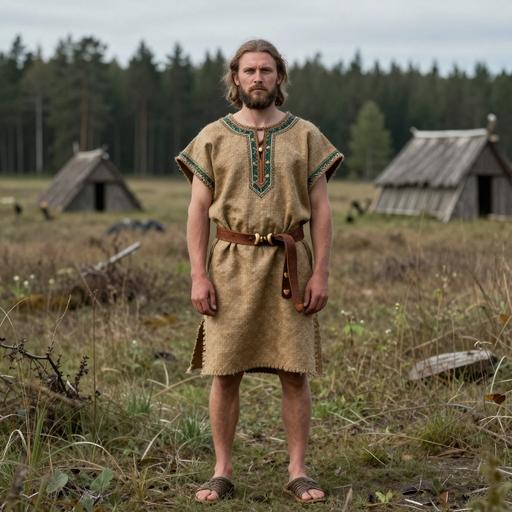
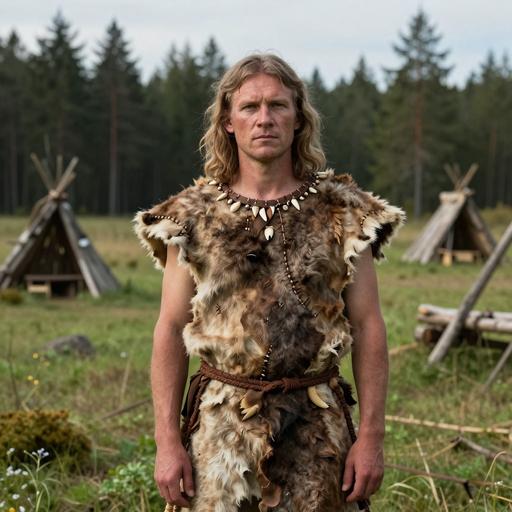
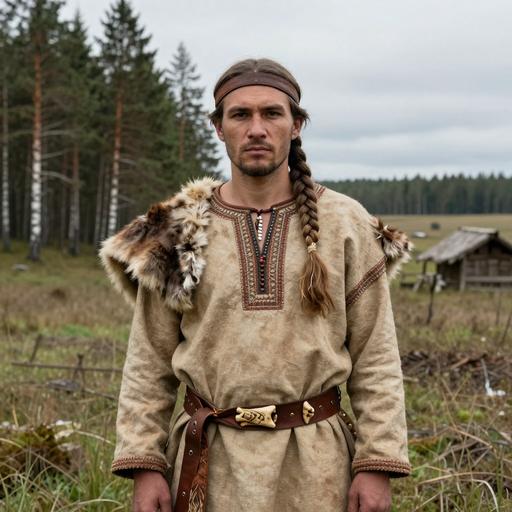
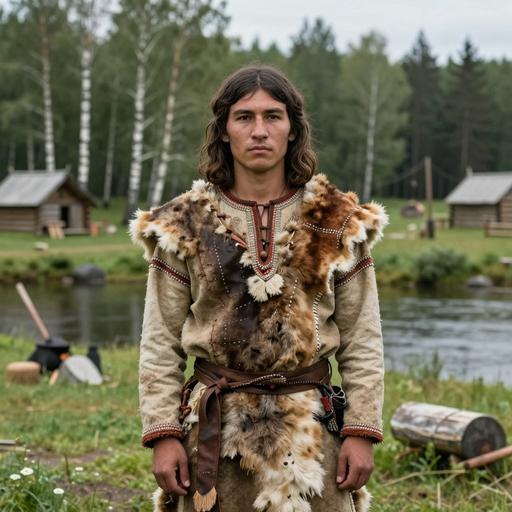
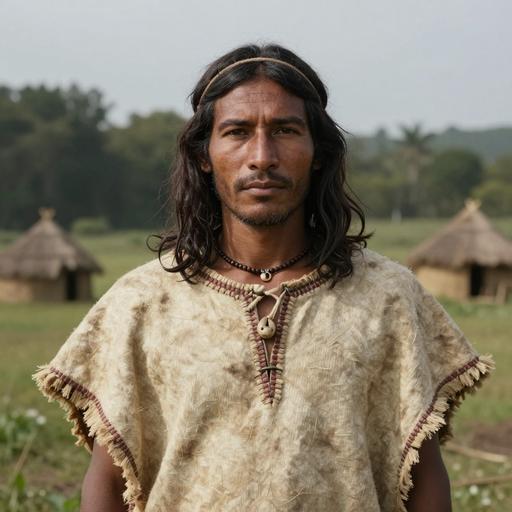
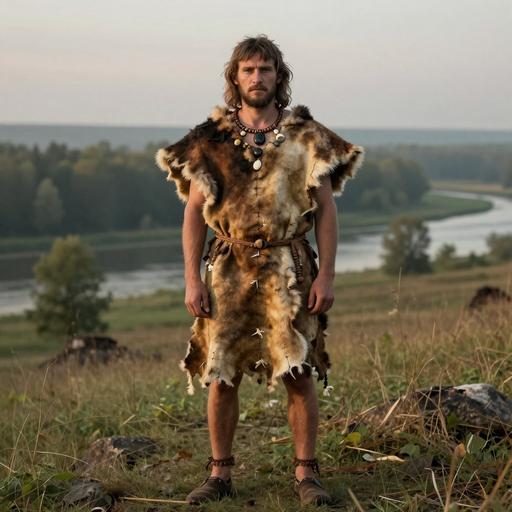
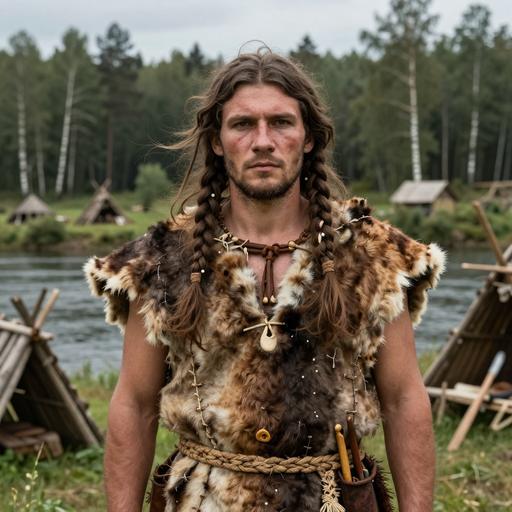
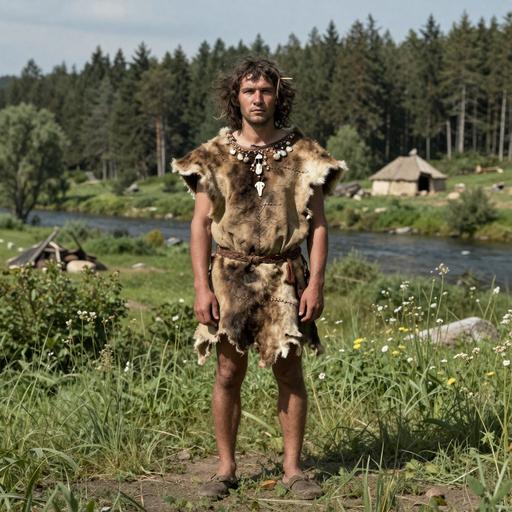
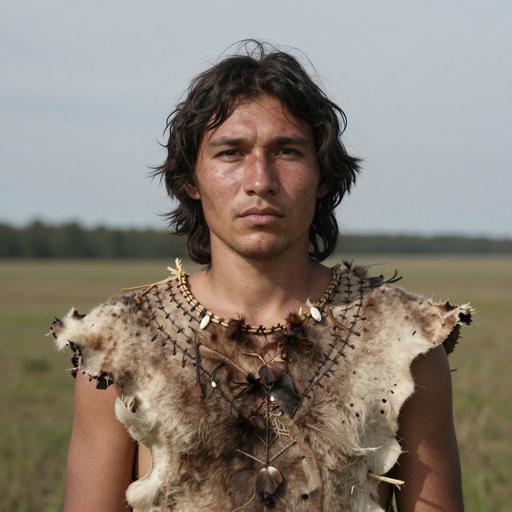
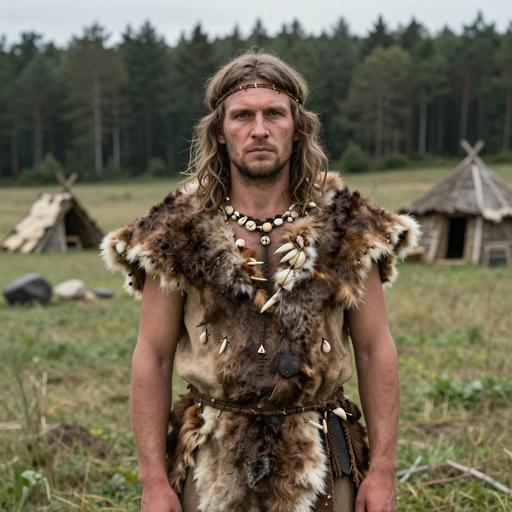
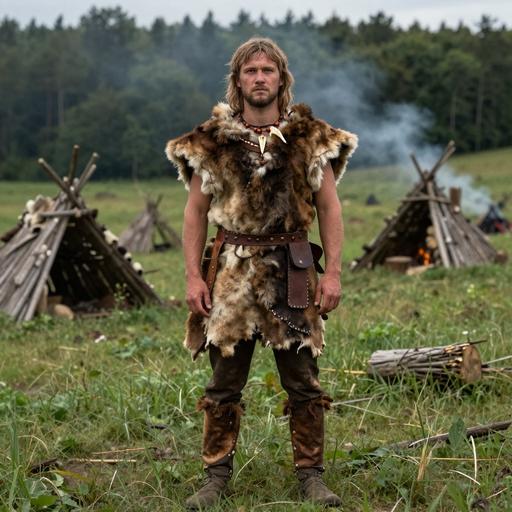
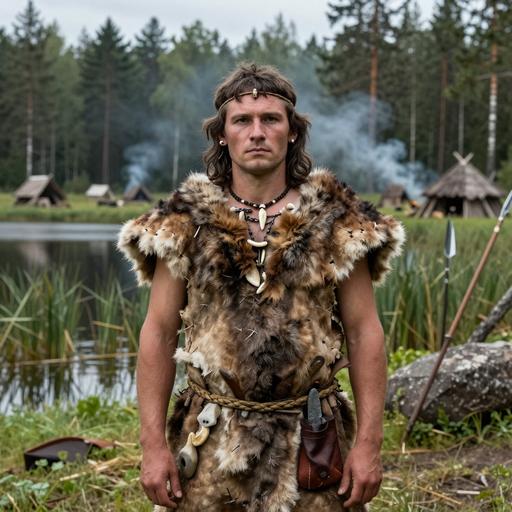
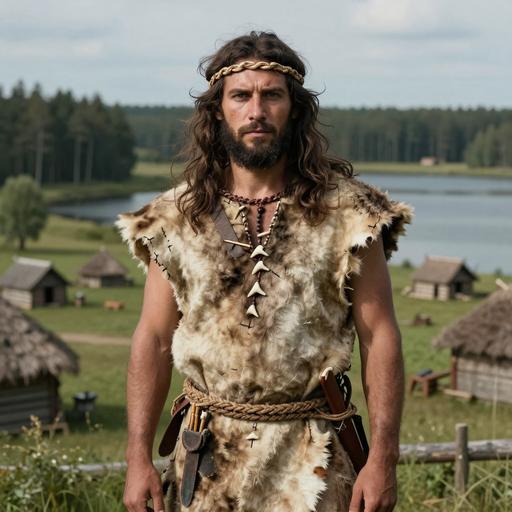
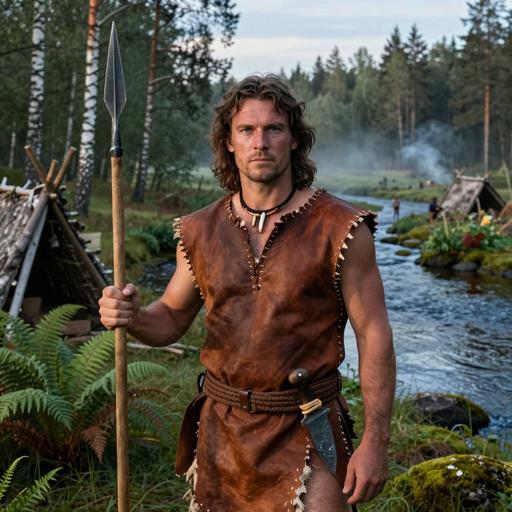
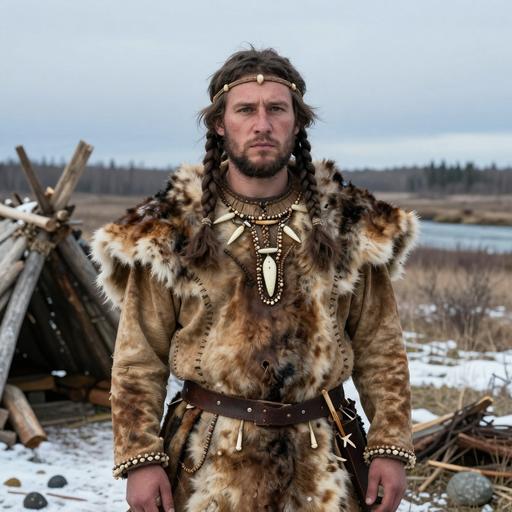
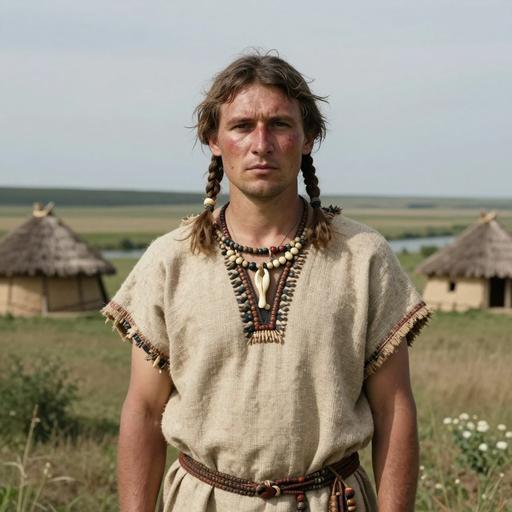
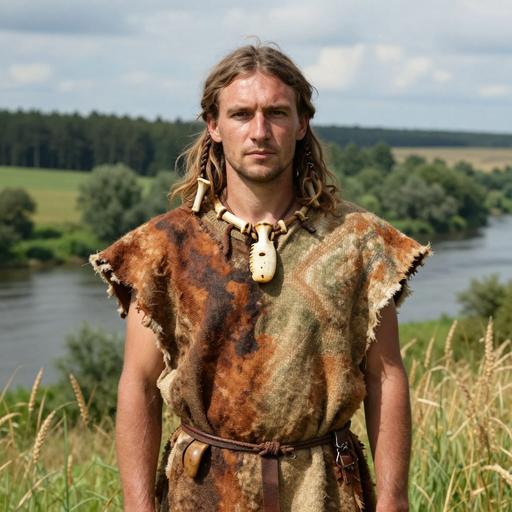
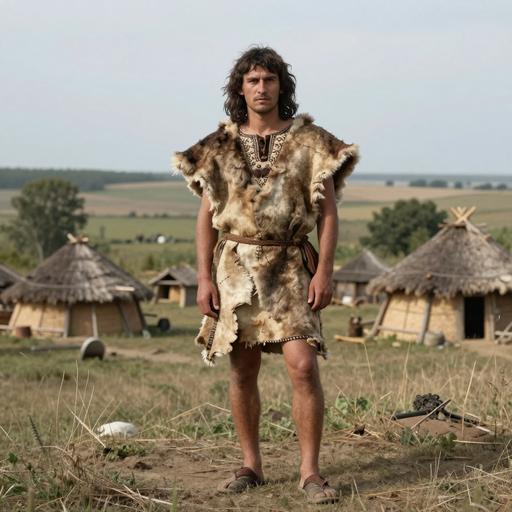
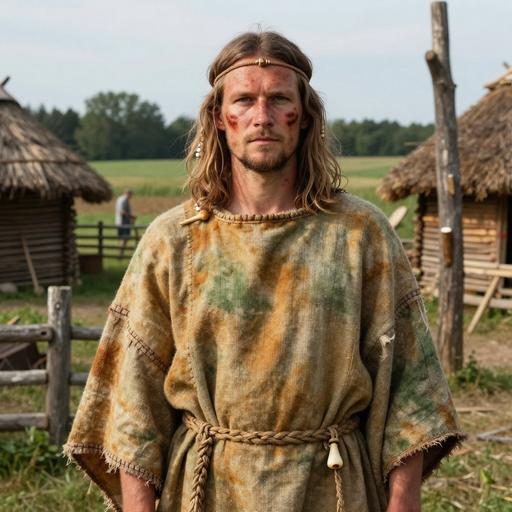
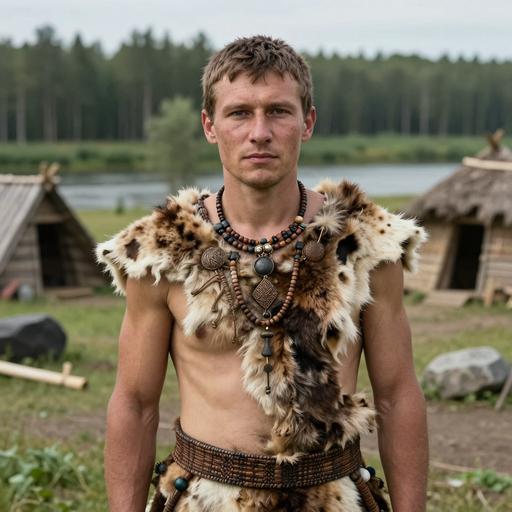
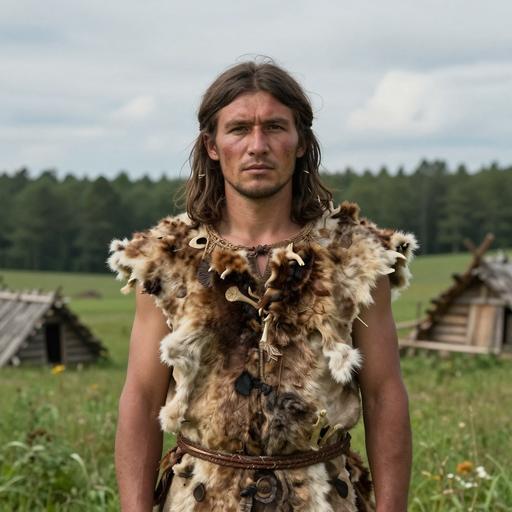
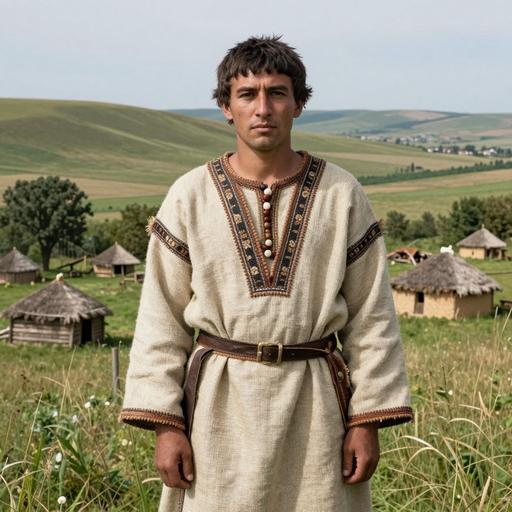
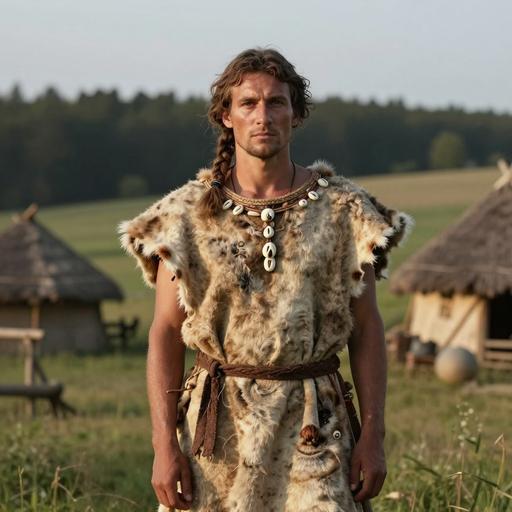
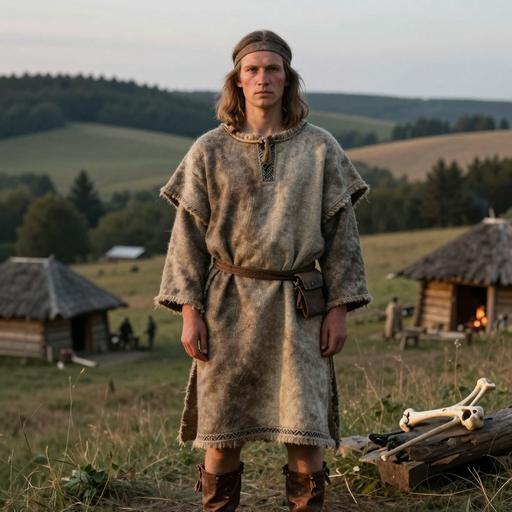
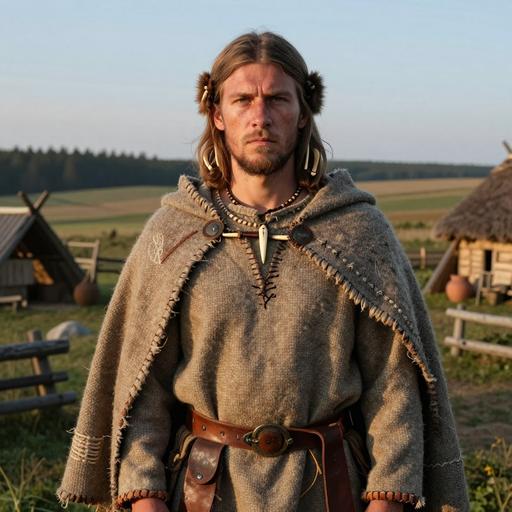
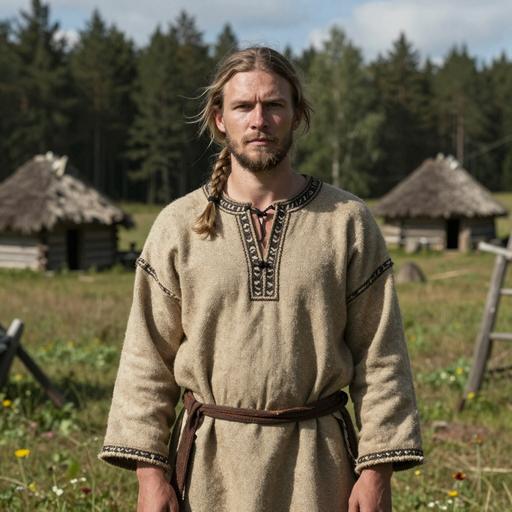
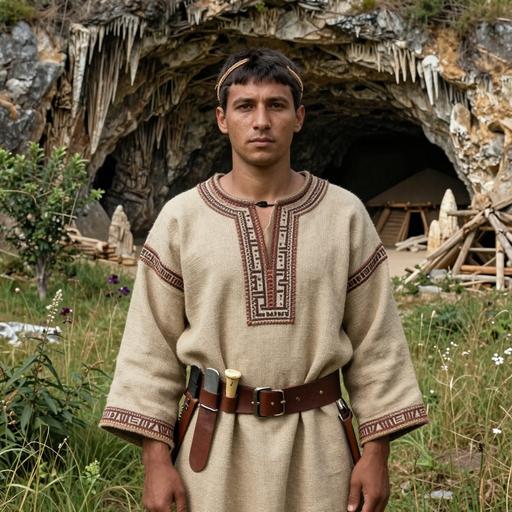
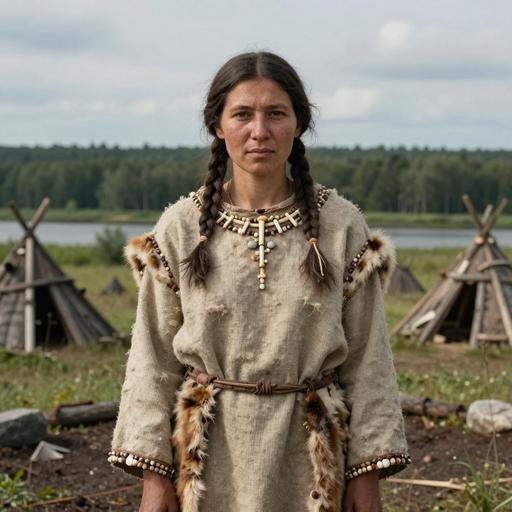
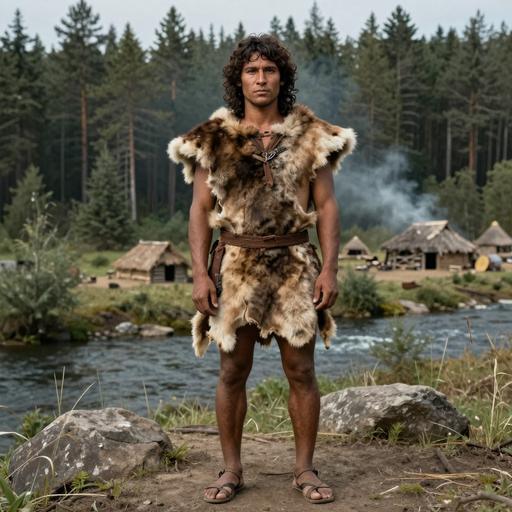
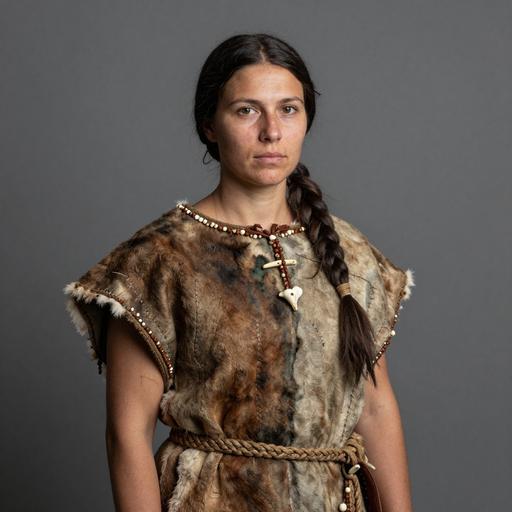
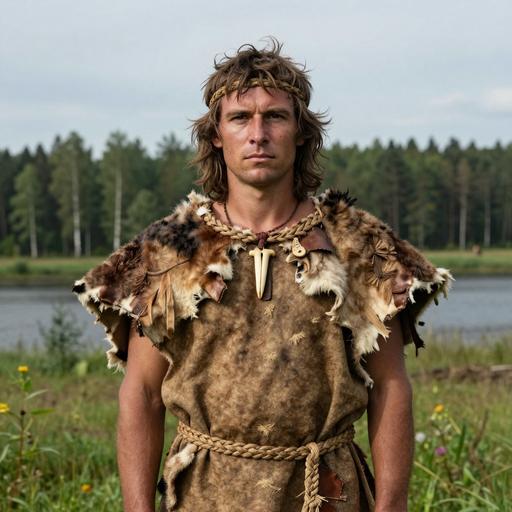
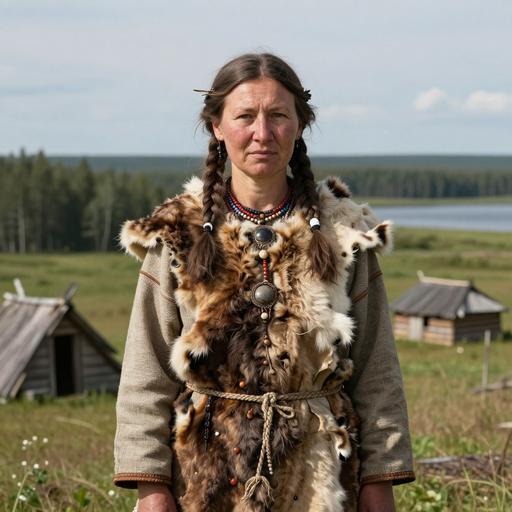
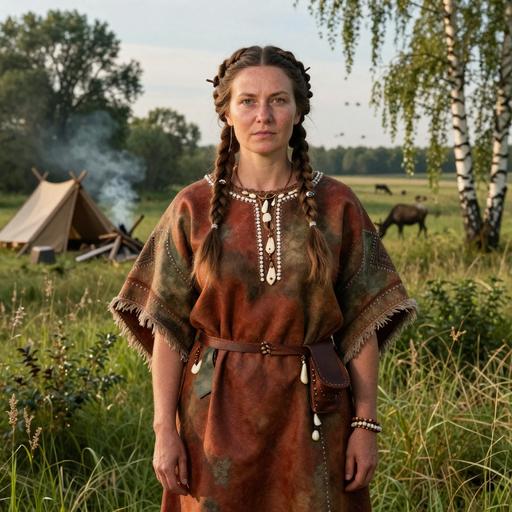
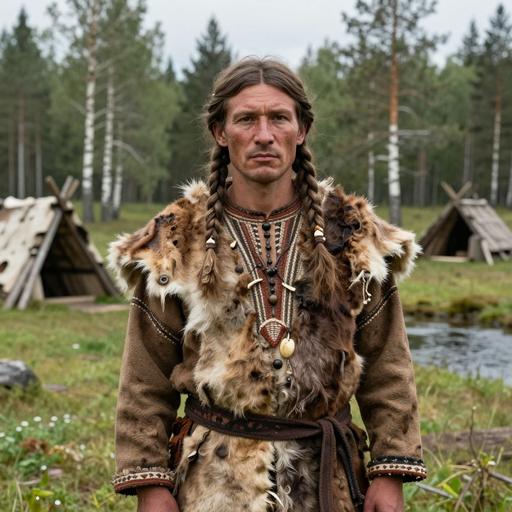
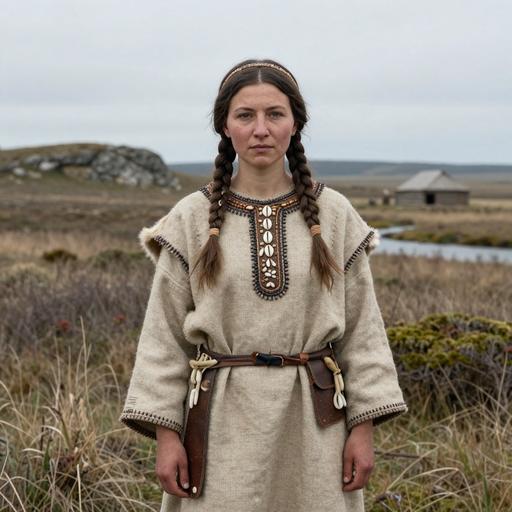
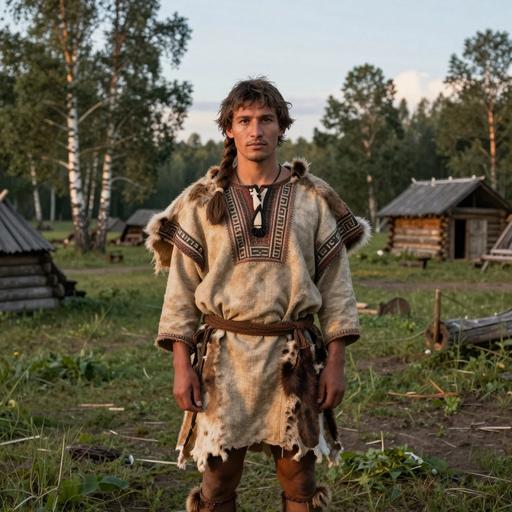
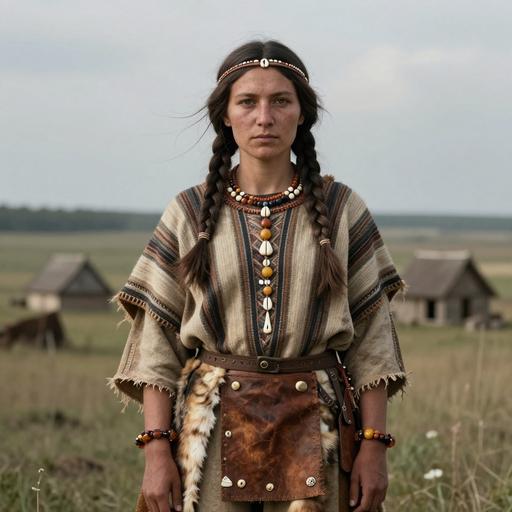
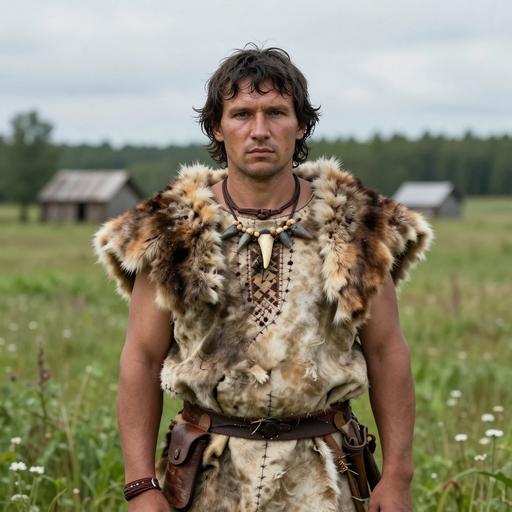
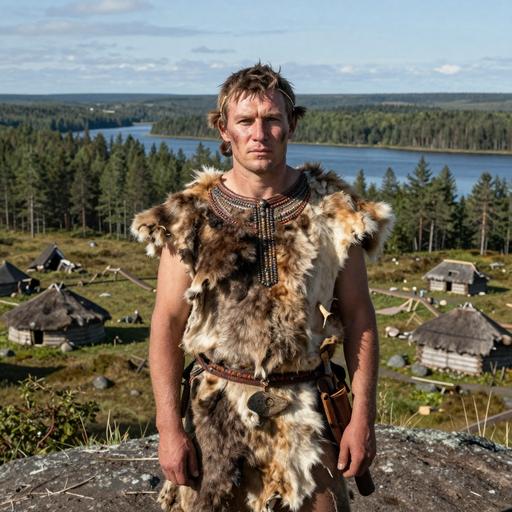
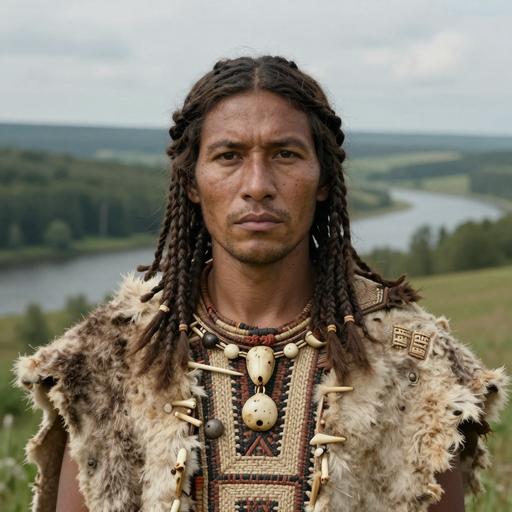
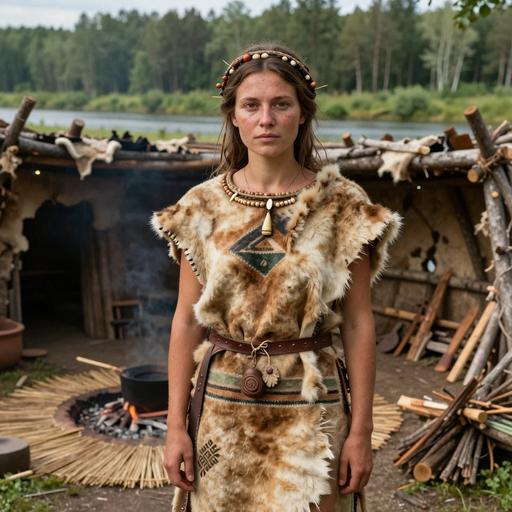
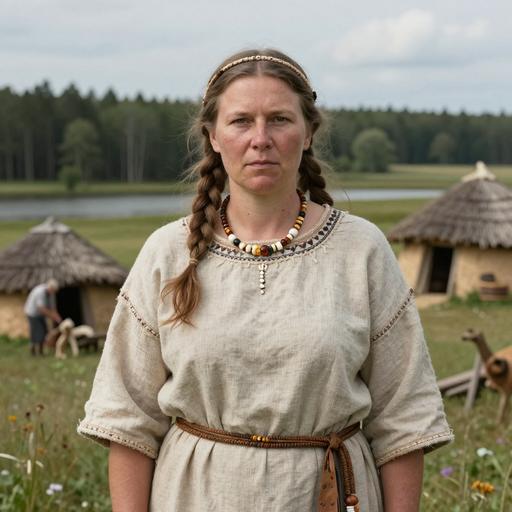
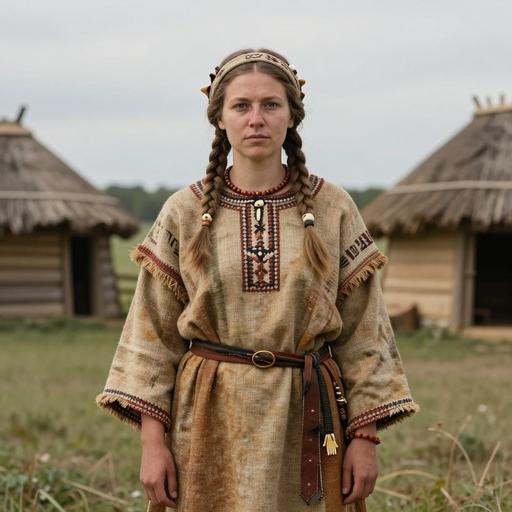
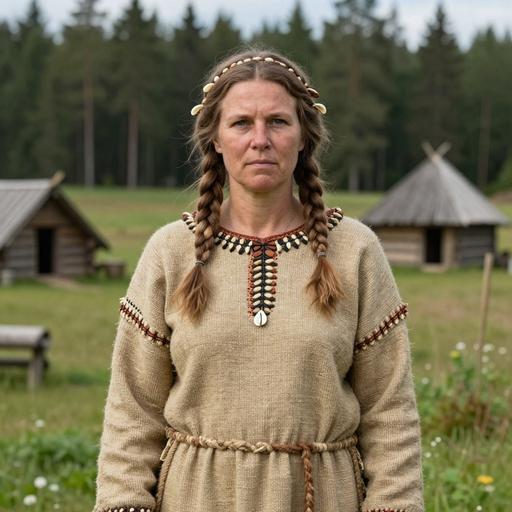
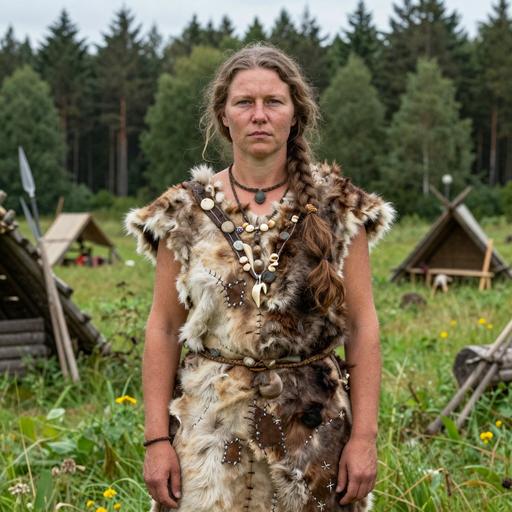
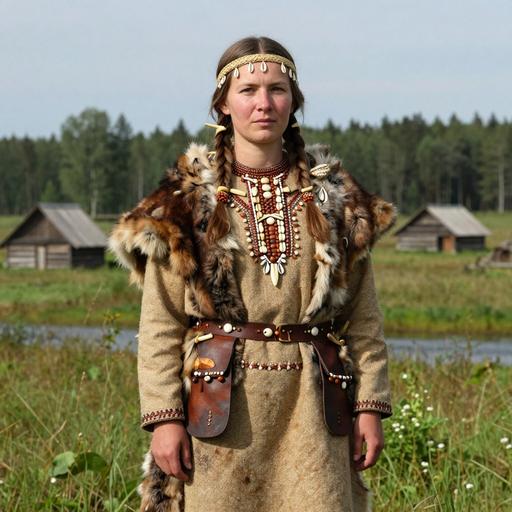
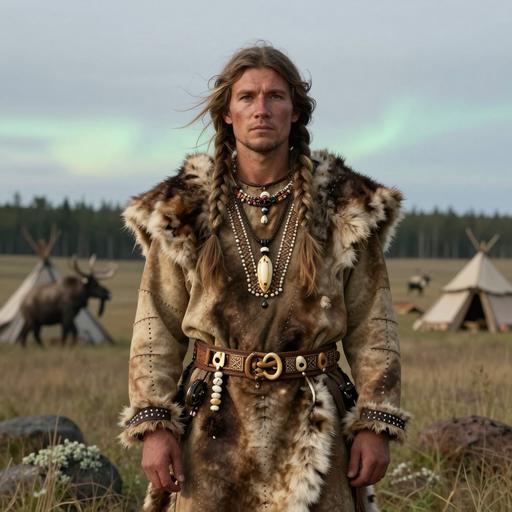
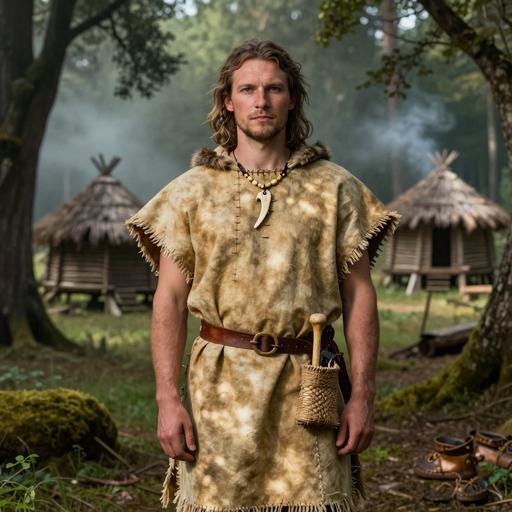
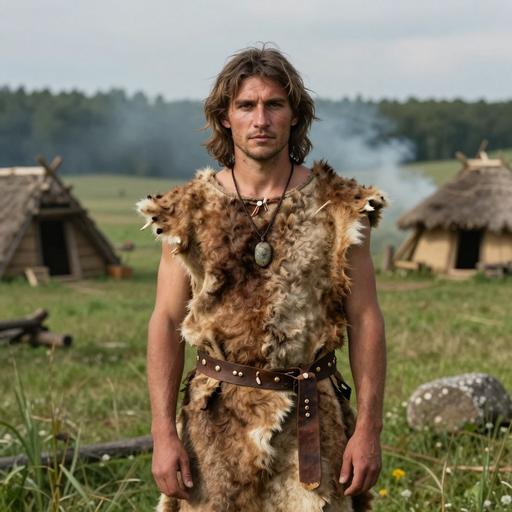
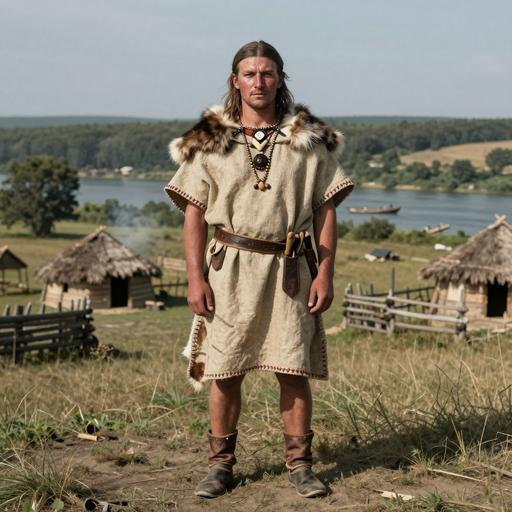
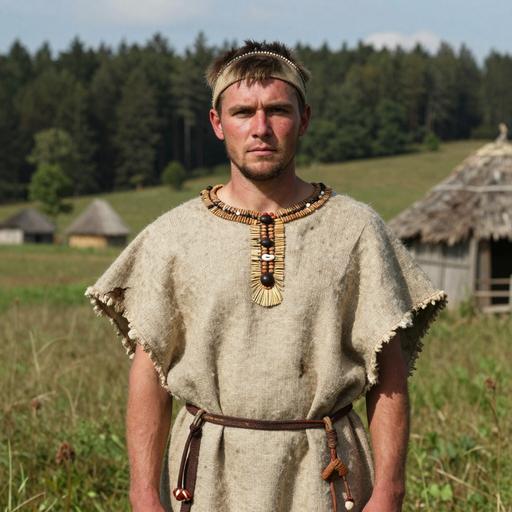
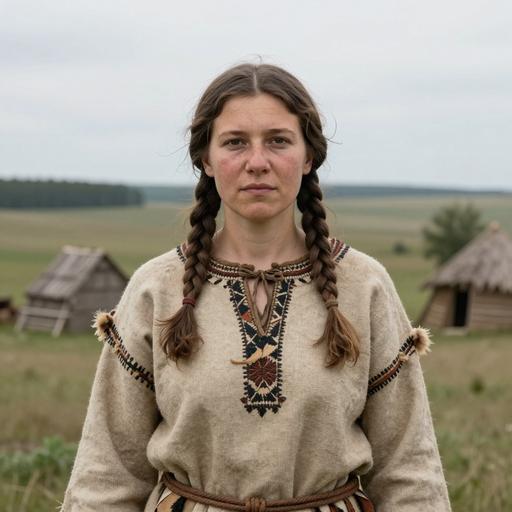
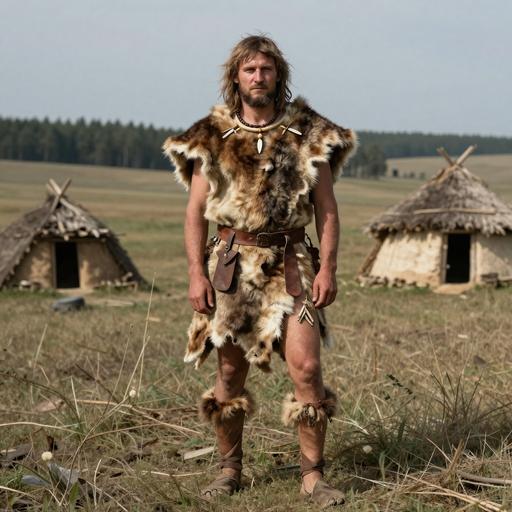
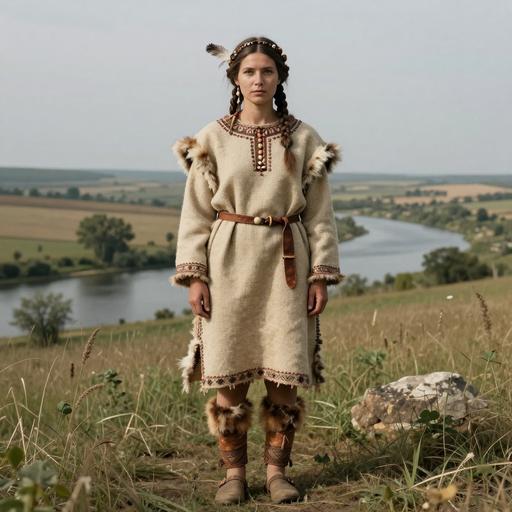
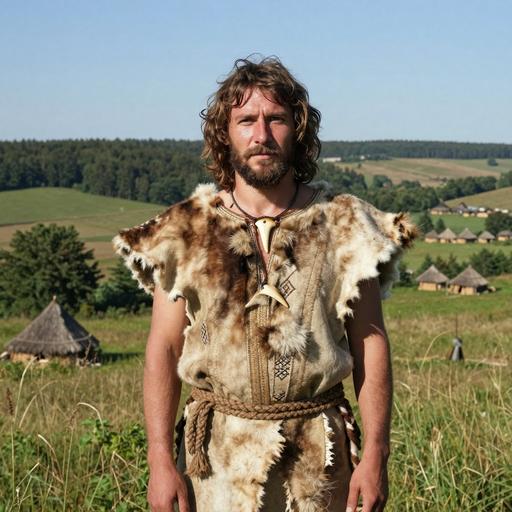
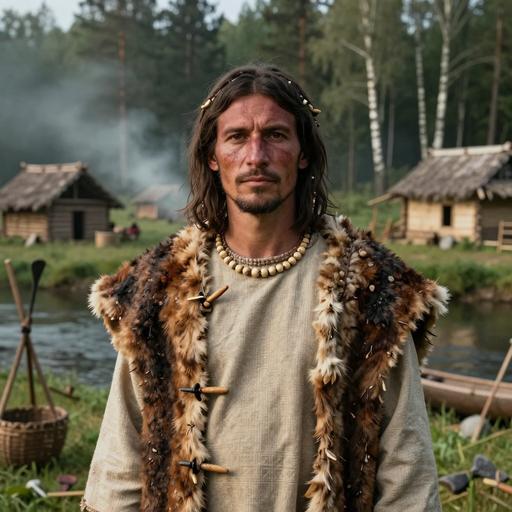
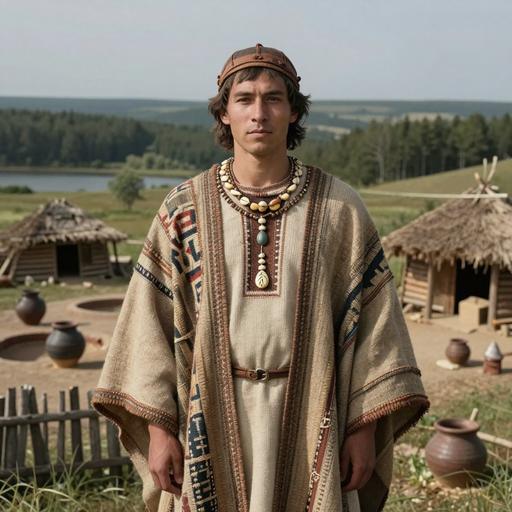
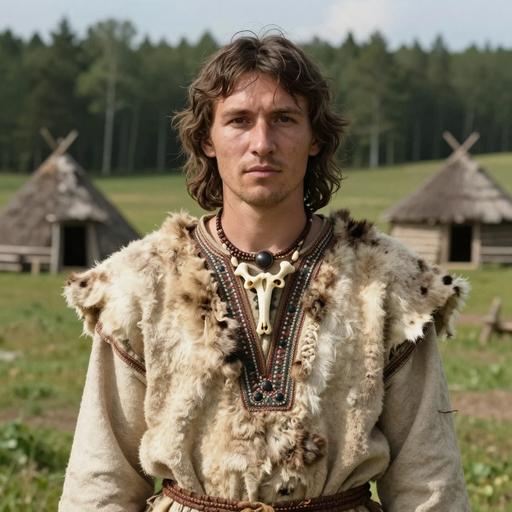
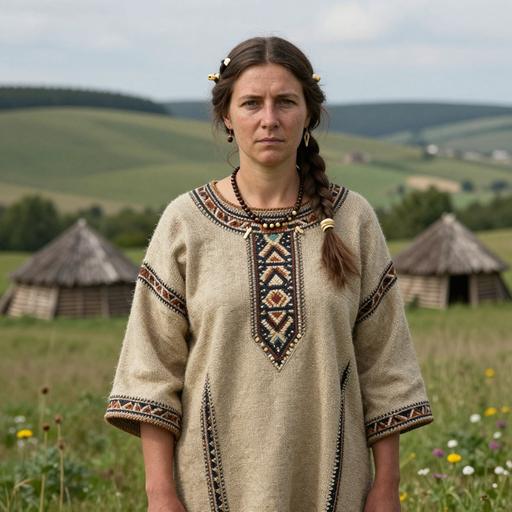
The people of Northern Russia during this period are best understood as local communities living in forest environments, with lifeways centered on hunting, fishing, and forms of agriculture or husbandry where suitable land existed. Settlement patterns likely varied from small farmsteads to larger activity areas near navigable rivers. Contact with Scandinavian groups is often discussed in the larger Eastern European context, though the scale and permanence of such influence could differ from place to place.
Archaeology & Material Culture
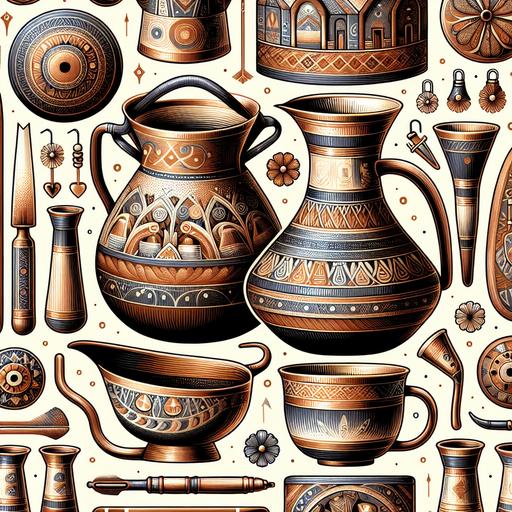
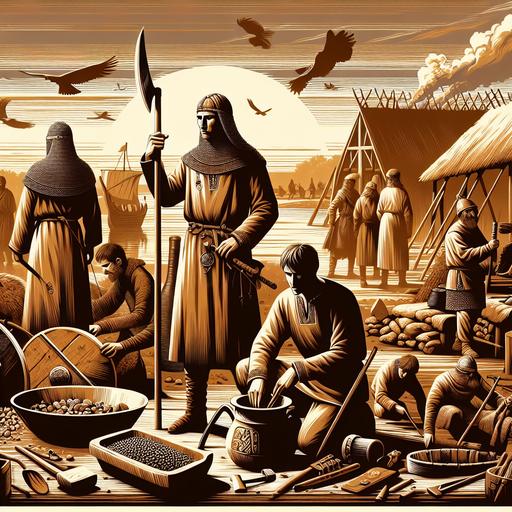
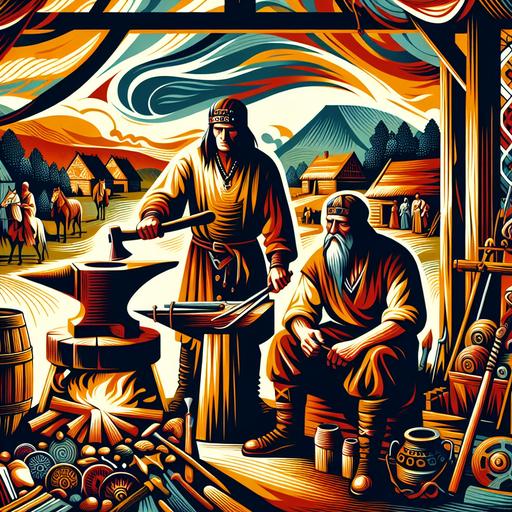
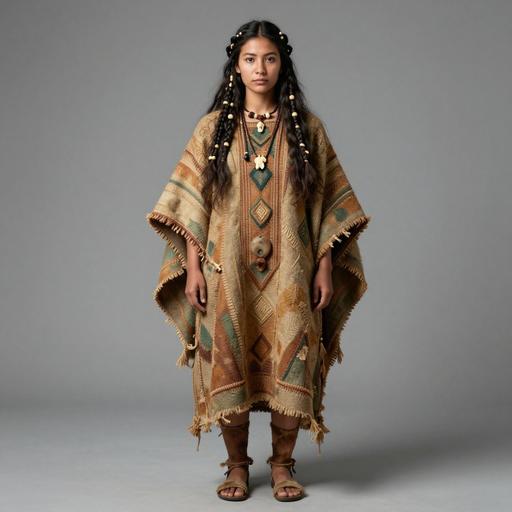
Archaeological evidence for Viking-age connections in northern regions typically appears through imported or locally produced artifacts reflecting shared styles and technologies, such as metalwork, weapon components, or everyday items. Finds in settlement deposits and cemeteries can show changes in craft traditions and consumption habits. Material culture should be read cautiously: similar objects may result from trade and imitation as well as direct movement of people.
Culture & Society
Viking-age-era societies placed strong emphasis on skilled craftsmanship, long-distance exchange, and inter-regional relationships that could combine peaceful trade and coercive encounters. In Northern Russia, social life would have been shaped by the opportunities created by river travel—facilitating exchange networks while also intensifying competition over routes and resources.
Legacy & Transition
By the 11th and early 12th centuries, political landscapes in Eastern Europe continued to consolidate and reorient. Viking-age connections did not simply end; instead, they shifted within emerging regional structures. Over time, the continued movement of goods and technologies contributed to long-term cultural change across forest-zone communities.