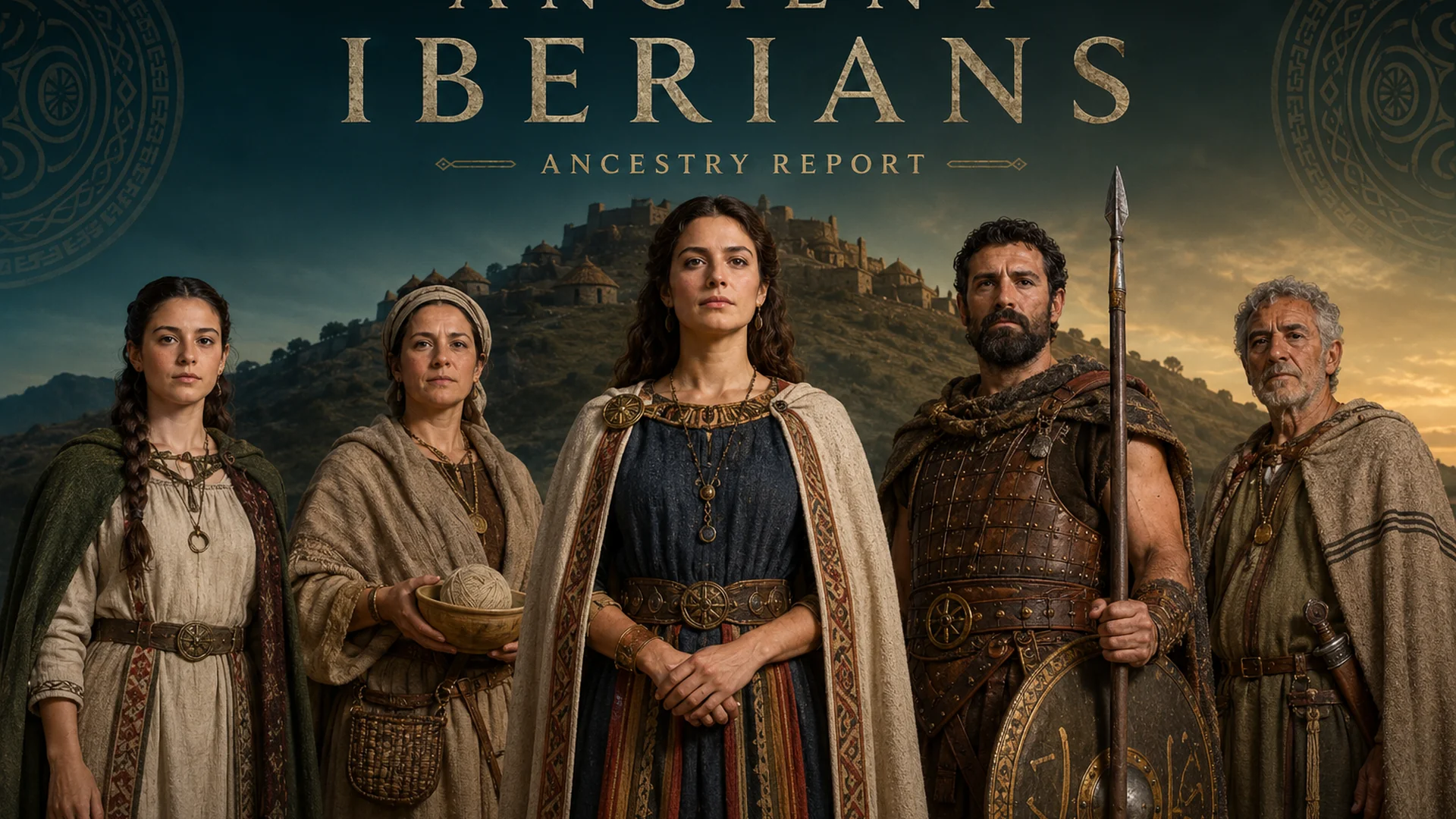
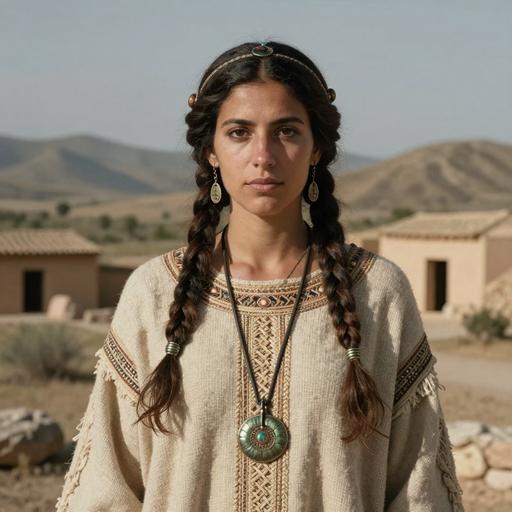
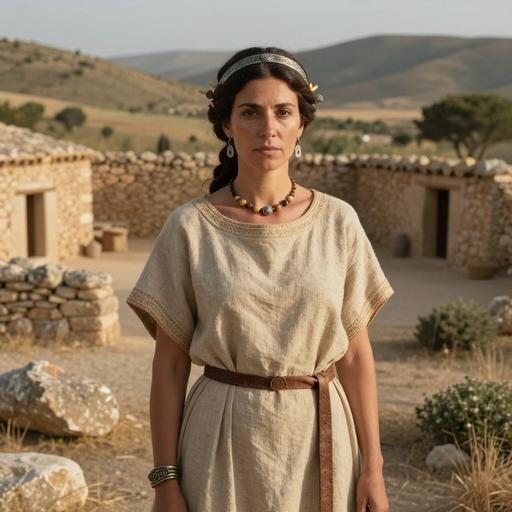
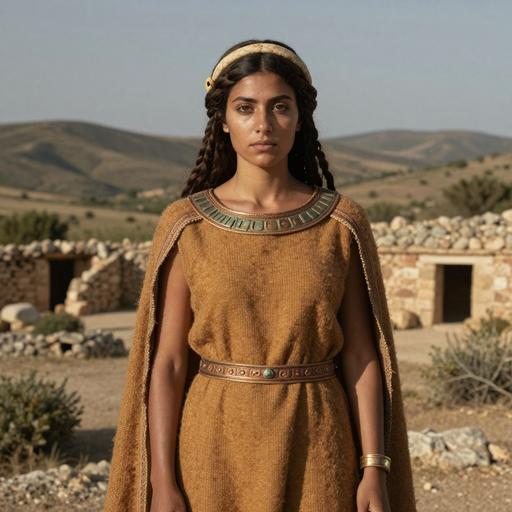
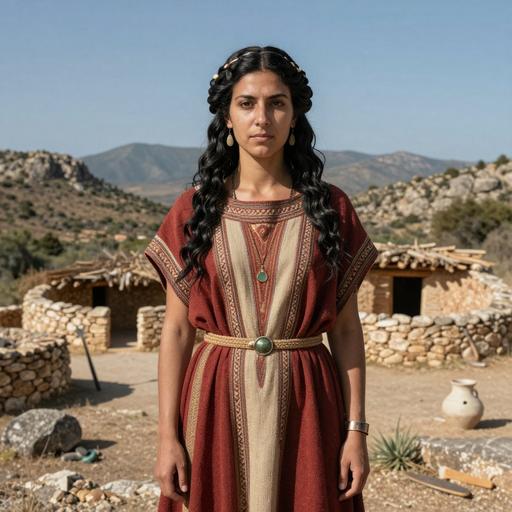
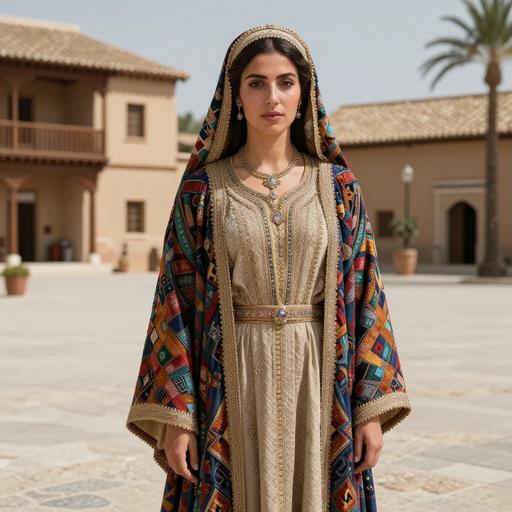
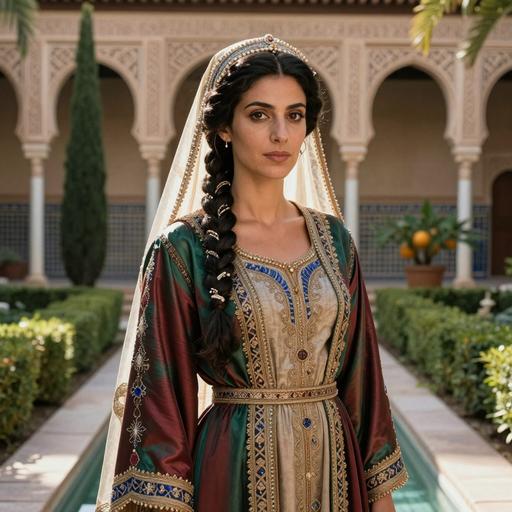
Ancient Iberian Heritage DNA Report

Download PDF creates a visual, rasterized copy. Use Print for selectable text and better assistive-technology support.

Ancient Iberian Heritage

Analyzing your genetic similarity to ancient Iberian populations...

Preparing your ancestral journey

Skip to main content
Ancient Iberian DNA Analysis

Your Ancient Iberian Heritage

(ZUWQNA) Iberian

Ancient Iberian Index 83/100
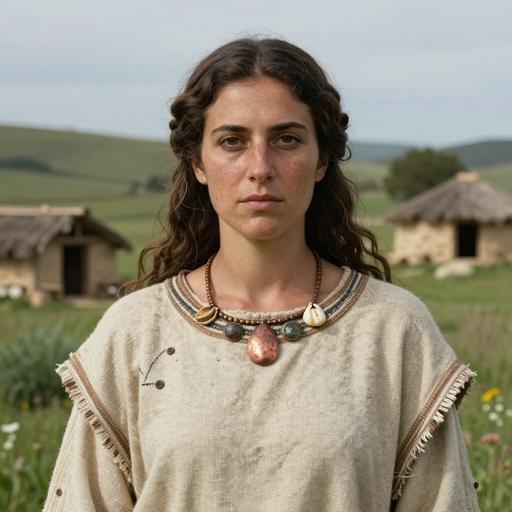
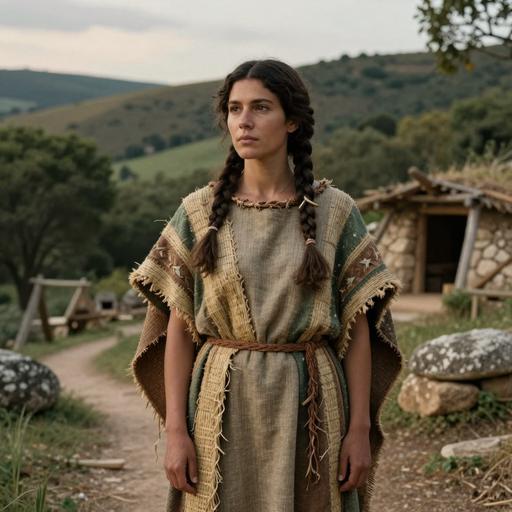
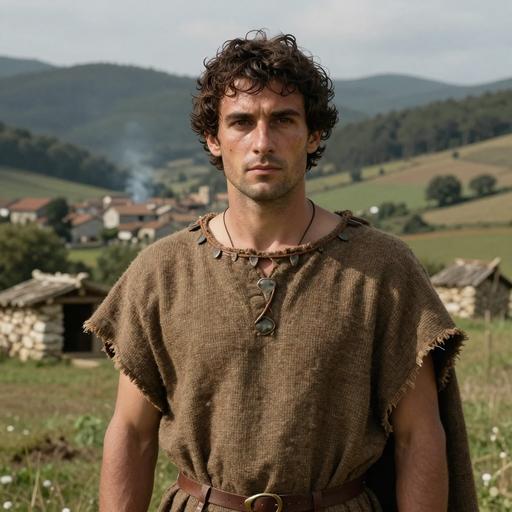
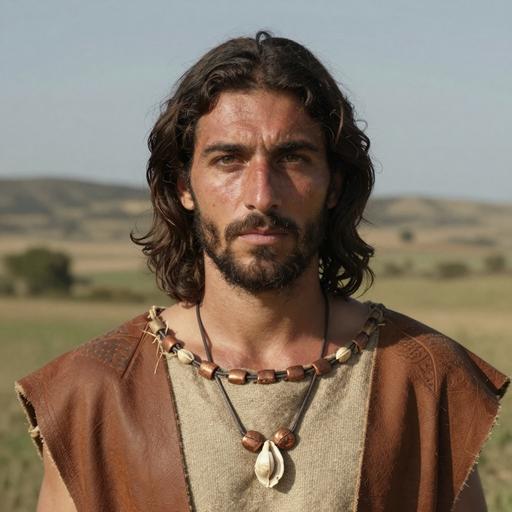
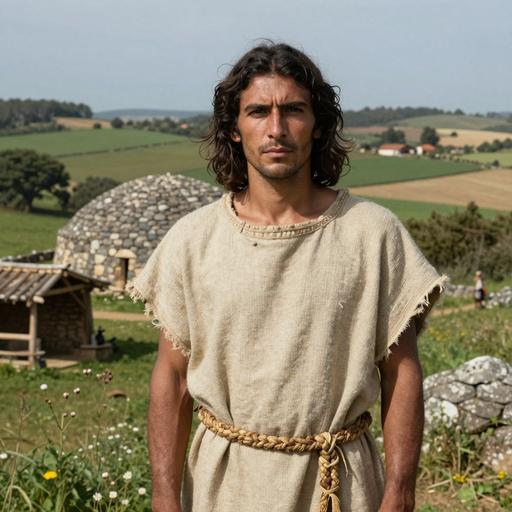
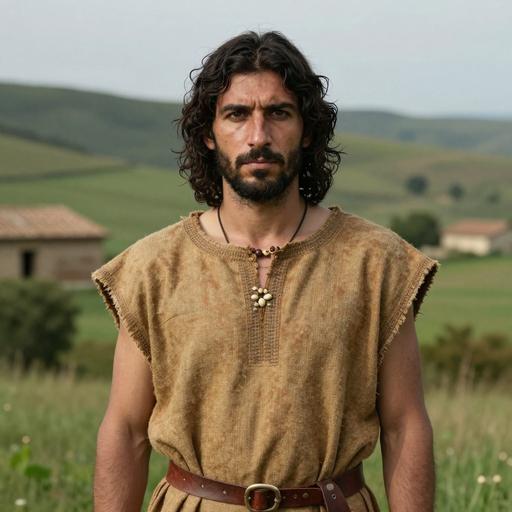
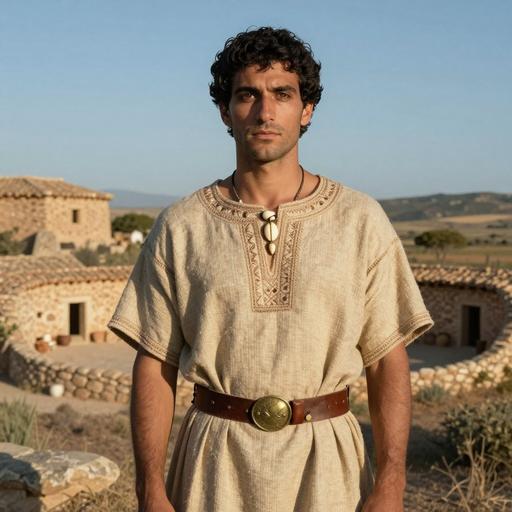
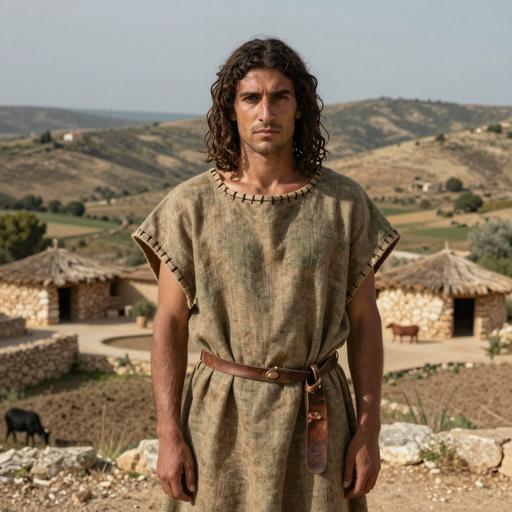
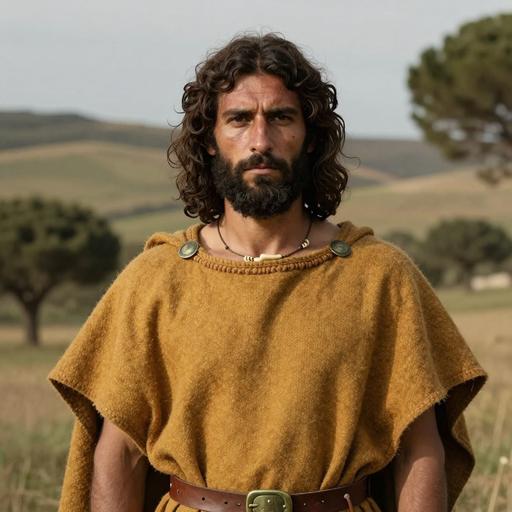
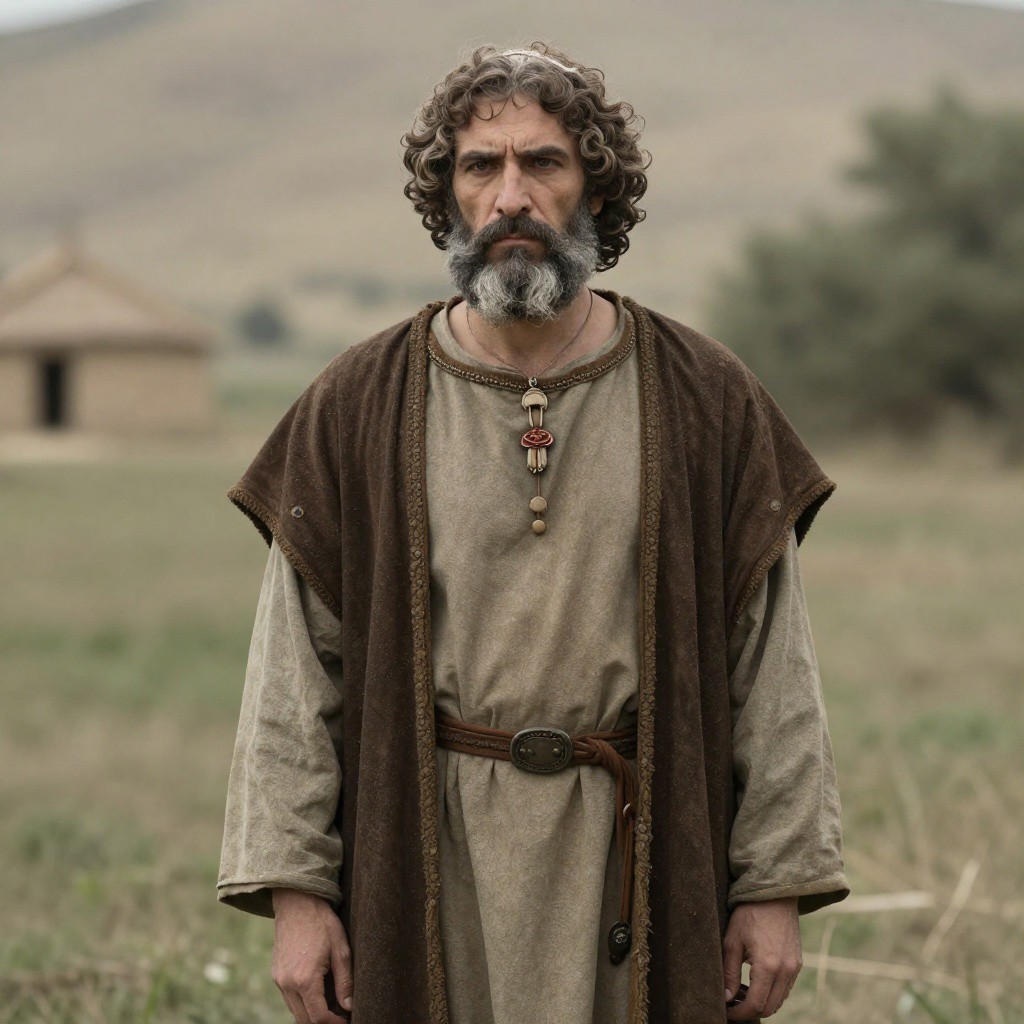
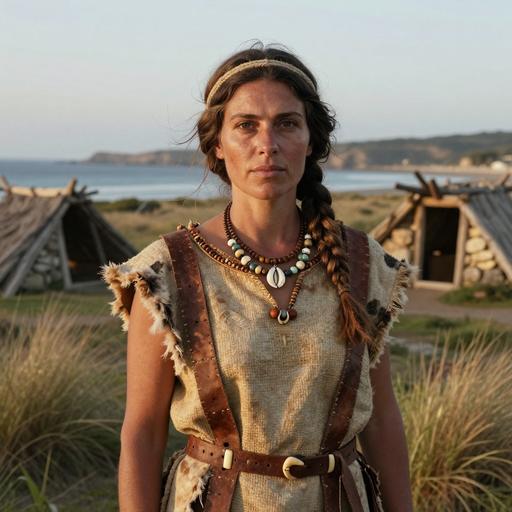
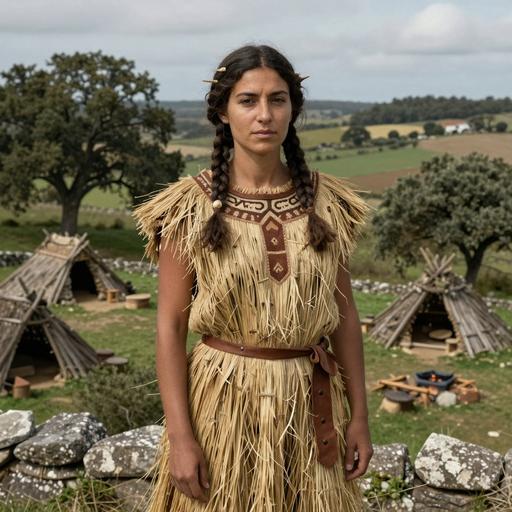
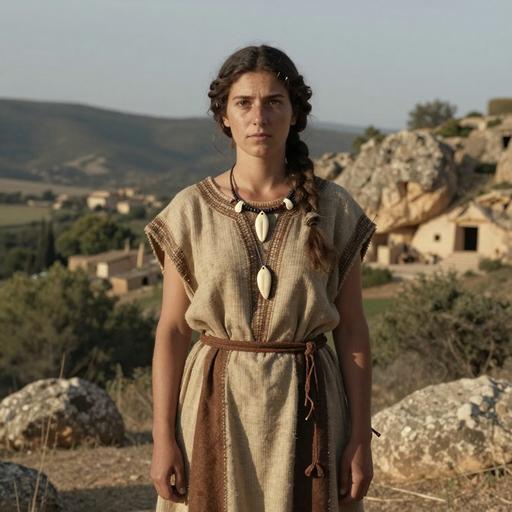
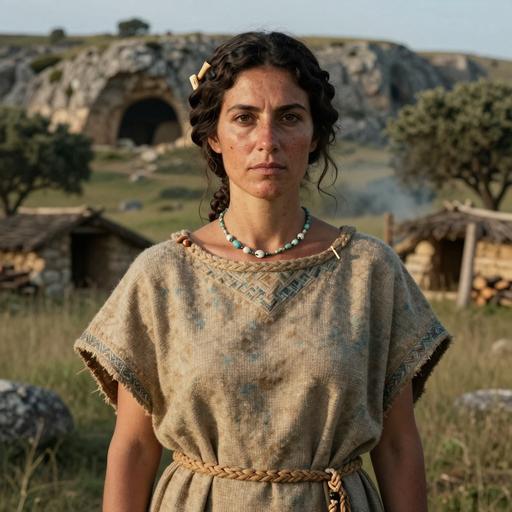
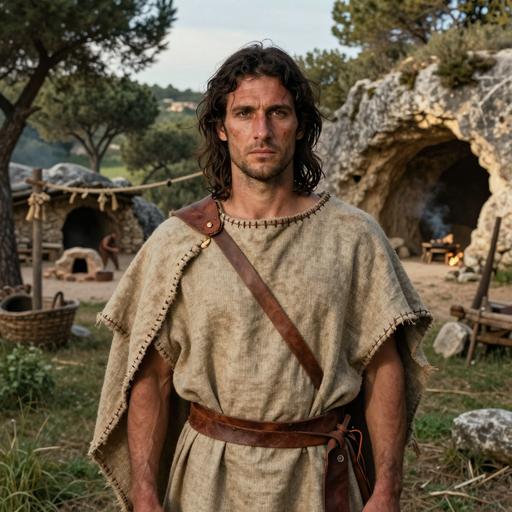
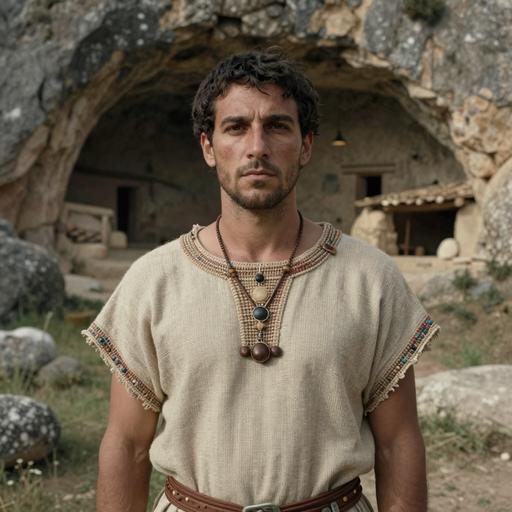
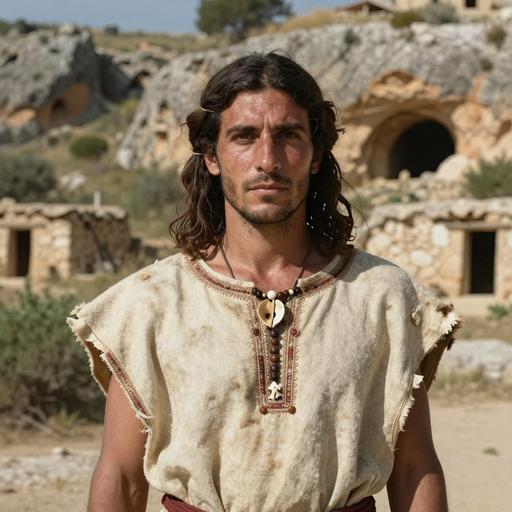
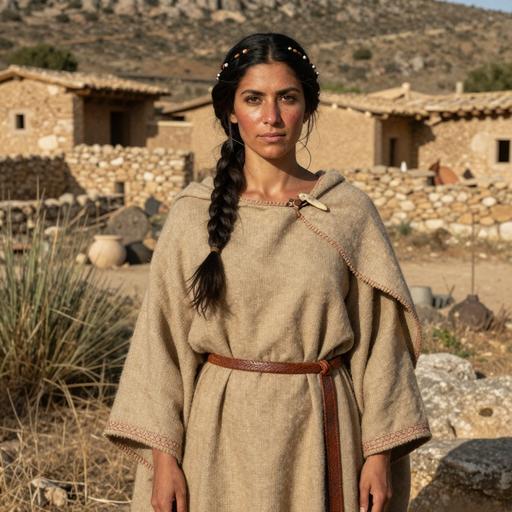
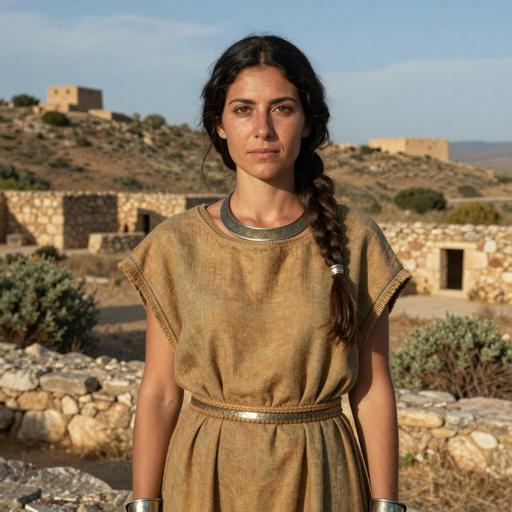
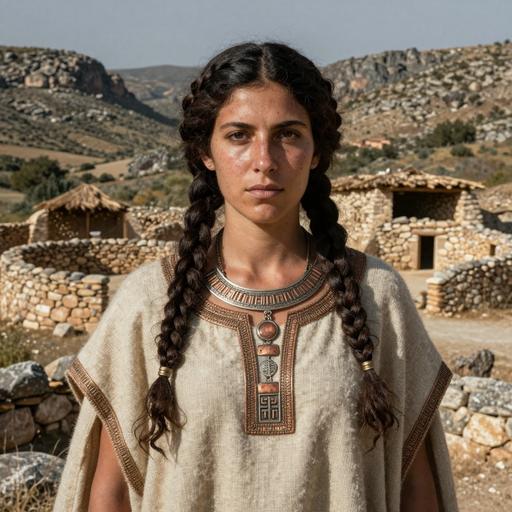
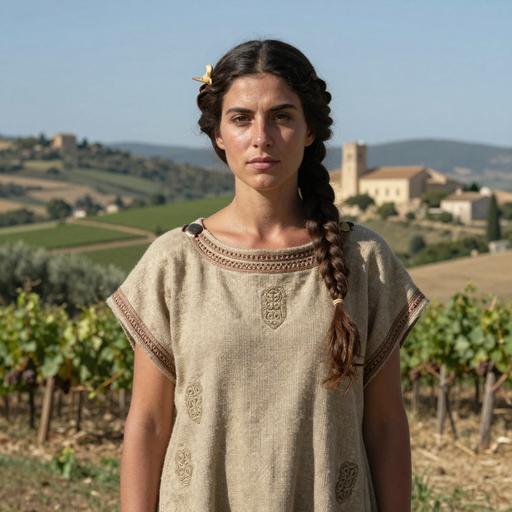
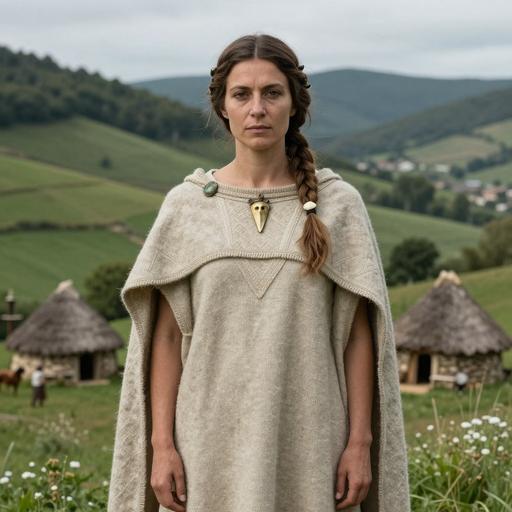
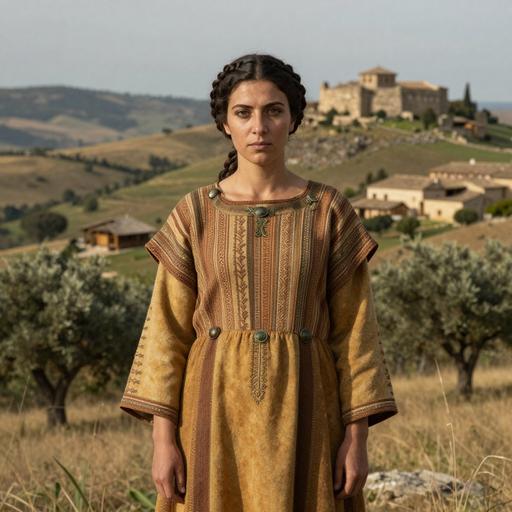
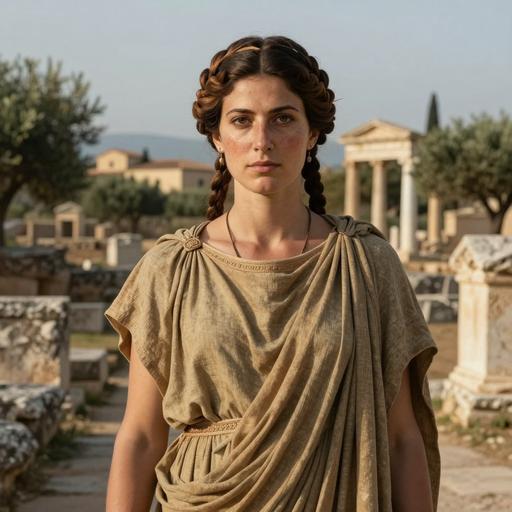
ldo264 portrait
Closest Match
Roman/Medieval

Late Antiquity Christian individual, Spain

Las Gobas (Northern Iberia, Castile and León, Burgos, Condado de Treviño, Laño), Spain

Your closest genetic match from our Iberian reference database. This individual lived approximately 1,564 years ago in what is now Spain. This connection suggests potential ancestral links to Roman/Medieval Iberian communities.

462 CE - 1038 CE
Female
Full Profile
How Your 83/100 Index Was Calculated Full breakdown
Segment Matching 50% weight
85/100

Direct DNA segments shared with ancient individuals, the strongest evidence of connection.

ADMIXTURE Distance 31.25% weight
72/100

How closely your ancestry composition matches Iberian populations.

Monte Carlo 18.75% weight
95/100

Statistical modeling of your best-fit ancestral mixture.

Top Connections

Your Closest Iberian Ancestors

Beyond your #1 match, these ancient Iberians share the strongest genetic connections with you.

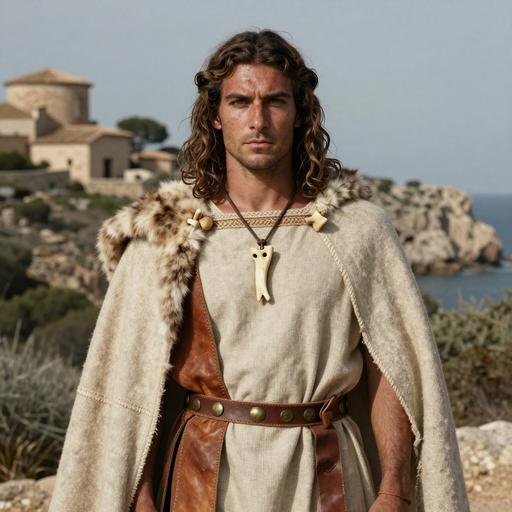
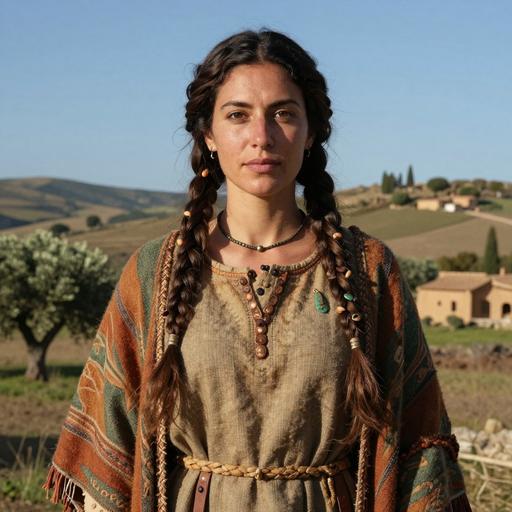
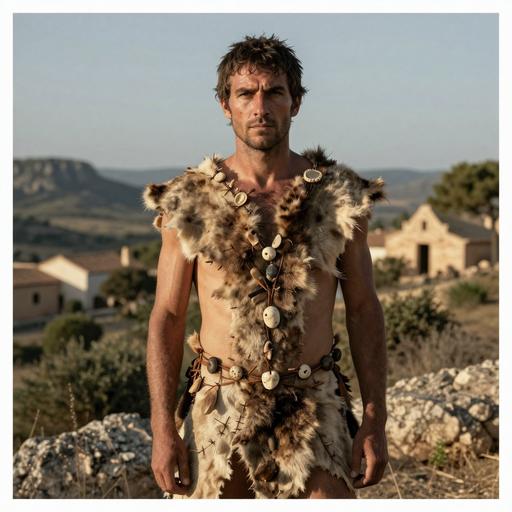
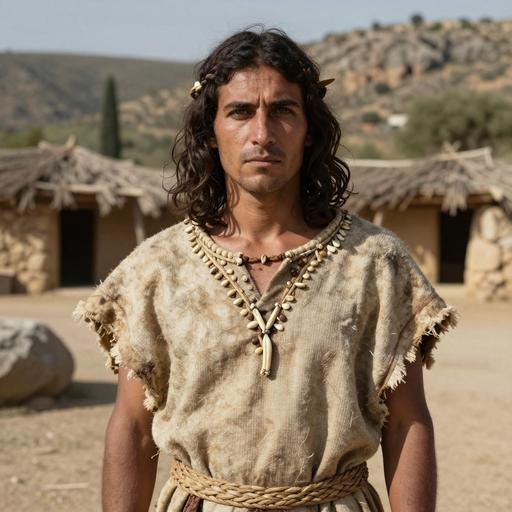
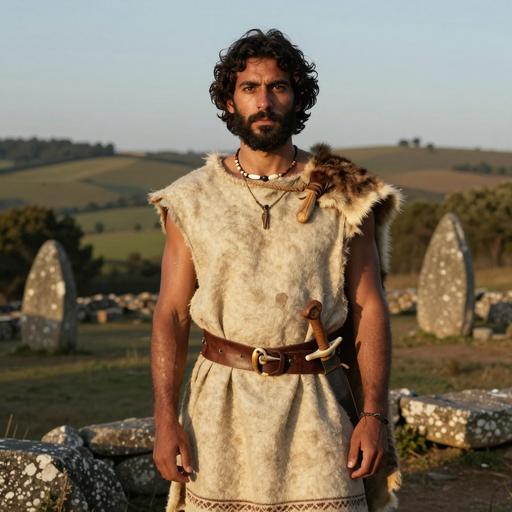
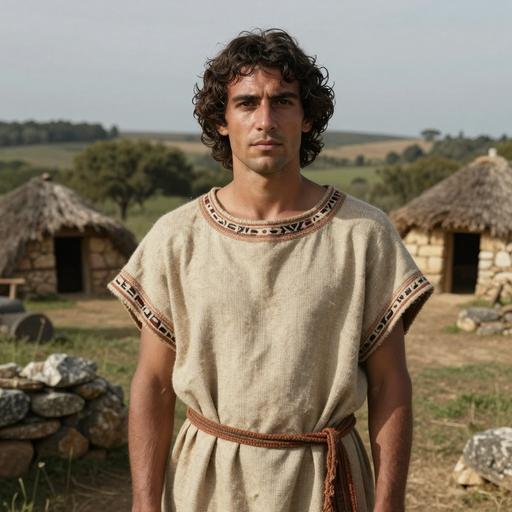
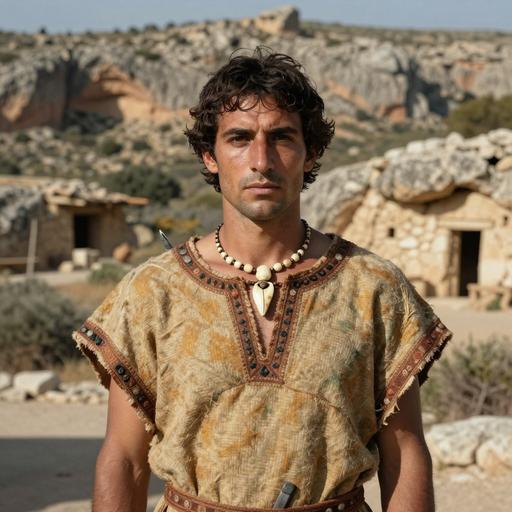
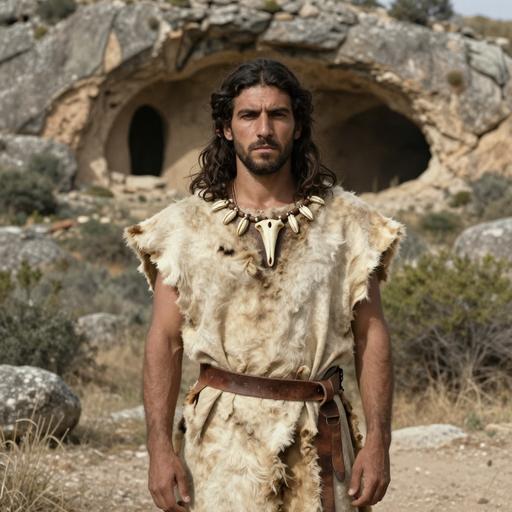
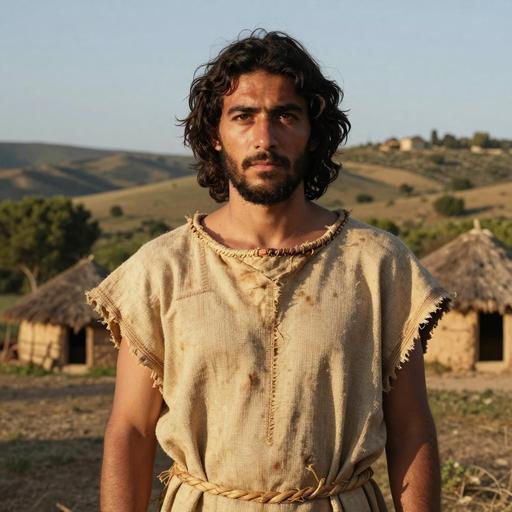
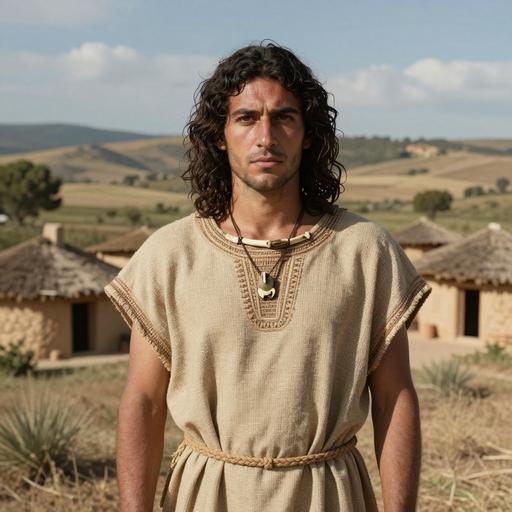
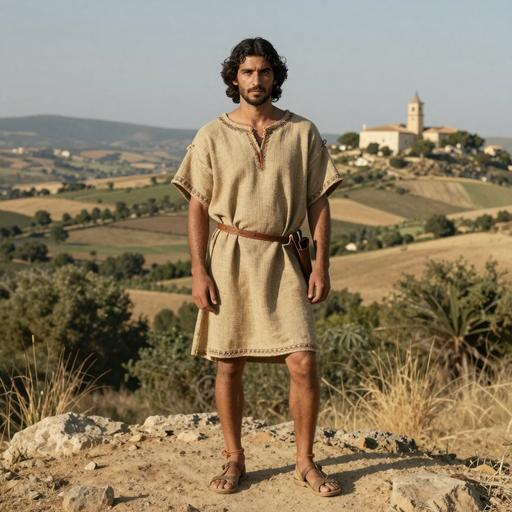
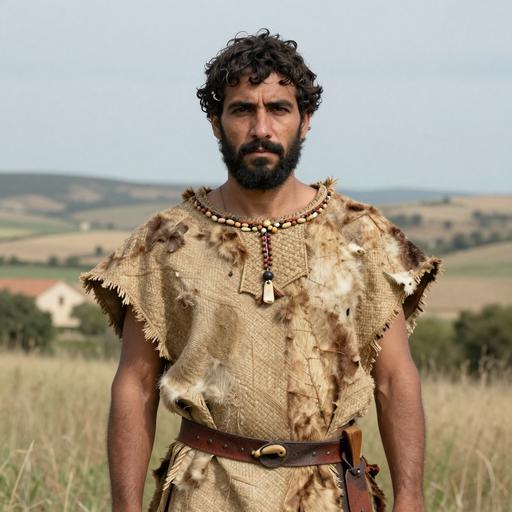
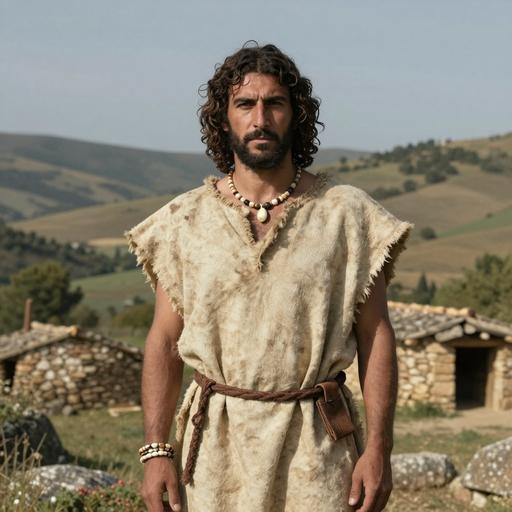
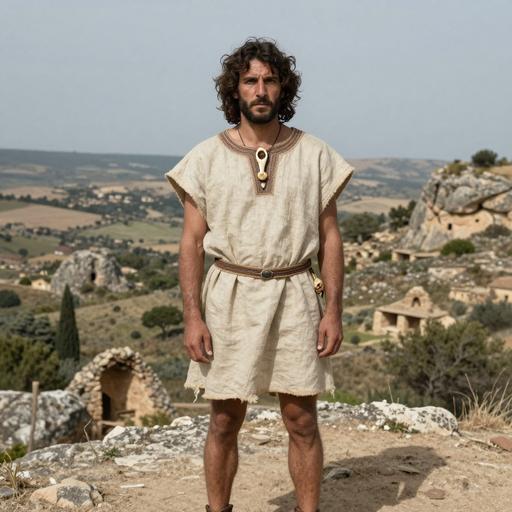
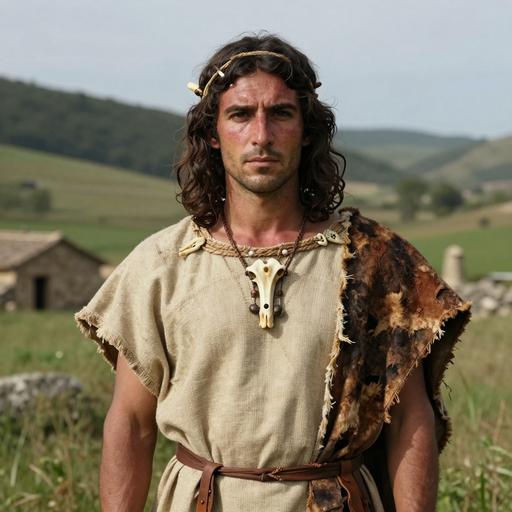
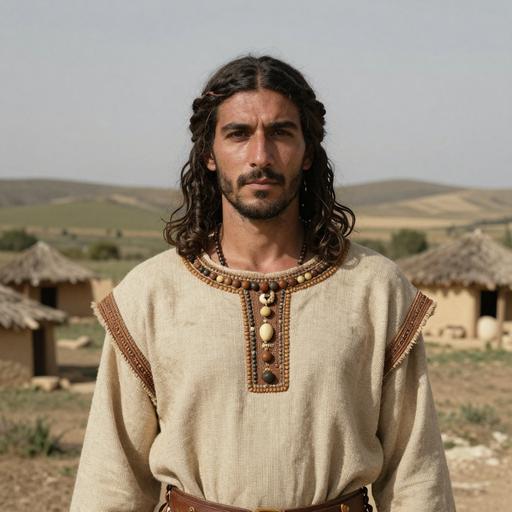
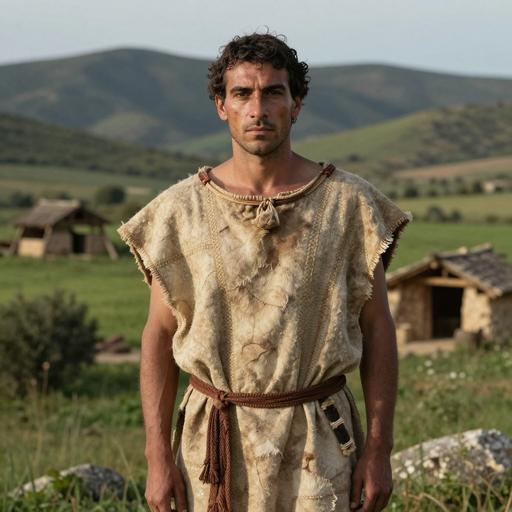
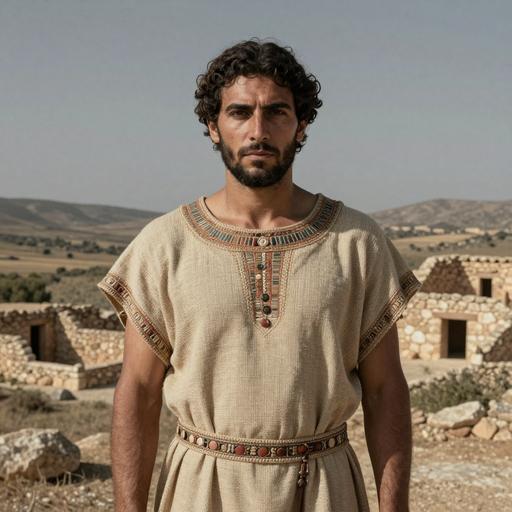
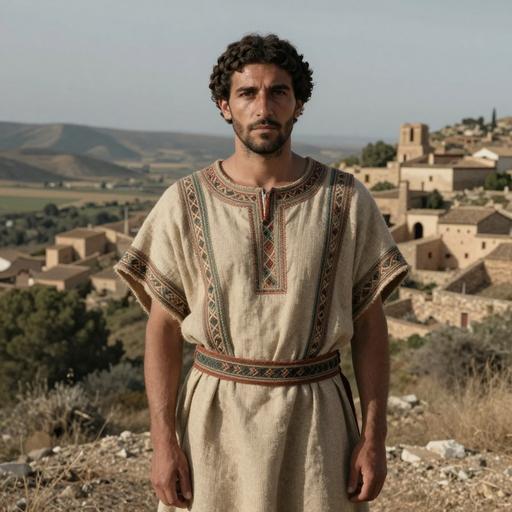
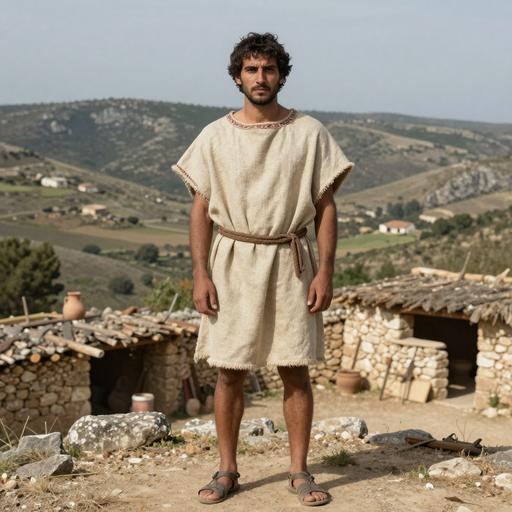
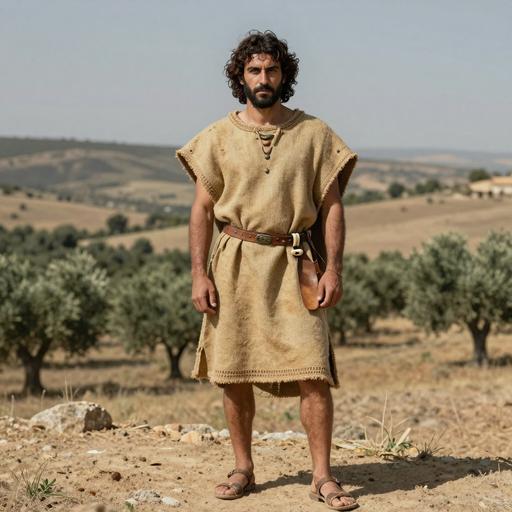
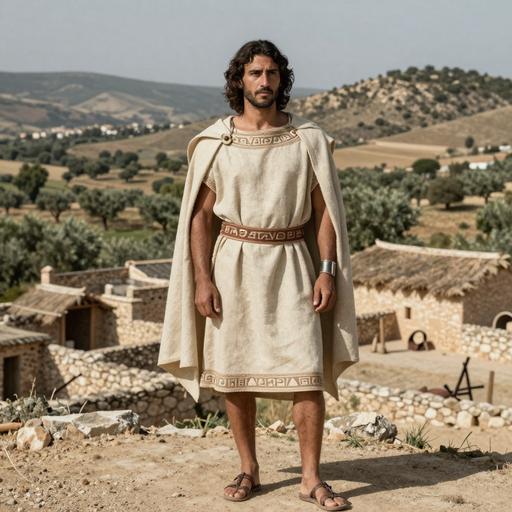
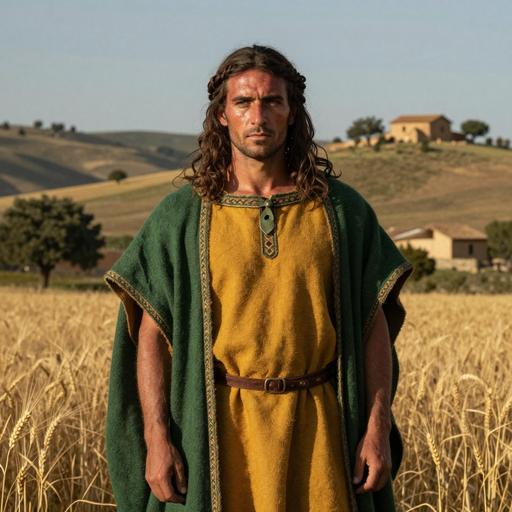
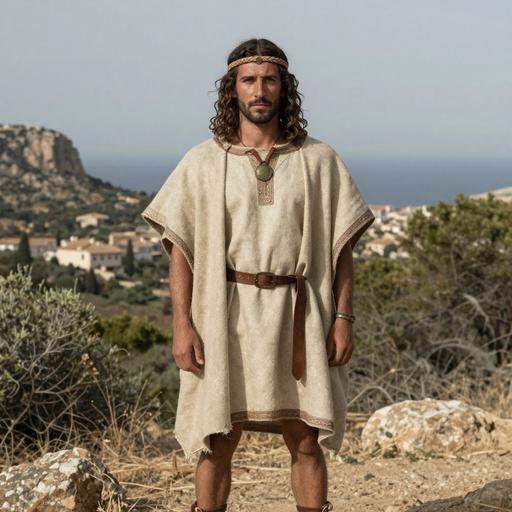
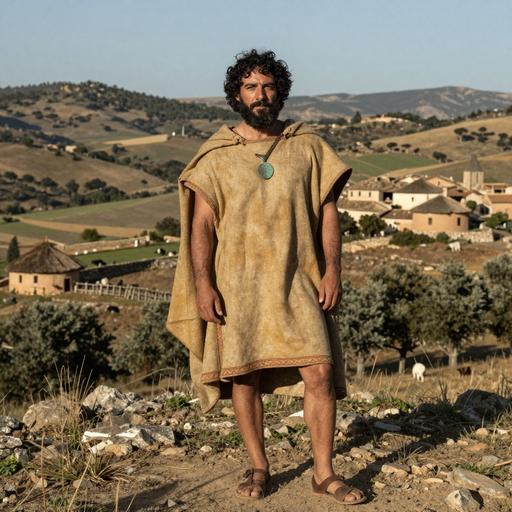
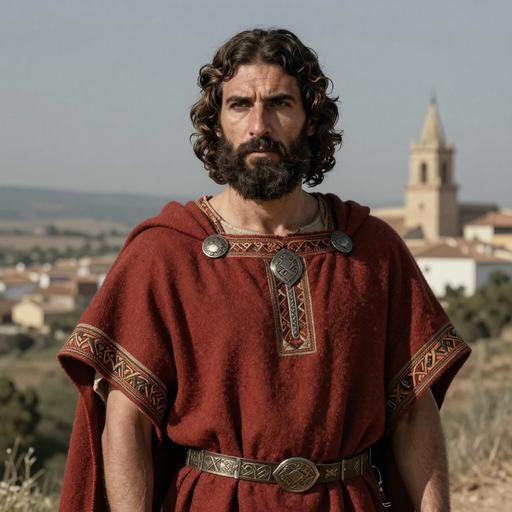
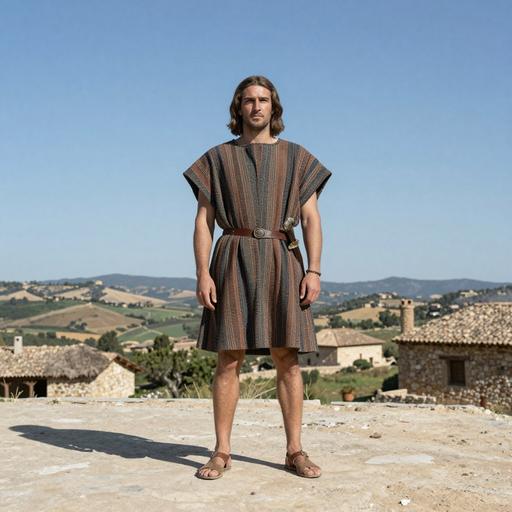
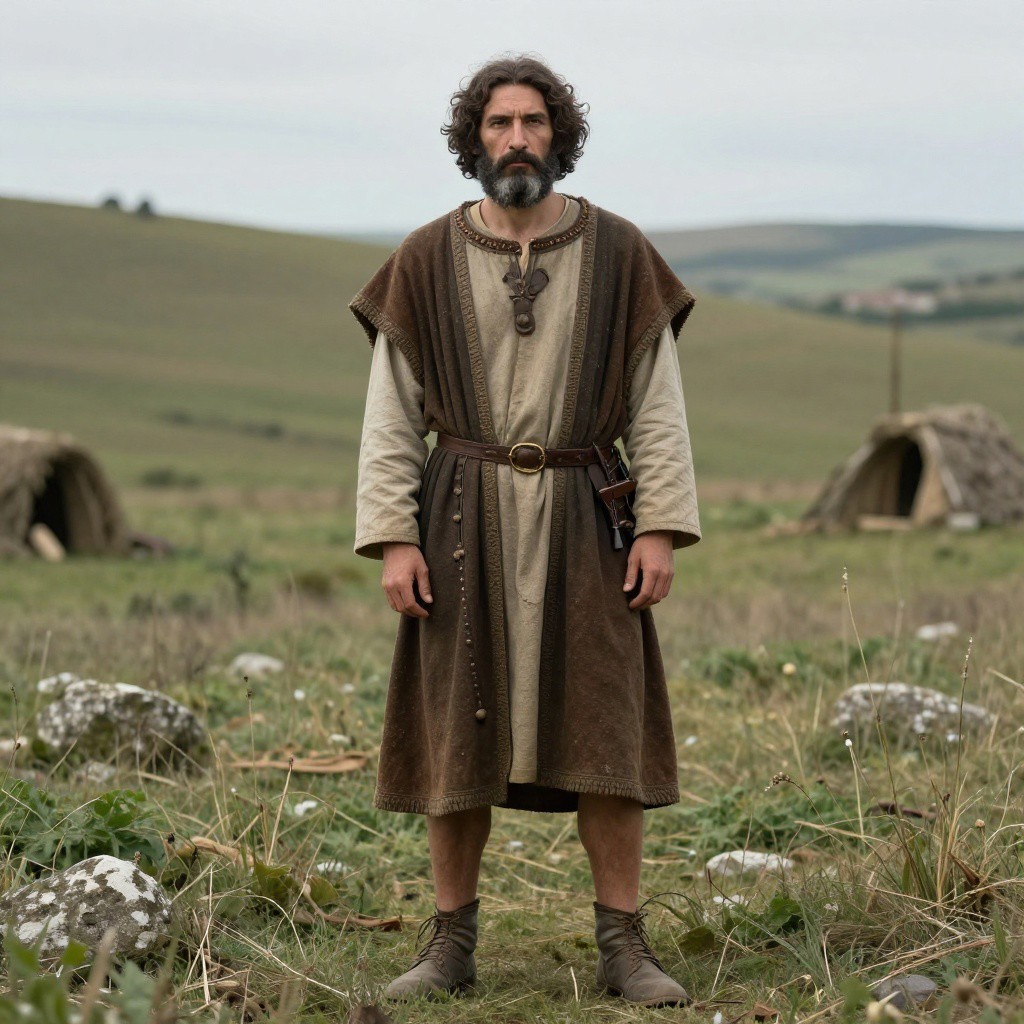
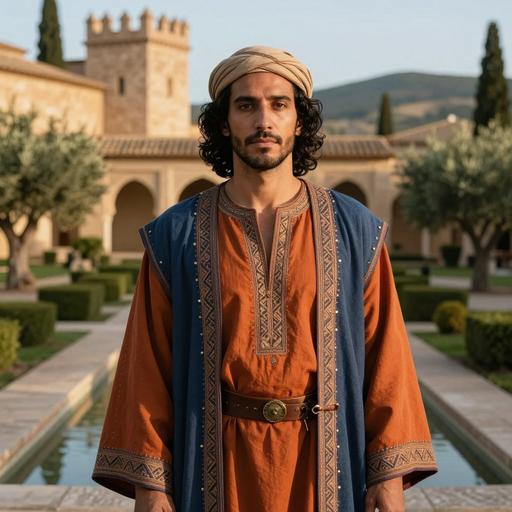
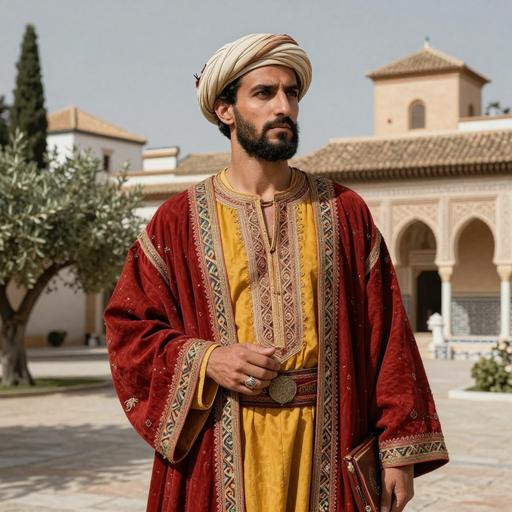
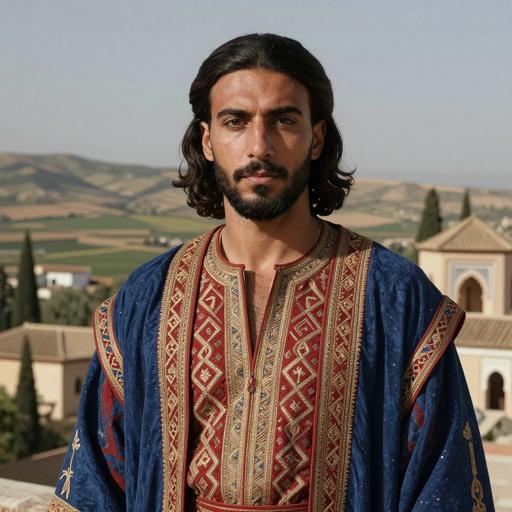
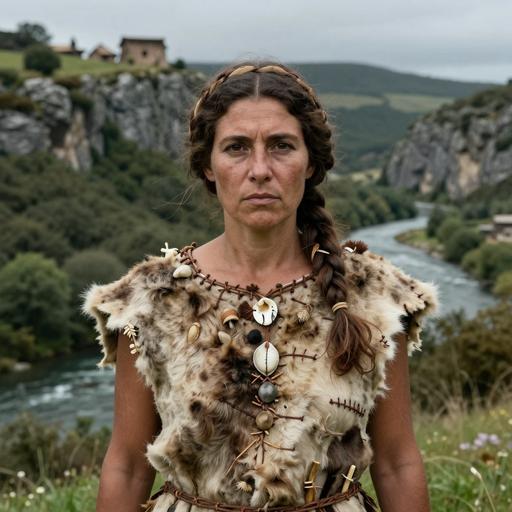
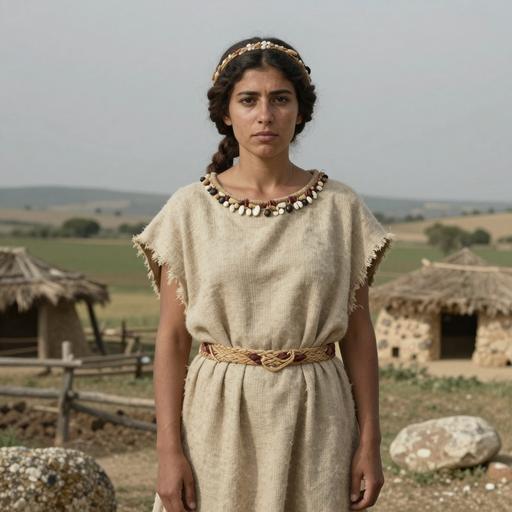
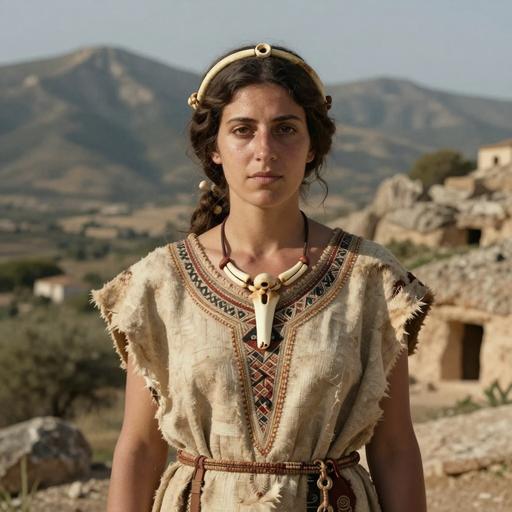
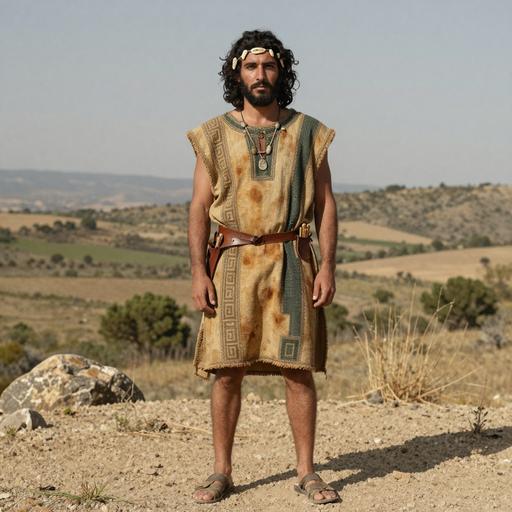
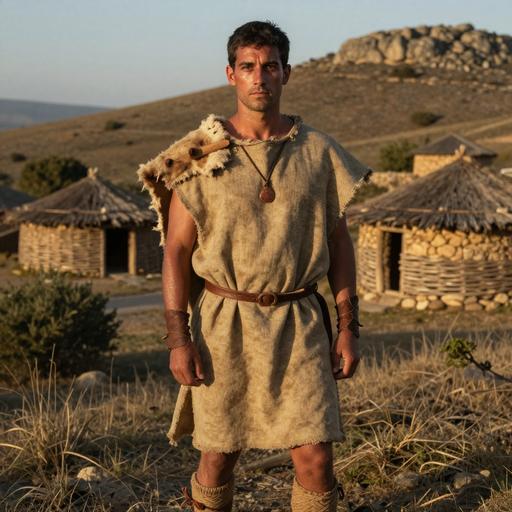
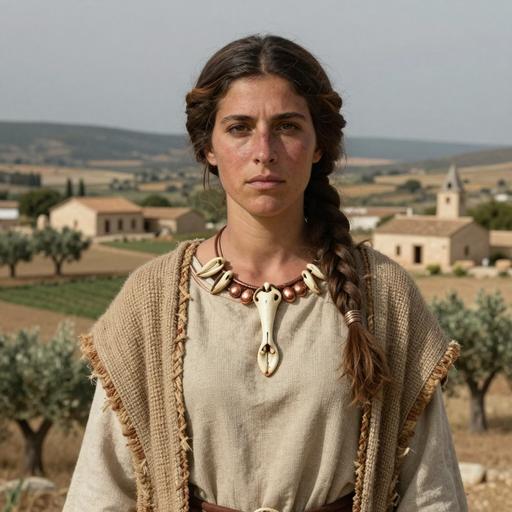
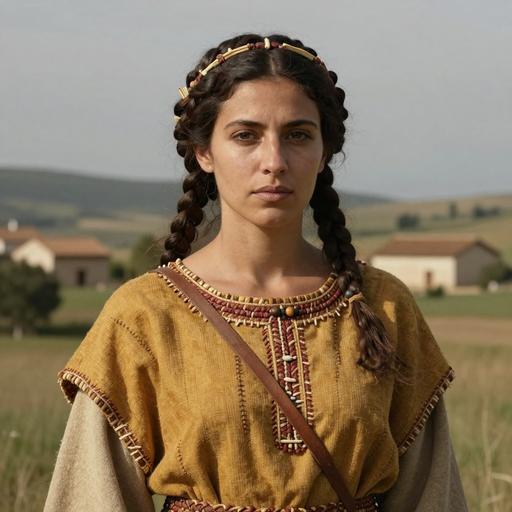
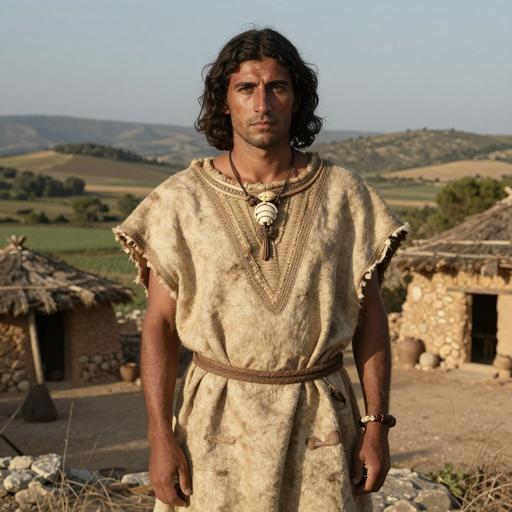
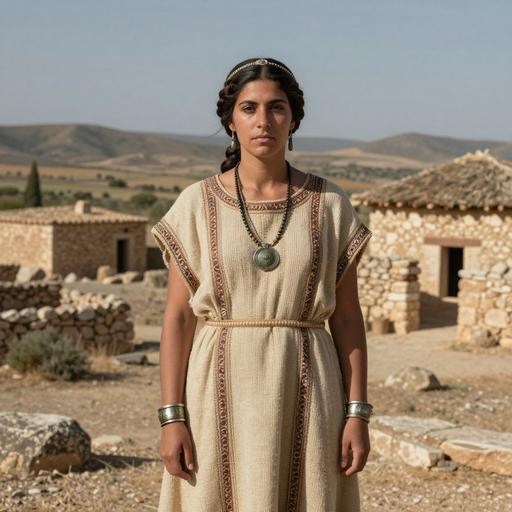
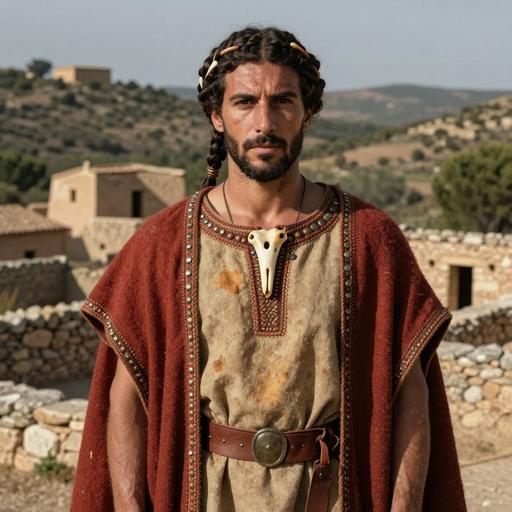
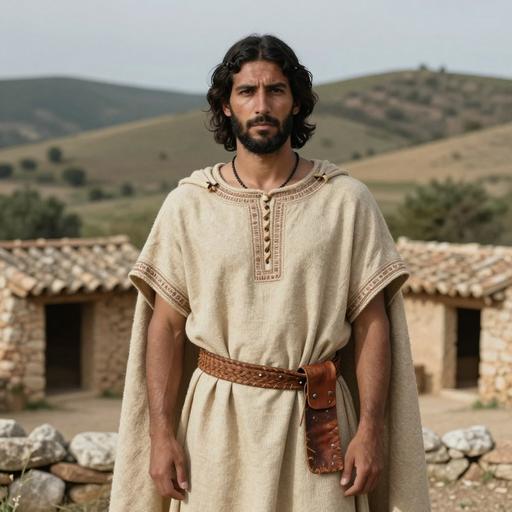
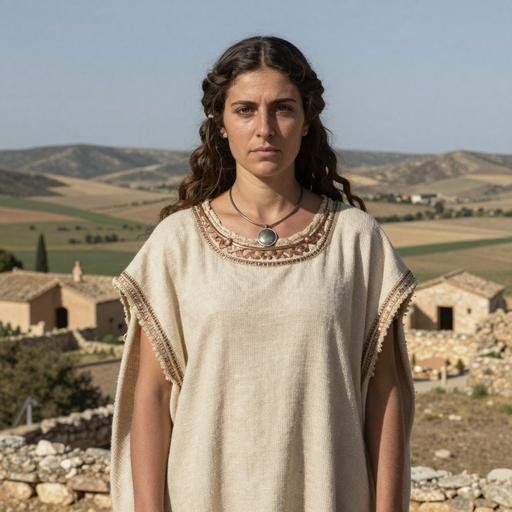
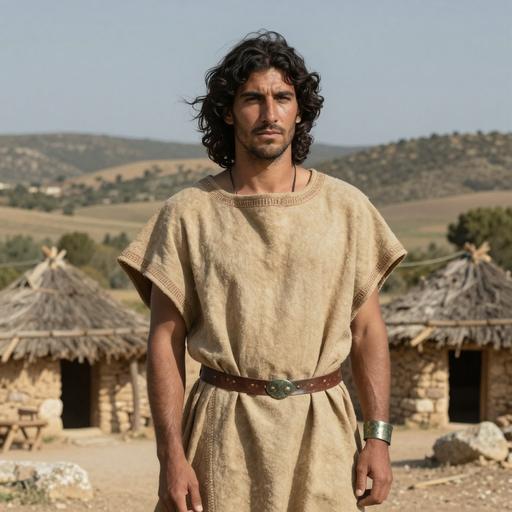
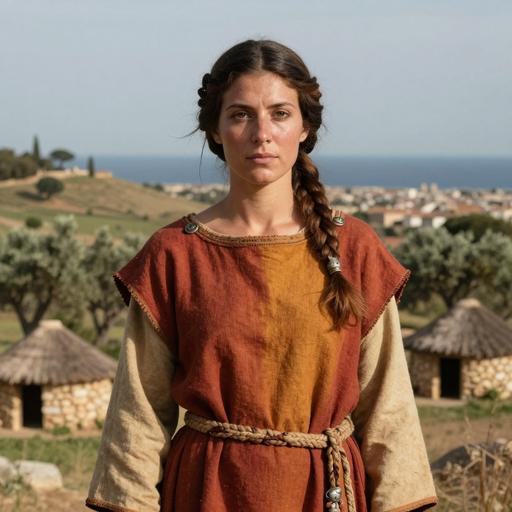
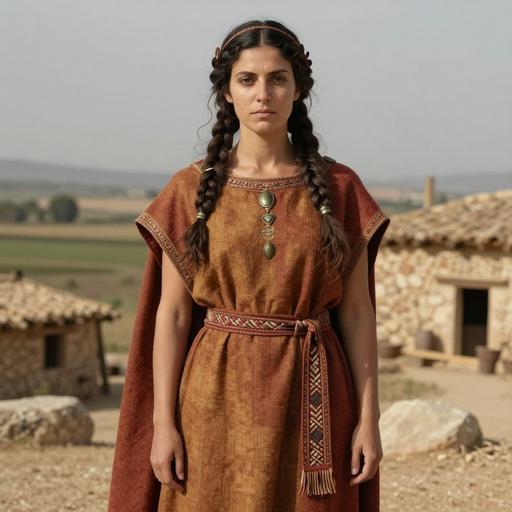
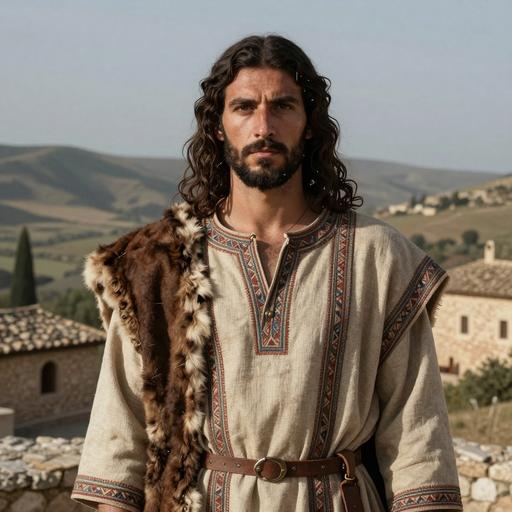
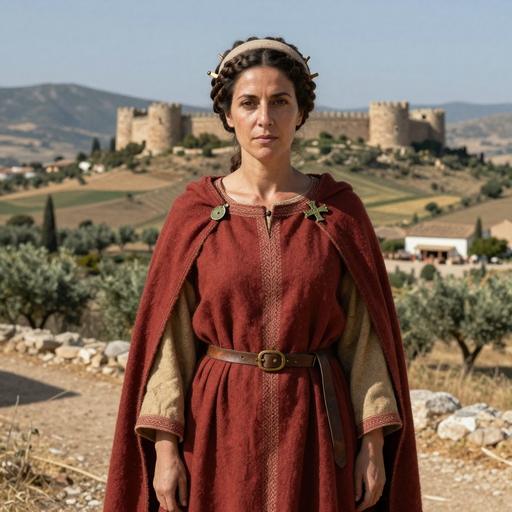
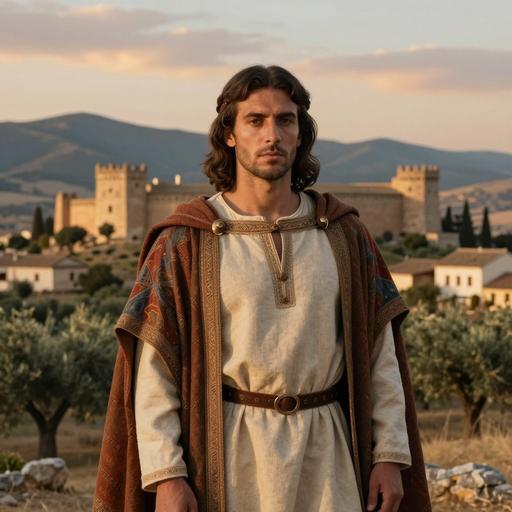
Reconstructed portrait of Punic individual, Campo de Hockey (Andalusia, Cádiz, San Fernando), Spain (405-177 BCE)
#2

Punic individual, Spain

Spain , Campo de Hockey (Andalusia, Cádiz, San Fernando)

405 BCE ~2,431 years ago

Quick View
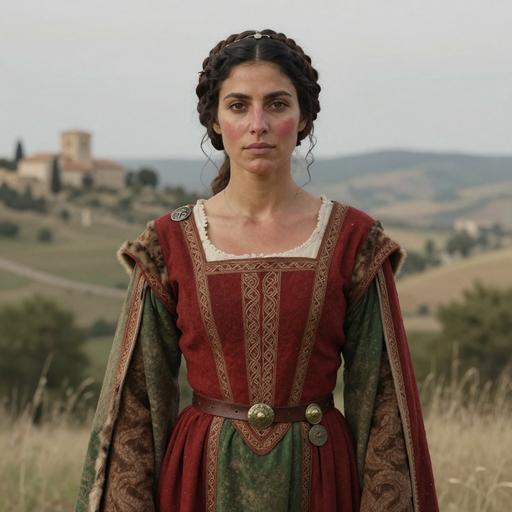
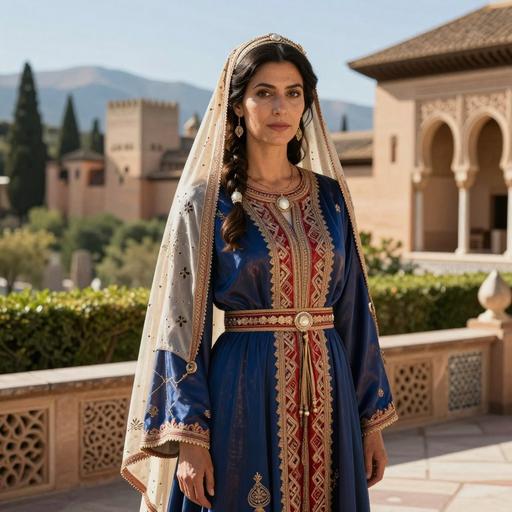
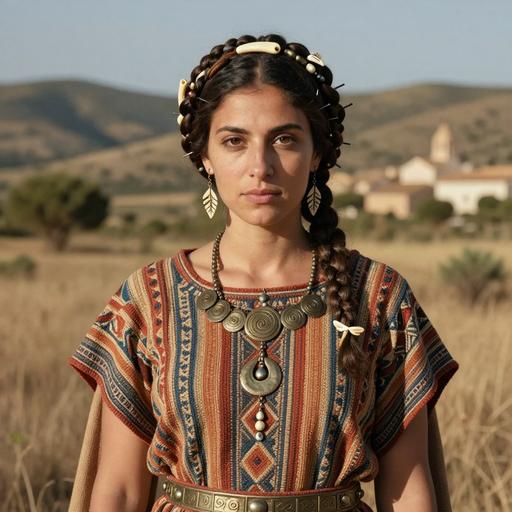
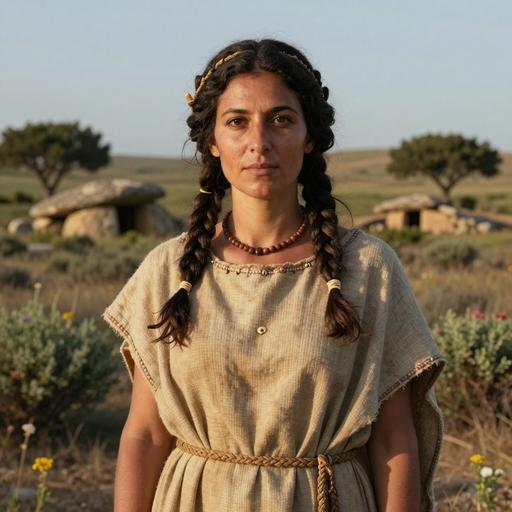
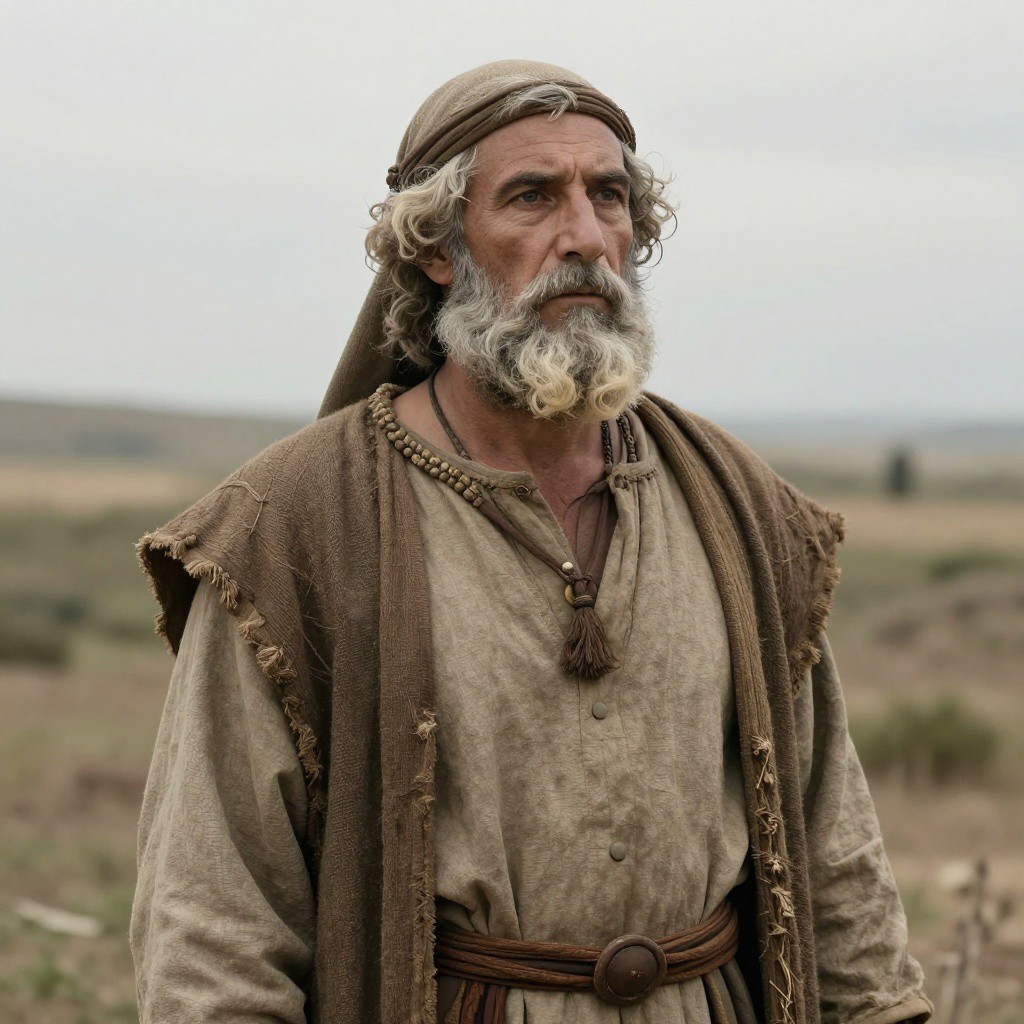
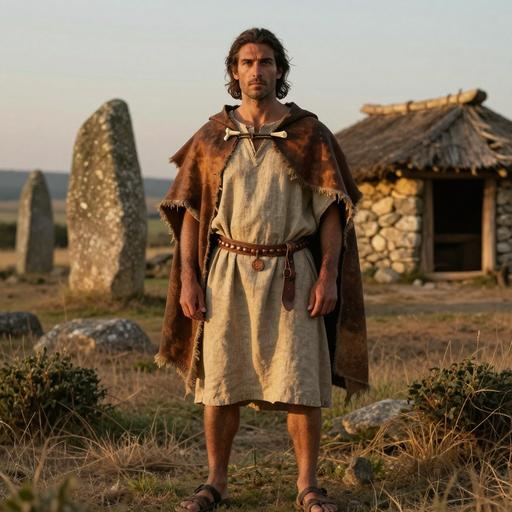
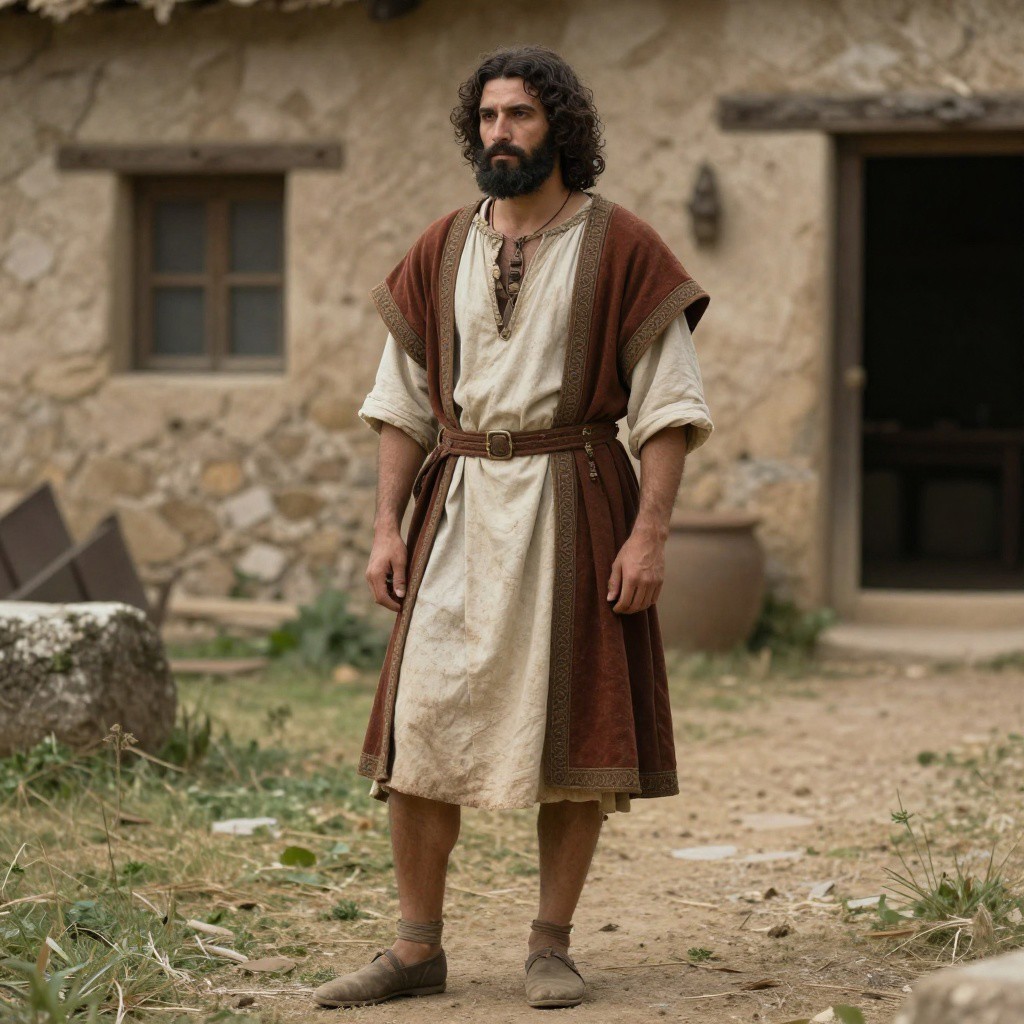
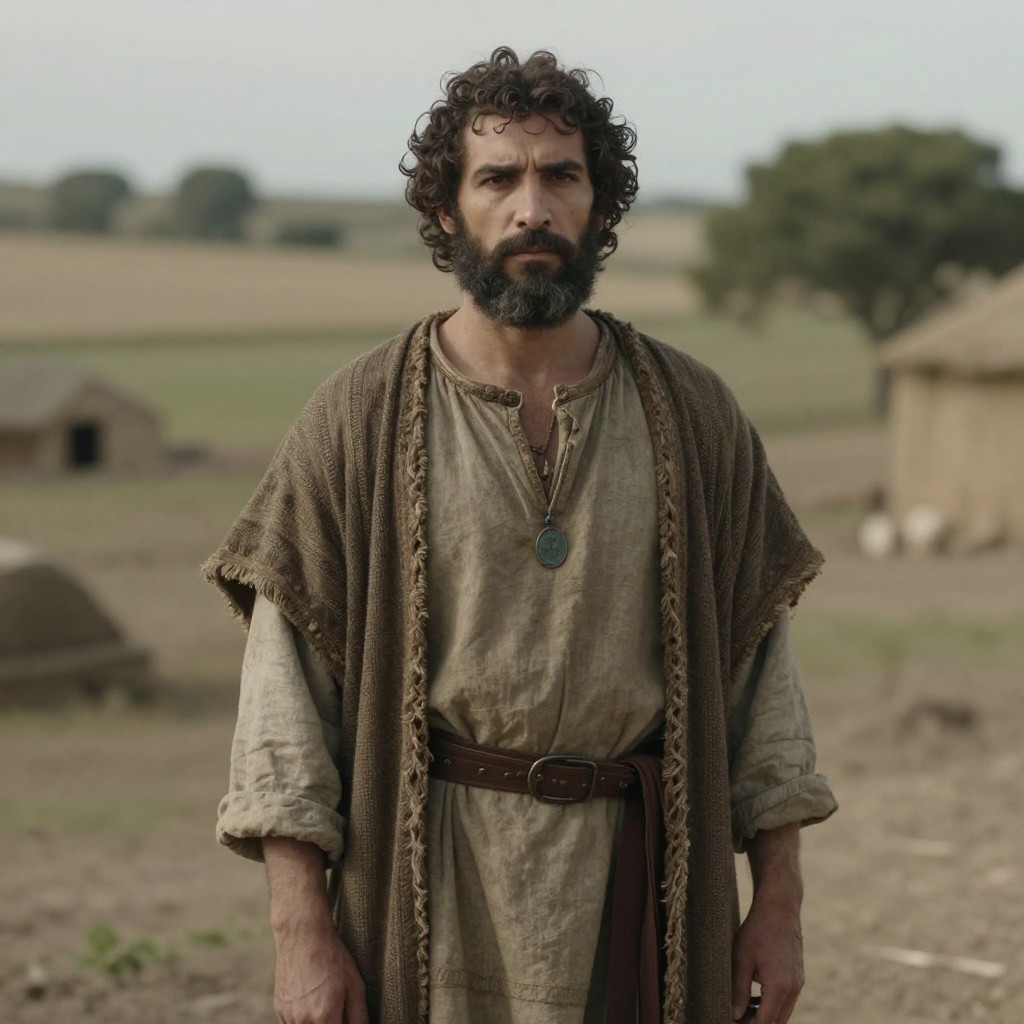
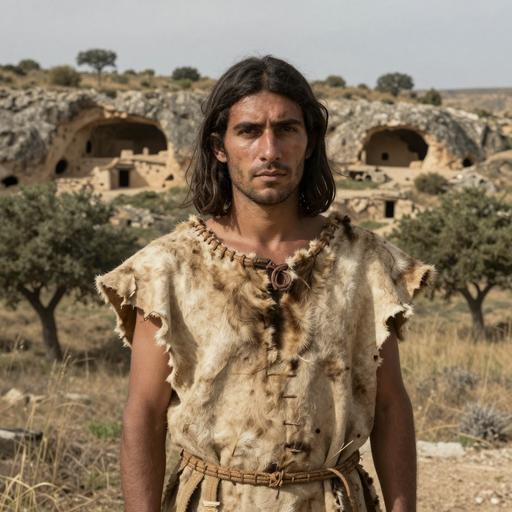
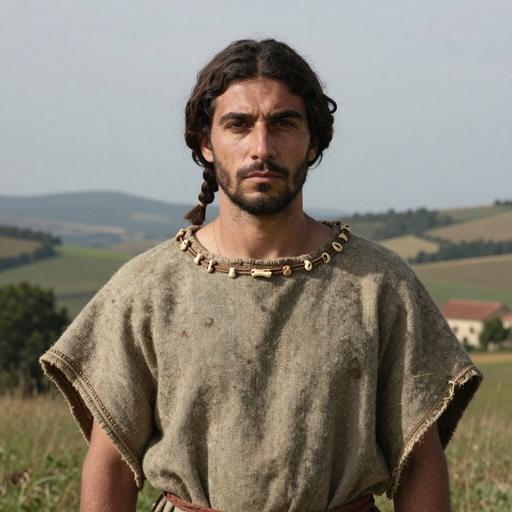
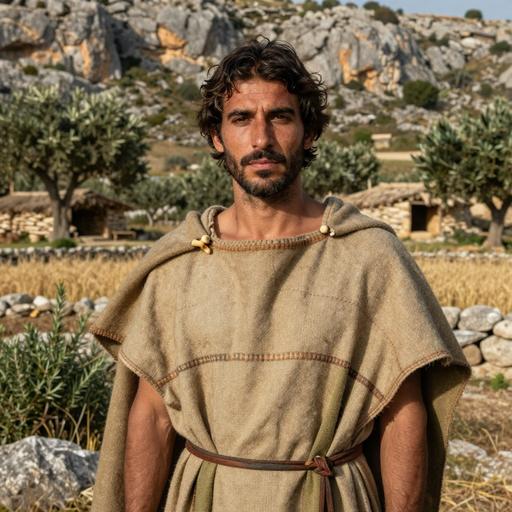
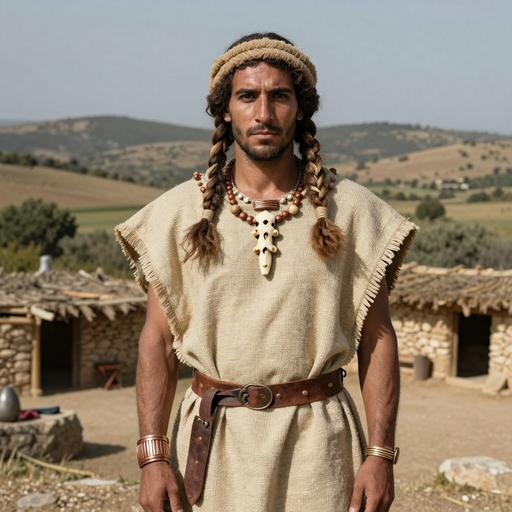
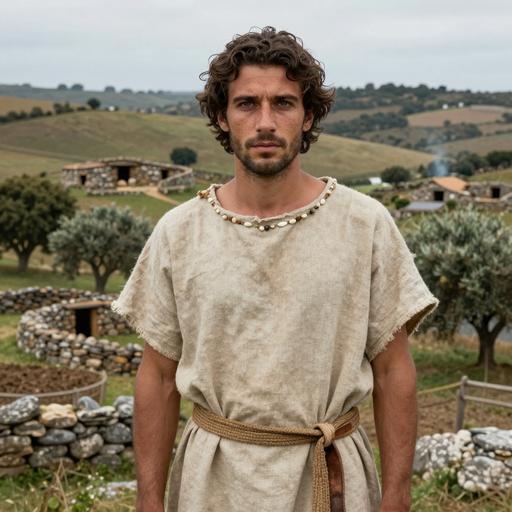
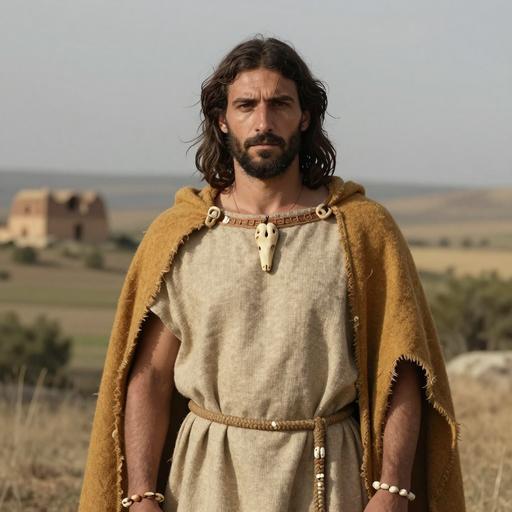
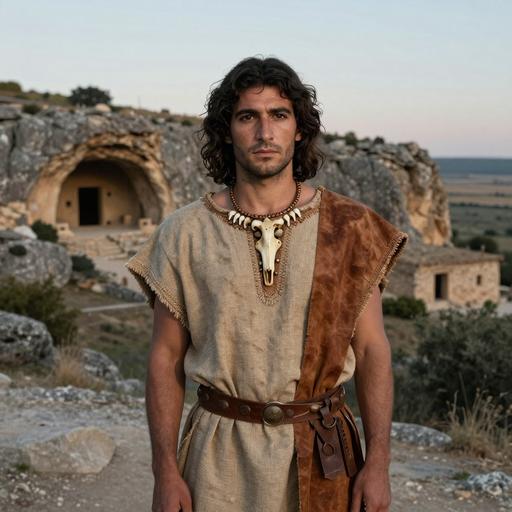
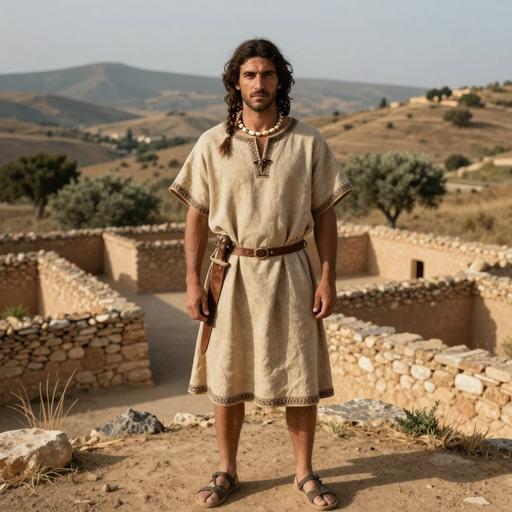
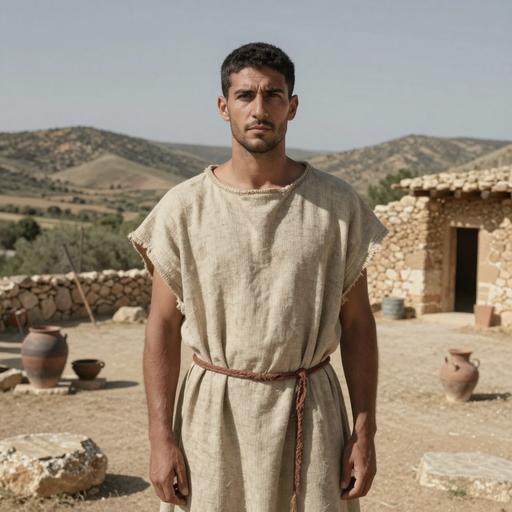
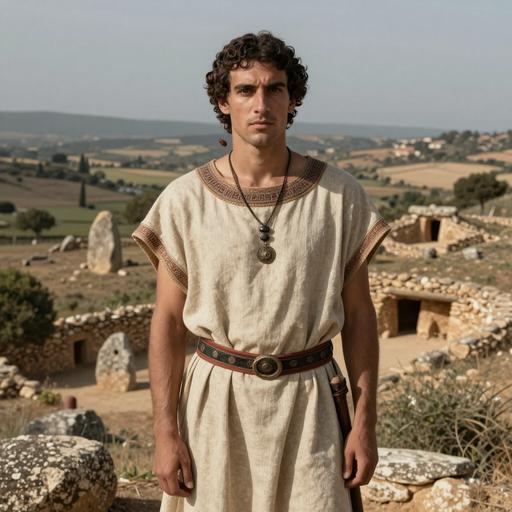
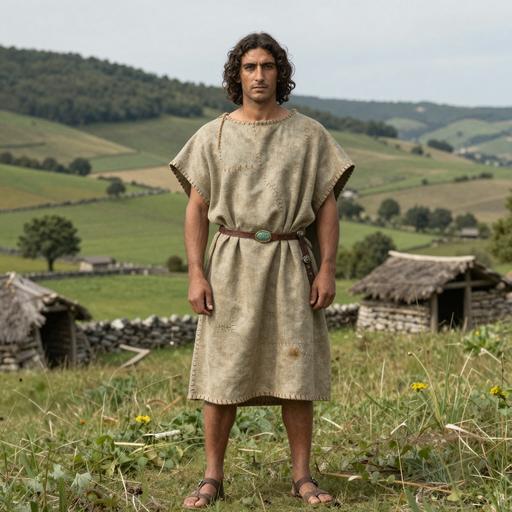
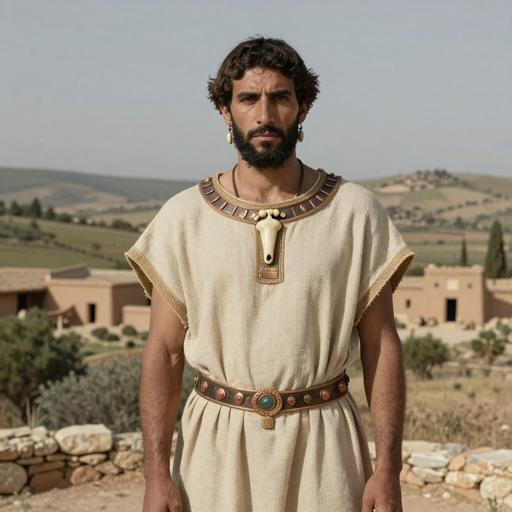
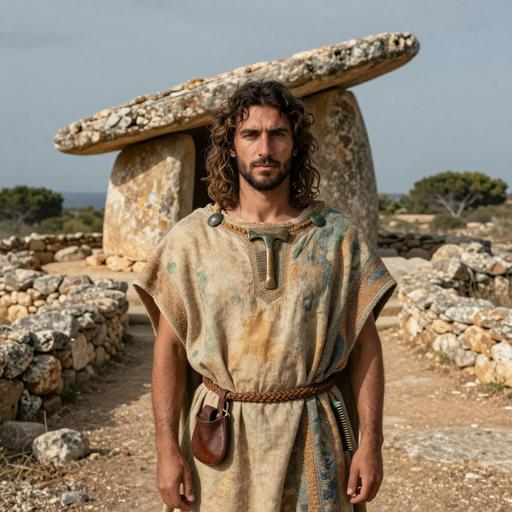
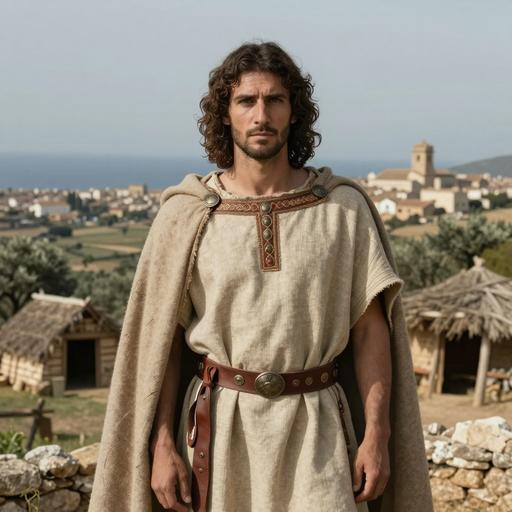
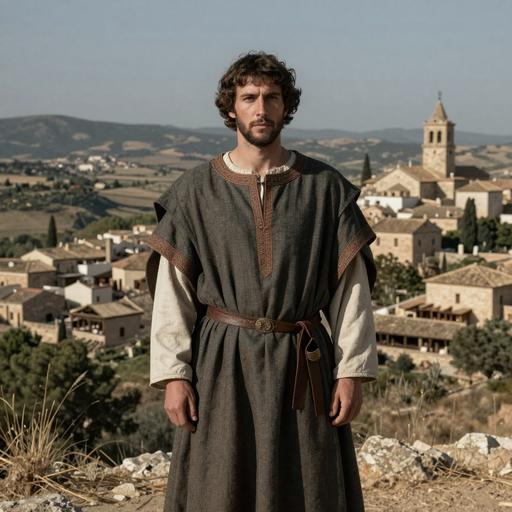
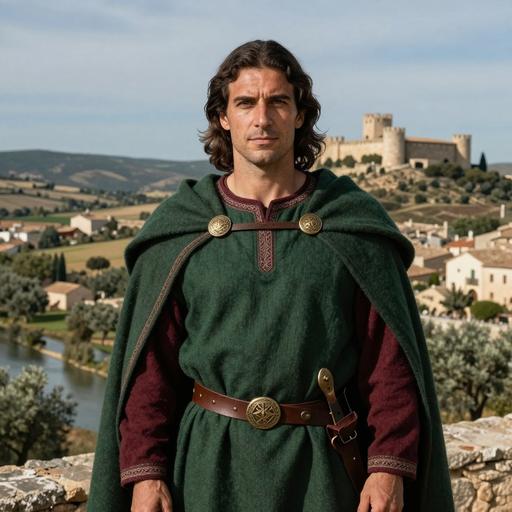
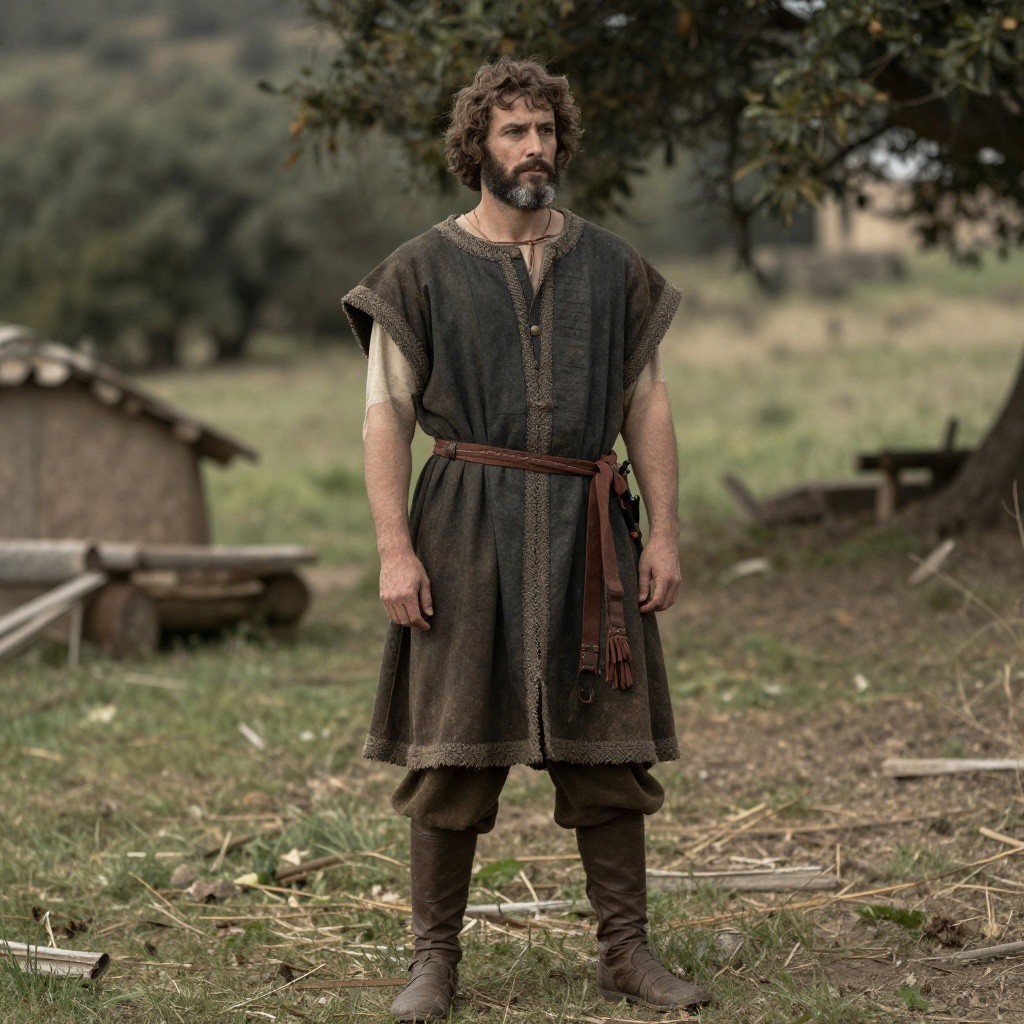
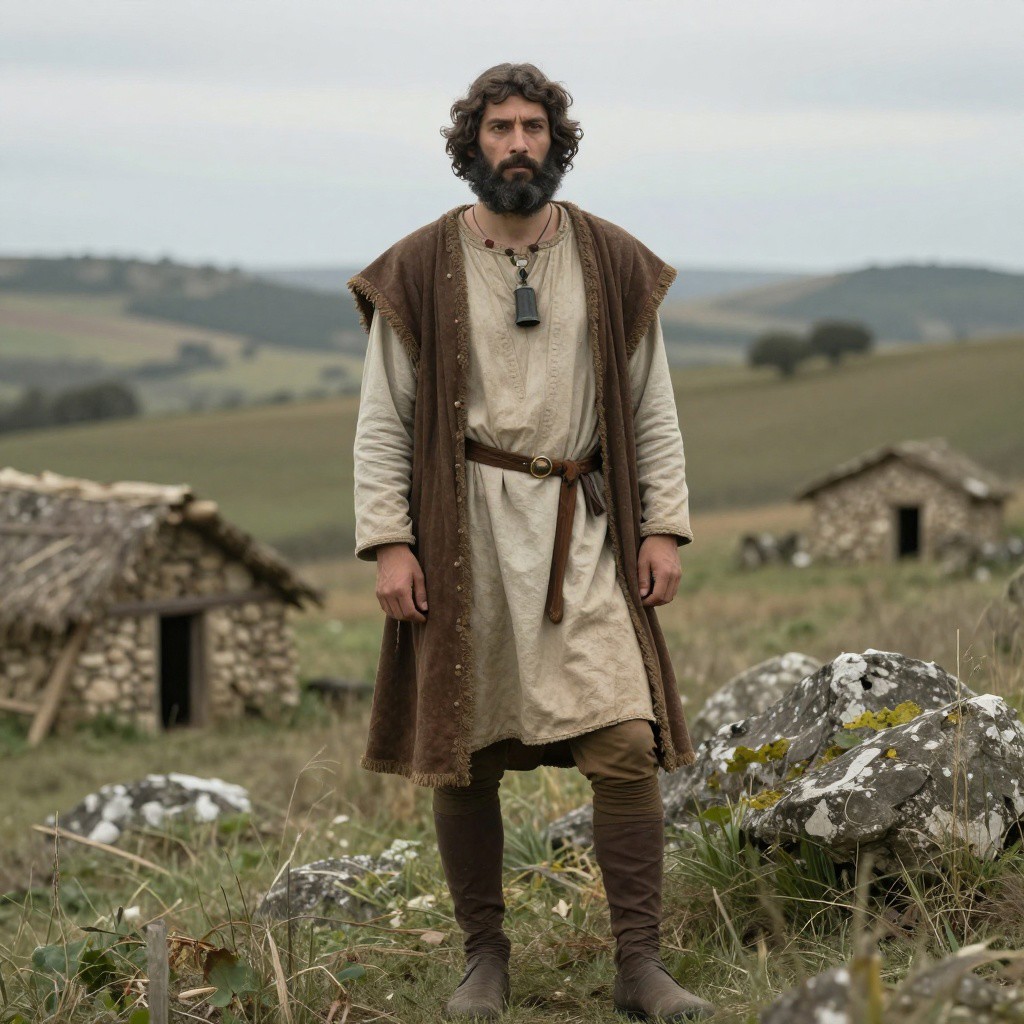
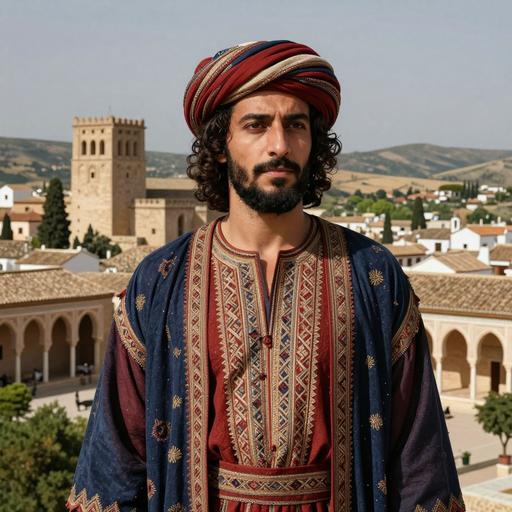
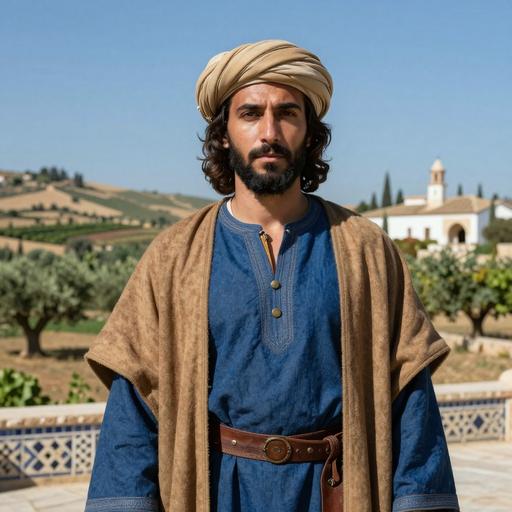
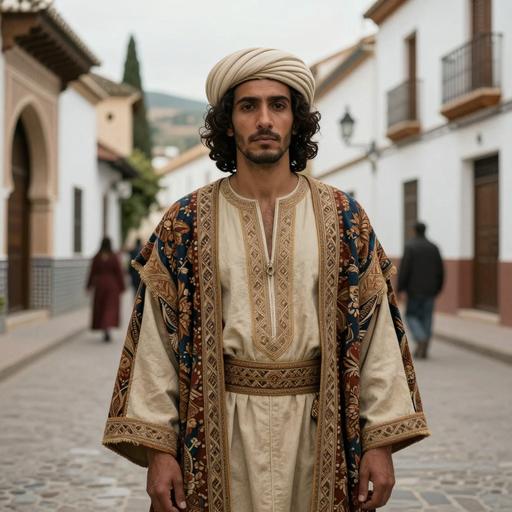
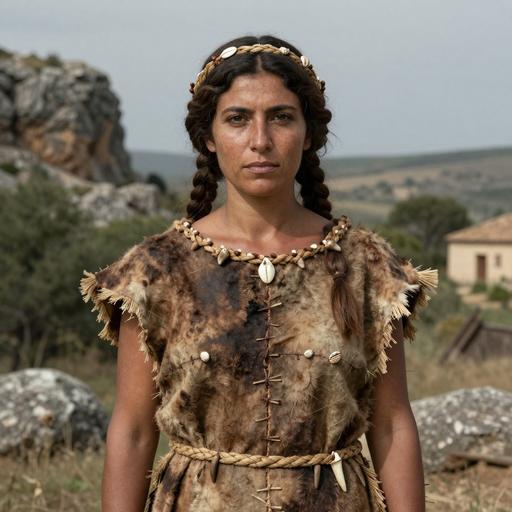
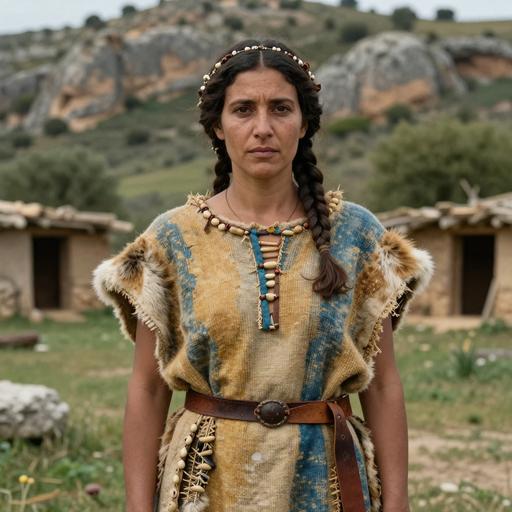
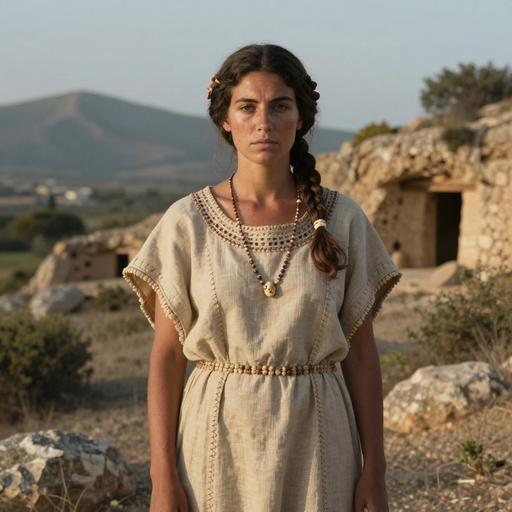
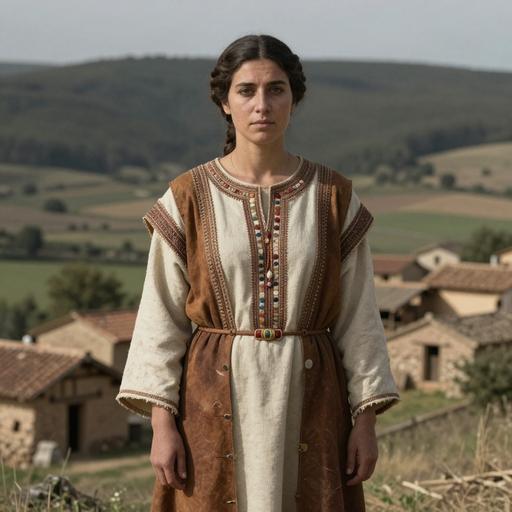
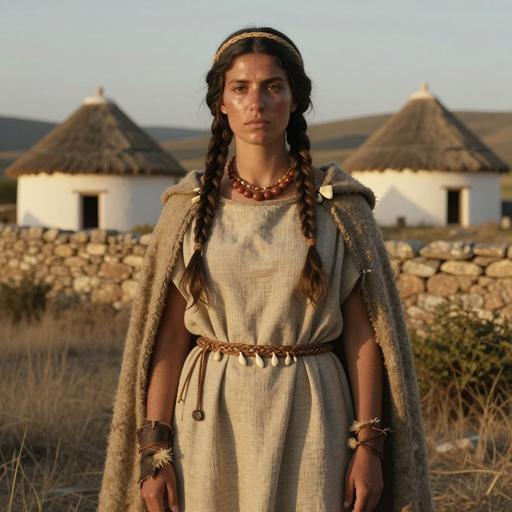
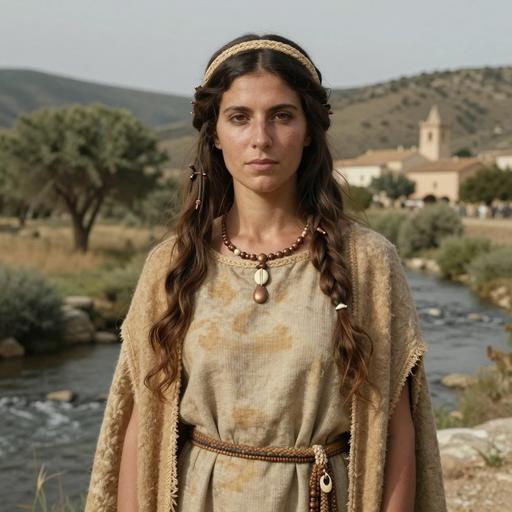
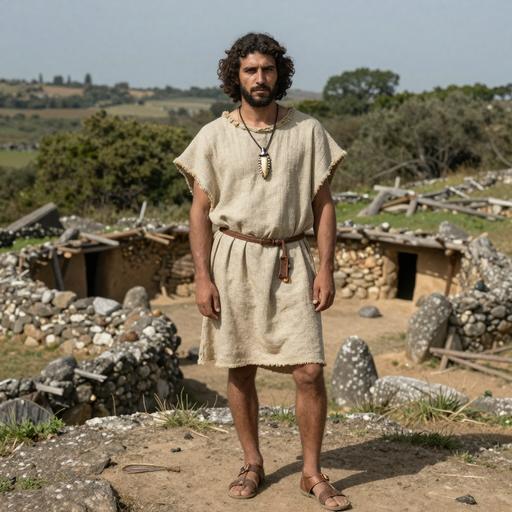
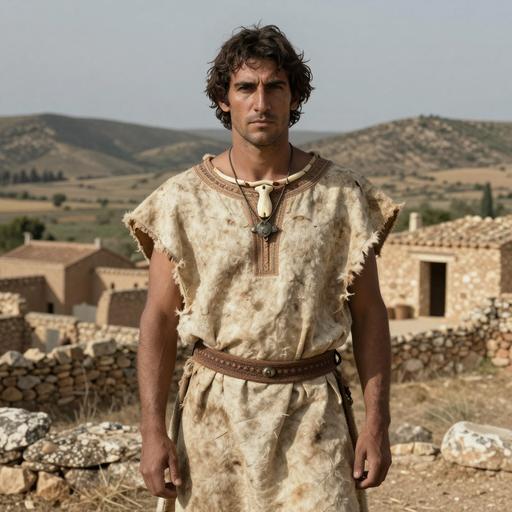
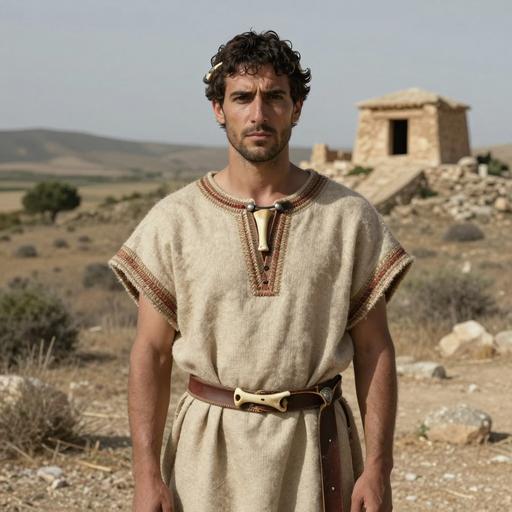
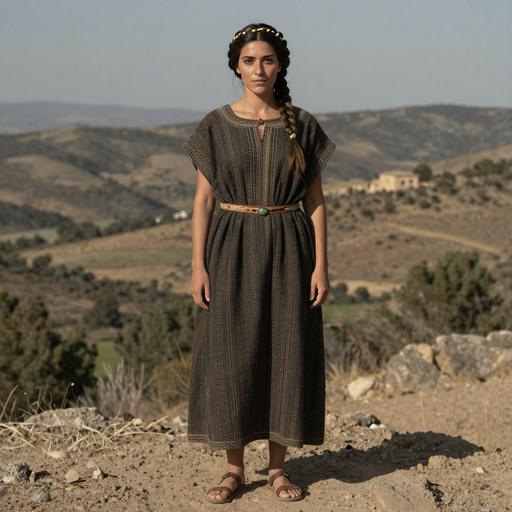
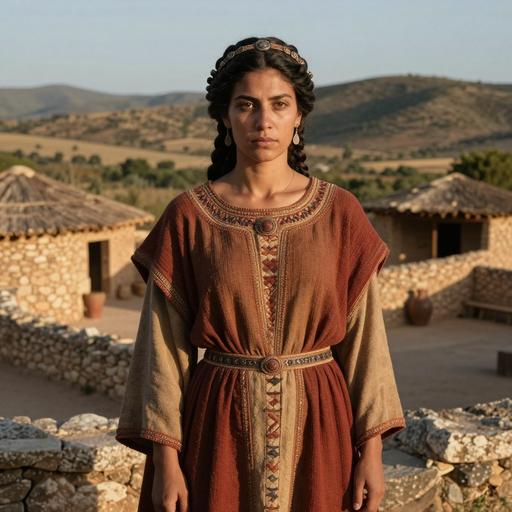
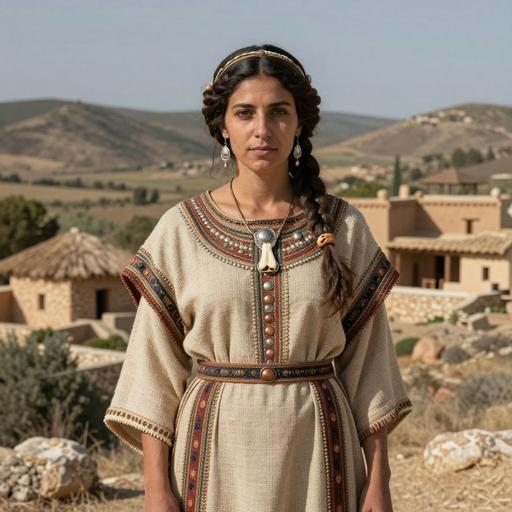
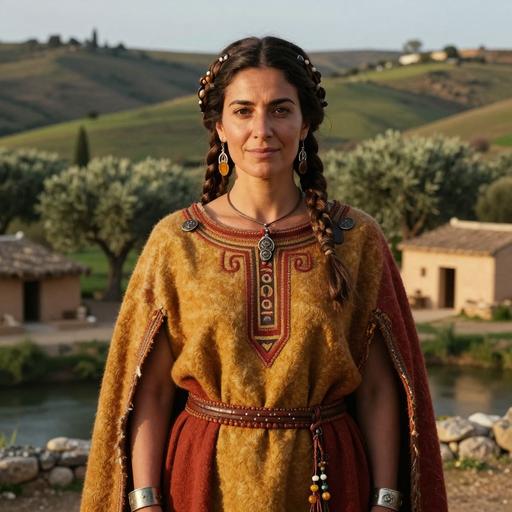
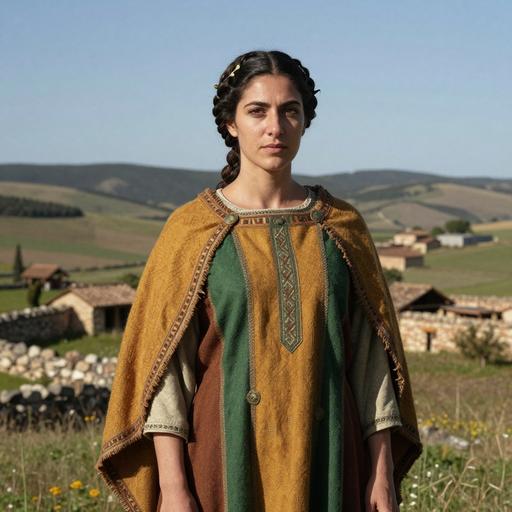
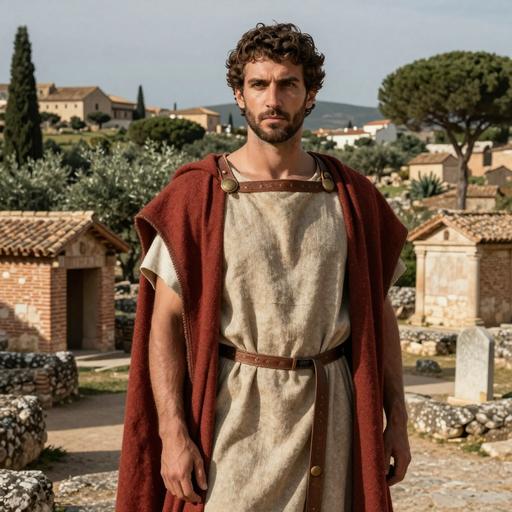
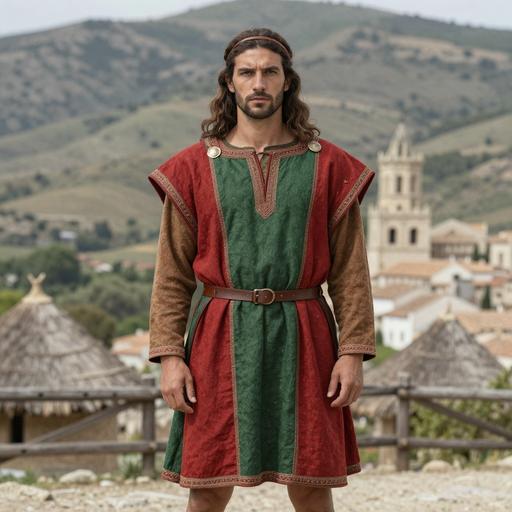
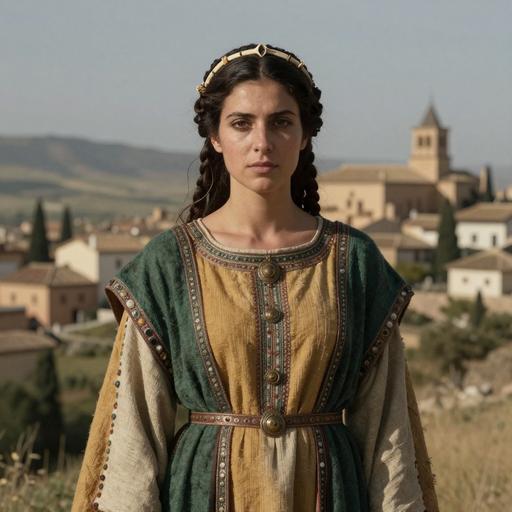
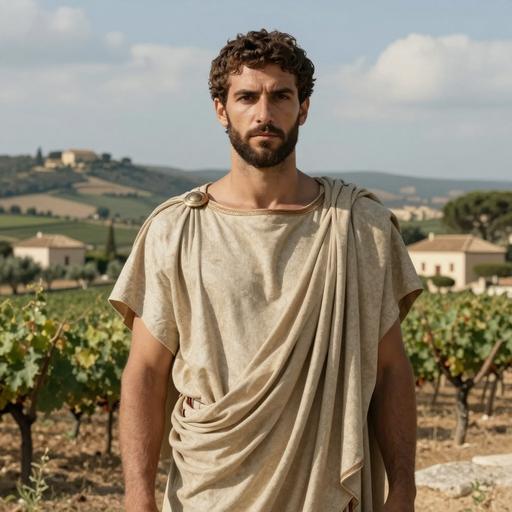
Reconstructed portrait of Late Antiquity individual, Granada. Montefrío. El Castillón, Spain (400-600 CE)
#3 Visigothic Period Granada, Spain

Late Antiquity individual, Spain

Spain , Granada. Montefrío. El Castillón

400 CE ~1,626 years ago

Quick View
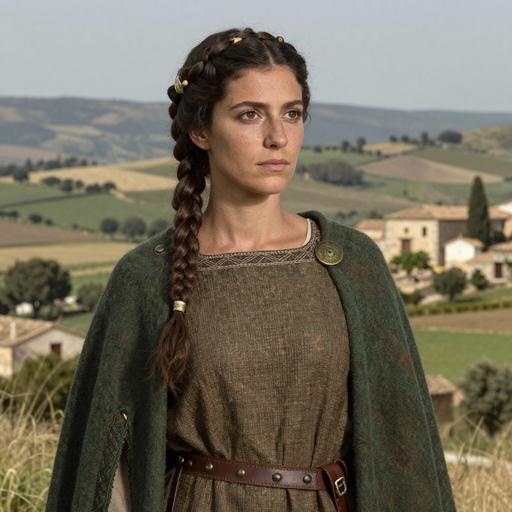
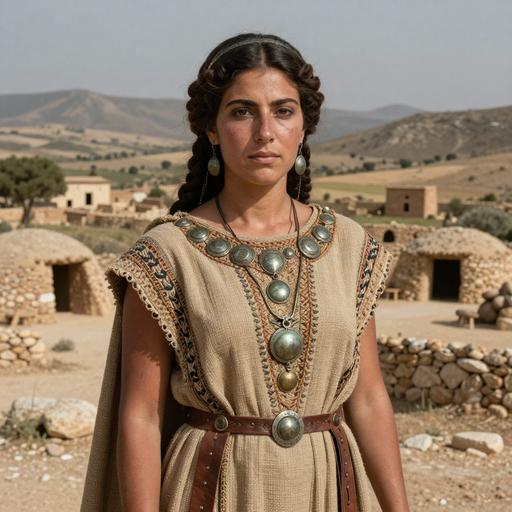
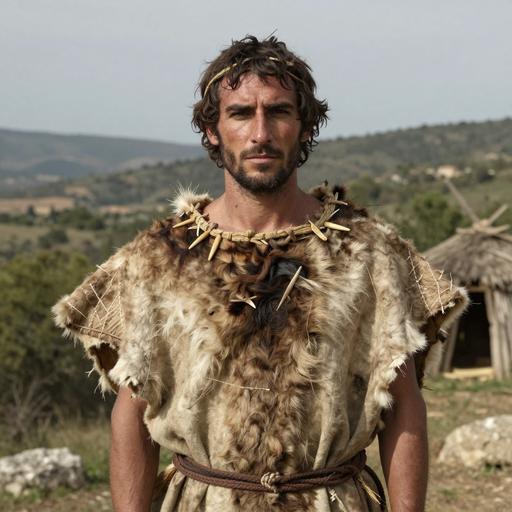
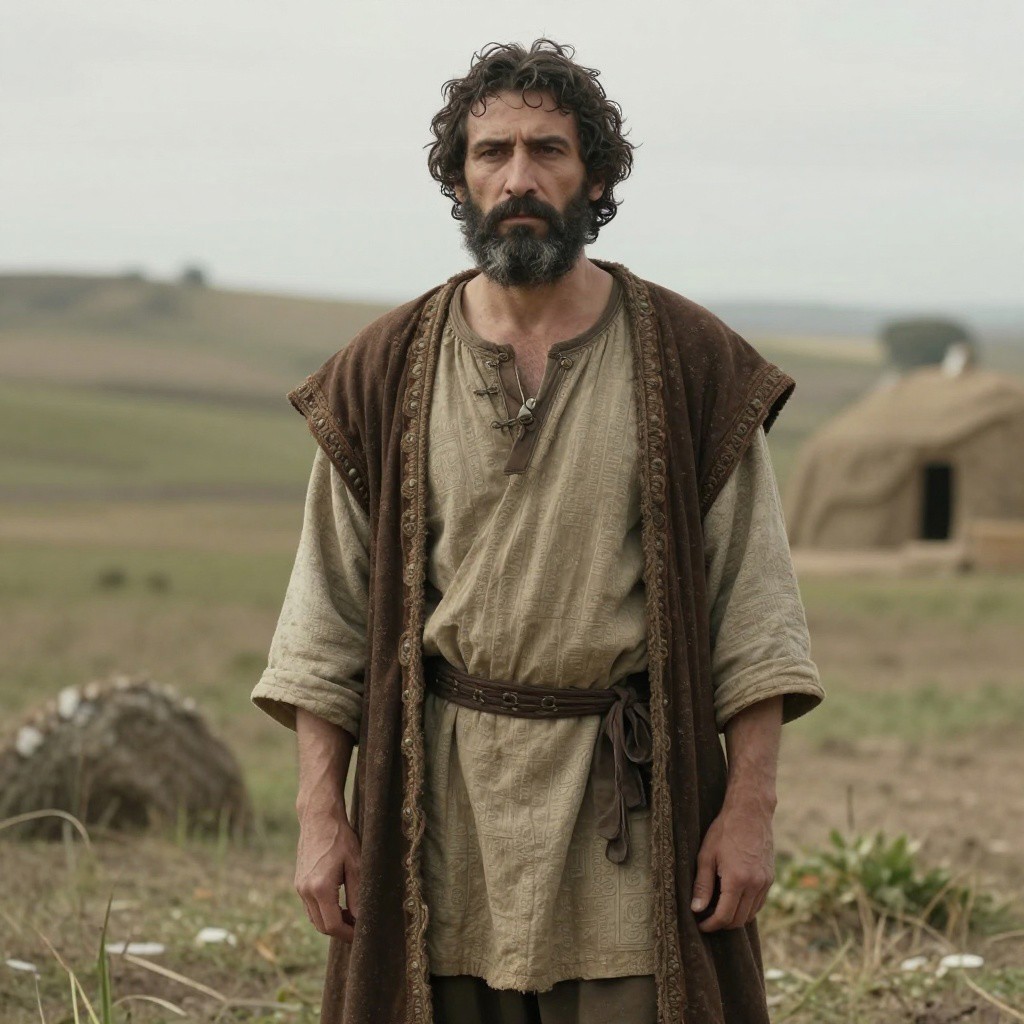
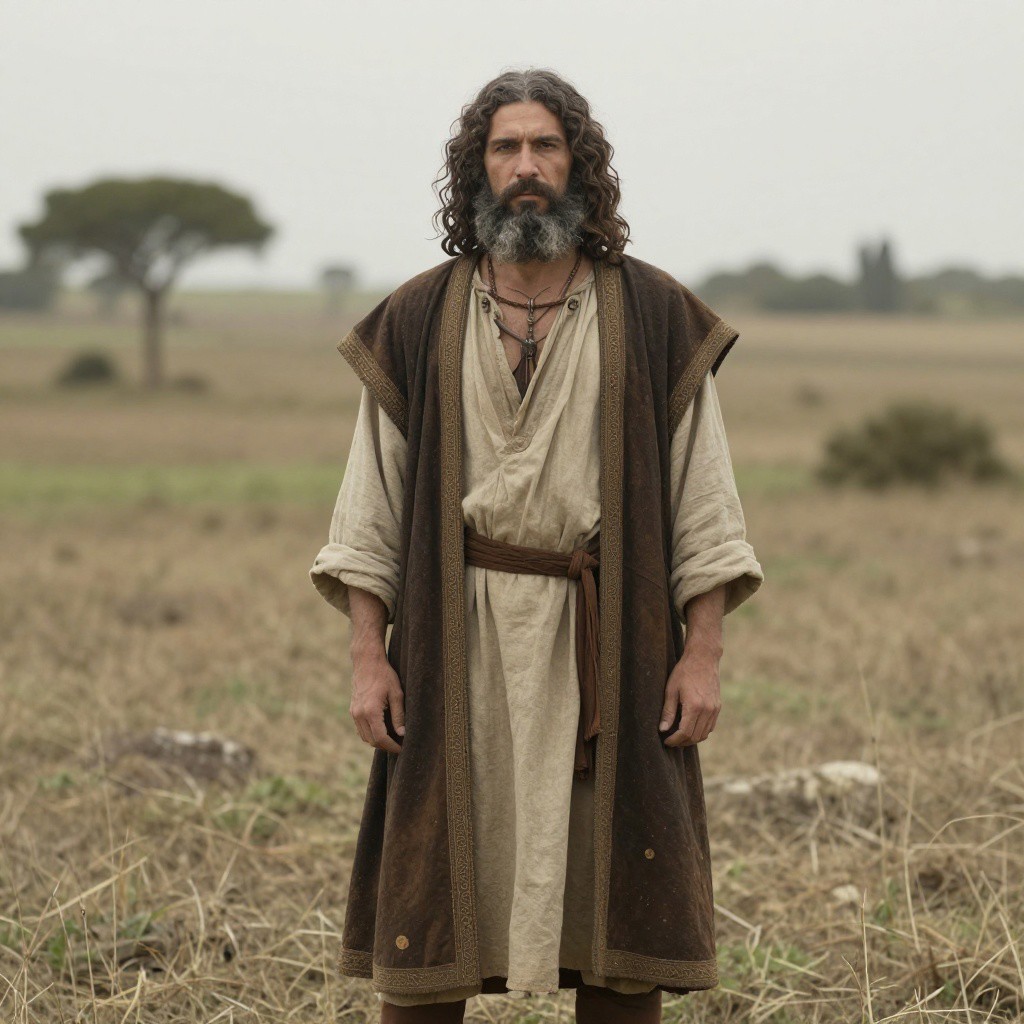
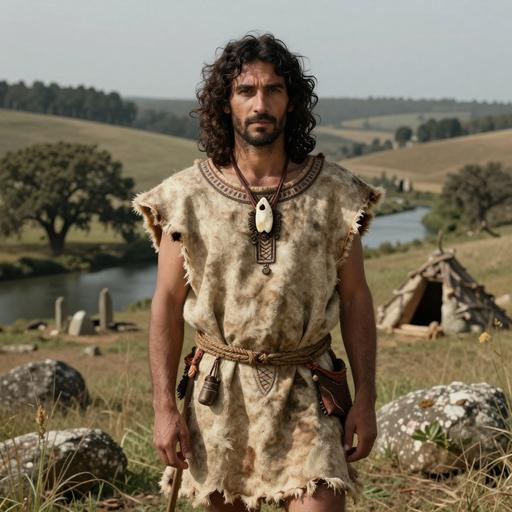
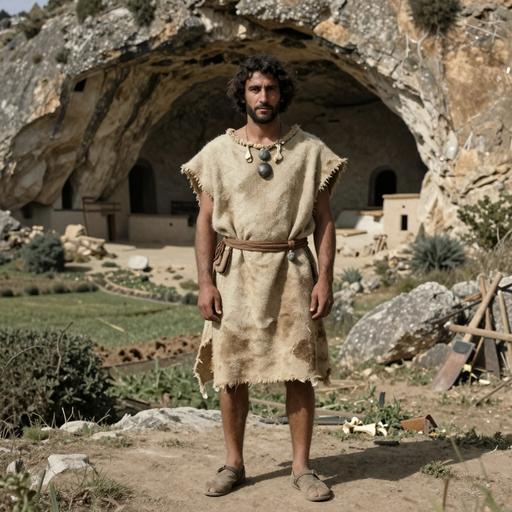
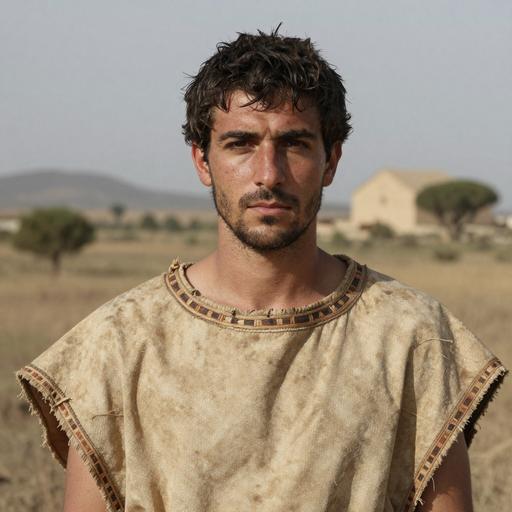
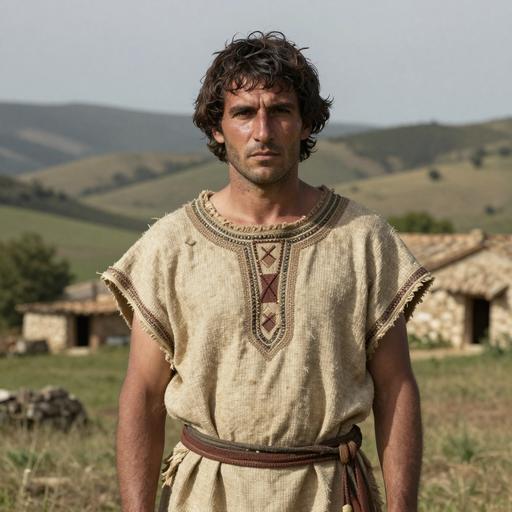
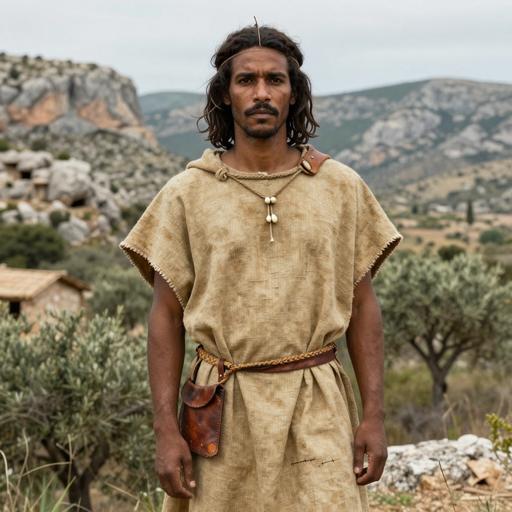
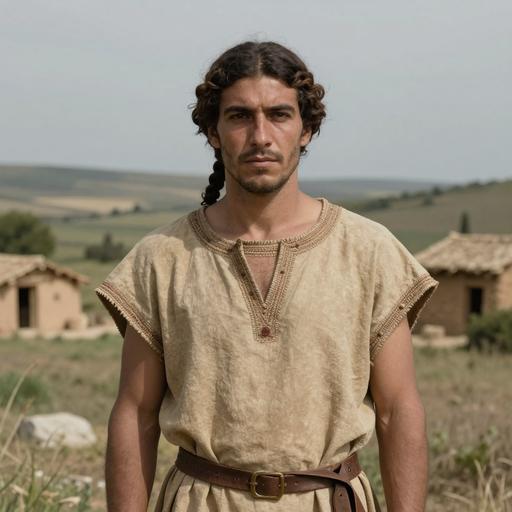
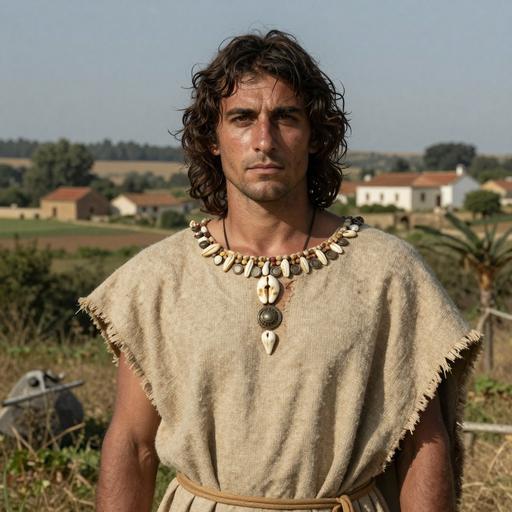
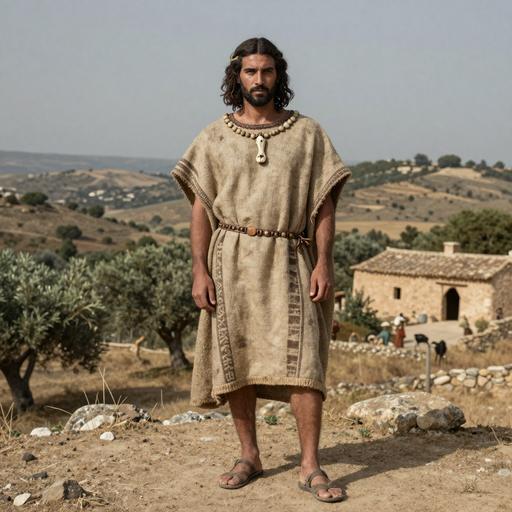
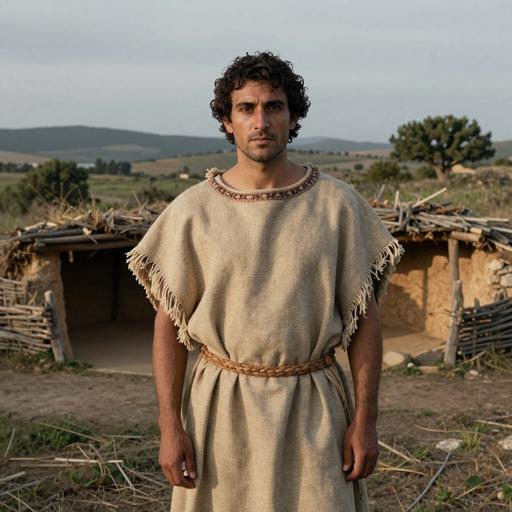
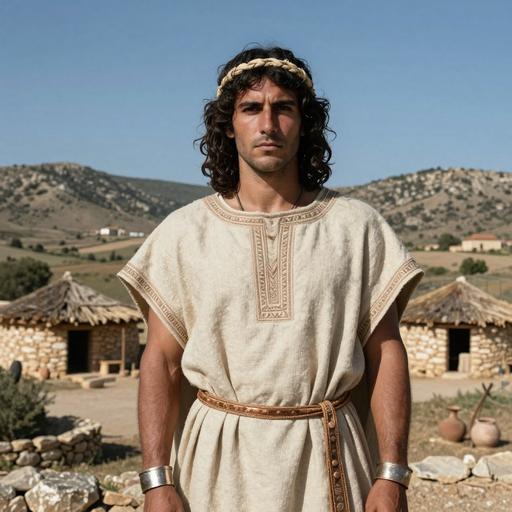
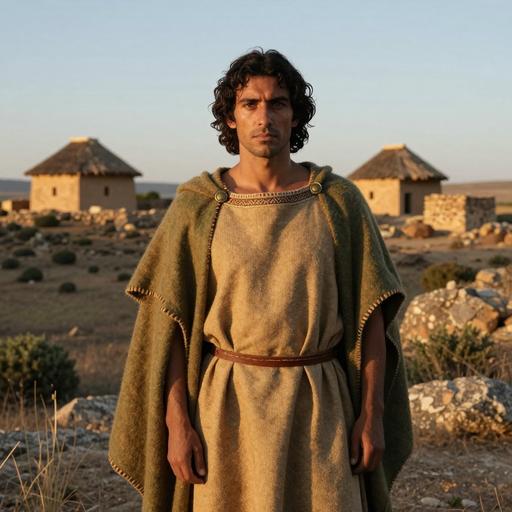
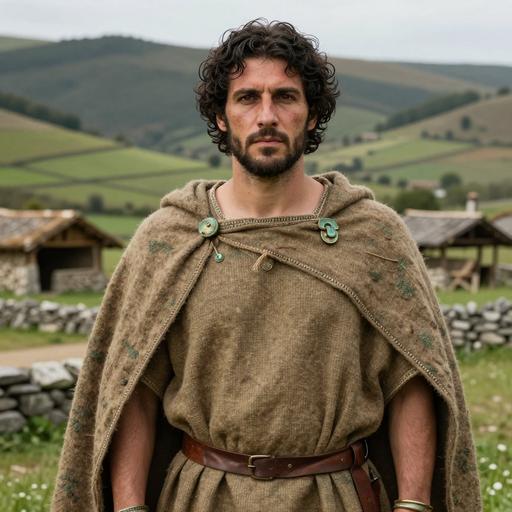
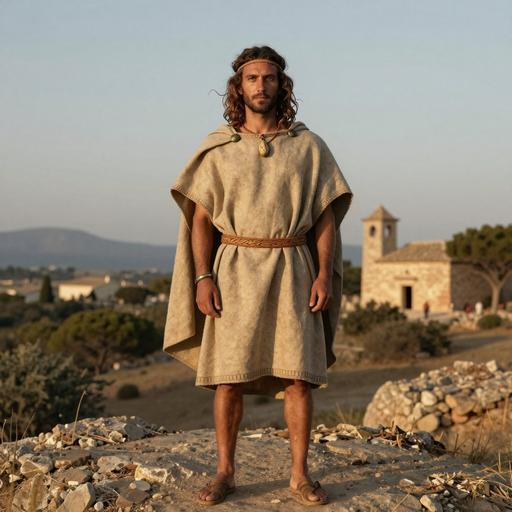
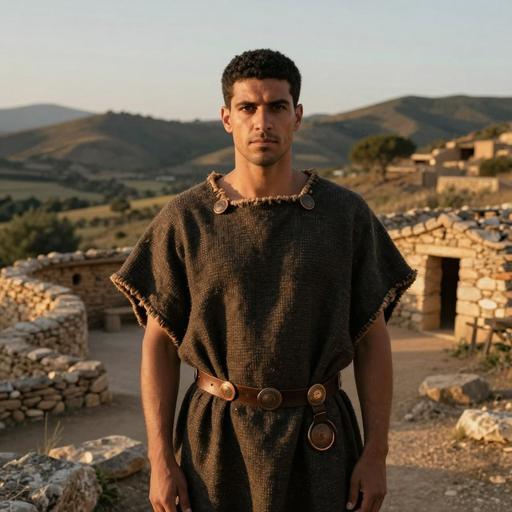
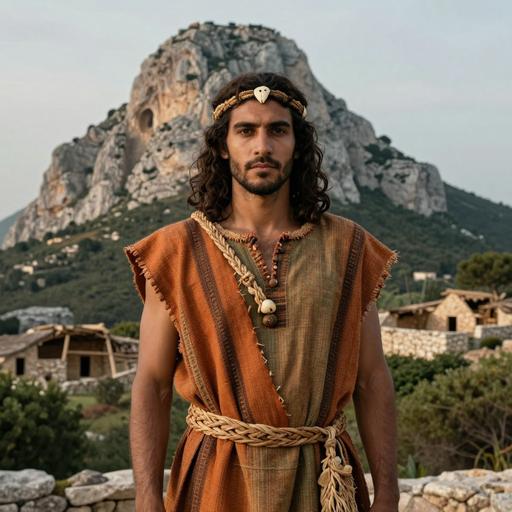
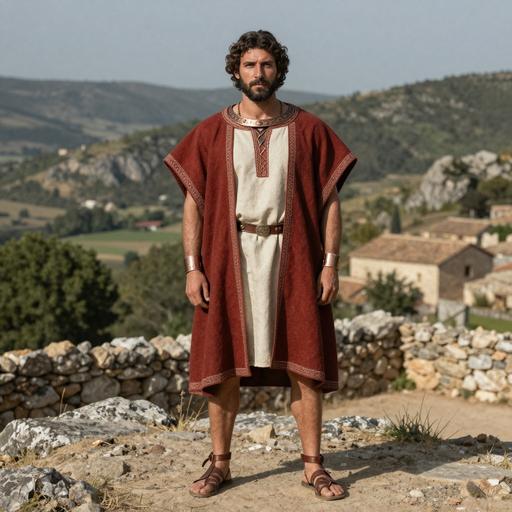
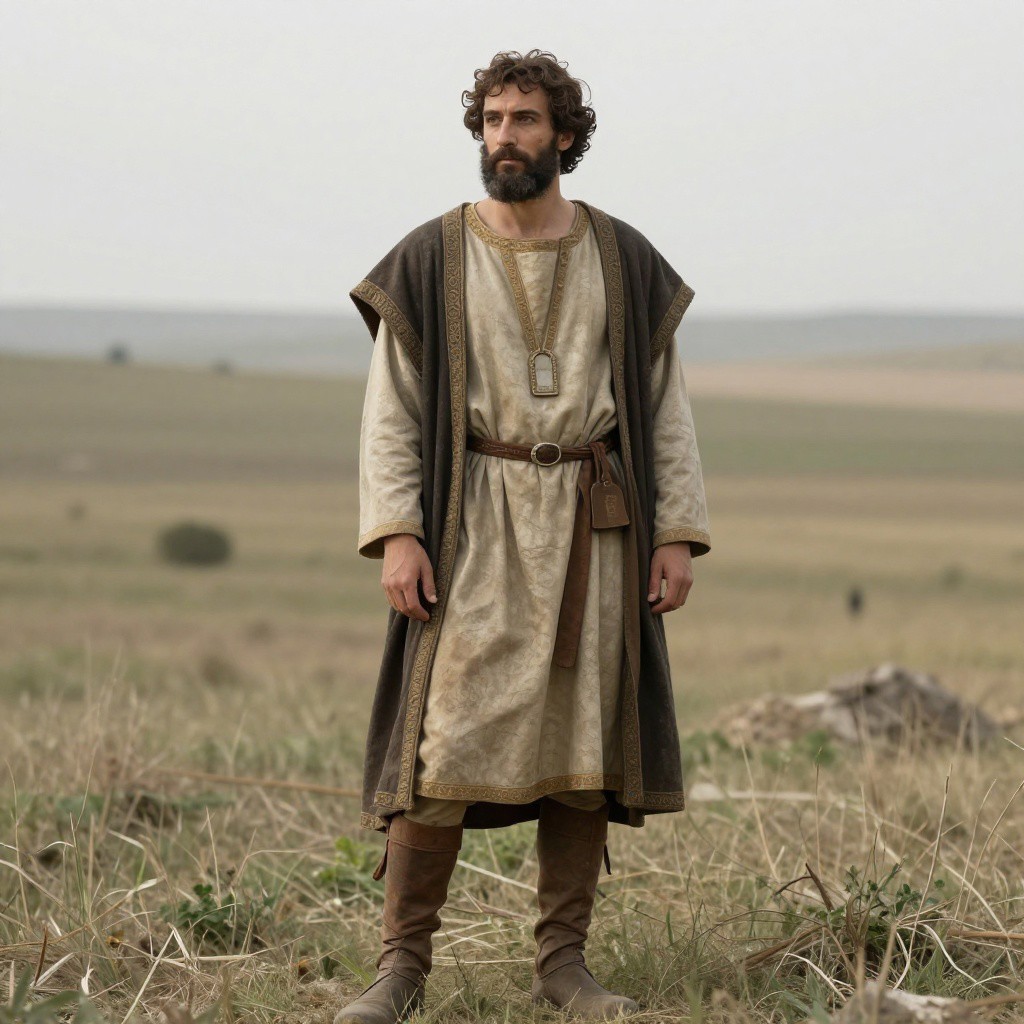
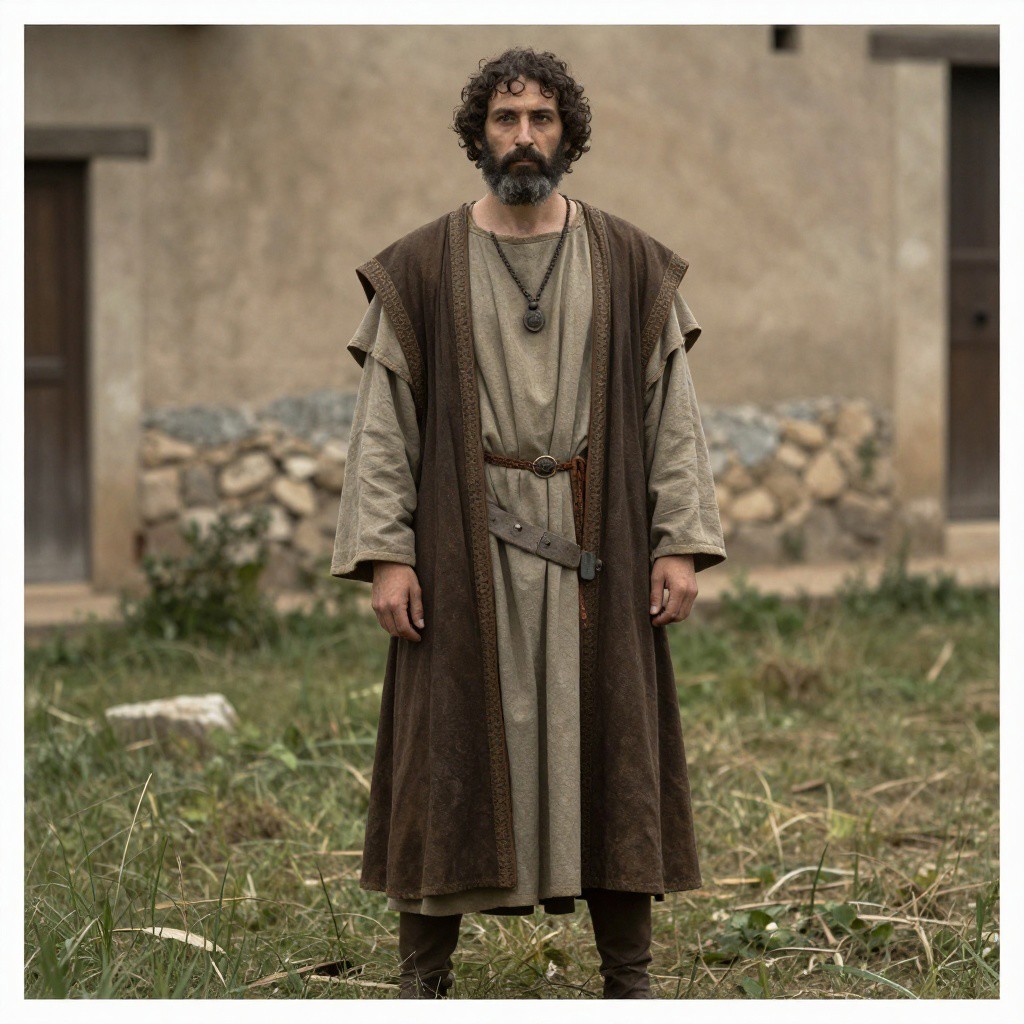
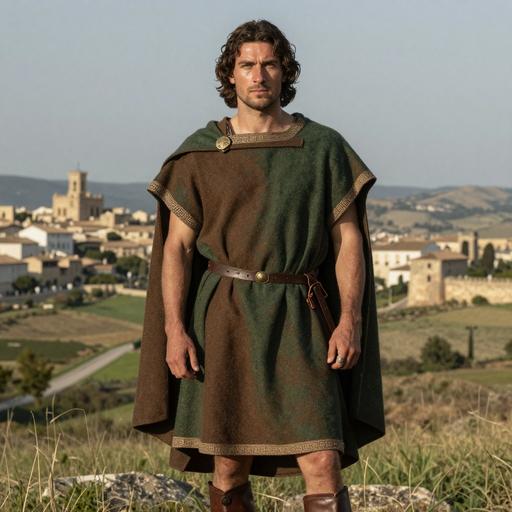
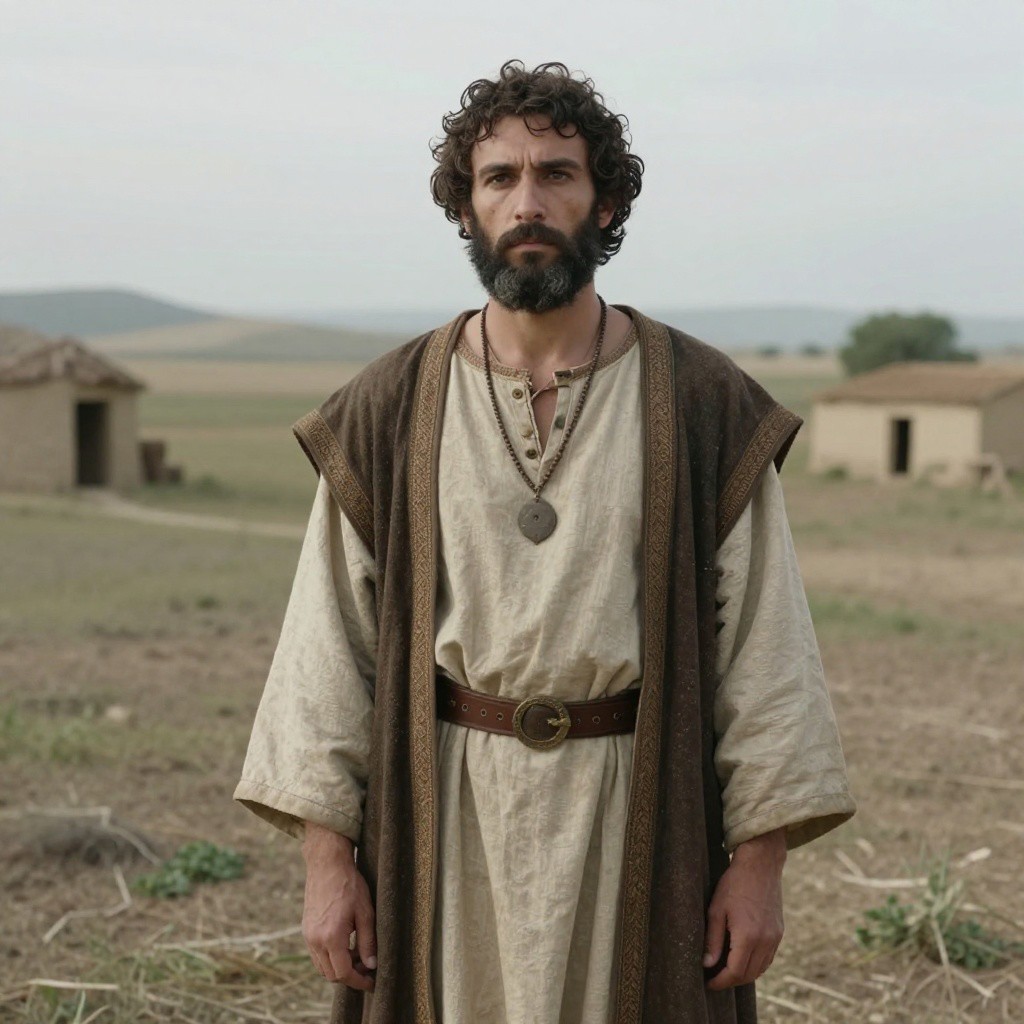
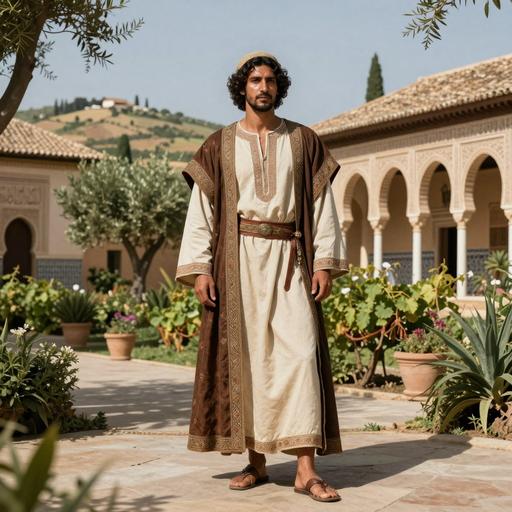
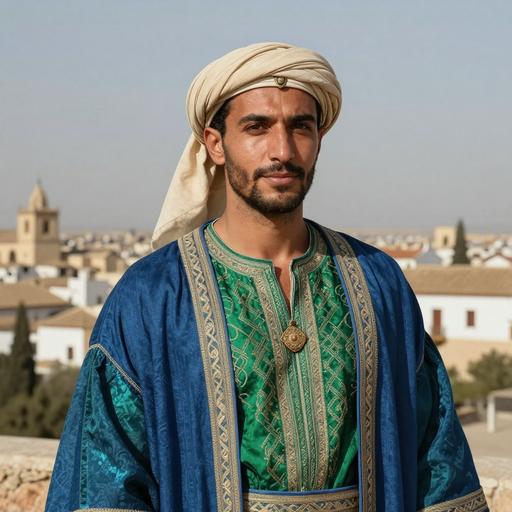
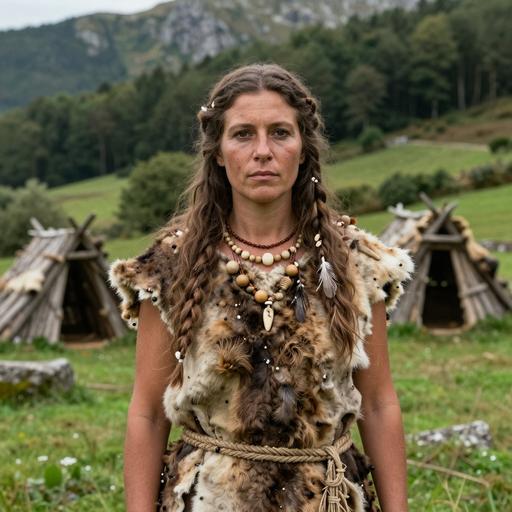
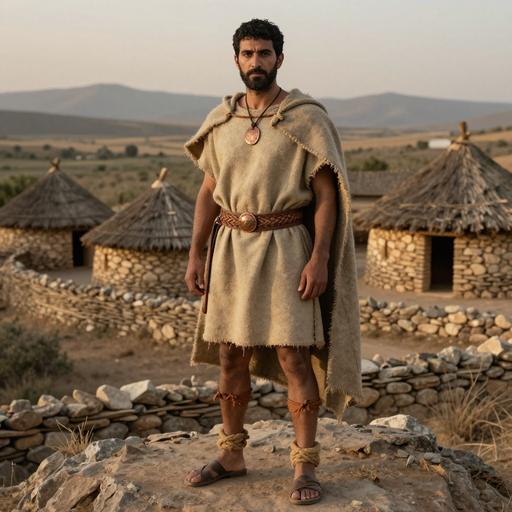
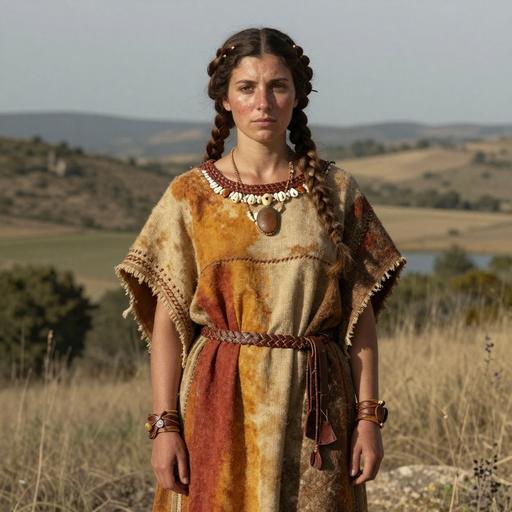
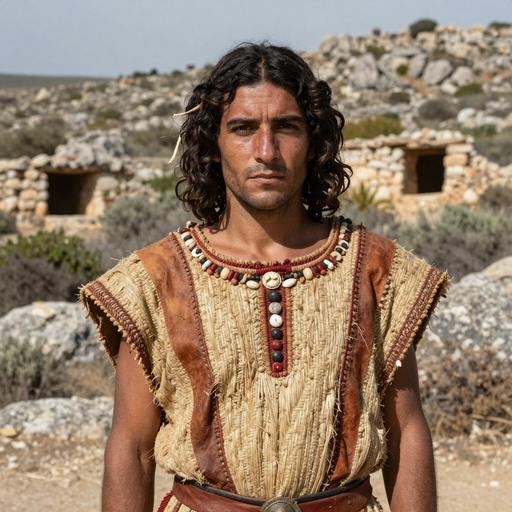
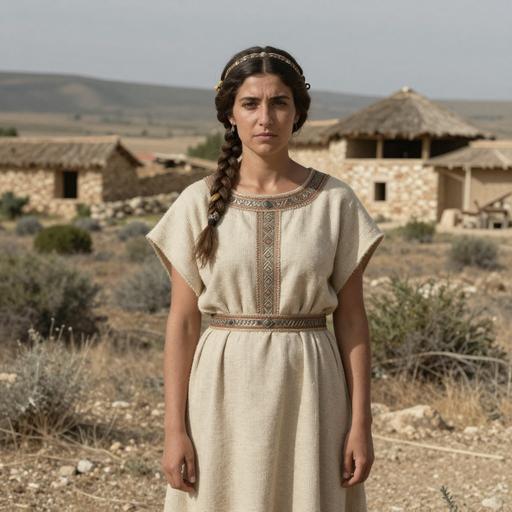
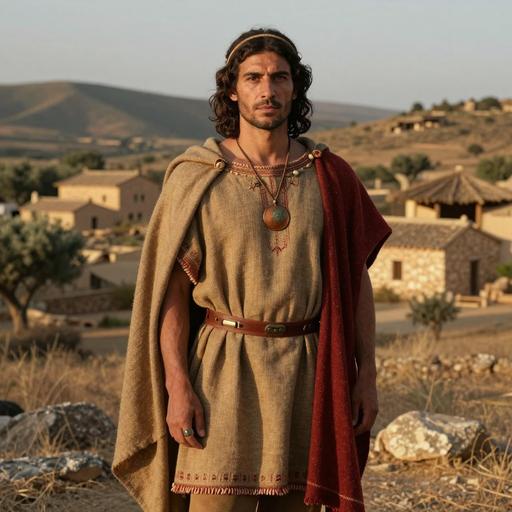
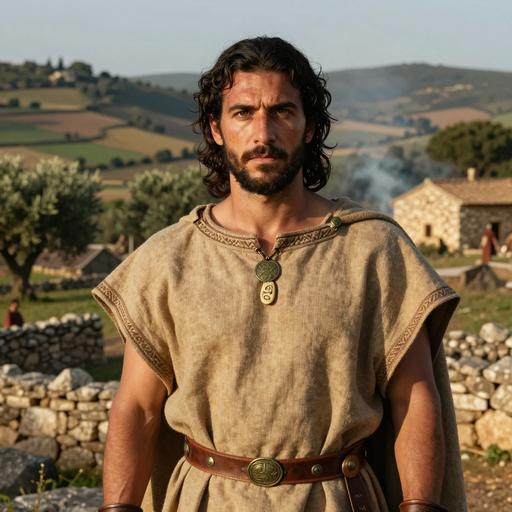
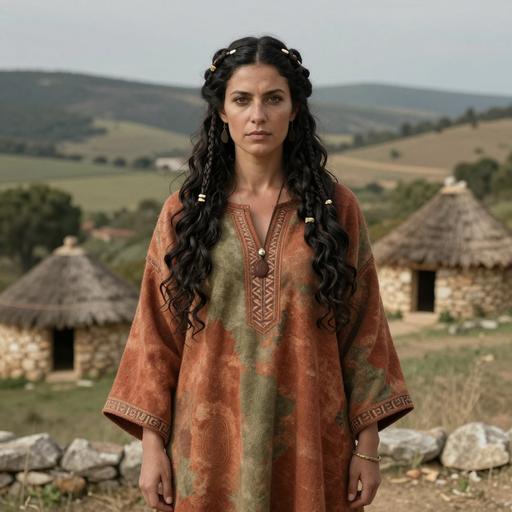
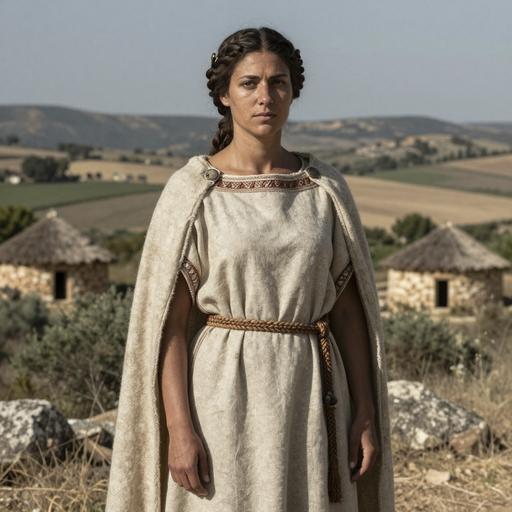
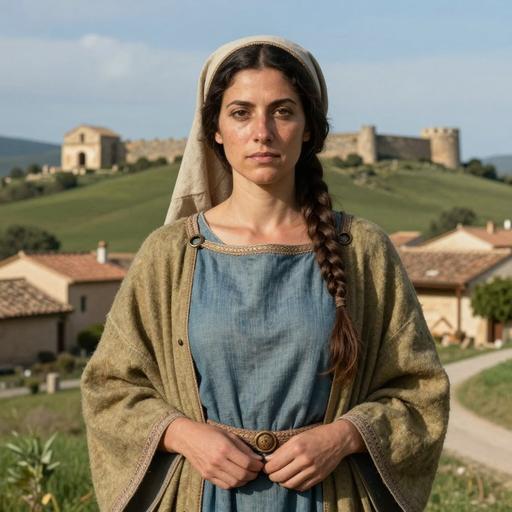
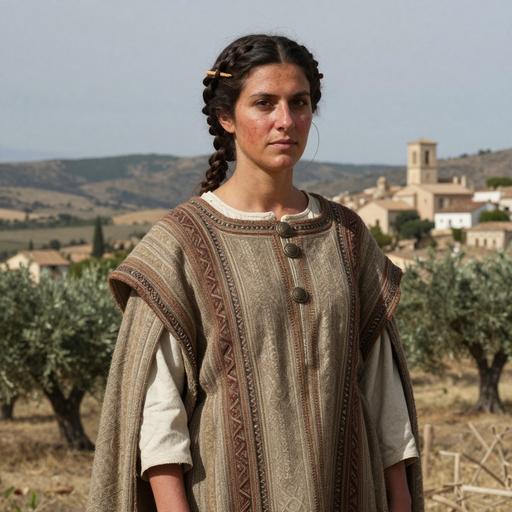
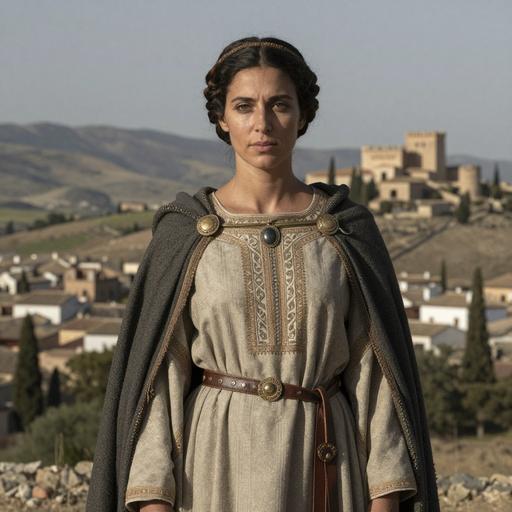
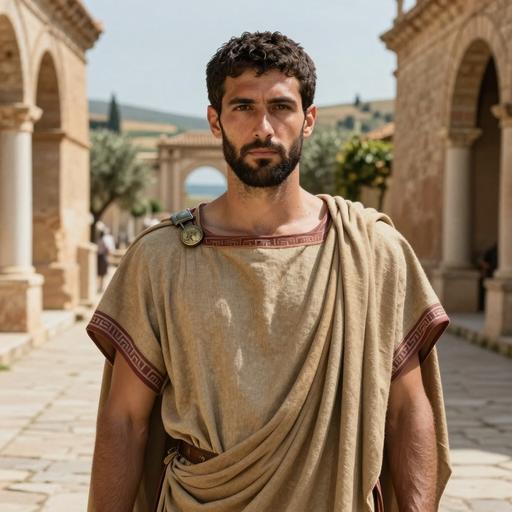
Reconstructed portrait of Late Antiquity Imperial Roman Roman individual, Cascais. Miroiço, Portugal (250-600 CE)
#4 Late Roman Miroico, Portugal

Late Antiquity Imperial Roman Roman individual, Portugal

Portugal , Cascais. Miroiço

250 CE ~1,776 years ago

Quick View
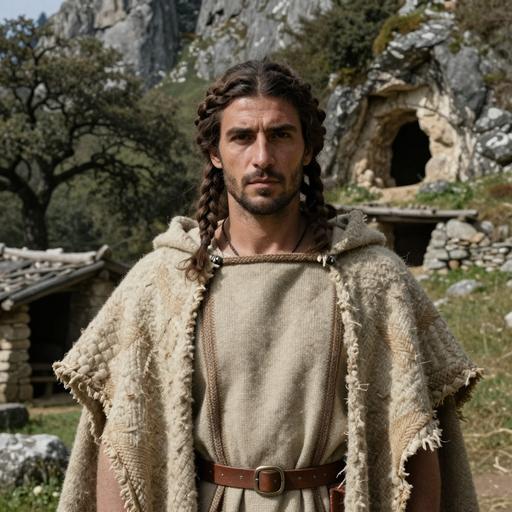
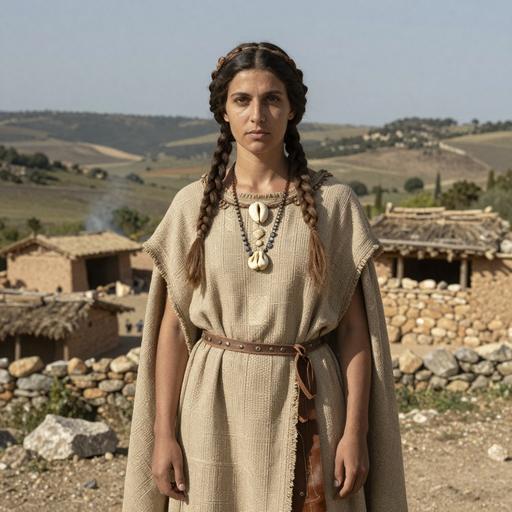
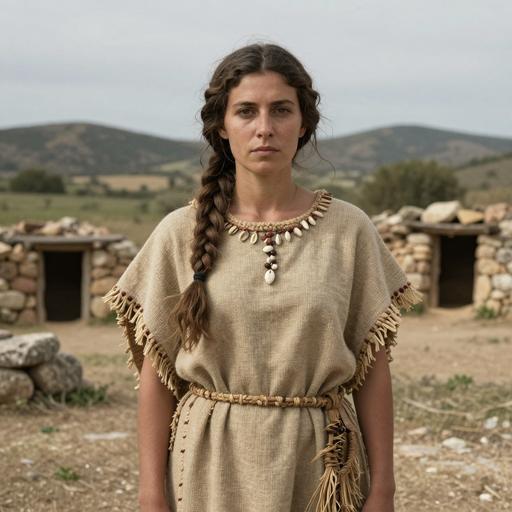
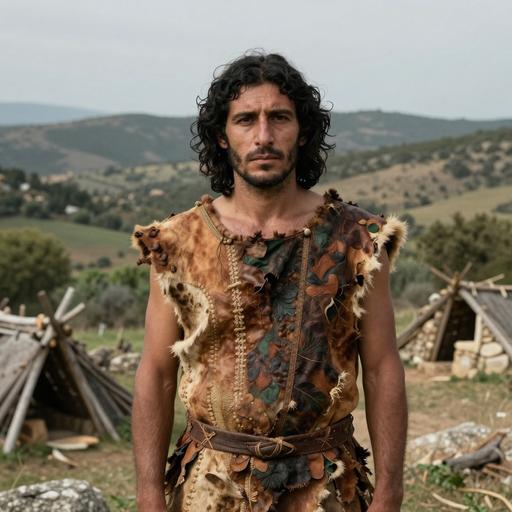
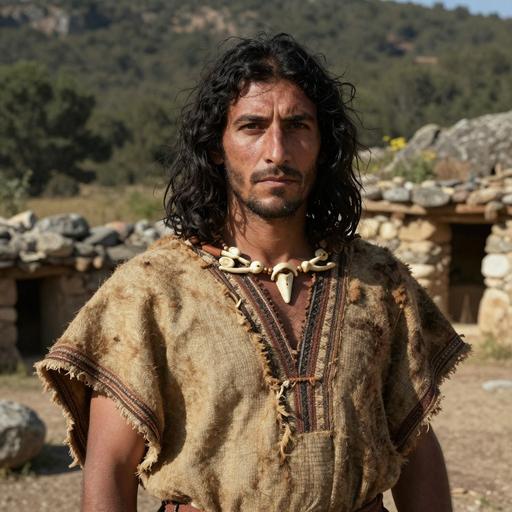
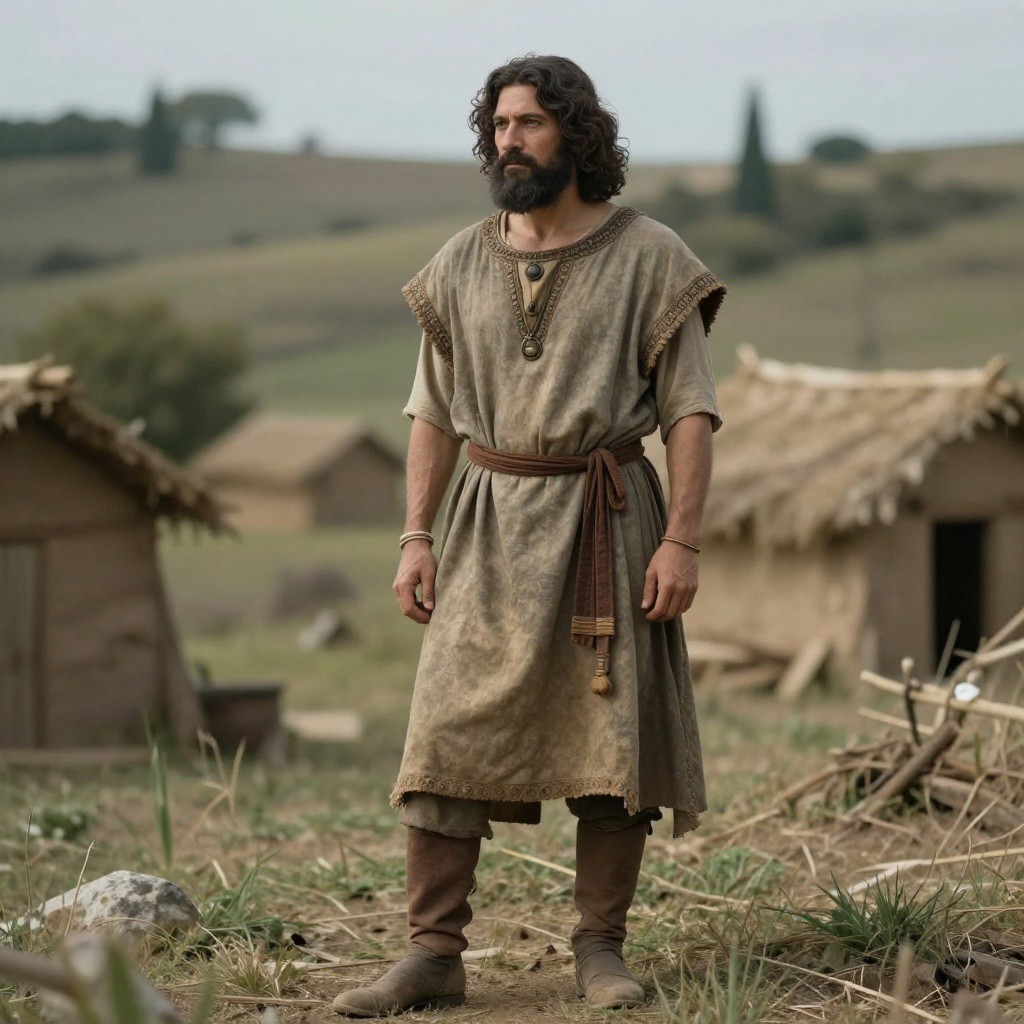
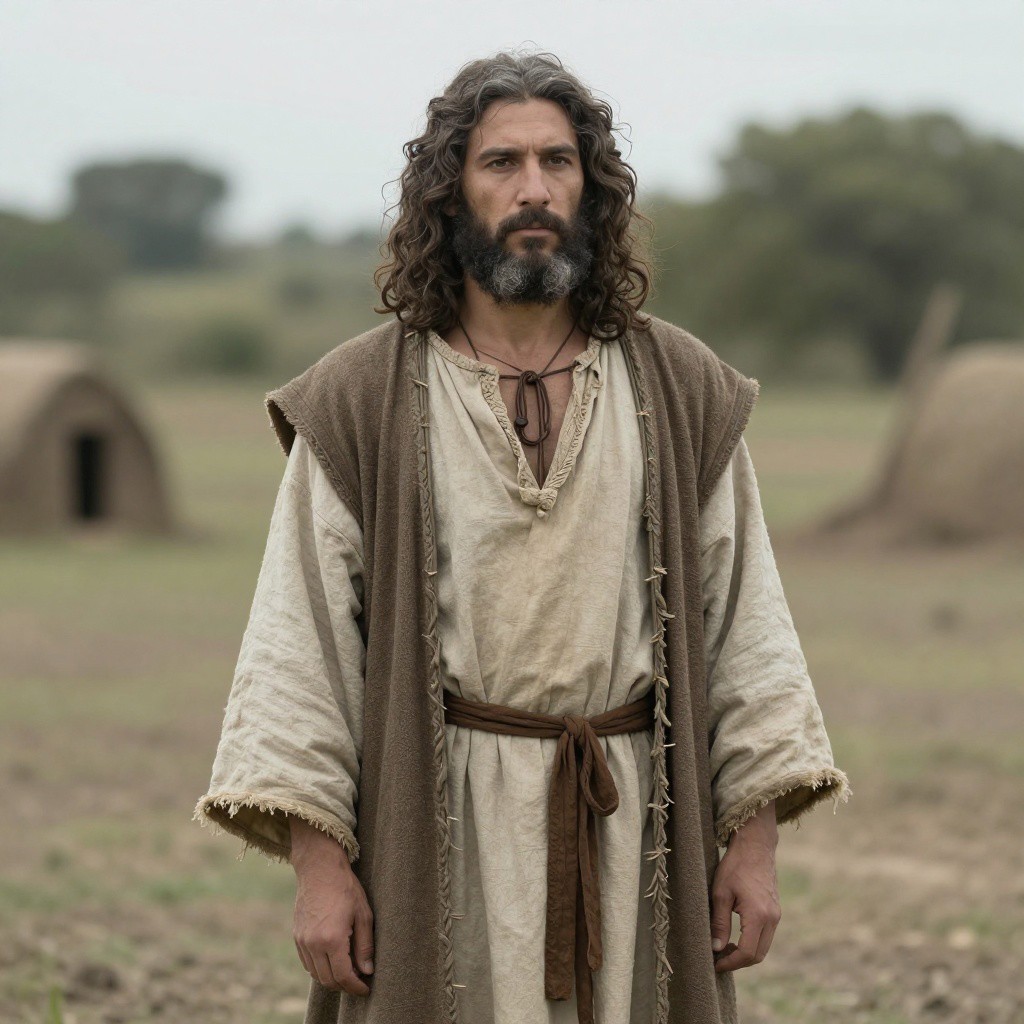
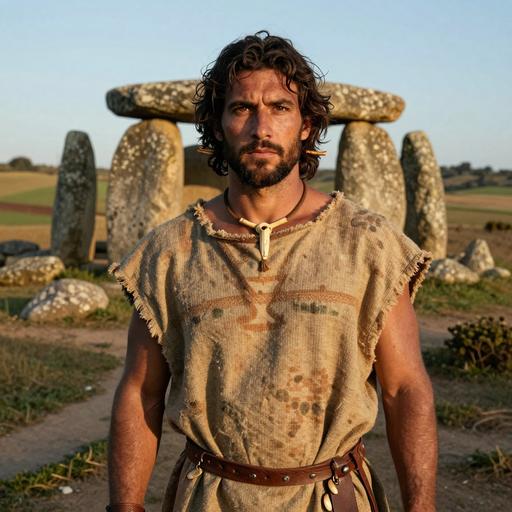
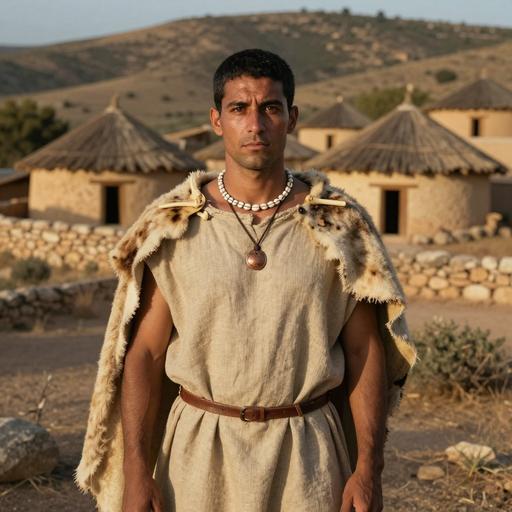
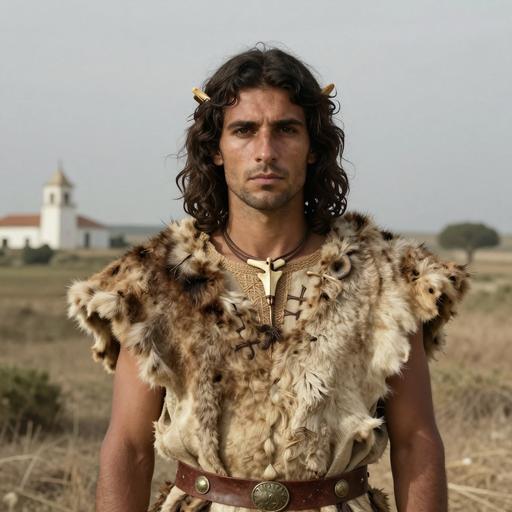
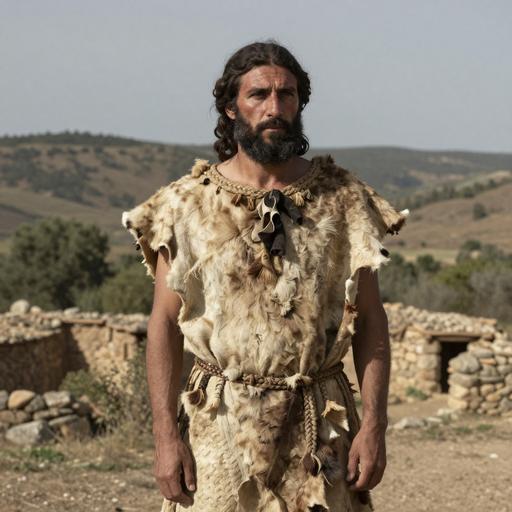
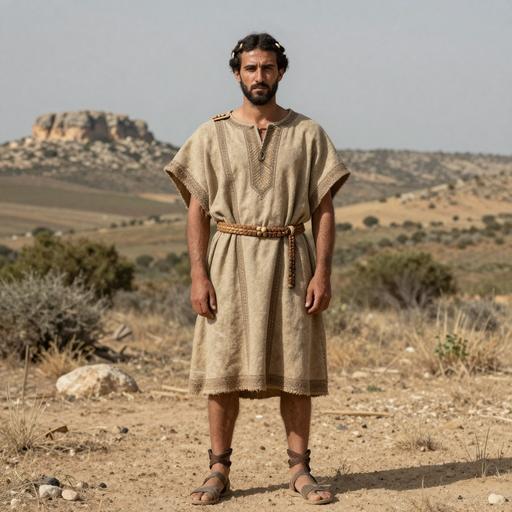
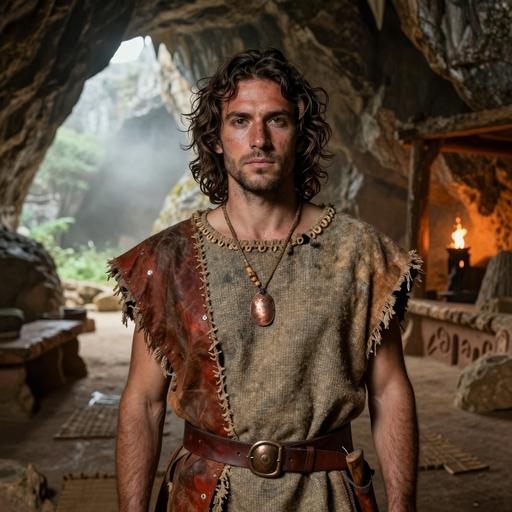
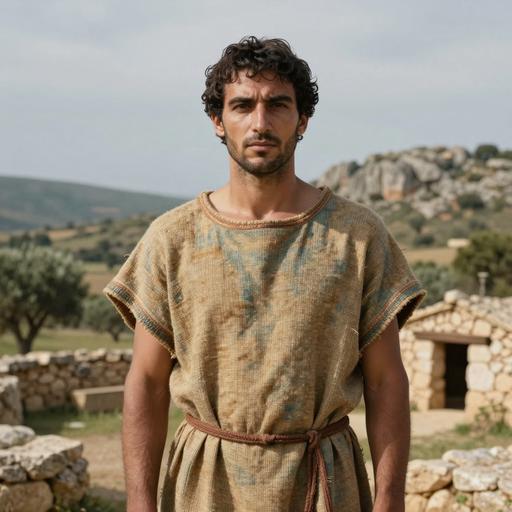
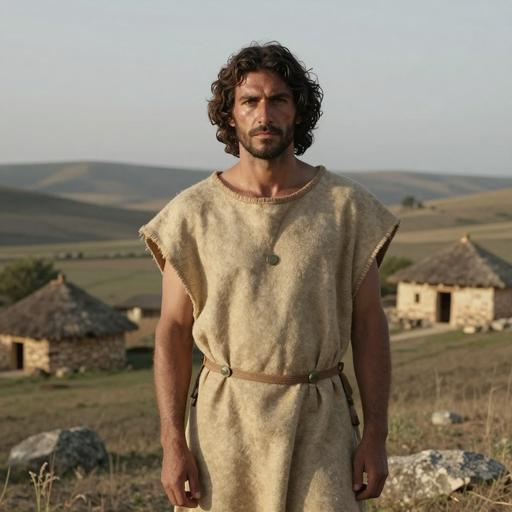
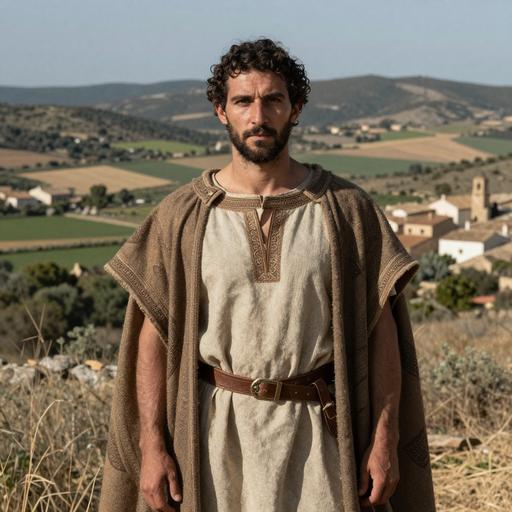
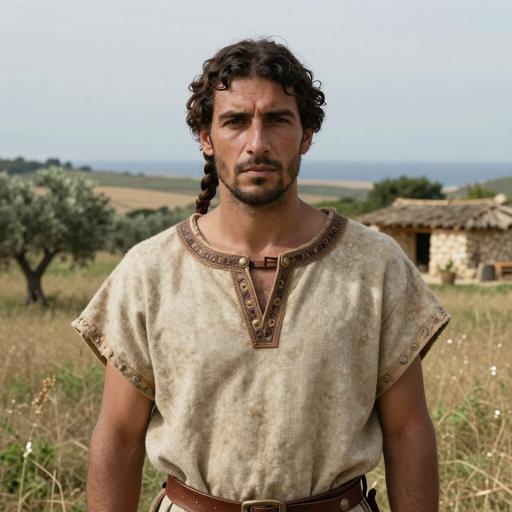
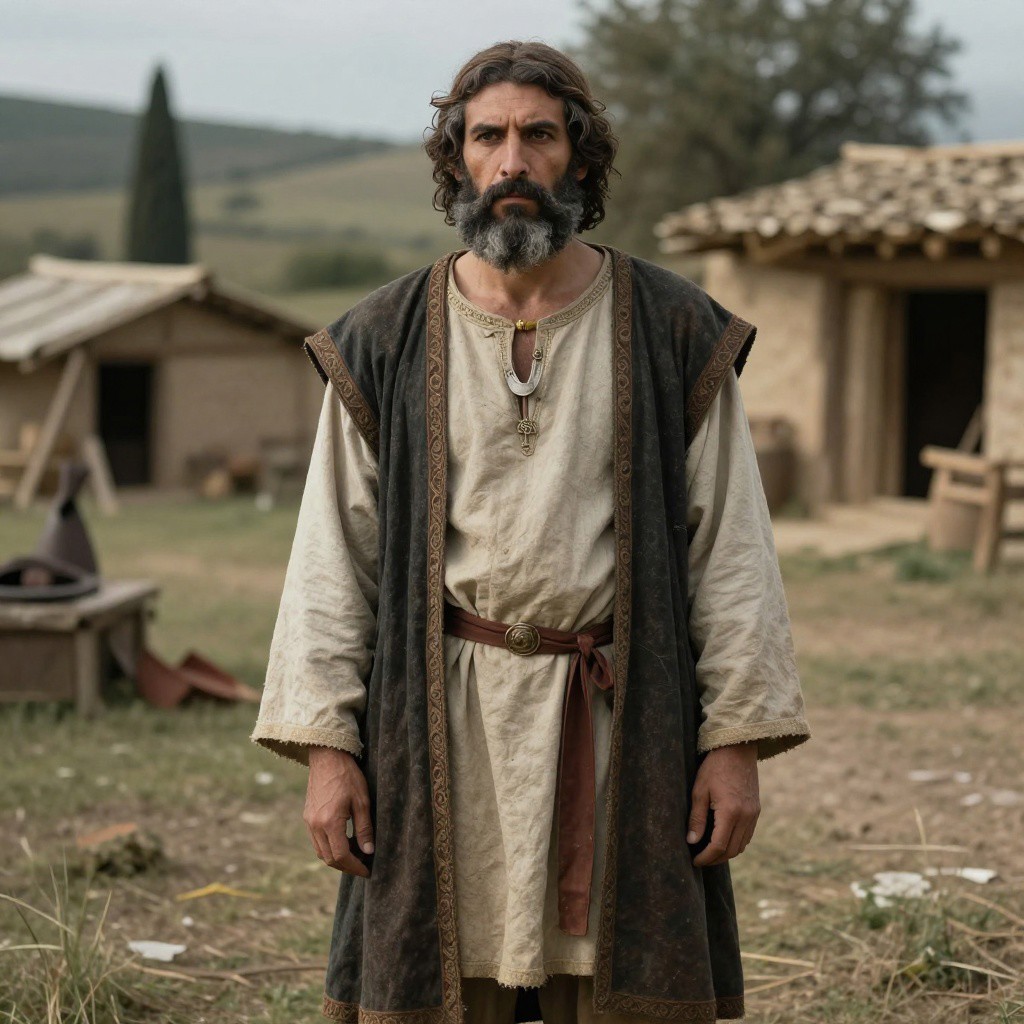
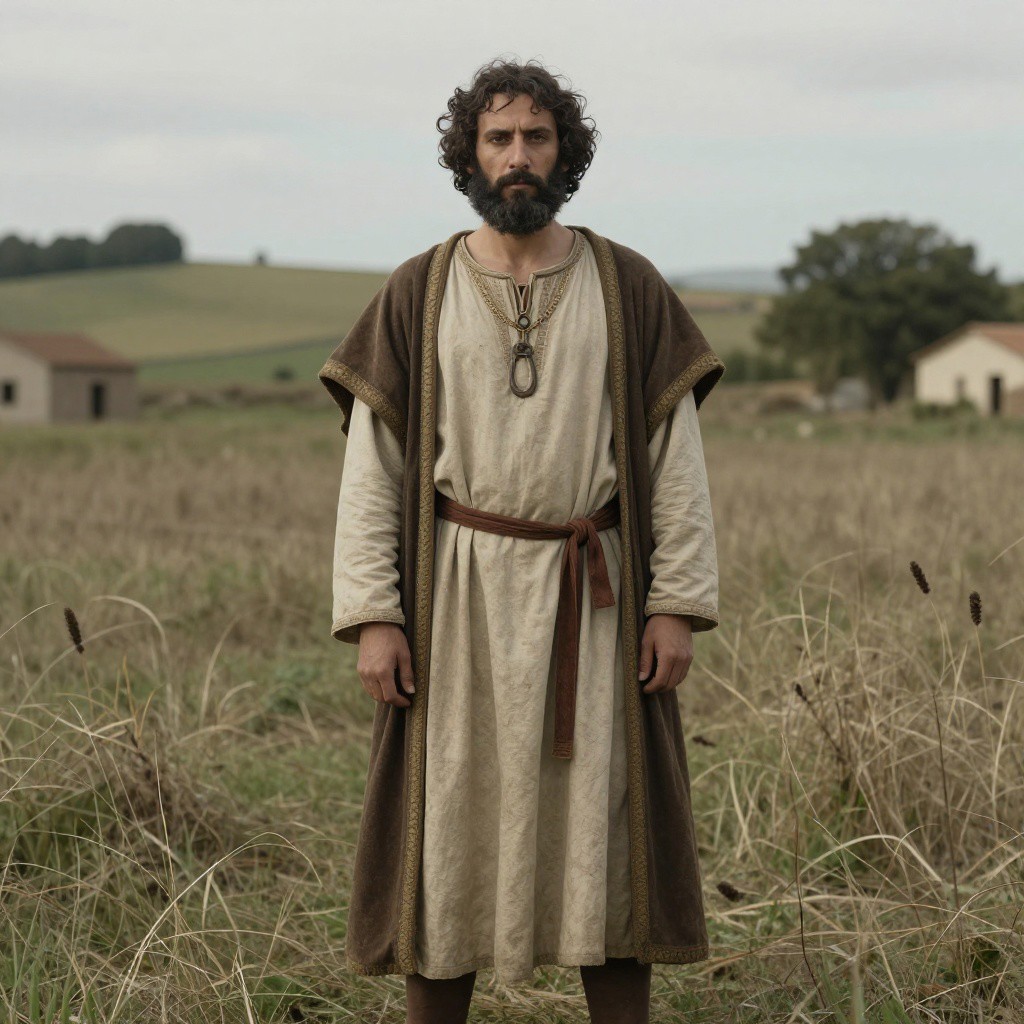
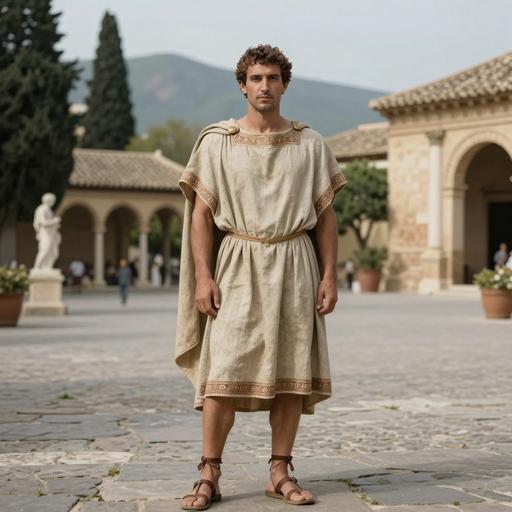
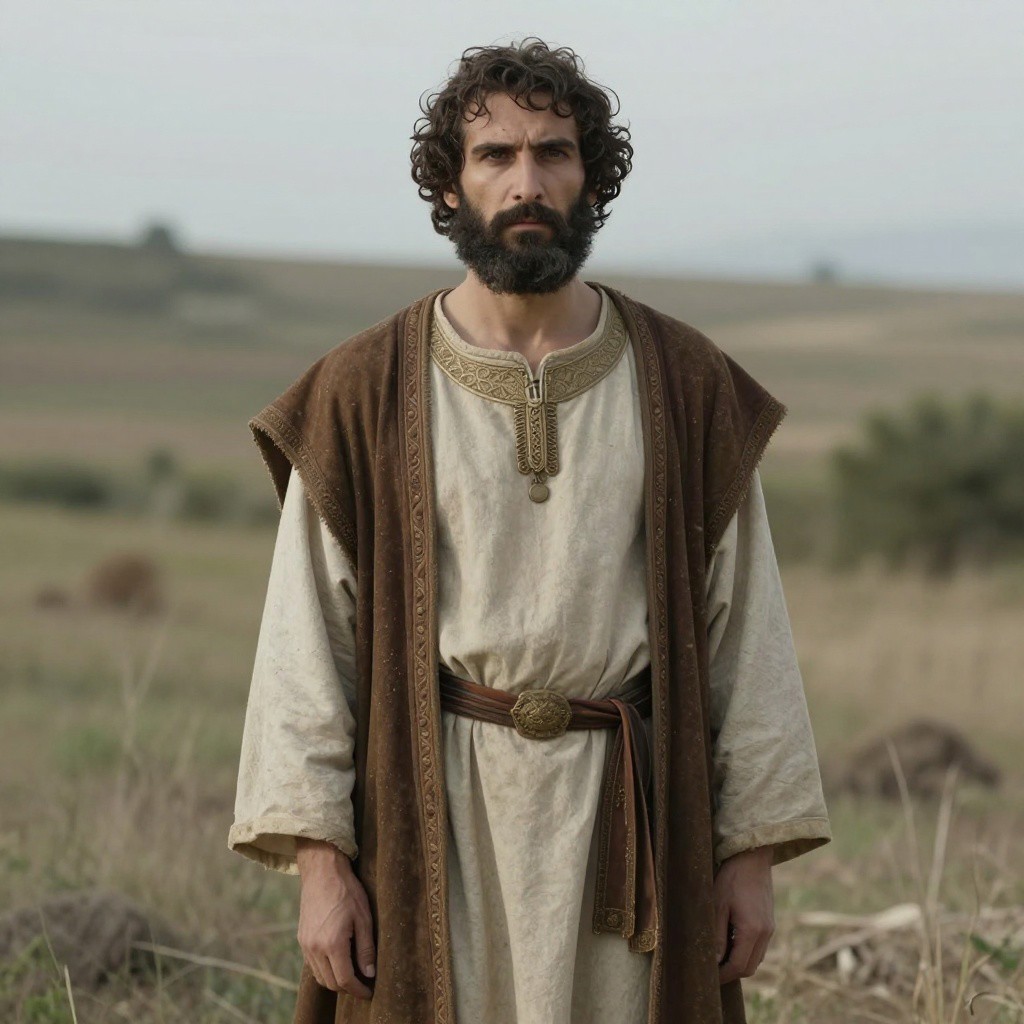
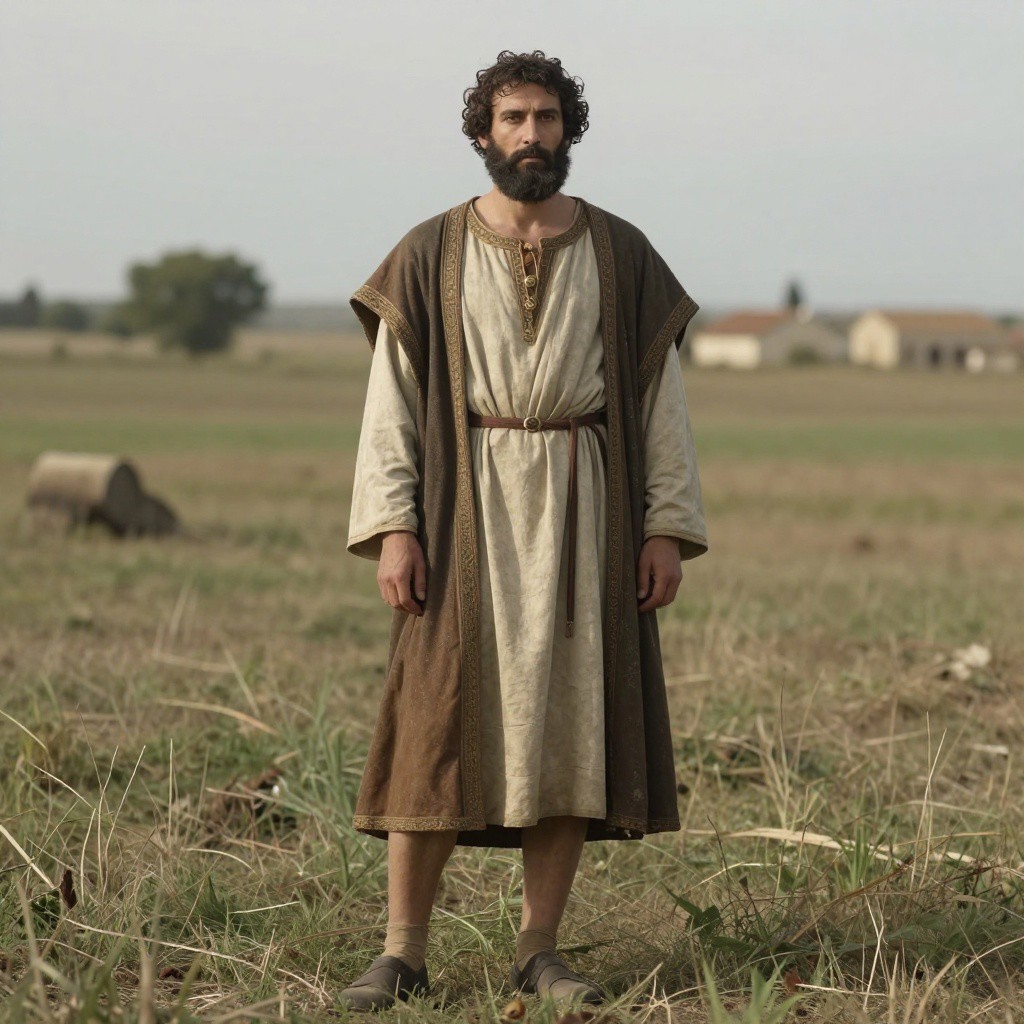
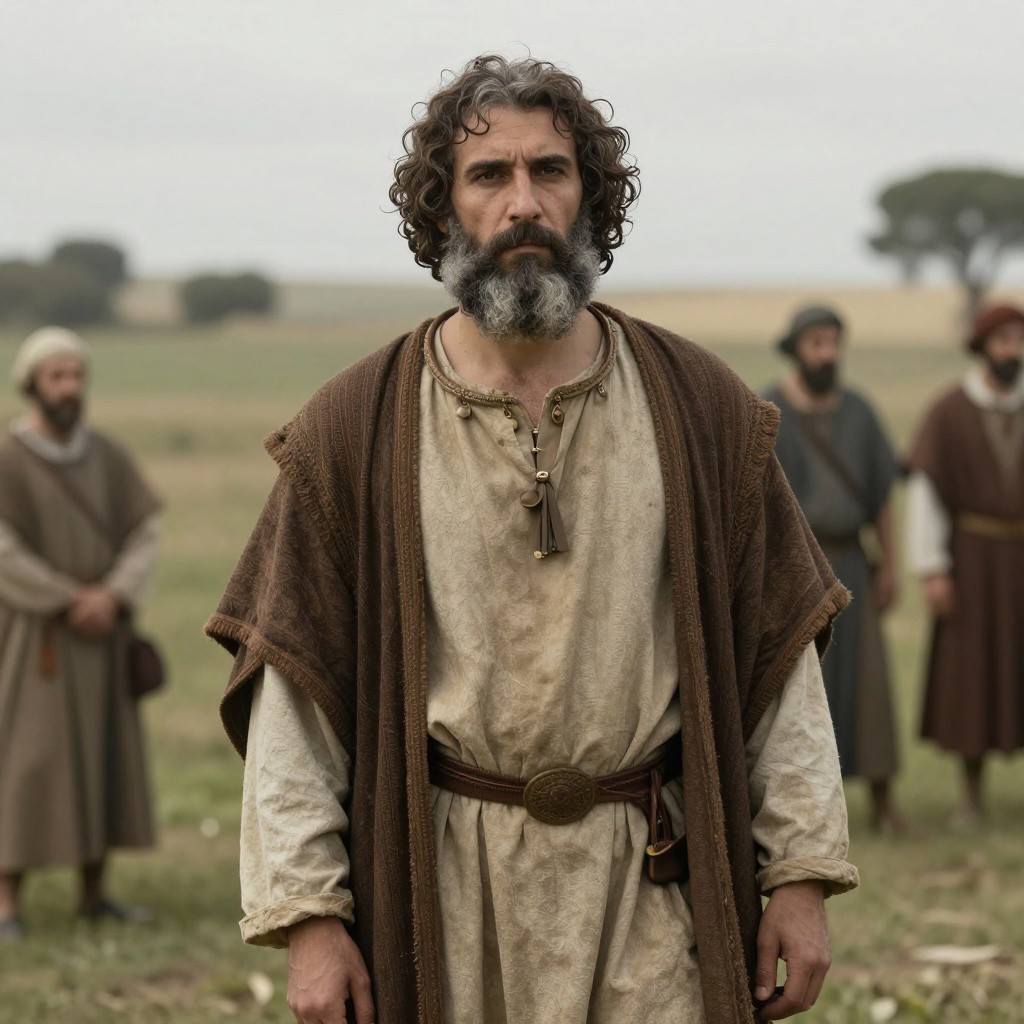
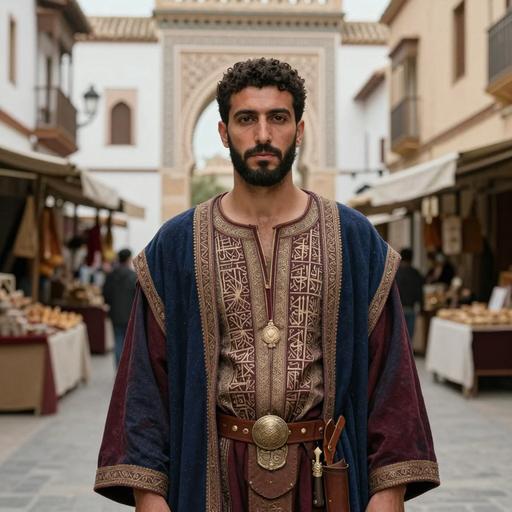
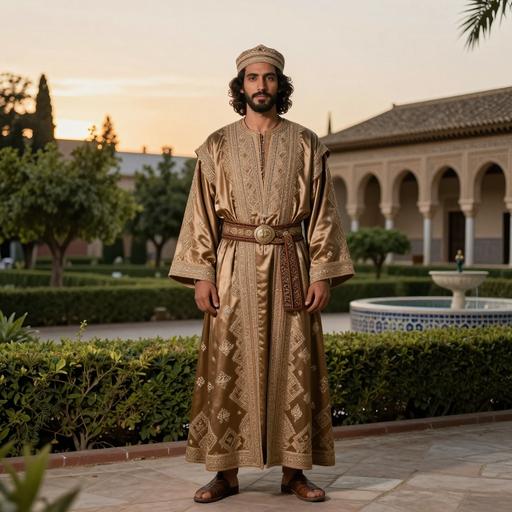
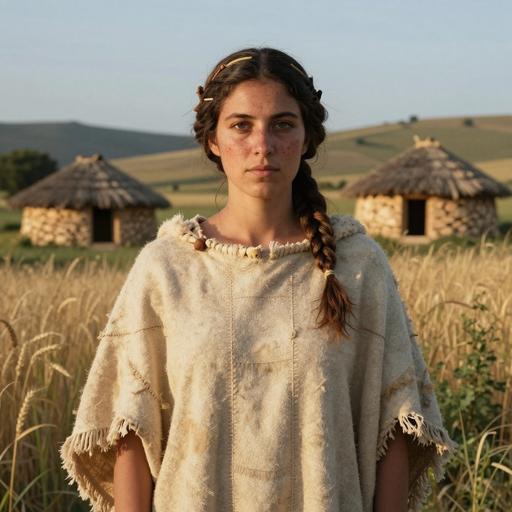
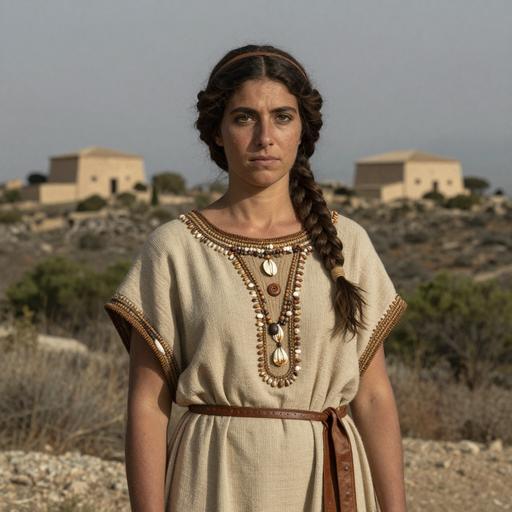
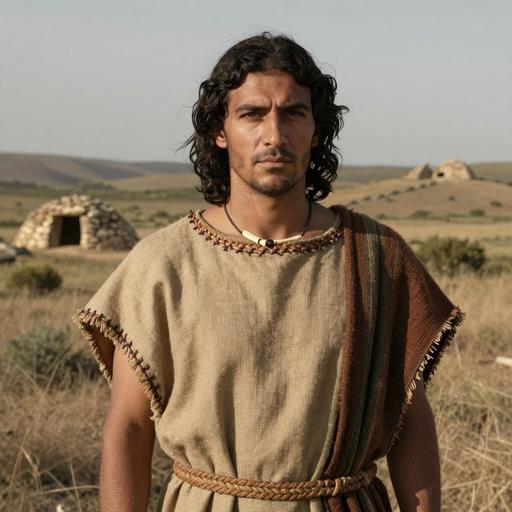
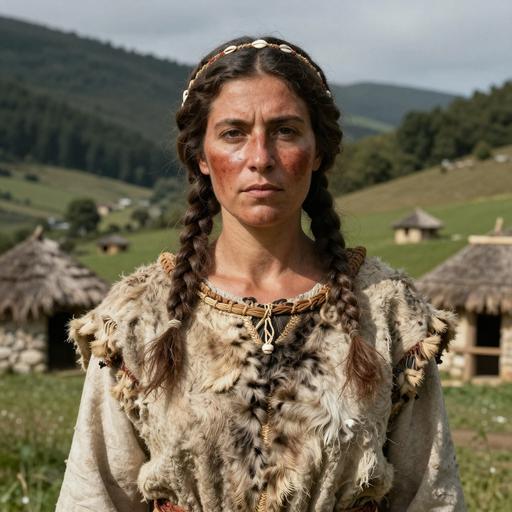
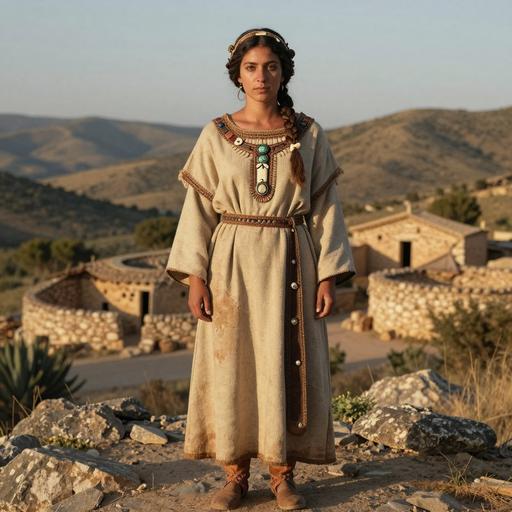
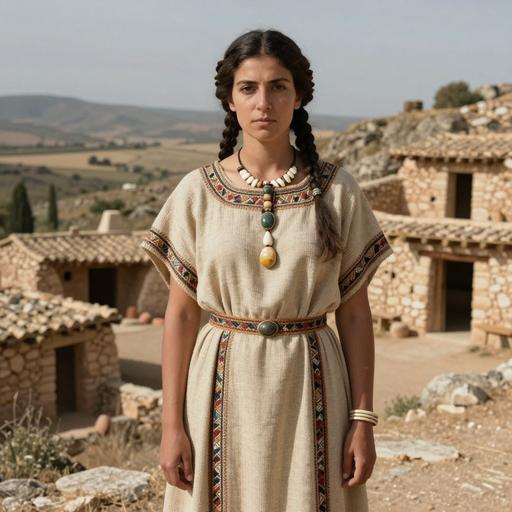
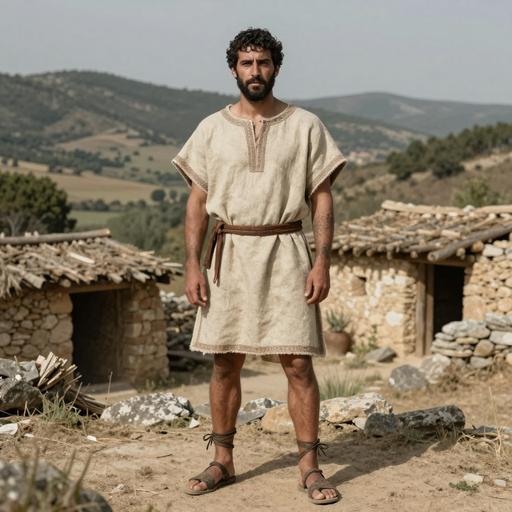
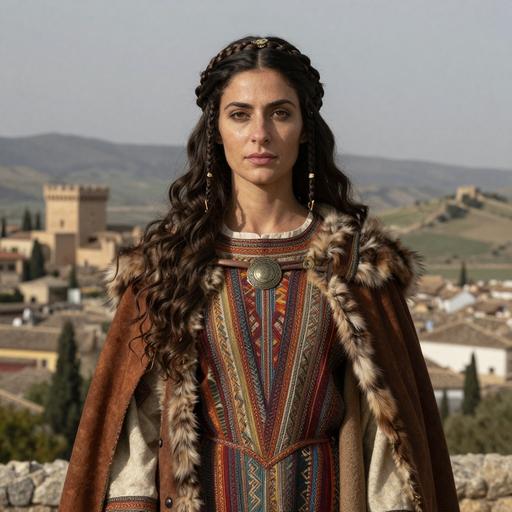
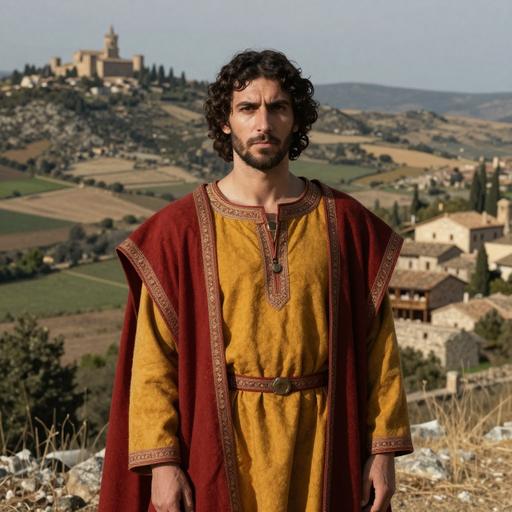
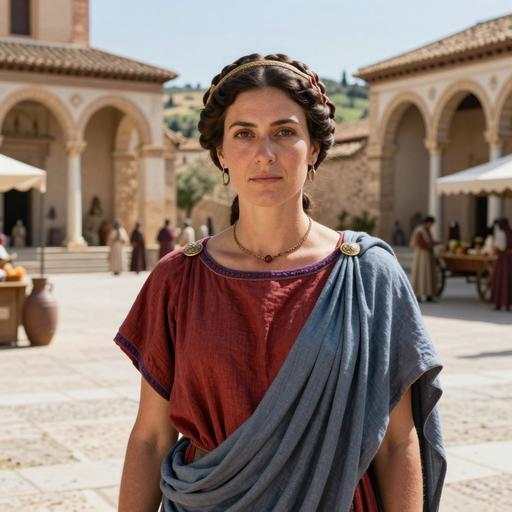
Reconstructed portrait of Late Antiquity Christian individual, Las Gobas (Northern Iberia, Castile and León, Burgos, Condado de Treviño, Laño), Spain (462-1,038 CE)
#5

Late Antiquity Christian individual, Spain

Spain , Las Gobas (Northern Iberia, Castile and León, Burgos, Condado de Treviño, Laño)

462 CE ~1,564 years ago

Quick View
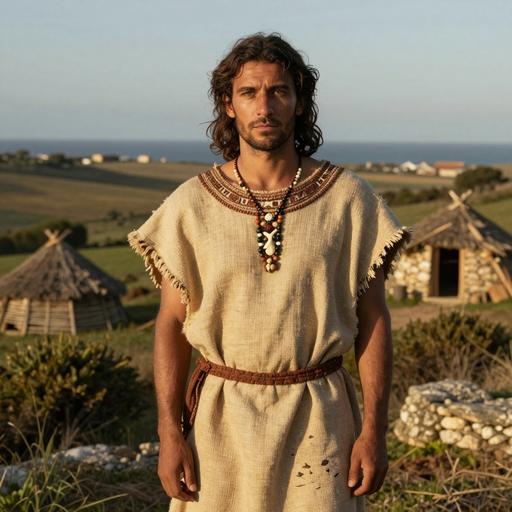
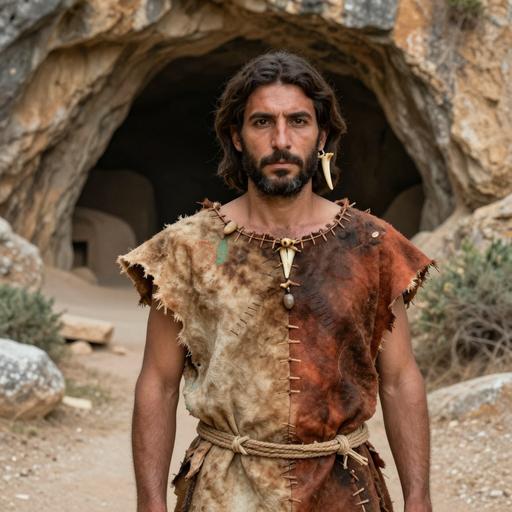
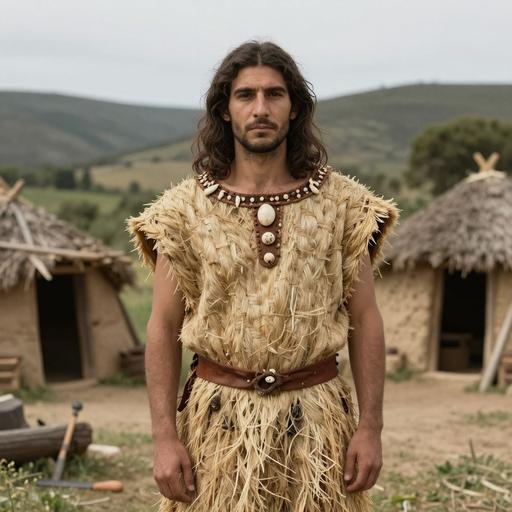
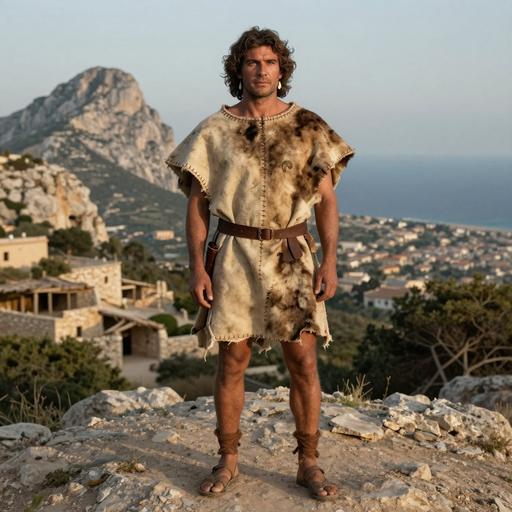
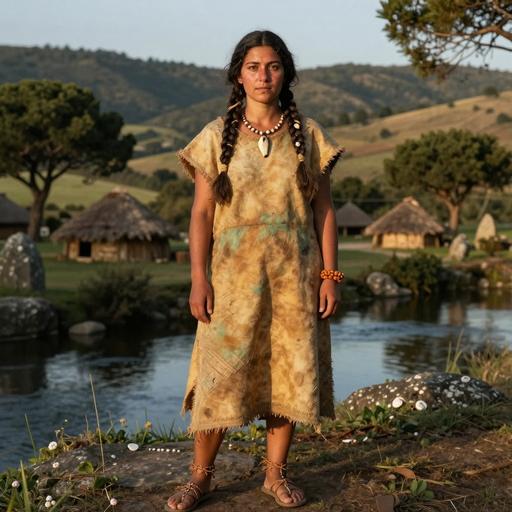
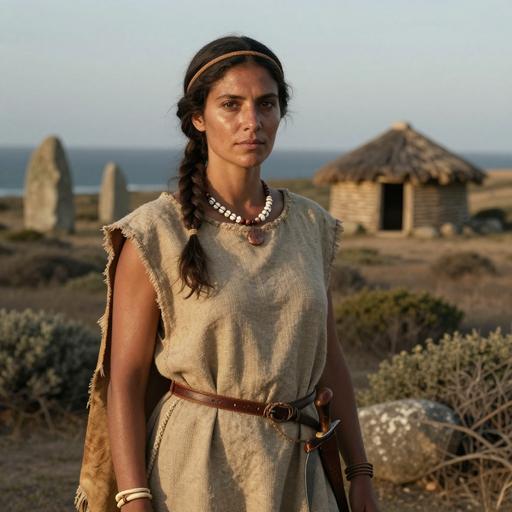
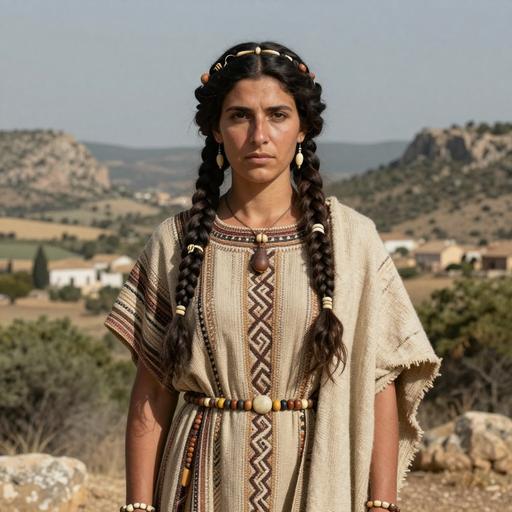
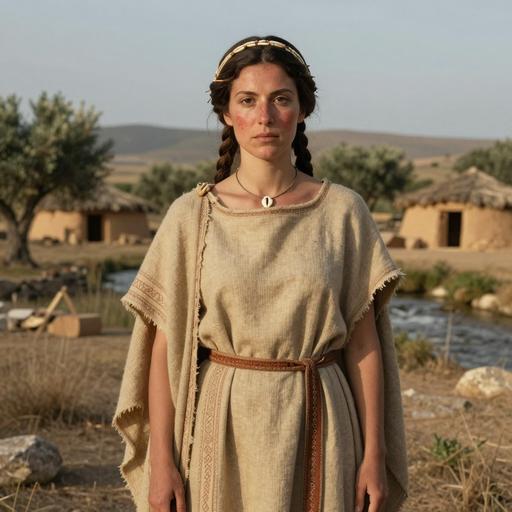
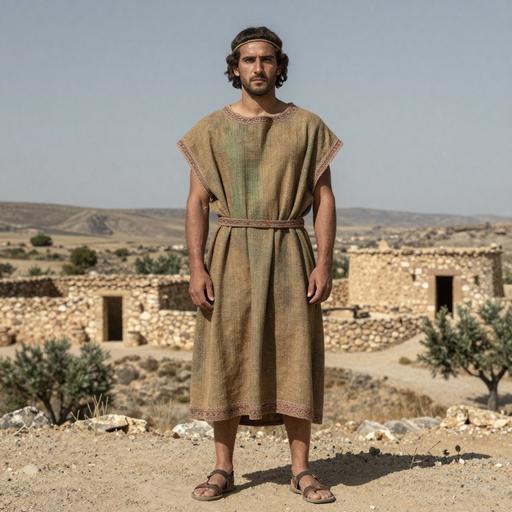
Reconstructed portrait of Late Punic individual, Puente Noy (Andalusia, Granada, Almuñécar), Spain (431 BCE-29 CE)
#6

Late Punic individual, Spain

Spain , Puente Noy (Andalusia, Granada, Almuñécar)

431 BCE ~2,457 years ago

Quick View
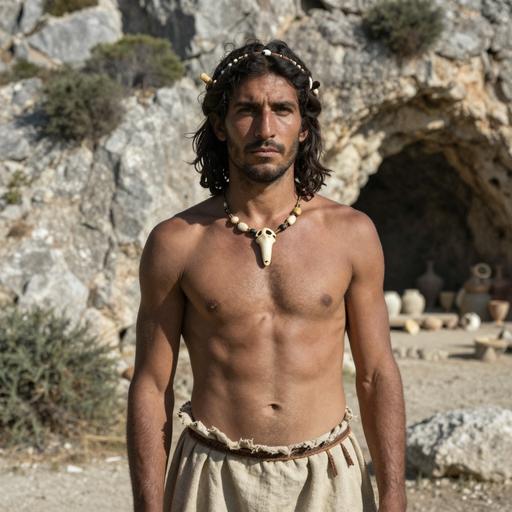
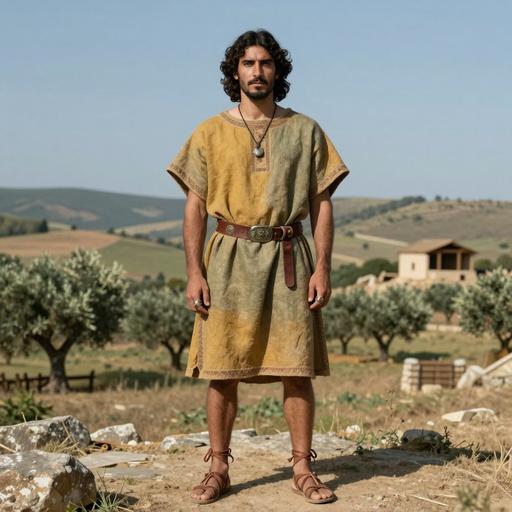
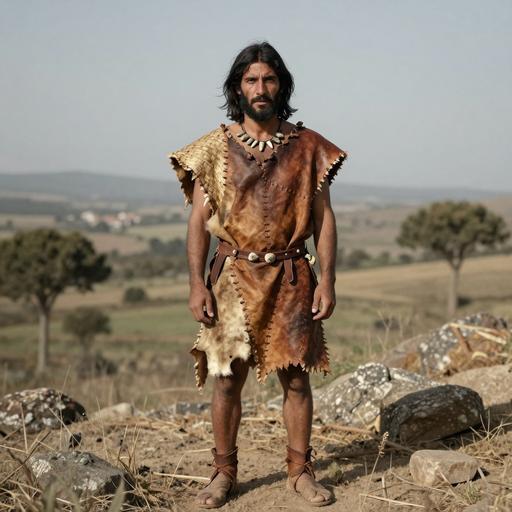
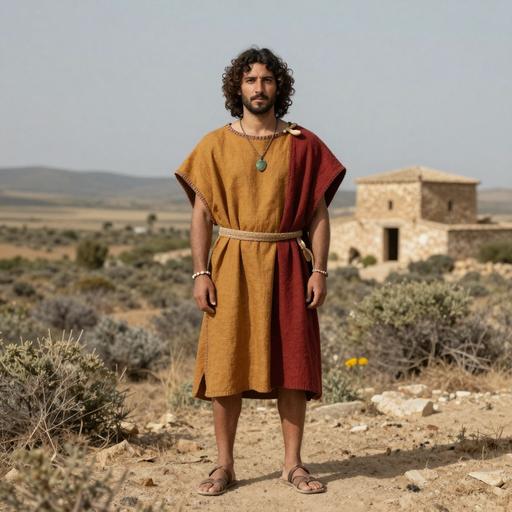
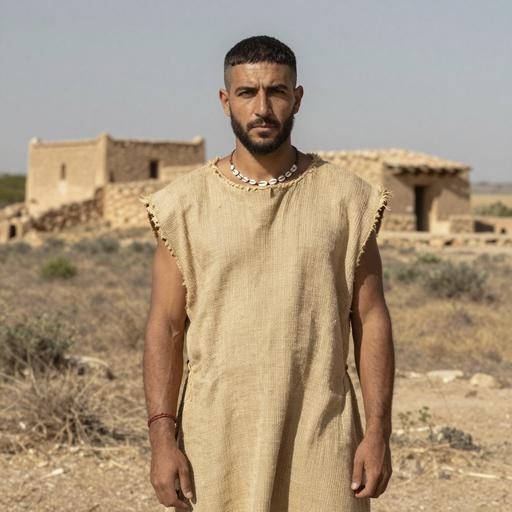
Reconstructed portrait of LBA individual, Asturias. El Espinoso cave, Spain (1,300-1,000 BCE)
#7 Late Bronze Age Spain

LBA individual, Spain

Spain , Asturias. El Espinoso cave

1300 BCE ~3,326 years ago

Quick View
Reconstructed portrait of Roman-o Africa1 individual, Villaricos (Andalusia, Almería, Cuevas del Almazora), Spain (531 BCE-681 CE)
#8

Roman-o Africa1 individual, Spain

Spain , Villaricos (Andalusia, Almería, Cuevas del Almazora)

531 BCE ~2,557 years ago

Quick View
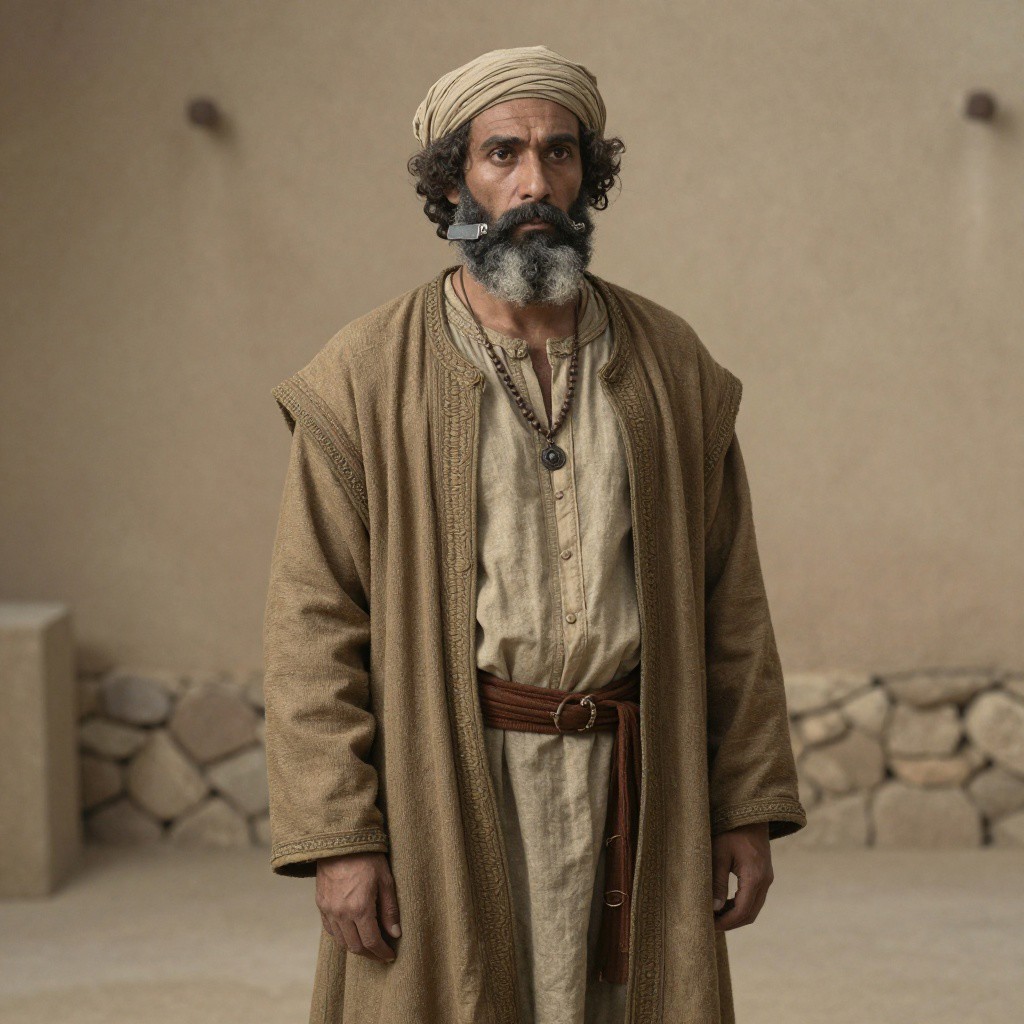
Reconstructed portrait of Islamic individual, Santarém - Islamic Necropolis (Oeste e Vale do Tejo), Portugal (676-1,024 CE)
#9

Islamic individual, Portugal

Portugal , Santarém - Islamic Necropolis (Oeste e Vale do Tejo)

676 CE ~1,350 years ago

Quick View
Geographic Origins

Where Your Ancient Matches Lived

Explore the archaeological sites across the Iberian Peninsula where your genetic matches were discovered.

11 locations
Legend
Your Matches

Geographic Insight: Your matches span across 2 countries and 10 distinct archaeological sites. Click on any marker to learn more about that ancient individual.

Database

Sample Explorer

Browse, search, and filter the 11 ancient individuals in your genetic similarity matches. Click on any row to view detailed information.

11 matched samples
Sample Location Era Date Haplogroups
Reconstructed portrait of Western European individual, Catalonia. Girona. Sant Julià de Ramis, Spain (1,040-1,214 CE)
Western European individual, Spain Sample ID: I10897 Western European
Spain Catalonia. Girona. Sant Julià de Ramis Medieval Spain 1040 CE ~986 yrs ago I1c
Reconstructed portrait of Roman-o Africa1 individual, Villaricos (Andalusia, Almería, Cuevas del Almazora), Spain (531 BCE-681 CE)
Roman-o Africa1 individual, Spain Sample ID: I18401
Spain Villaricos (Andalusia, Almería, Cuevas del Almazora) SPAIN ROMAN OAFRICA1 531 BCE ~2,557 yrs ago H5b
Reconstructed portrait of LBA individual, Asturias. El Espinoso cave, Spain (1,300-1,000 BCE)
LBA individual, Spain Sample ID: I20740 Western Mediterranean
Spain Asturias. El Espinoso cave Late Bronze Age Spain 1300 BCE ~3,326 yrs ago H1j R-Y66314
Reconstructed portrait of Late Punic individual, Puente Noy (Andalusia, Granada, Almuñécar), Spain (431 BCE-29 CE)
Late Punic individual, Spain Sample ID: I22082
Spain Puente Noy (Andalusia, Granada, Almuñécar) SPAIN LATEPUNIC 431 BCE ~2,457 yrs ago U3c
Reconstructed portrait of Late Antiquity individual, Granada. Montefrío. El Castillón, Spain (400-600 CE)
Late Antiquity individual, Spain Sample ID: I3579 Visigothic Kingdom
Spain Granada. Montefrío. El Castillón Visigothic Period Granada, Spain 400 CE ~1,626 yrs ago H1e1a6 E-Z1919
Reconstructed portrait of Punic individual, Campo de Hockey (Andalusia, Cádiz, San Fernando), Spain (405-177 BCE)
Punic individual, Spain Sample ID: I8135
Spain Campo de Hockey (Andalusia, Cádiz, San Fernando) SPAIN PUNIC 405 BCE ~2,431 yrs ago J2a1a1c
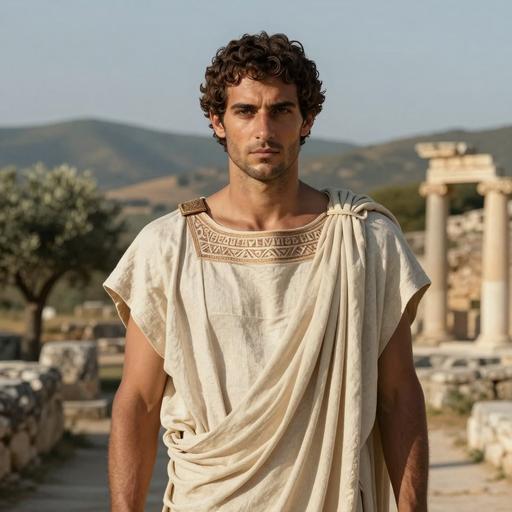
Reconstructed portrait of Classical Greek individual, Girona. Empuries. necropolis Centre de Visitants, Spain (500-400 BCE)
Classical Greek individual, Spain Sample ID: I8344 Classical Greek
Spain Girona. Empuries. necropolis Centre de Visitants Greek Period Spain 500 BCE ~2,526 yrs ago H3 R-P297
Reconstructed portrait of Late Antiquity Christian individual, Las Gobas (Northern Iberia, Castile and León, Burgos, Condado de Treviño, Laño), Spain (462-1,038 CE)
Late Antiquity Christian individual, Spain Sample ID: ldo066
Spain Las Gobas (Northern Iberia, Castile and León, Burgos, Condado de Treviño, Laño) SPAIN LATEANTIQUITY CHRISTIAN 462 CE ~1,564 yrs ago R-PH3372
Reconstructed portrait of Late Antiquity Christian individual, Las Gobas (Northern Iberia, Castile and León, Burgos, Condado de Treviño, Laño), Spain (462-1,038 CE)
Late Antiquity Christian individual, Spain Sample ID: ldo264
Spain Las Gobas (Northern Iberia, Castile and León, Burgos, Condado de Treviño, Laño) SPAIN LATEANTIQUITY CHRISTIAN 462 CE ~1,564 yrs ago
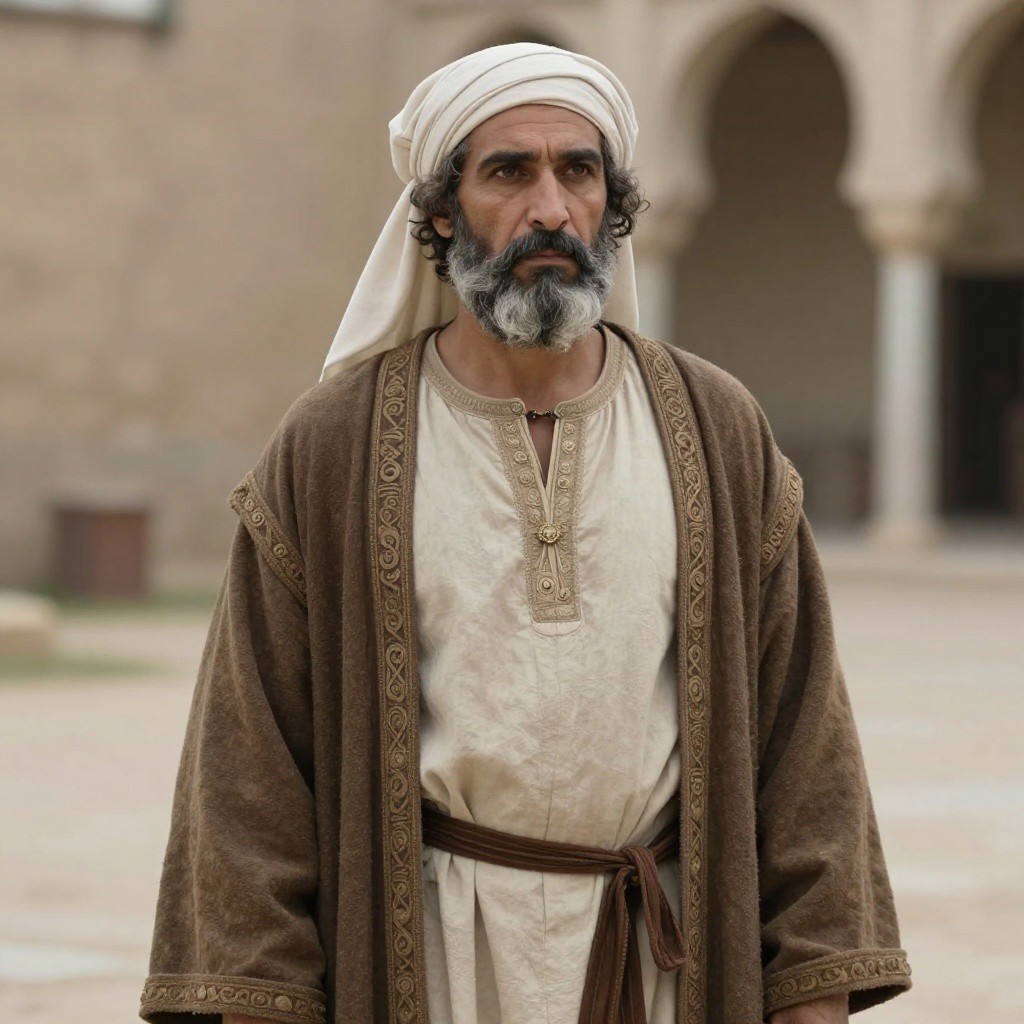
Reconstructed portrait of Islamic individual, Santarém - Islamic Necropolis (Oeste e Vale do Tejo), Portugal (676-1,024 CE)
Islamic individual, Portugal Sample ID: LP114_10
Portugal Santarém - Islamic Necropolis (Oeste e Vale do Tejo) PORTUGAL ISLAMIC 676 CE ~1,350 yrs ago J-ZS4416
Reconstructed portrait of Late Antiquity Imperial Roman Roman individual, Cascais. Miroiço, Portugal (250-600 CE)
Late Antiquity Imperial Roman Roman individual, Portugal Sample ID: R10500 Roman Empire
Portugal Cascais. Miroiço Late Roman Miroico, Portugal 250 CE ~1,776 yrs ago
Regional Heritage

Your Iberian Regional Connections

Discover which modern regions of Spain, Portugal, the Canary Islands, and Gibraltar show the strongest genetic connections to your ancestry.

#1
Strongest Regional Connection

Andalusia, Spain

43.3%

Southern Spain, rich in Bronze Age and Islamic heritage.

4 ancient matches
#1

Andalusia

Spain
Regional Match 43.3%
#2

Castile and León

Spain
Regional Match 32.5%
#3

Catalonia

Spain
Regional Match 21.7%
#4

Galicia

Spain
Regional Match 10.8%
#5

Lisboa

Portugal
Regional Match 10.8%

Regional assignments are based on the geographic locations where your matched ancient DNA samples were discovered. These connections reflect genetic similarities to populations from specific regions of the Iberian Peninsula. Click on any region card to explore the samples from that area.

Archaeological Sites

Notable Archaeological Sites

Discover the archaeological sites across the Iberian Peninsula where your matched ancient DNA samples were discovered.

These archaeological sites represent locations where multiple ancient DNA samples matching your genetic profile were discovered. Each site provides valuable insights into the populations that once inhabited these regions.

Genetic Continuity

Your Ancestral Story

Understanding what your genetic connections reveal about your Iberian ancestry.

Your genetic connections are strongest to later historical periods, suggesting ancestry linked to Iron Age, Roman, Medieval, or Islamic-era populations of Iberia.

0.0 %

Pre-Indo-European Heritage

Mesolithic & Neolithic

~10,000 - 3,000 BCE

These represent the earliest inhabitants of Iberia, hunter-gatherers and early farmers who established the foundation of Iberian genetic diversity.

5.5 %

Steppe Migration Influence

Chalcolithic & Bronze Age

~3,000 - 800 BCE

These periods saw migrations from the Steppe regions, bringing new genetic signatures and cultural practices to Iberia, including metallurgy and new social structures.

Strongest
88.0 %

Historical Period Connections

Iron Age, Roman, Medieval & Islamic

~800 BCE - 1492 CE

These later periods reflect the complex interactions between indigenous Iberian populations and various historical influences, including Roman colonization, the Visigothic kingdoms, nearly eight centuries of Islamic rule in Al-Andalus, and the Christian kingdoms of the Reconquista.

What This Means

Your genetic profile tells a story of continuity and change. While some populations maintained genetic continuity over thousands of years, migrations and cultural exchanges brought new genetic signatures that shaped the modern Iberian gene pool. Your results reflect this rich tapestry of population movements and interactions.

Cultural Periods

Your Iberian Timeline

Your genetic connections to six major periods of Iberian history, from prehistoric to medieval.

Your Iberian Ancient Matches Through Time

10,000 BCE — 1500 CE | 11 ancient connections across 11+ millennia

Mesolithic 0.0%
Neolithic 0.0%
Chalcolithic 0.0%
Bronze Age 5.5%
Iron Age 27.7%
Roman/Medieval 57.4%
Islamic Period 2.8%
10,000 BCE
5,000 BCE
2,000 BCE
0 CE
1000 CE
1500 CE
Reconstructed portrait of LBA individual, Asturias. El Espinoso cave, Spain (1,300-1,000 BCE)
LBA indi...
LBA individual, Spain 1300 BCE Late Bronze Age Spain
Reconstructed portrait of LBA individual, Asturias. El Espinoso cave, Spain (1,300-1,000 BCE)
LBA individual, Spain 1300 BCE Late Bronze Age Spain
Reconstructed portrait of Roman-o Africa1 individual, Villaricos (Andalusia, Almería, Cuevas del Almazora), Spain (531 BCE-681 CE)
Roman-o ...
Roman-o Africa1 individual, Spain 531 BCE
Reconstructed portrait of Roman-o Africa1 individual, Villaricos (Andalusia, Almería, Cuevas del Almazora), Spain (531 BCE-681 CE)
Roman-o Africa1 individual, Spain 531 BCE
Reconstructed portrait of Classical Greek individual, Girona. Empuries. necropolis Centre de Visitants, Spain (500-400 BCE)
Classica...
Classical Greek individual, Spain 500 BCE Greek Period Spain
Reconstructed portrait of Classical Greek individual, Girona. Empuries. necropolis Centre de Visitants, Spain (500-400 BCE)
Classical Greek individual, Spain 500 BCE Greek Period Spain
Reconstructed portrait of Late Punic individual, Puente Noy (Andalusia, Granada, Almuñécar), Spain (431 BCE-29 CE)
Late Pun...
Late Punic individual, Spain 431 BCE
Reconstructed portrait of Late Punic individual, Puente Noy (Andalusia, Granada, Almuñécar), Spain (431 BCE-29 CE)
Late Punic individual, Spain 431 BCE
Reconstructed portrait of Punic individual, Campo de Hockey (Andalusia, Cádiz, San Fernando), Spain (405-177 BCE)
Punic in...
Punic individual, Spain 405 BCE
Reconstructed portrait of Punic individual, Campo de Hockey (Andalusia, Cádiz, San Fernando), Spain (405-177 BCE)
Punic individual, Spain 405 BCE
Reconstructed portrait of Late Antiquity Imperial Roman Roman individual, Cascais. Miroiço, Portugal (250-600 CE)
Late Ant...
Late Antiquity Imperial Roman Roman individual, Portugal 250 CE Late Roman Miroico, Portugal
Reconstructed portrait of Late Antiquity Imperial Roman Roman individual, Cascais. Miroiço, Portugal (250-600 CE)
Late Antiquity Imperial Roman Roman individual, Portugal 250 CE Late Roman Miroico, Portugal
Reconstructed portrait of Late Antiquity individual, Granada. Montefrío. El Castillón, Spain (400-600 CE)
Late Ant...
Late Antiquity individual, Spain 400 CE Visigothic Period Granada, Spain
Reconstructed portrait of Late Antiquity individual, Granada. Montefrío. El Castillón, Spain (400-600 CE)
Late Antiquity individual, Spain 400 CE Visigothic Period Granada, Spain
Reconstructed portrait of Late Antiquity Christian individual, Las Gobas (Northern Iberia, Castile and León, Burgos, Condado de Treviño, Laño), Spain (462-1,038 CE)
Late Ant...
Late Antiquity Christian individual, Spain 462 CE
Reconstructed portrait of Late Antiquity Christian individual, Las Gobas (Northern Iberia, Castile and León, Burgos, Condado de Treviño, Laño), Spain (462-1,038 CE)
Late Antiquity Christian individual, Spain 462 CE
Reconstructed portrait of Late Antiquity Christian individual, Las Gobas (Northern Iberia, Castile and León, Burgos, Condado de Treviño, Laño), Spain (462-1,038 CE)
Late Ant...
Late Antiquity Christian individual, Spain 462 CE
Reconstructed portrait of Late Antiquity Christian individual, Las Gobas (Northern Iberia, Castile and León, Burgos, Condado de Treviño, Laño), Spain (462-1,038 CE)
Late Antiquity Christian individual, Spain 462 CE
Reconstructed portrait of Islamic individual, Santarém - Islamic Necropolis (Oeste e Vale do Tejo), Portugal (676-1,024 CE)
Islamic ...
Islamic individual, Portugal 676 CE
Reconstructed portrait of Islamic individual, Santarém - Islamic Necropolis (Oeste e Vale do Tejo), Portugal (676-1,024 CE)
Islamic individual, Portugal 676 CE
Reconstructed portrait of Western European individual, Catalonia. Girona. Sant Julià de Ramis, Spain (1,040-1,214 CE)
Western ...
Western European individual, Spain 1040 CE Medieval Spain
Reconstructed portrait of Western European individual, Catalonia. Girona. Sant Julià de Ramis, Spain (1,040-1,214 CE)
Western European individual, Spain 1040 CE Medieval Spain
Roman/Medieval 57.4%
Iron Age 27.7%
Bronze Age 5.5%
Islamic Period 2.8%
Mesolithic 0.0%
Neolithic 0.0%
Chalcolithic 0.0%
Through the Ages

Your Iberian Journey Through Time

Your DNA tells a story that spans millennia. Each era below represents a chapter of Iberian history where your ancient matches left their mark—from the last hunter-gatherers to the builders of medieval kingdoms.

2 connections

Spain LateAntiquity Christian

From Hispania to the Visigothic kingdoms

Region & Environment

Spain’s varied landscapes—coasts, river valleys, and inland uplands—supported agriculture, animal husbandry, and local craft production. These conditions influenced where communities clustered and how they organized food supply, building materials, and transport.

2 Samples
1 Country
~1,564 Years Ago
300 CE - 600 CE Period
Genetic Signatures
R-PH3372 1
Regions Represented
Spain (2)
1 connection

Spain Punic

Celtiberians, Iberians, and Tartessians shape a peninsula

Overview

Between roughly the late 7th and early 3rd centuries BCE, Punic-linked people in Spain participated in long-distance exchange and port-based life. Their presence is best understood through material traces—imports, architectural or burial practices where identifiable, and mixed artifact traditions—alongside the continued development of local Iberian communities.

1 Sample
1 Country
~2,431 Years Ago
600 BCE - 200 BCE Period
Genetic Signatures
J2a1a1c 1
Regions Represented
Spain (1)
1 connection

Visigothic Period Granada, Spain

From Hispania to the Visigothic kingdoms

The Visigothic period in Granada (c. 415–711 CE) belongs to a wider early medieval transformation across Iberia, linking late Roman inheritances to evolving Christian society and governance.

1 Sample
1 Country
~1,626 Years Ago
415 CE - 711 CE Period
Genetic Signatures
E-Z1919 1 H1e1a6 1
Regions Represented
Spain (1)
1 connection

Late Roman Miroico, Portugal

From Hispania to the Visigothic kingdoms

The Late Roman period in Portugal, known as the \Miroico" era among historians, is a fascinating epoch that brings together the rich tapestry of Roman influence and the unique cultural elements that emerged in the Iberian Peninsula. This era spans roughly from the 3rd to the early 5th century AD, during which the region that is now modern-day Portugal was part of the Roman Empire.

1 Sample
1 Country
~1,776 Years Ago
300 CE - 500 CE Period
Regions Represented
Portugal (1)
1 connection

Spain LatePunic

Celtiberians, Iberians, and Tartessians shape a peninsula

Overview

In the centuries after the Punic world was disrupted, Punic-speaking and Punic-influenced communities continued to be present in parts of the Iberian Peninsula. In Spain, this Late Punic phase is best understood through material traces—ceramics, inscriptions, and imported goods—rather than through a single, uniform “Punic state.”

1 Sample
1 Country
~2,457 Years Ago
300 BCE - 200 BCE Period
Genetic Signatures
U3c 1
Regions Represented
Spain (1)
1 connection

Spain LBA

El Argar rises: warriors and metalworkers of the south

Spain in the Late Bronze Age (c. 1300–800 BCE) was not a single uniform culture. Instead, related communities across Iberia interacted through exchange, shared technologies, and regional traditions of building, burial, and metal use.

1 Sample
1 Country
~3,326 Years Ago
1,300 BCE - 800 BCE Period
Genetic Signatures
R-Y66314 1 H1j 1
Regions Represented
Spain (1)
1 connection

Spain Roman oAfrica1

From Hispania to the Visigothic kingdoms

Region & Environment

Spain’s geography ranges from Atlantic and Mediterranean coasts to mountain interiors and river corridors. Coastal urban centers and ports connected to shipping routes, while inland areas relied on agricultural production and overland links to reach Mediterranean markets. Such varied settings affected what kinds of goods arrived, how quickly they circulated, and where settlement concentrated.

1 Sample
1 Country
~2,557 Years Ago
100 BCE - 200 CE Period
Genetic Signatures
H5b 1
Regions Represented
Spain (1)
1 connection

Portugal Islamic

Al-Andalus flourishes across the peninsula

Overview

“Portugal Islamic” covers the period when Islamic rule and institutions were established and then sustained (with regional variation) in parts of Portugal. The archaeological record focuses on how households and communities organized daily life in a transformed political and cultural landscape.

1 Sample
1 Country
~1,350 Years Ago
711 CE - 1,200 CE Period
Genetic Signatures
J-ZS4416 1
Regions Represented
Portugal (1)
1 connection

Greek Period Spain

An era of human history

Region & Environment

Eastern Iberia overlooks the western Mediterranean and includes both coastal zones and inland valleys and uplands. Access to sheltered harbors and marine routes supported exchange, while inland landscapes provided varied agricultural potential and routes linking communities to the coast.

1 Sample
1 Country
~2,526 Years Ago
600 BCE - 300 BCE Period
Genetic Signatures
R-P297 1 H3 1
Regions Represented
Spain (1)
1 connection

Spain Medieval

From Hispania to the Visigothic kingdoms

Region & Environment

Medieval Spain lay within a broad range of environments, from Atlantic coastlines and river valleys to interior plateaus and rugged mountain zones. Agriculture was strongly shaped by soils, rainfall variability, and locally available water management, while cities and ports supported craft production and long-distance exchange.

1 Sample
1 Country
~986 Years Ago
500 CE - 1,500 CE Period
Genetic Signatures
I1c 1
Regions Represented
Spain (1)

"Iberia has always been a crossroads of cultures, where the Mediterranean meets the Atlantic, where Europe begins its journey to the west."
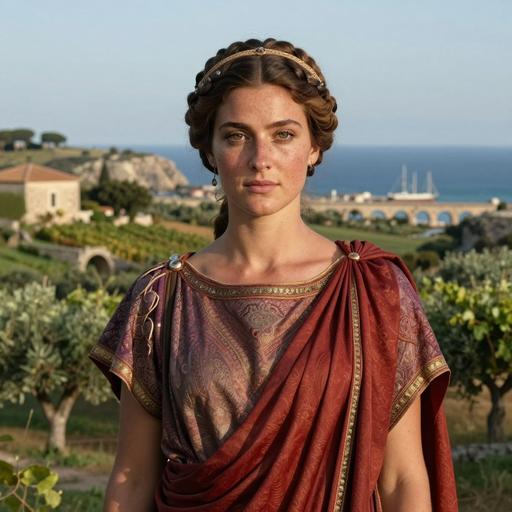
— Ancient Iberian Heritage
Era Analysis

Your Era Profile

A visual snapshot showing your genetic affinity to different prehistoric eras of the Iberian Peninsula. The further the point from the center, the stronger your connection to that time period.

Your Dominant Era Roman/Medieval 57.4% of connections
Roman/Medieval 57.4%

Roman Hispania through the Visigothic era and early medieval period

Iron Age 27.7%

The age of Celtiberian, Tartessian, and Iberian cultures

Bronze Age 5.5%

Warriors, traders, and the rise of El Argar and Cogotas civilizations

Islamic Period 2.8%

Al-Andalus, from the 711 CE conquest through the fall of Granada in 1492

Mesolithic 0.0%

Hunter-gatherers adapting to a warming climate before farming reached Iberia

Neolithic 0.0%

Early farmers who spread agriculture from the Near East across the Iberian Peninsula

Chalcolithic 0.0%

The Copper Age - dawn of metallurgy and the Bell Beaker culture

Understanding Your Era Profile

Your dominant connection to the Roman/Medieval suggests that a significant portion of your Iberian ancestry traces back to populations who lived during this transformative period of Iberian history. This doesn't mean your ancient matches were exclusively from this era—rather, it indicates where the strongest genetic signals appear in your connection to ancient Iberian populations.

Genetic Analysis

Your Position in Iberian Genetic Space

Visualize statistical similarity to the ancient Iberian ADMIXTURE reference panel using a reference-fixed PCA projection.

PCA reduces the N-dimensional ADMIXTURE reference panel to selected axes in a shared, reference-fixed ADMIXTURE PCA space. The chart currently shows the selected components. Variance percentages are global to that shared model and are not re-fit per report. Distance and filtering use the original N-dimensional ADMIXTURE values. Your kit is the gold diamond. This is not a Global25/Vahaduo plot.

Closest references in full ADMIXTURE space

This table is the non-visual equivalent of the chart and uses full-dimensional distance rather than apparent 2D spacing.

ReferencePeriodPlace/dateDistance

Composite Score Breakdown

Your Ancient Iberian Index (83/100) is calculated from three weighted similarity signals. It is not an ancestry percentage or evidence of direct descent:

Segment Matching 50%
85/100

Confidence-weighted identity-by-state segments shared with ancient Iberian reference samples; not proof of a genealogical relationship.

ADMIXTURE Distance 31.25%
72/100

Euclidean genetic distance between your ancestry composition and Iberian reference populations.

Monte Carlo 18.75%
95/100

Fit quality for the best statistical mixture of Iberian reference populations.

Shared DNA Segments

You share DNA segments with 50 ancient Iberian individuals, totalling 306.2 cM across 59 segments. These shared segments are the strongest evidence in your Iberian Heritage Index. Segment length is most reliable when backed by dense SNP coverage; matches flagged Low coverage below come from ancient samples with sparse genotyping, so their shared-cM value is less certain even when it looks large.

Reconstructed portrait of Iberian individual, Barcelona. Sabadell. Can Roquetes, Spain (2,000-1,400 BCE) 13.6 cM
Iberian individual, Spain
Spain 3 segments · 49.5 SNPs/cM
Reconstructed portrait of SW Iberia individual, PP4-Montelirio (Andalusia, Sevilla, Valencina de la Concepción), Spain (3,300-2,300 BCE) 6.9 cM
SW Iberia individual, Spain
Spain 2 segments · 74.4 SNPs/cM
Reconstructed portrait of Nazari Period Late Muslim individual, Granada, Spain (1,300-1,500 CE) 16.1 cM
Nazari Period Late Muslim individual, Spain
Spain 3 segments · 39.5 SNPs/cM
Reconstructed portrait of MLN individual, Barcelona. Cova de la Guineu, Spain (3,400-2,500 BCE) 7.8 cM
MLN individual, Spain
Spain 2 segments · 60.9 SNPs/cM
Reconstructed portrait of MLN individual, Barcelona. Cova de la Guineu, Spain (3,400-2,500 BCE) 19.7 cM
MLN individual, Spain
Spain 3 segments · 33.6 SNPs/cM
Reconstructed portrait of MBA individual, Sitges. Barcelona. Cova del Gegant, Spain (1,684-1,503 BCE) 8.5 cM
MBA individual, Spain
Spain 2 segments · 50.1 SNPs/cM
Reconstructed portrait of Late Antiquity individual, Girona. Pla de l'Horta, Spain (500-700 CE) 4.6 cM
Late Antiquity individual, Spain
Spain 1 segment · 92.5 SNPs/cM
Reconstructed portrait of EBA individual, Murcia. Pliego. La Almoloya, Spain (2,000-1,750 BCE) 3.6 cM
EBA individual, Spain
Spain 1 segment · 95.1 SNPs/cM
Reconstructed portrait of MBA individual, Basque Country. Araba/Álava. Laguardia. El Sotillo, Spain (1,613-1,450 BCE) 4.3 cM
MBA individual, Spain
Spain 1 segment · 61.3 SNPs/cM
Reconstructed portrait of Iberian individual, Andalusia. Cádiz. Chiclana de la Frontera. Loma del Puerco, Spain (1,881-1,744 BCE) 4.6 cM
Iberian individual, Spain
Spain 1 segment · 54.7 SNPs/cM
Reconstructed portrait of SW Iberia individual, PP4-Montelirio (Andalusia, Sevilla, Valencina de la Concepción), Spain (3,300-2,300 BCE) 3.5 cM
SW Iberia individual, Spain
Spain 1 segment · 70.5 SNPs/cM
Reconstructed portrait of EBA individual, Murcia. Pliego. La Almoloya, Spain (1,960-1,769 BCE) 3.5 cM
EBA individual, Spain
Spain 1 segment · 67.7 SNPs/cM
Haplogroup Evolution

Haplogroup Distribution Across Iberian History

Explore how Y-DNA and mtDNA haplogroups changed across different periods of Iberian history.

0
Total Samples
0
Cultural Periods
0
Unique Haplogroups

Mesolithic

10 samples
S21825 1
20.0%
Reconstructed portrait of Mesolithic individual, Casa Corona (Valencian community, Alicante, Villena), Spain (6,024-5,844 BCE) Mesolithic individual, Spain Casa Corona (Valencian community, Alicante, Villena)
Spain
L1294 1
20.0%
Reconstructed portrait of Mesolithic individual, Casa Corona (Valencian community, Alicante, Villena), Spain (6,064-5,915 BCE) Mesolithic individual, Spain Casa Corona (Valencian community, Alicante, Villena)
Spain
C-V20 1
20.0%
Reconstructed portrait of Mesolithic individual, La Braña-Arintero (Castilla y León, León, La Braña), Spain (5,991-5,731 BCE) Mesolithic individual, Spain La Braña-Arintero (Castilla y León, León, La Braña)
Spain
I-CTS595 1
20.0%
Reconstructed portrait of Mesolithic individual, El Toral-3 (Principado de Asturias, Asturias, Llanes), Spain (5,785-5,626 BCE) Mesolithic individual, Spain El Toral-3 (Principado de Asturias, Asturias, Llanes)
Spain
I-S21825 1
20.0%
Reconstructed portrait of Mesolithic individual, Santa Maira (Comunitat Valenciana, Alicante, Cocentaina), Spain (7,648-7,496 BCE) Mesolithic individual, Spain Santa Maira (Comunitat Valenciana, Alicante, Cocentaina)
Spain

Mesolithic

10 samples
U5b1 4
44.4%
Reconstructed portrait of Mesolithic individual, Ḥou Amieva (Llanes, Spain), Spain (6,849-6,647 BCE) Mesolithic individual, Spain Ḥou Amieva (Llanes, Spain)
Reconstructed portrait of Mesolithic individual, Moita do Sebastiao, Portugal (6,238-5,986 BCE) Mesolithic individual, Portugal Moita do Sebastiao
Reconstructed portrait of Mesolithic individual, Casa Corona (Valencian community, Alicante, Villena), Spain (6,024-5,844 BCE) Mesolithic individual, Spain Casa Corona (Valencian community, Alicante, Villena)
+1 more
Spain Portugal
U5a2a 3
33.3%
Reconstructed portrait of Mesolithic individual, Ḥou Amieva (Llanes, Spain), Spain (5,306-5,054 BCE) Mesolithic individual, Spain Ḥou Amieva (Llanes, Spain)
Reconstructed portrait of Mesolithic individual, El Toral-3 (Principado de Asturias, Asturias, Llanes), Spain (5,785-5,626 BCE) Mesolithic individual, Spain El Toral-3 (Principado de Asturias, Asturias, Llanes)
Reconstructed portrait of Mesolithic individual, El Mazo (Principado de Asturias, Asturias, Llanes), Spain (6,210-5,924 BCE) Mesolithic individual, Spain El Mazo (Principado de Asturias, Asturias, Llanes)
Spain
U5b1b1 1
11.1%
Reconstructed portrait of Mesolithic individual, El Mazo (Principado de Asturias, Asturias, Llanes), Spain (6,589-6,426 BCE) Mesolithic individual, Spain El Mazo (Principado de Asturias, Asturias, Llanes)
Spain
U2'3'4'7'8'9 1
11.1%
Reconstructed portrait of Mesolithic individual, Santa Maira (Comunitat Valenciana, Alicante, Cocentaina), Spain (7,648-7,496 BCE) Mesolithic individual, Spain Santa Maira (Comunitat Valenciana, Alicante, Cocentaina)
Spain

These distributions show the frequency of Y-DNA and mtDNA haplogroups among all ancient Iberian samples from each cultural period. Haplogroup frequencies changed over time due to migrations, population movements, and genetic drift.

AI Analysis

Your Personal Guide

Understanding ancient DNA results can be complex. Our AI assistant helps you make sense of your connections, explaining what your results mean and placing them in historical context.

AI ASSISTANT by DNAGENICS

Enabled until 2027-09-15

This AI analysis is limited to your Ancient Iberian heritage results. No additional data or personal information is included.

Try these questions:

Learn More

Understanding Your Results

This analysis uses three versioned similarity signals:

  • Shared segments (50%): confidence-weighted IBS evidence against the ancient reference panel.
  • ADMIXTURE distance (31.25%): Euclidean distance in the fixed 15-component source space.
  • Monte Carlo fit (18.75%): fit quality for a statistical mixture of Iberian references.

The PCA is a reference-fixed visualization and is not an additional score component.

All ancient samples are from peer-reviewed academic publications and have been radiocarbon dated.

What does the Ancient Iberian Index mean?

The Ancient Iberian Index (0-100) is a panel-specific statistical similarity score. It is not an ancestry percentage and does not establish direct descent.

Why don't my period scores add up to 100?

Each period's within-panel share is multiplied by the Monte Carlo fit. The period scores therefore sum to the fit score, keeping weak or distant fits visibly weak.

How should I read the PCA?

The reference panel defines the PCA axes and your kit is projected afterward. Point separation is illustrative; closest-reference ordering uses full ADMIXTURE distance.

Exploring Demo Data This is a live preview using sample data. Unlock your full report with your own results.
Demo Mode
Use code for 35% off Expires Sep 16