Historical Context
The Swat Valley, known for its breathtaking landscapes and rich archaeological heritage, became a vital cultural and trade link between Central Asia and the Indian subcontinent. The introduction of Iron Age technology in this region typically dates back to around 1000 BCE to 300 BCE. This time frame aligns with the larger arc of the Vedic period in the northwestern parts of the Indian subcontinent, where the Vedas, some of the earliest known scriptures of Hinduism, were composed.
Cultural Influence
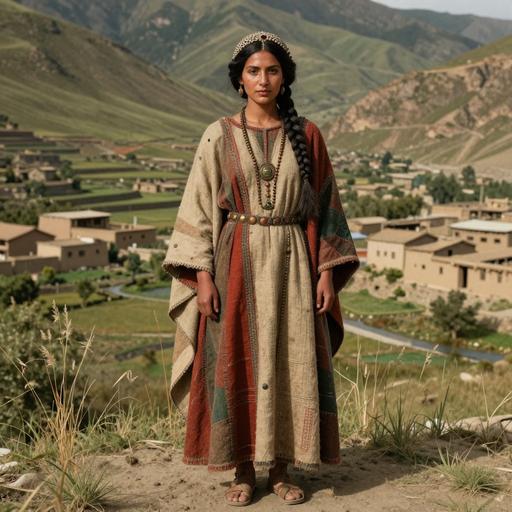
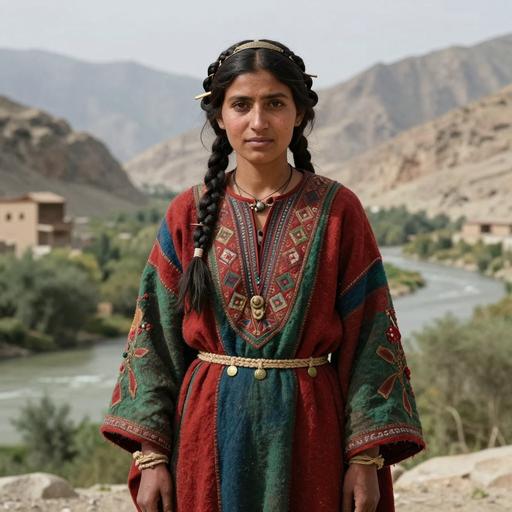
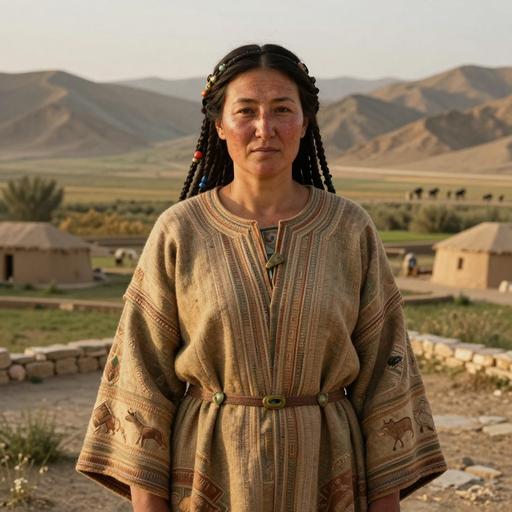
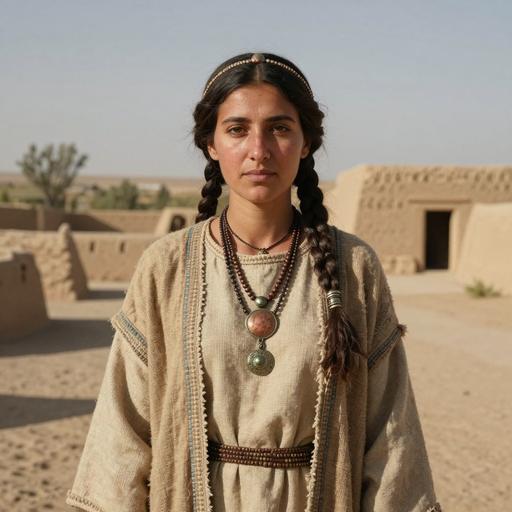
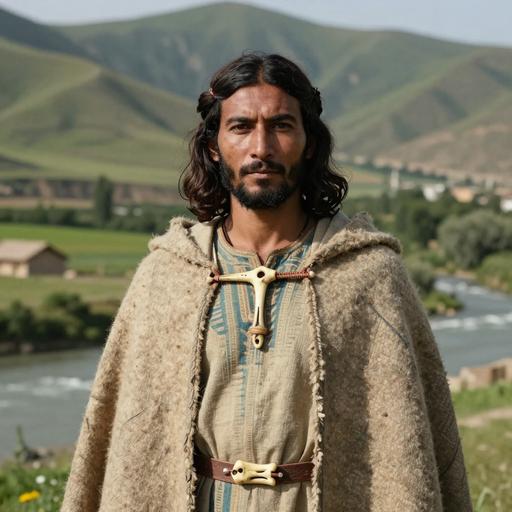
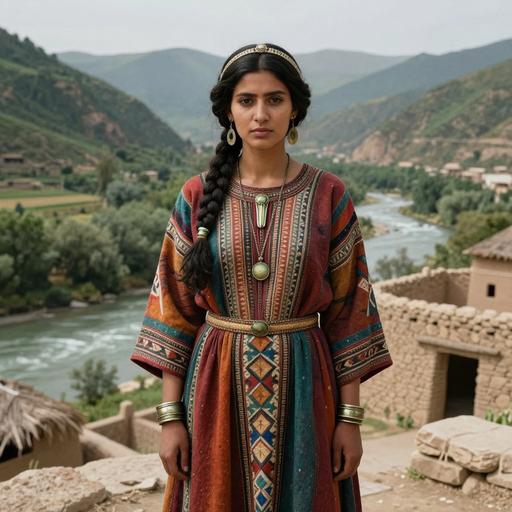
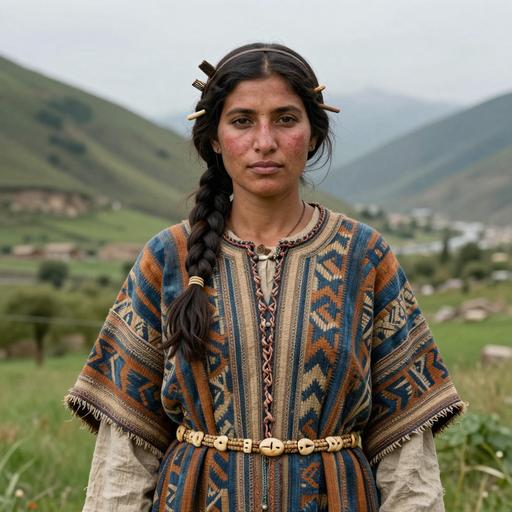
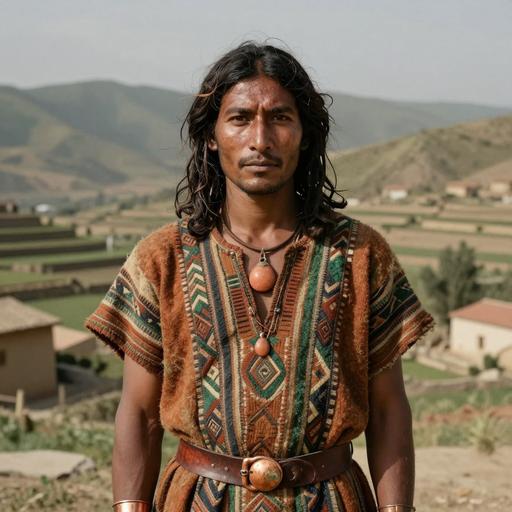
The Saidu Sharif complex provides crucial insights into the Indo-Aryan or Indic civilizations that inhabited the region. These societies were heavily influenced by the Vedic culture, which introduced various social, religious, and linguistic evolutions across the subcontinent. The cultural practices of the time were significantly molded by Aryan migrations and the integration of local traditions.
Archaeological Discoveries
Archaeological evidence from Saidu Sharif exhibits both unique and broader characteristics common to the South Asian Iron Age.
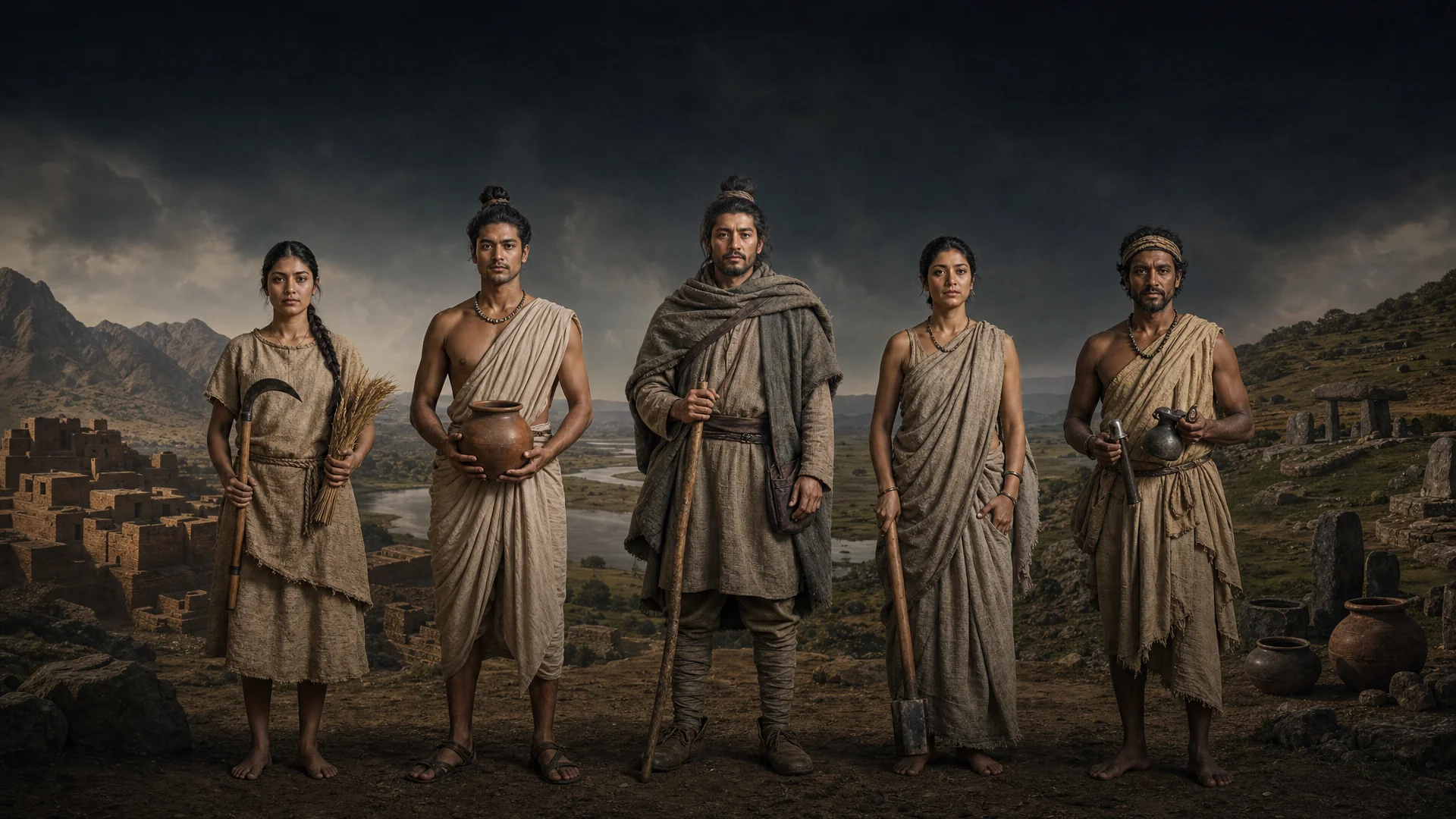
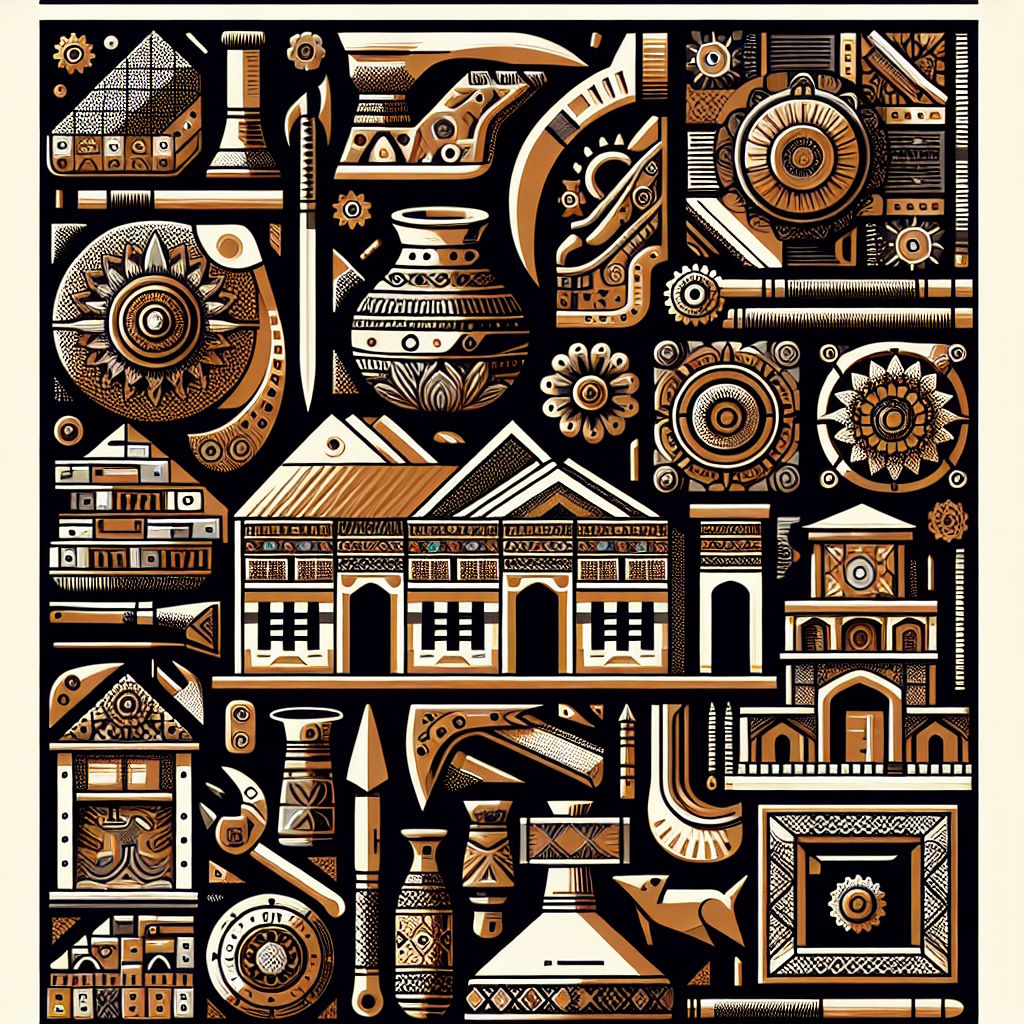
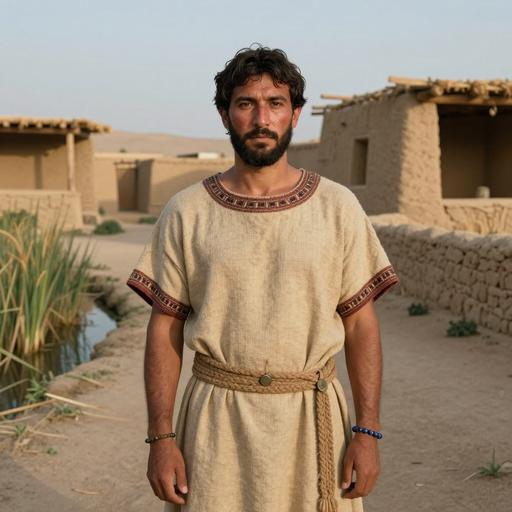
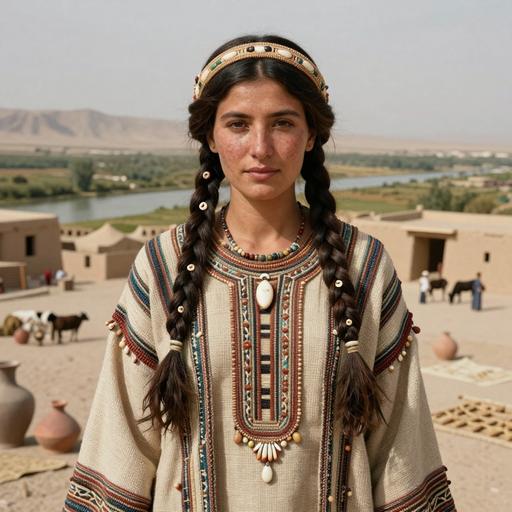
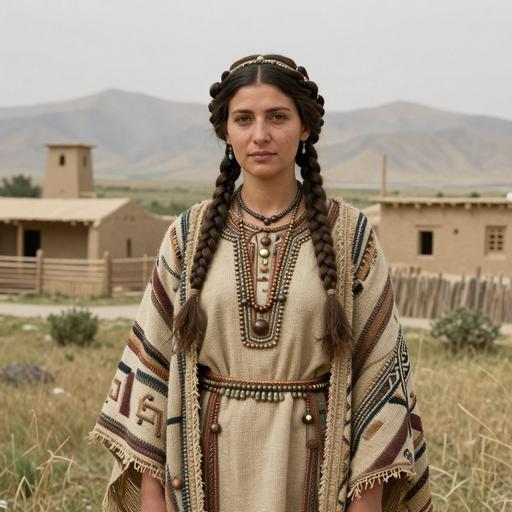
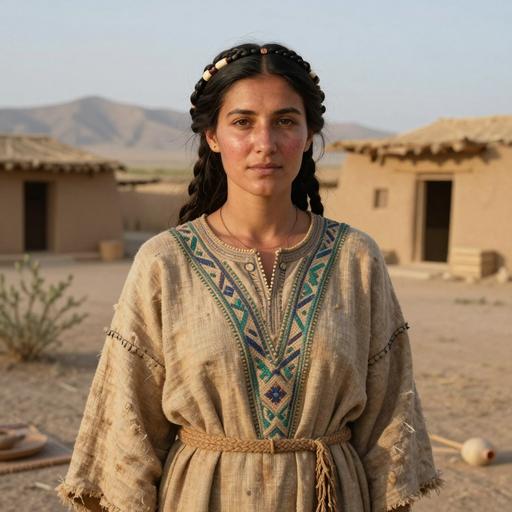
Settlements: Excavations at the Saidu Sharif Iron Age complex have unearthed well-established settlements with planned layouts. Evidence suggests habitation sites included houses made of mud-brick, which demonstrates an advanced understanding of architecture and urban planning.
Iron Metallurgy: The era is distinguished by the widespread use of iron tools and weapons, which facilitated agricultural productivity and enabled territorial expansions. The mastery of iron smelting significantly advanced agrarian capabilities, contributing to population growth and the establishment of more complex societies.
Ceramics and Pottery: The complex has yielded a wide array of pottery, often characterized by intricate designs. Painted grey ware, associated with early Indo-Aryan cultures, has been found, emphasizing both utilitarian and artistic craftsmanship.
Burial Practices: The discovery of burial sites offers insights into the societal values and spiritual beliefs. Graves typically contained pottery and personal ornaments, suggesting beliefs in an afterlife and the practice of ritualistic burials.
Sociopolitical Structure
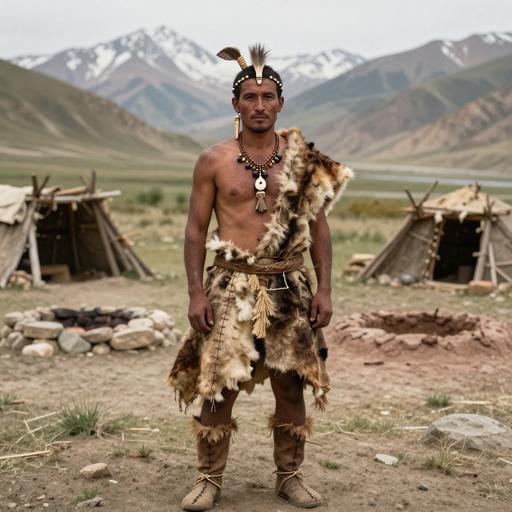
Socially, this era was marked by the formation of hierarchical structures, with the emergence of warrior elites or chieftains who wielded considerable influence and power. The transition to iron technology helped consolidate power through improved military capabilities.
Religious and Linguistic Developments
The religious fabric of this period laid the groundwork for what would eventually evolve into classical Hinduism. The Vedic rituals, hymns, and sacrificial ceremonies played a central role in social life. Linguistically, the use of early Sanskrit is evidenced, and the oral traditions of the Vedas began to solidify into written texts later in this period.
Trade and Interactions
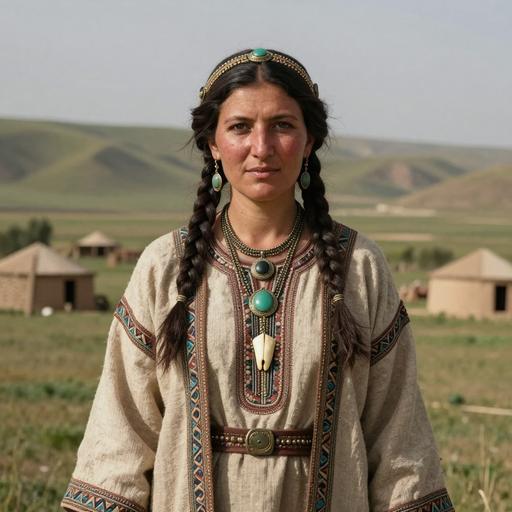
The Swat Valley’s role as a meeting point for routes connecting Central Asia to the subcontinent facilitated the exchange of goods, culture, and ideas. Artifacts indicative of trade, such as beads and semi-precious stones, suggest active commercial exchanges with distant regions, fostering a cosmopolitan culture.
Decline and Legacy
As the Iron Age progressed, climatic changes and shifts in trade routes possibly contributed to the decline of settlements like Saidu Sharif. However, the legacy of this civilization persisted through the continuation of Indo-Aryan cultural and religious practices, leaving an indelible impact on the history and evolution of the broader Indian subcontinent.
In summary, the Saidu Sharif Iron Age Complex exemplifies the rich tapestry of human history in the Swat Valley, marked by technological advancements, complex societal structures, and a vibrant blend of cultural traditions that influenced and were influenced by both indigenous and Aryan cultures.