Region & Environment
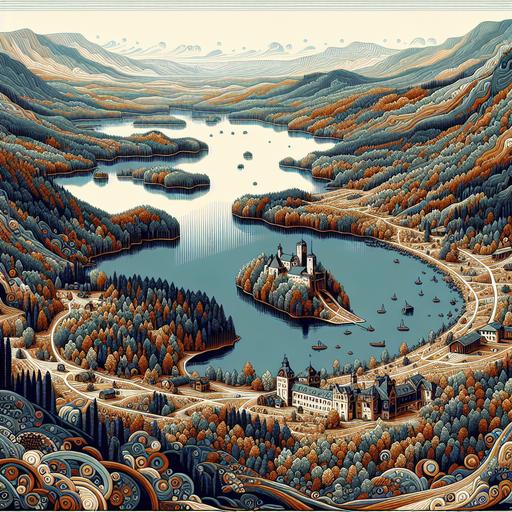
Denmark’s environment—dominated by islands, coasts, and fertile inland regions—encouraged seafaring travel and communication. Agricultural production supported towns and rural estates, while the maritime setting enabled exchange across the Baltic and North Seas.
Historical Context
From the 11th century onward, Denmark became increasingly integrated into wider European Christian networks. Over time, royal authority and church power grew, and the Danish realm participated in regional commerce and political competition. The medieval period ends in the early 16th century, when major religious and political changes were underway across northern Europe.
Populations & Lifeways
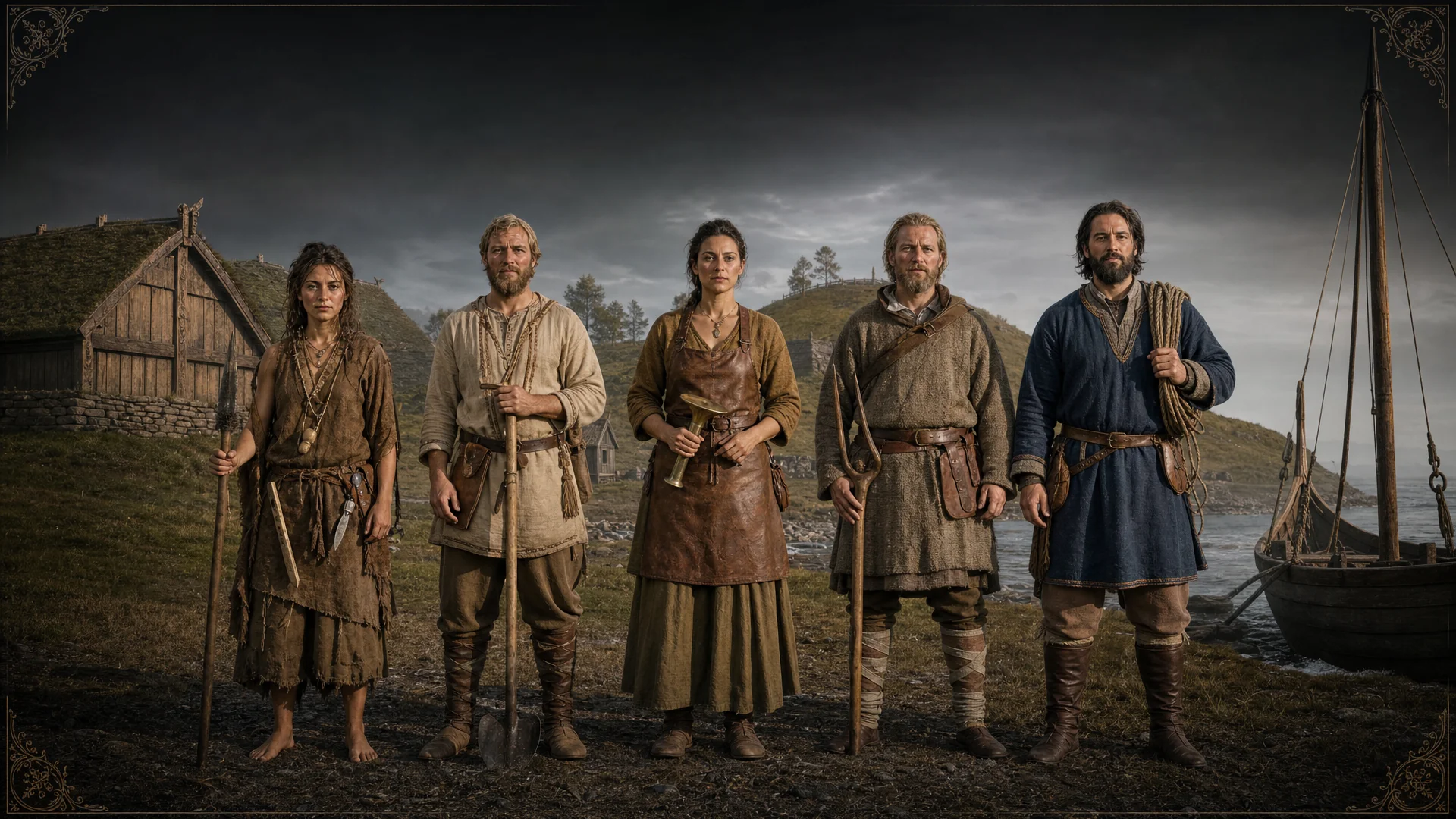
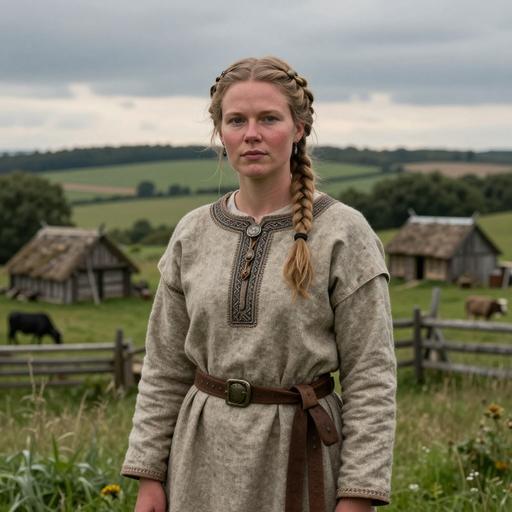
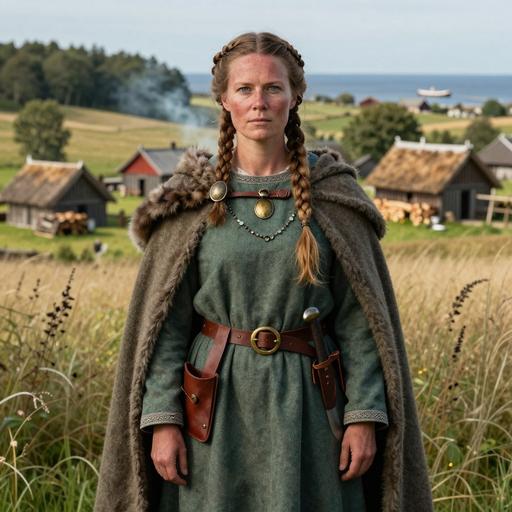
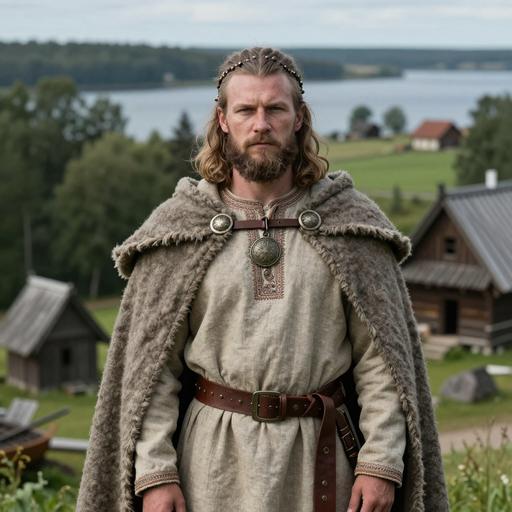
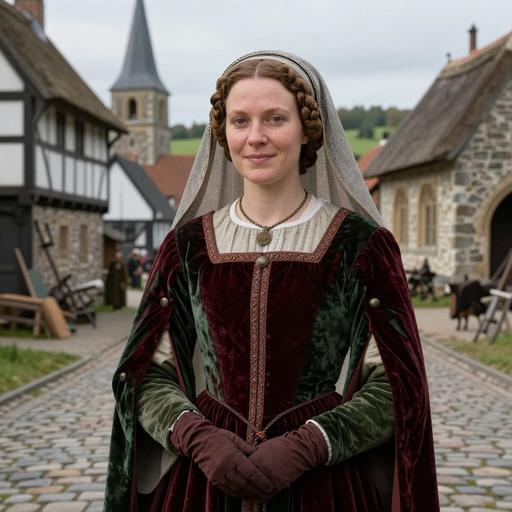
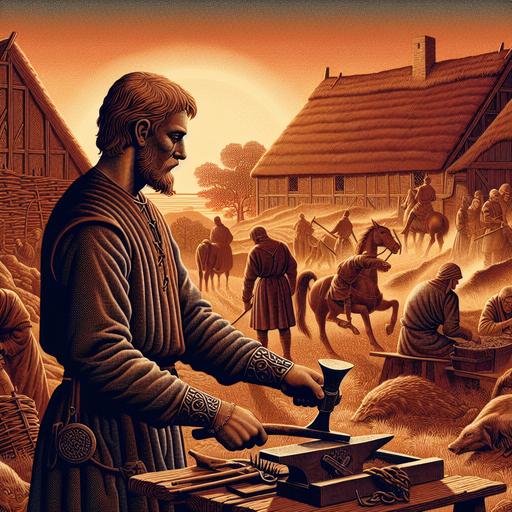
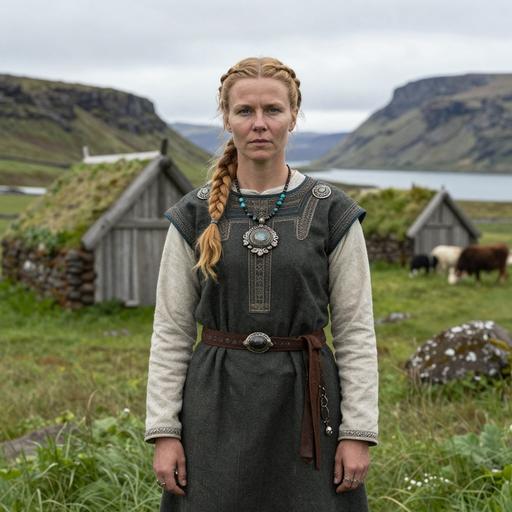
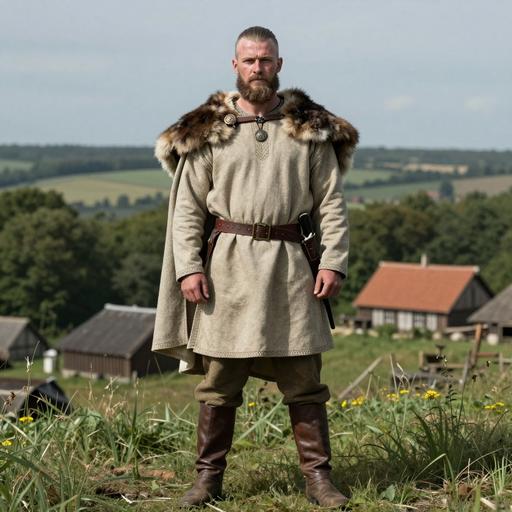
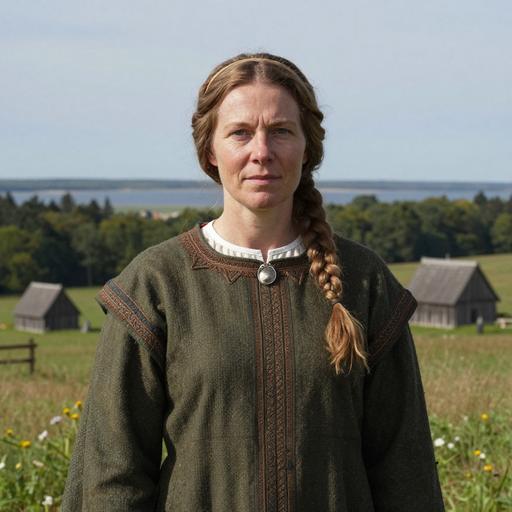
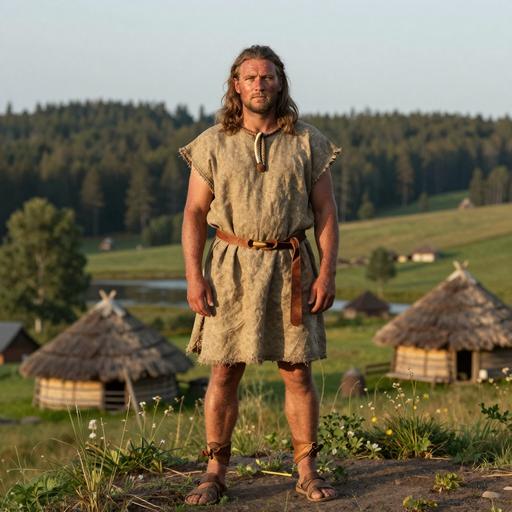
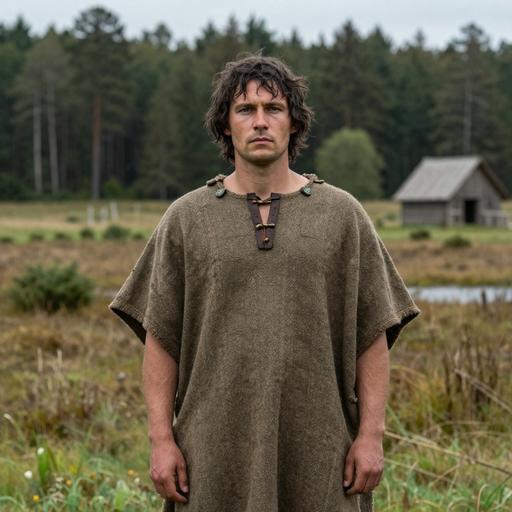
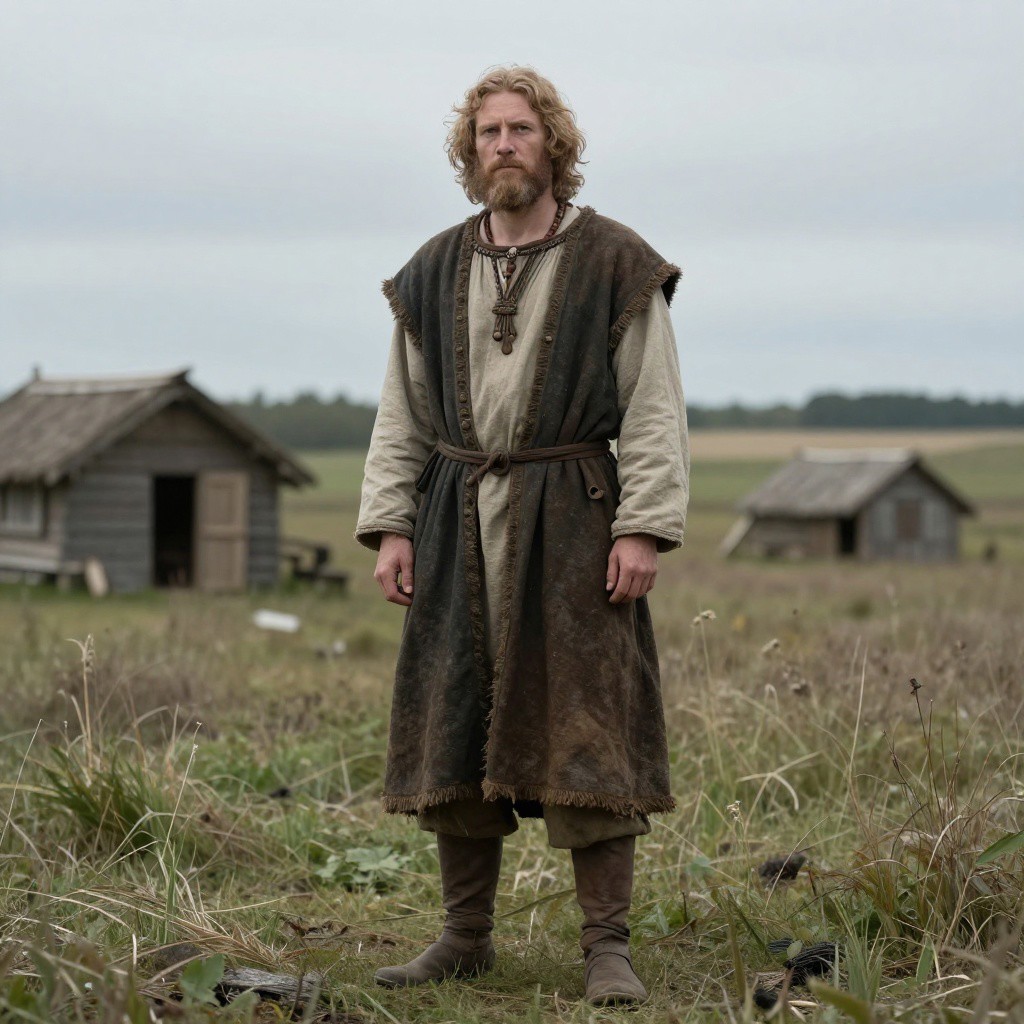
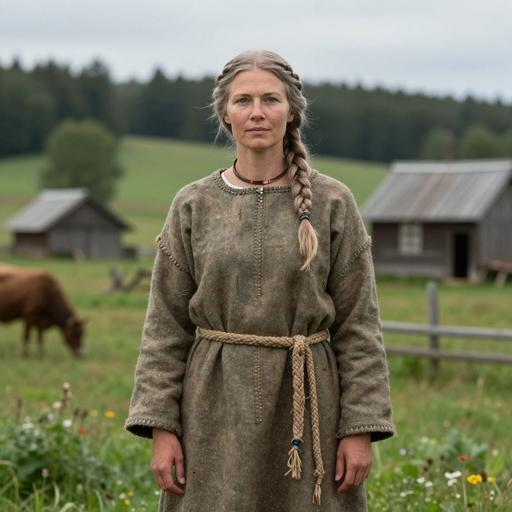
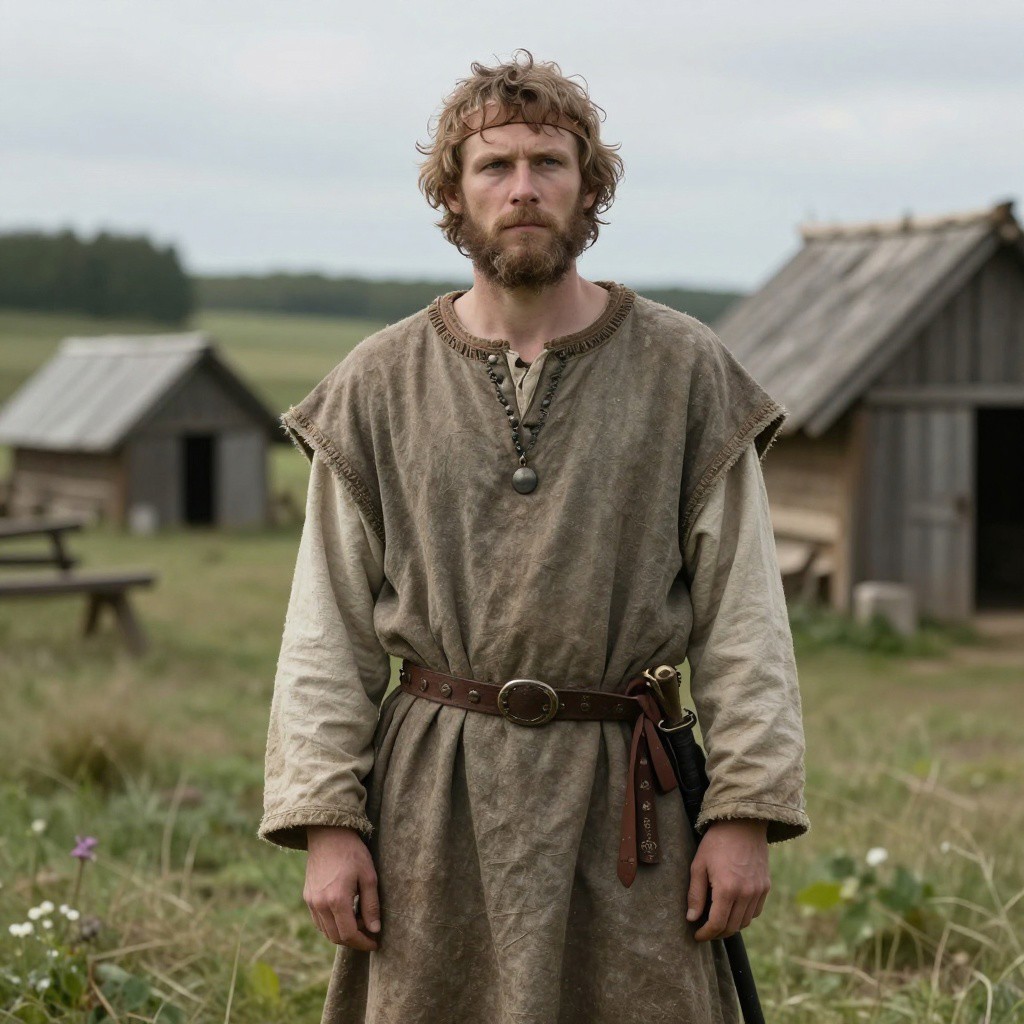
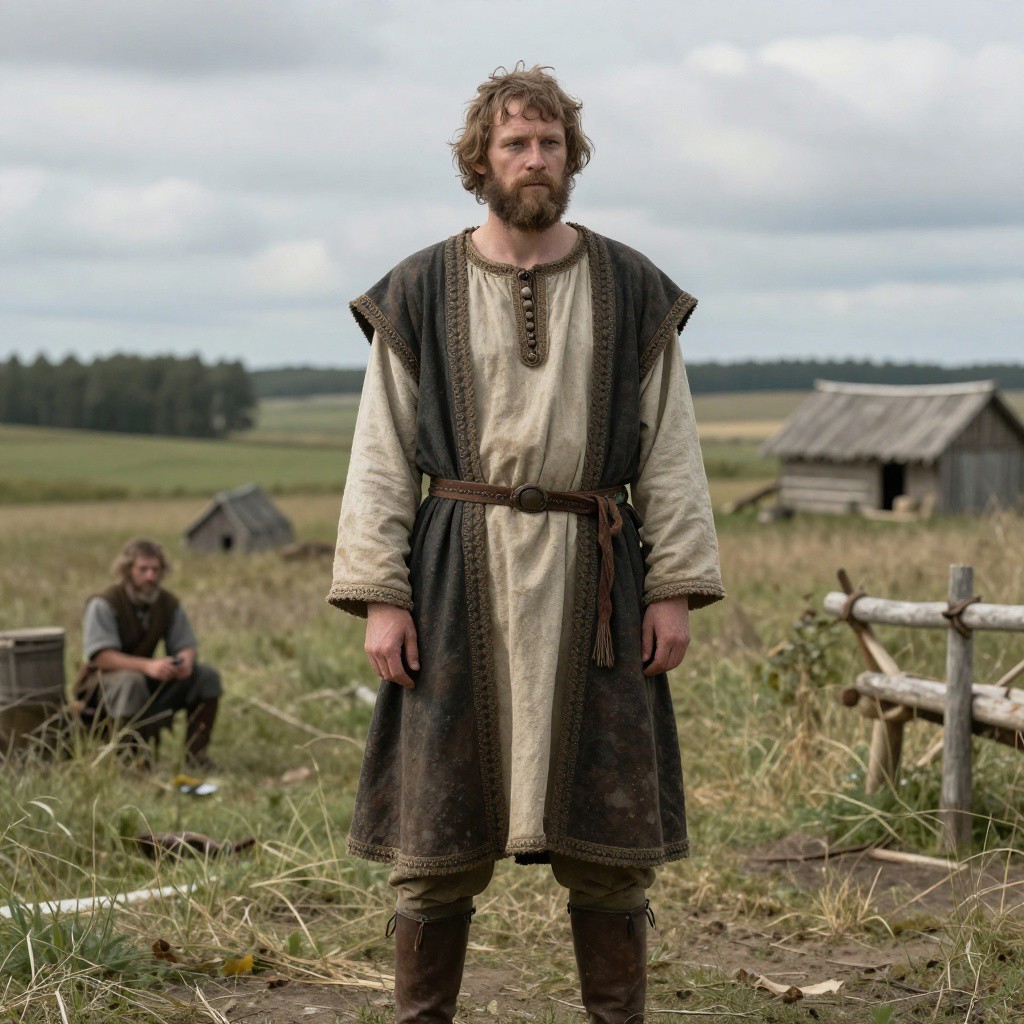
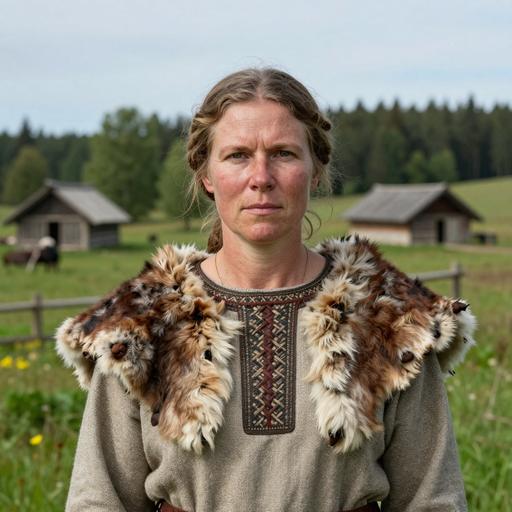
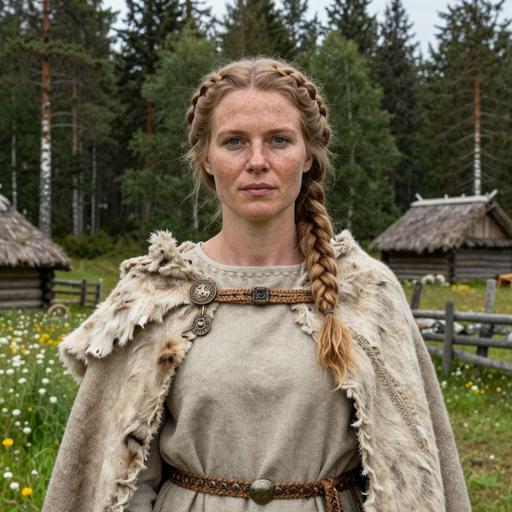
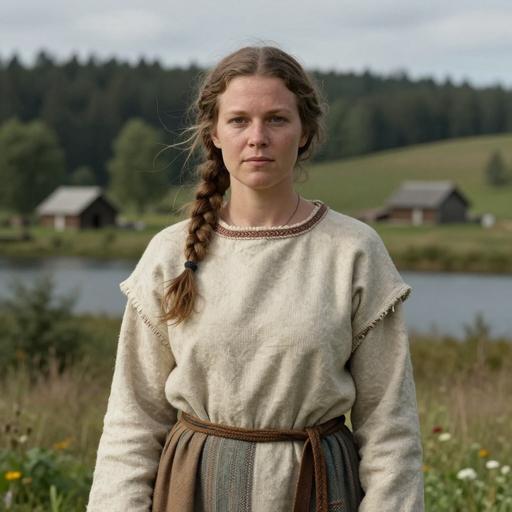
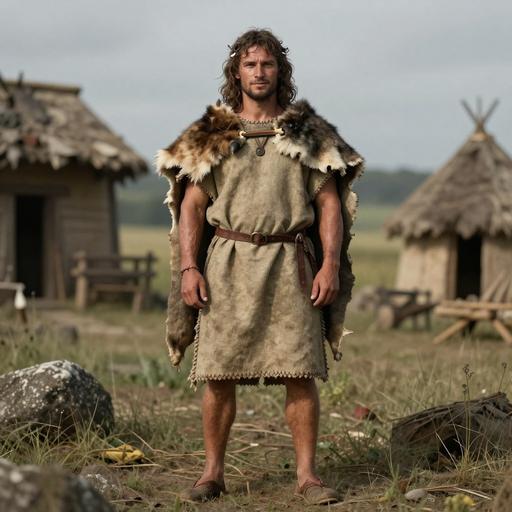
Medieval populations lived in a mix of rural settlements, church-associated communities, and urban centers. Farming remained fundamental, while crafts and trade expanded in response to market growth and maritime routes. Dietary habits would have varied by status and season, and social life was shaped by kinship networks, parish organization, and expanding institutional control.
Archaeology & Material Culture
Archaeological material from medieval Denmark includes domestic ceramics, metalwork, building remains, and evidence for specialized craft activities. Fortifications and manor-related structures reflect changing approaches to defense and administration, while church-related sites can preserve architectural elements and small finds associated with religious practice.
Culture & Society
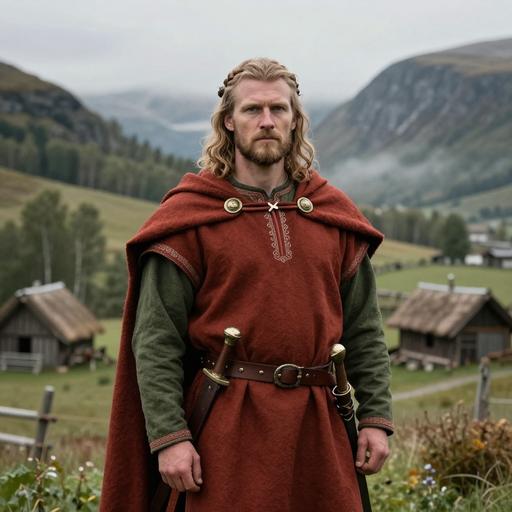
Medieval Danish society was strongly influenced by the Christian church and by evolving systems of landholding and governance. Social ranking is visible in differential access to goods, construction styles, and the scale of communal and institutional buildings, including churches and fortified sites.
Legacy & Transition
The medieval period laid important foundations for later Danish history through long-term development of institutions, literacy and record-keeping practices, and integration into European trade networks. The transition out of the medieval era brought substantial shifts in religious life and political alignment, restructuring how communities were organized.