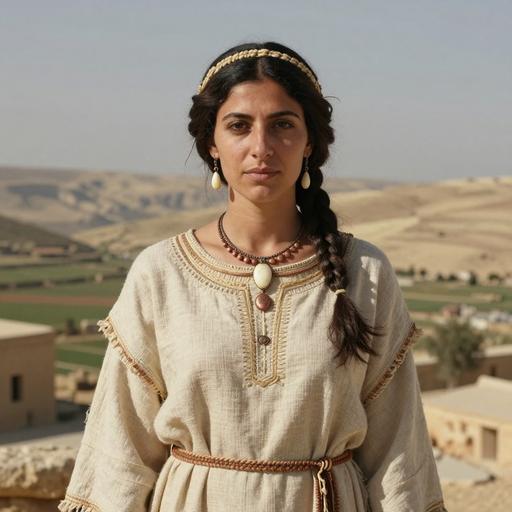
Geographical Context
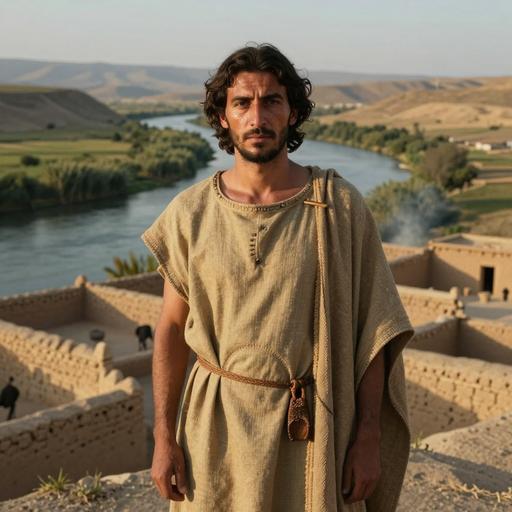
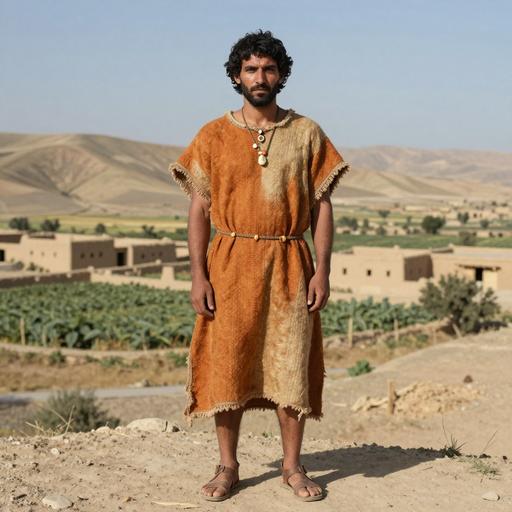
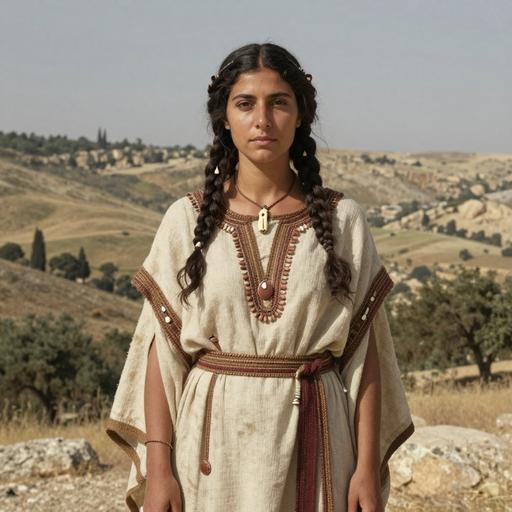
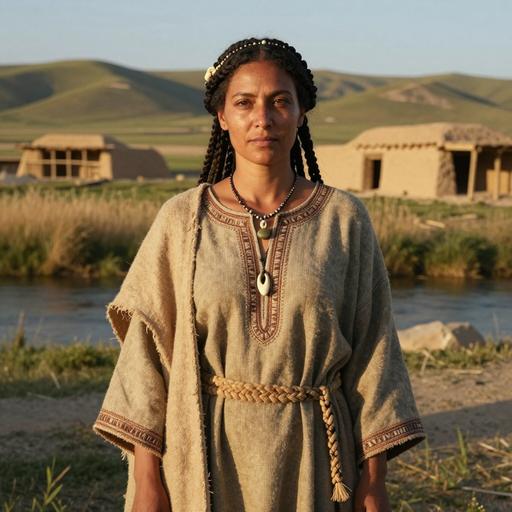
Situated at the crossroads of Asia and Europe, ancient Armenia encompassed the highlands surrounding Mount Ararat, a strategic location that influenced its cultural and economic development. The region's rugged terrain, with its mountains, valleys, and rivers, provided natural resources such as metals, which were critical to the communities inhabiting these lands.
Sociopolitical Structure
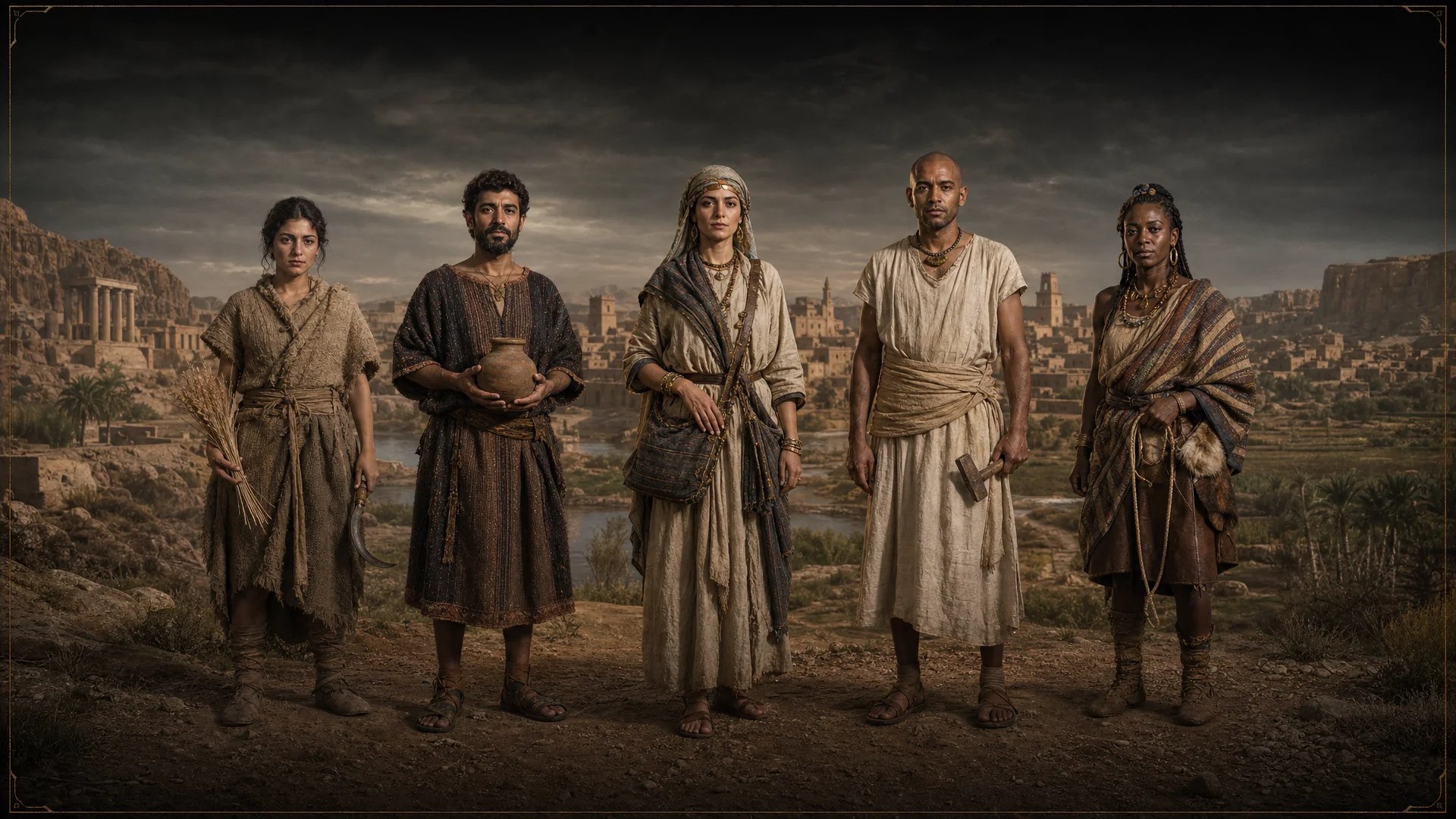
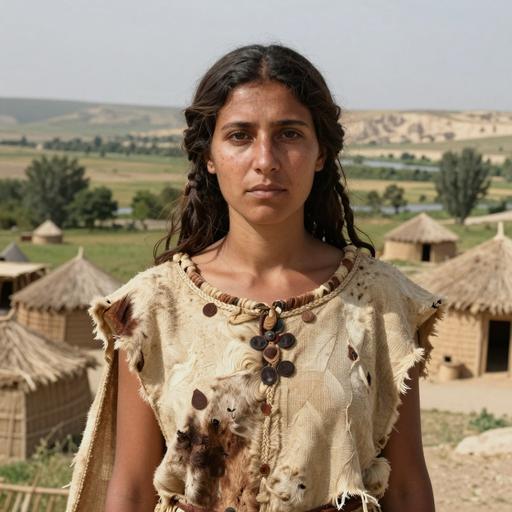
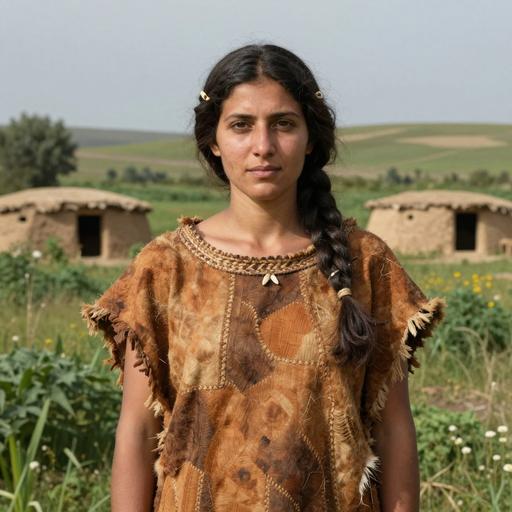
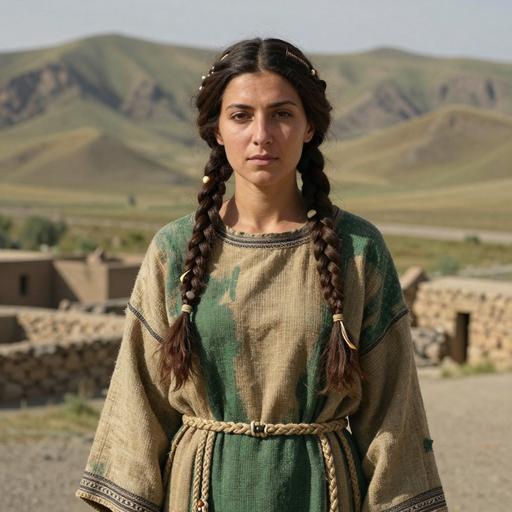
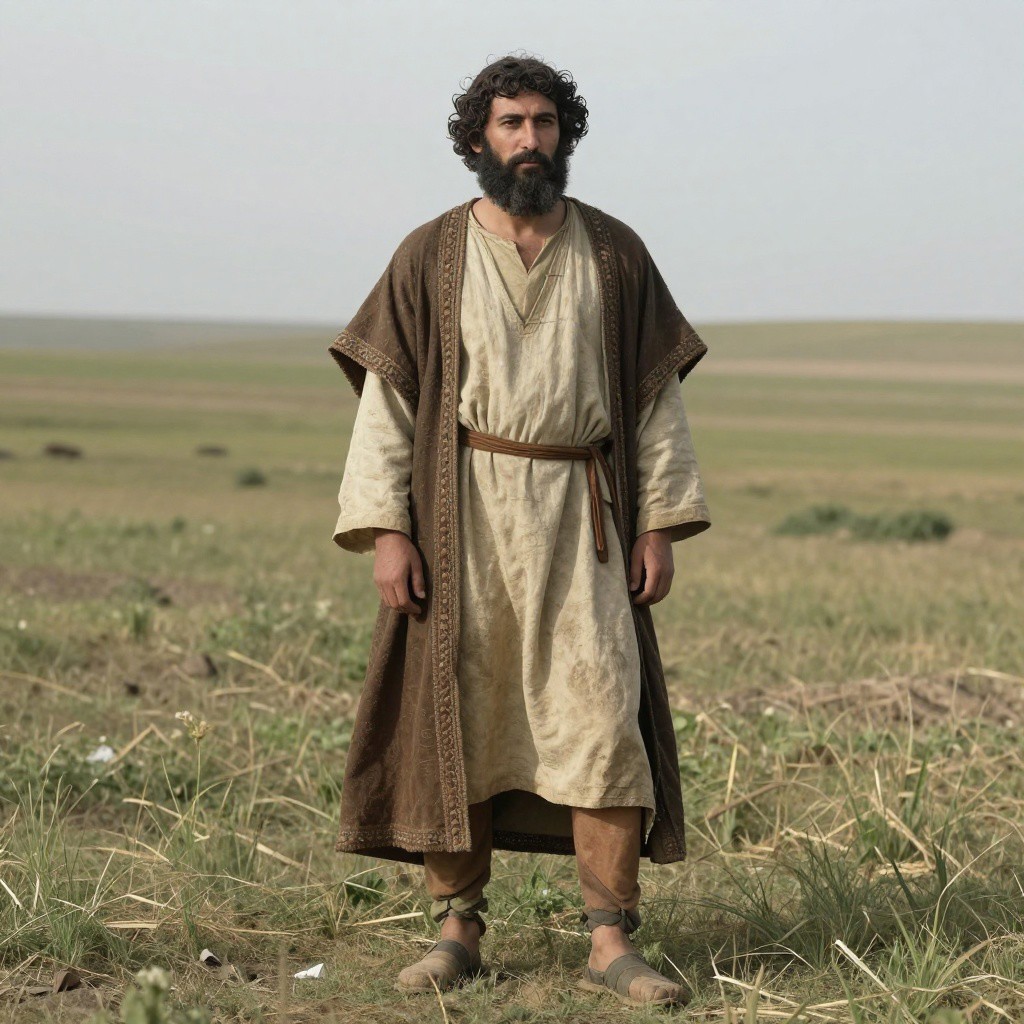
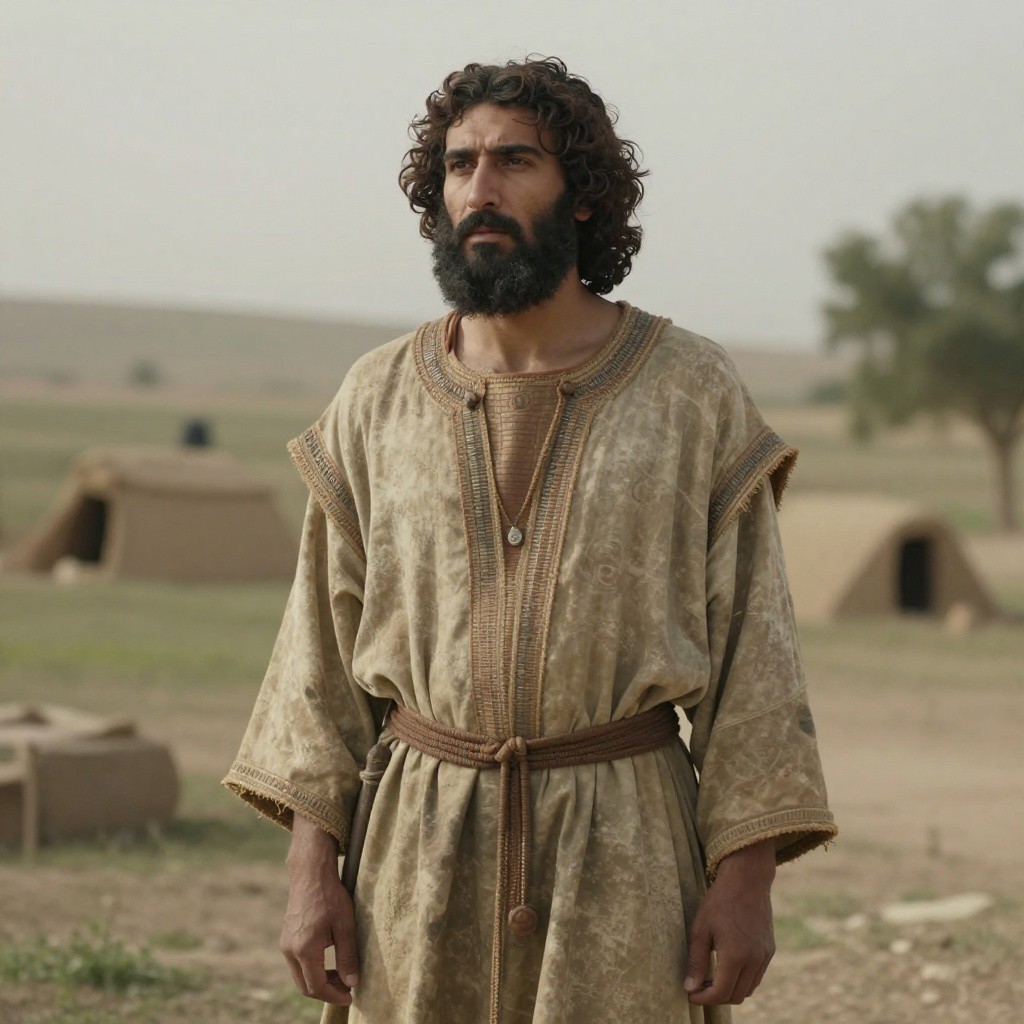
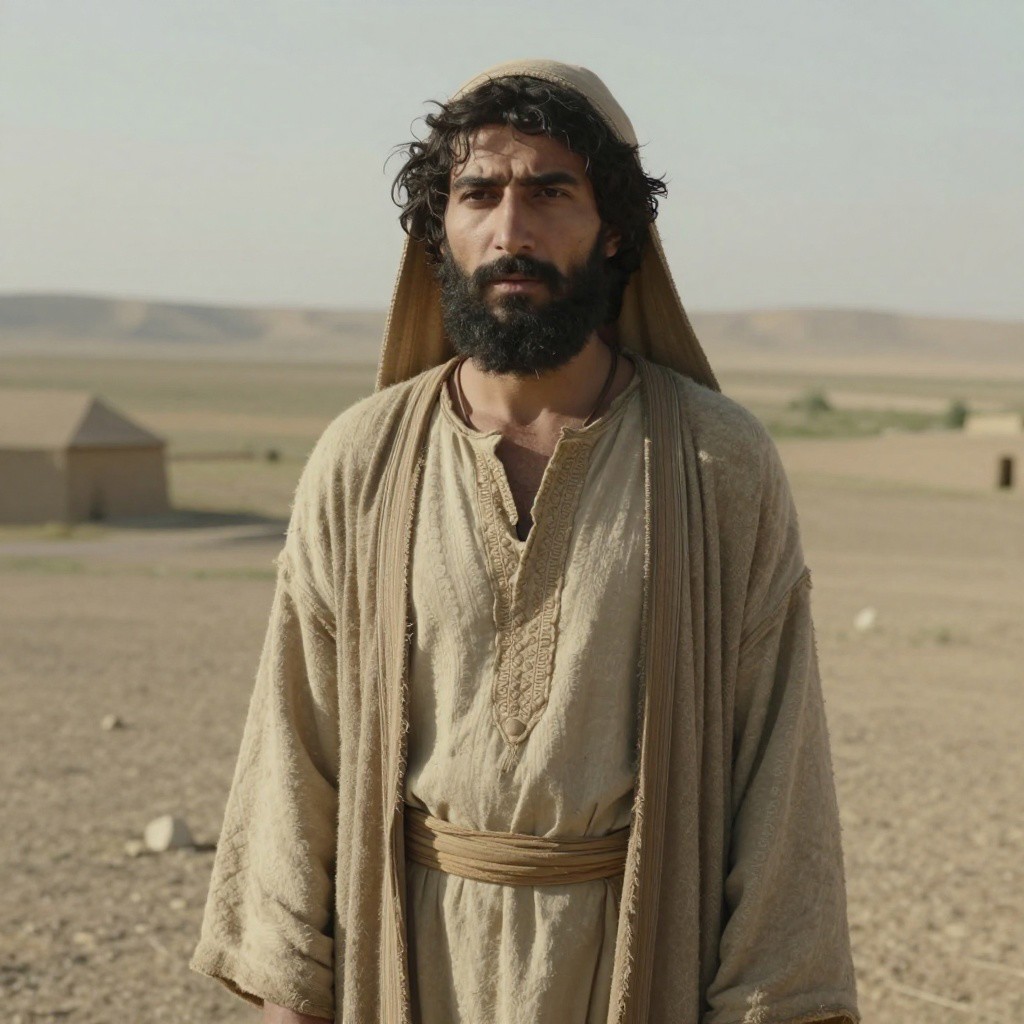
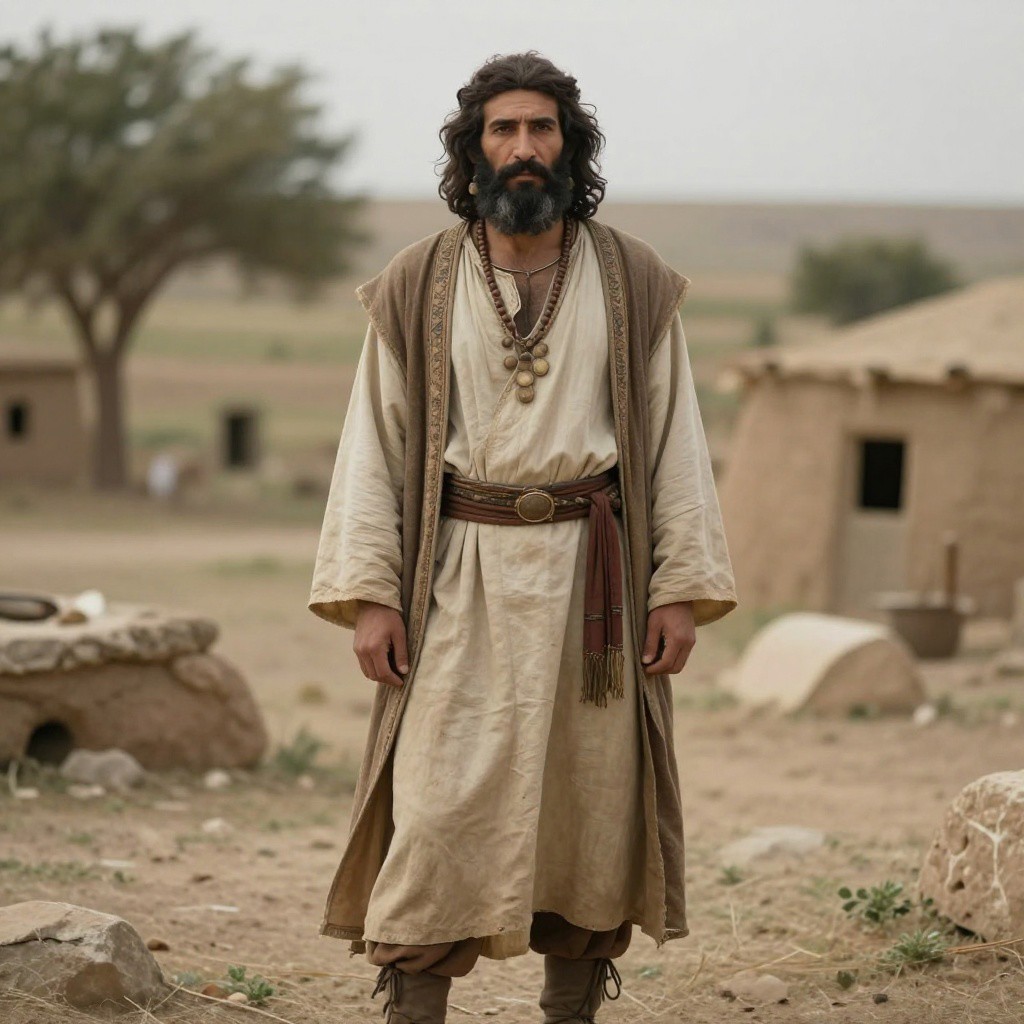
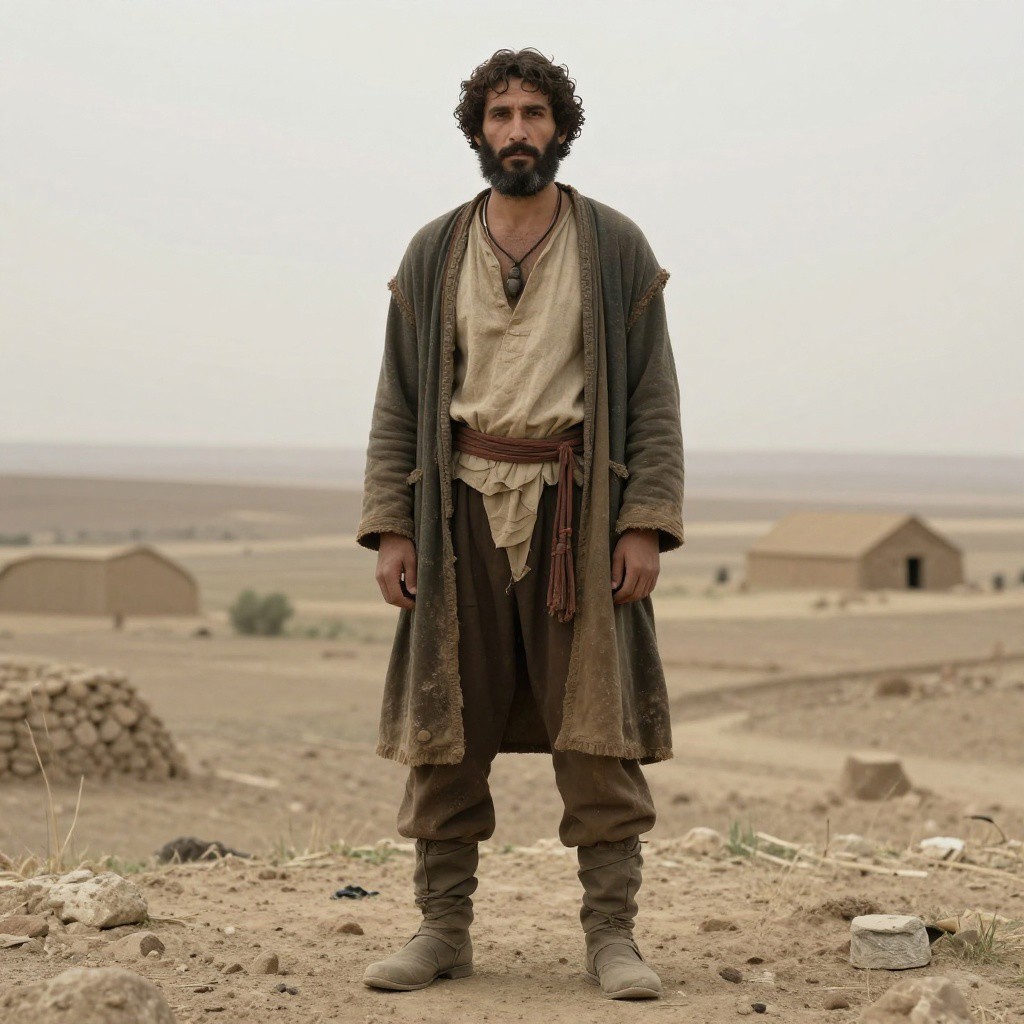
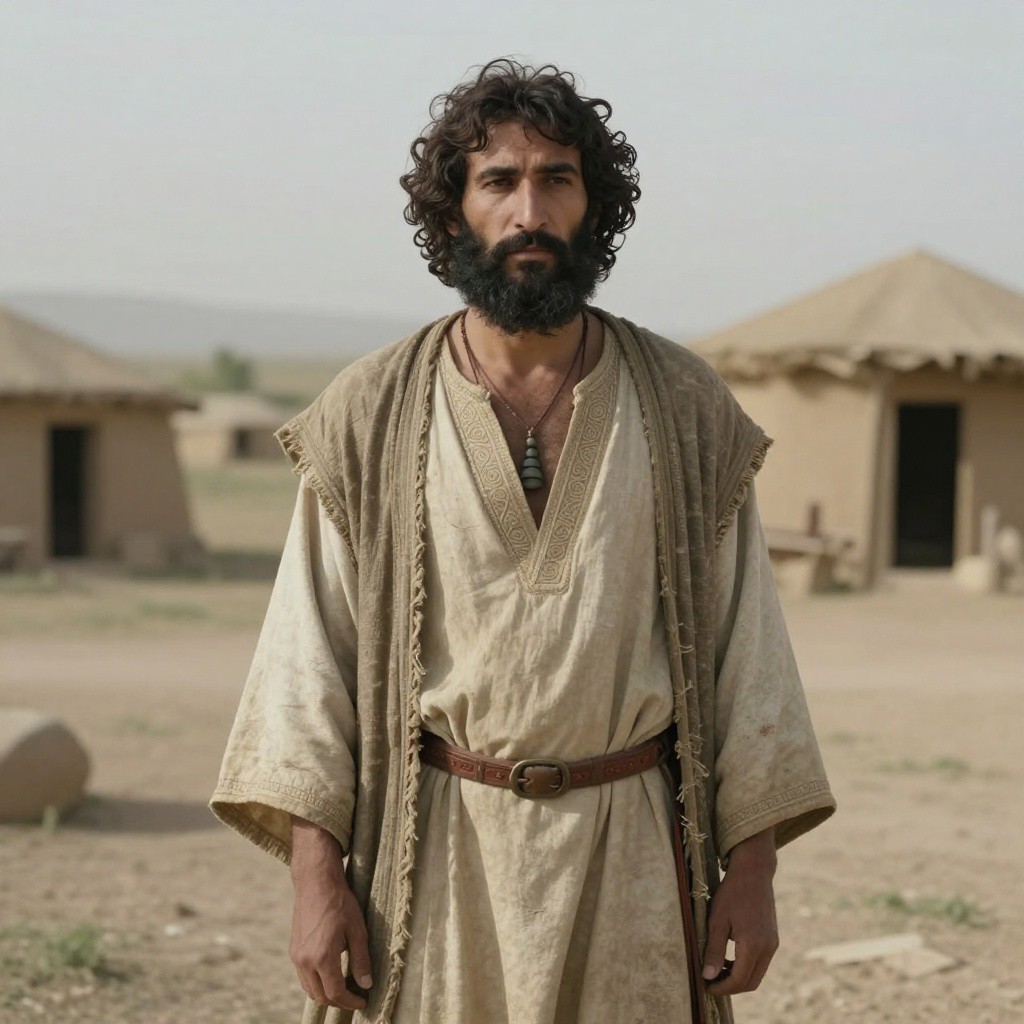
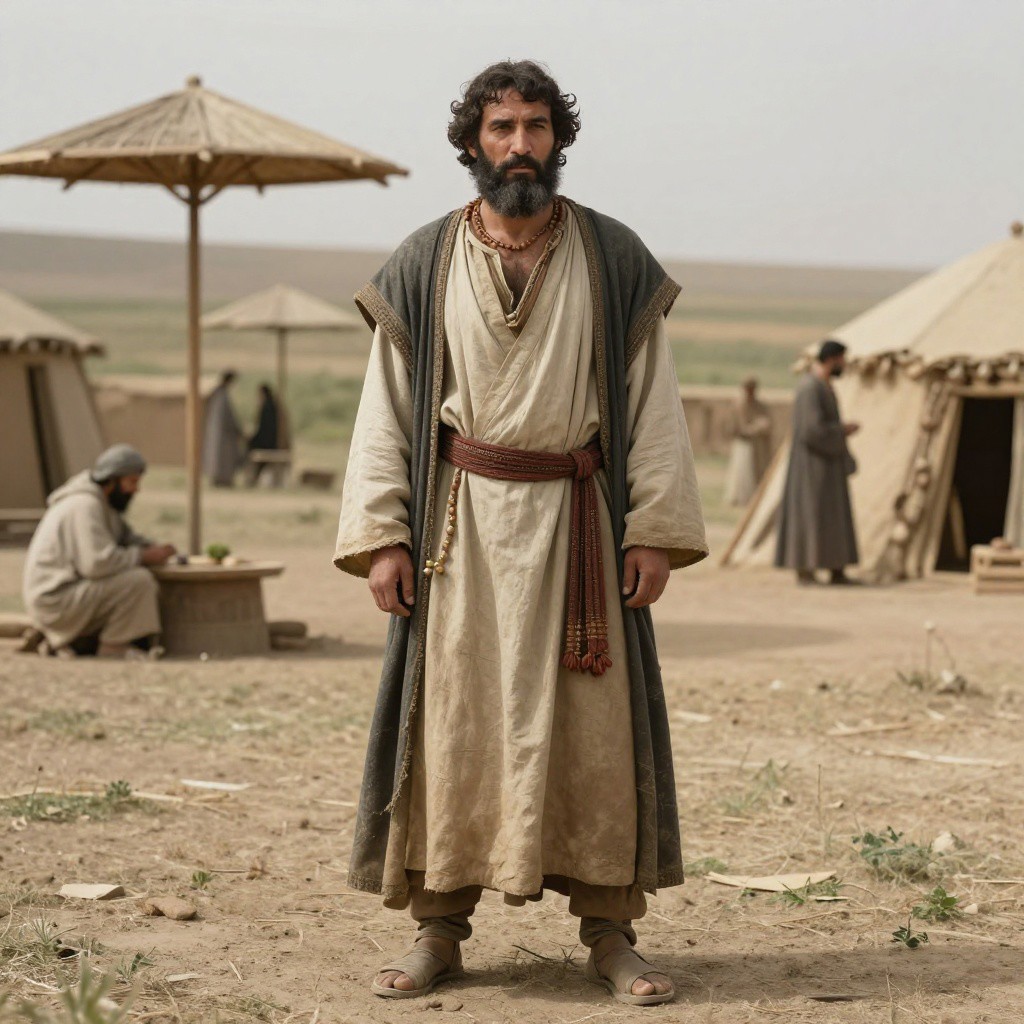
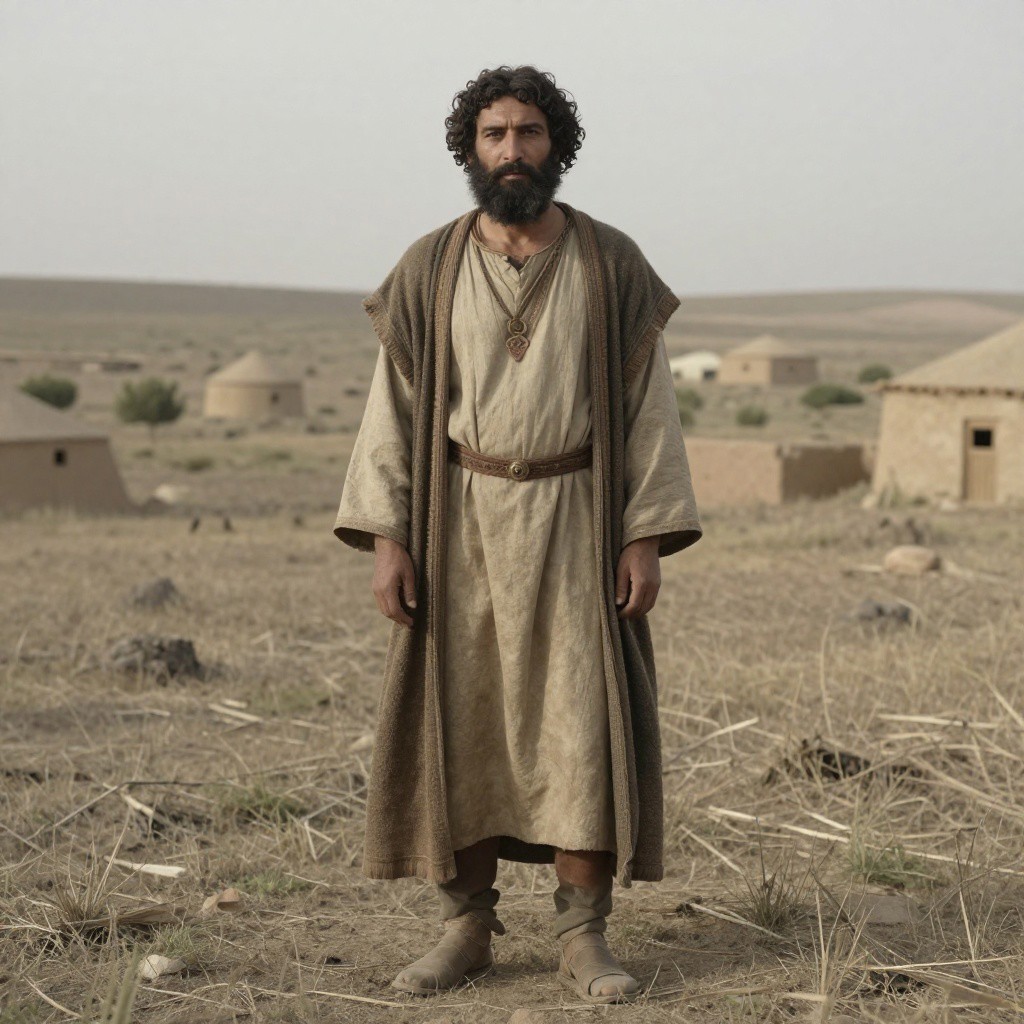
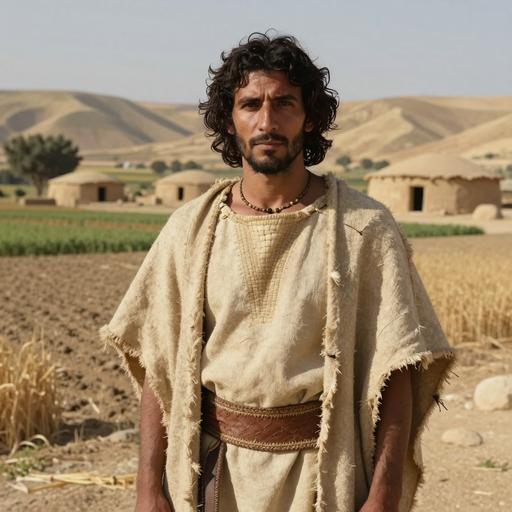
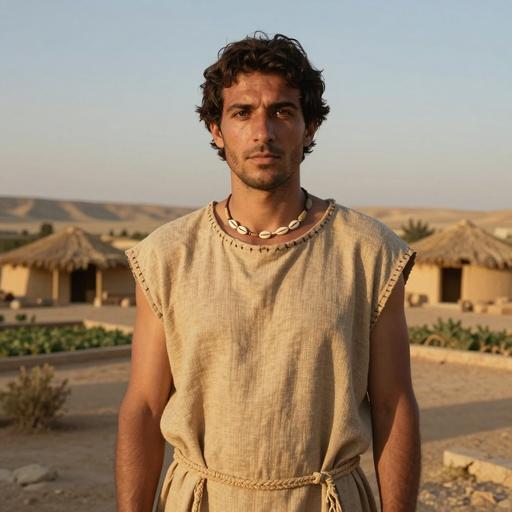
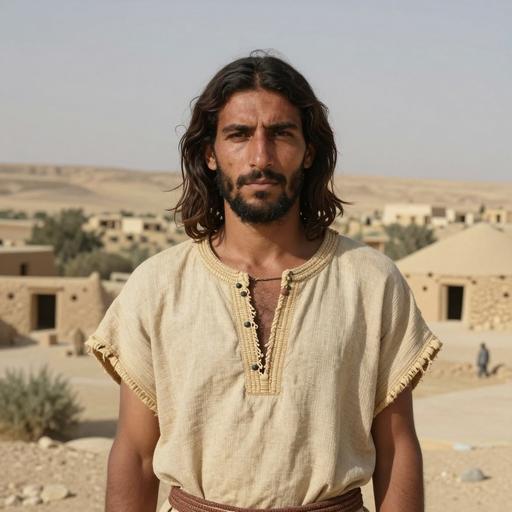
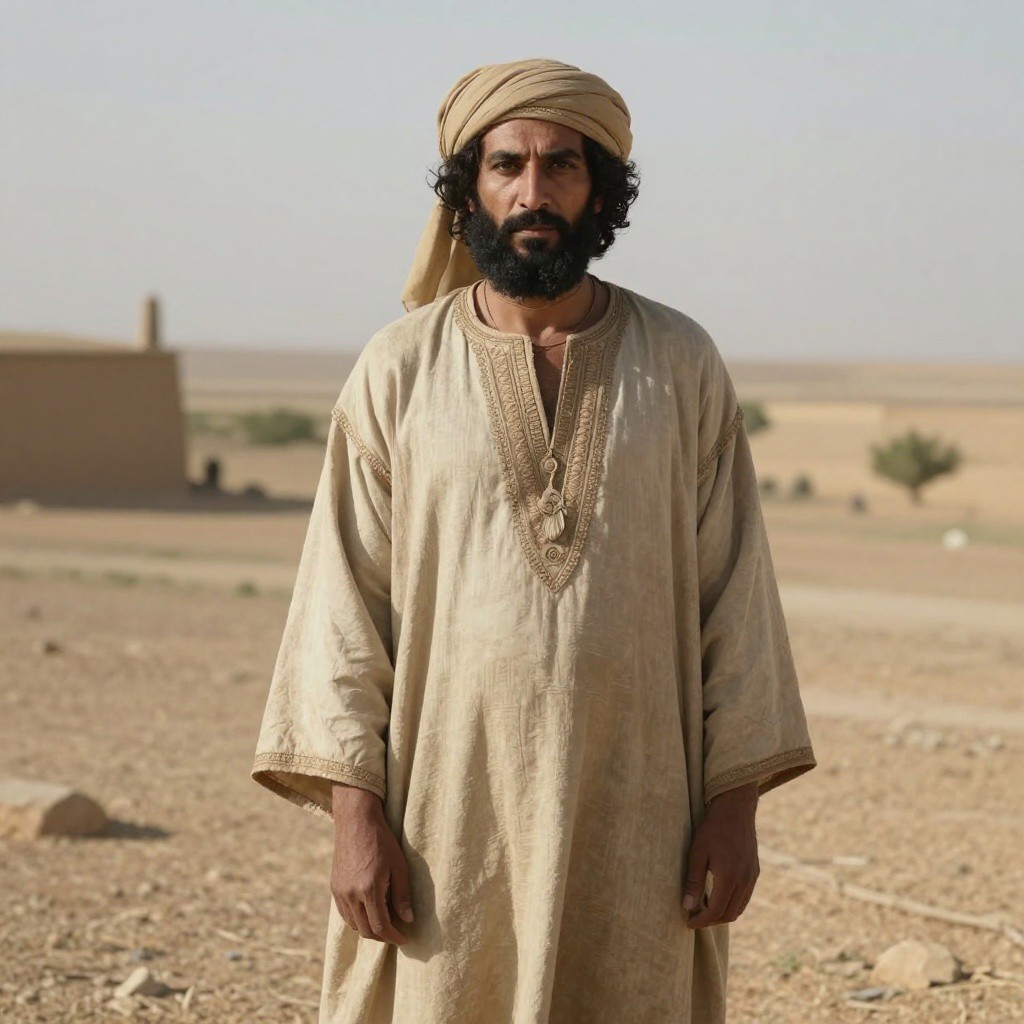
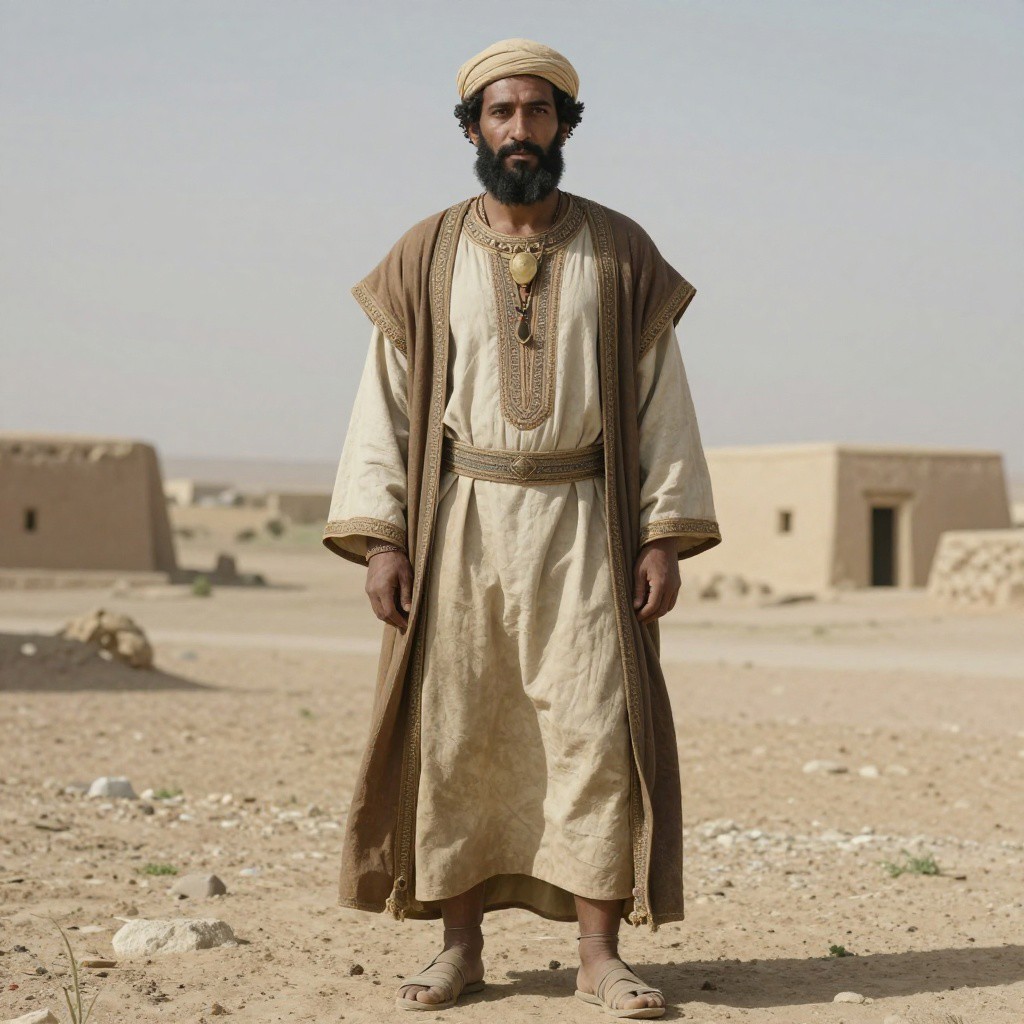
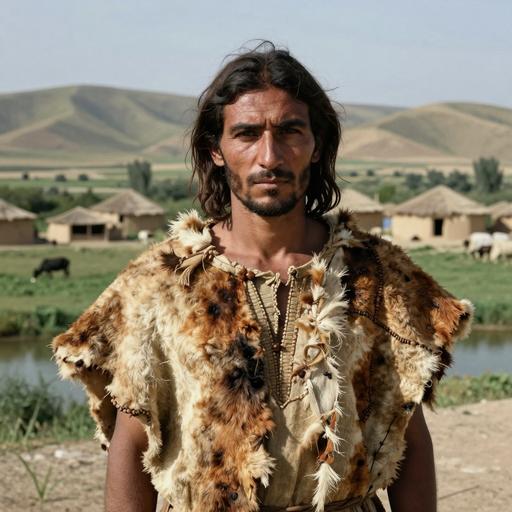
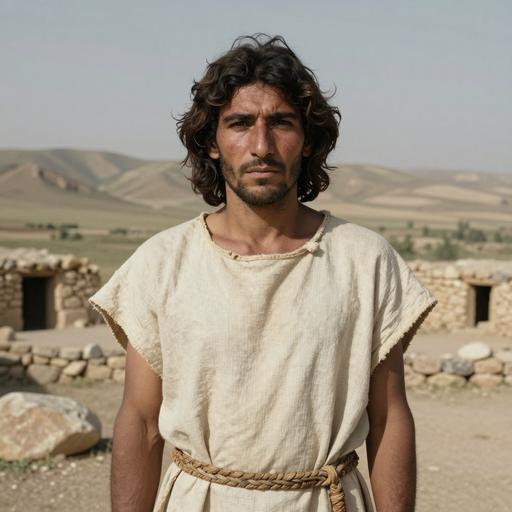
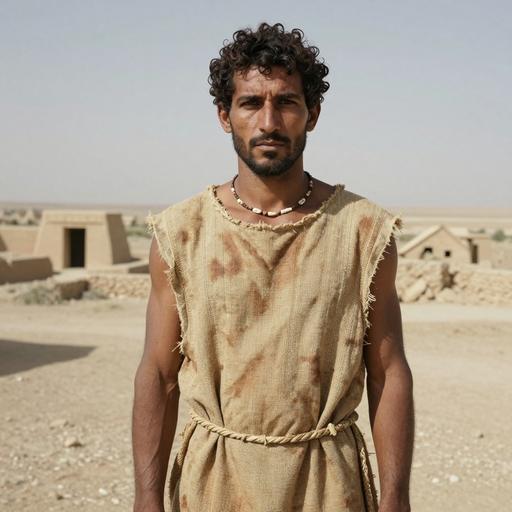
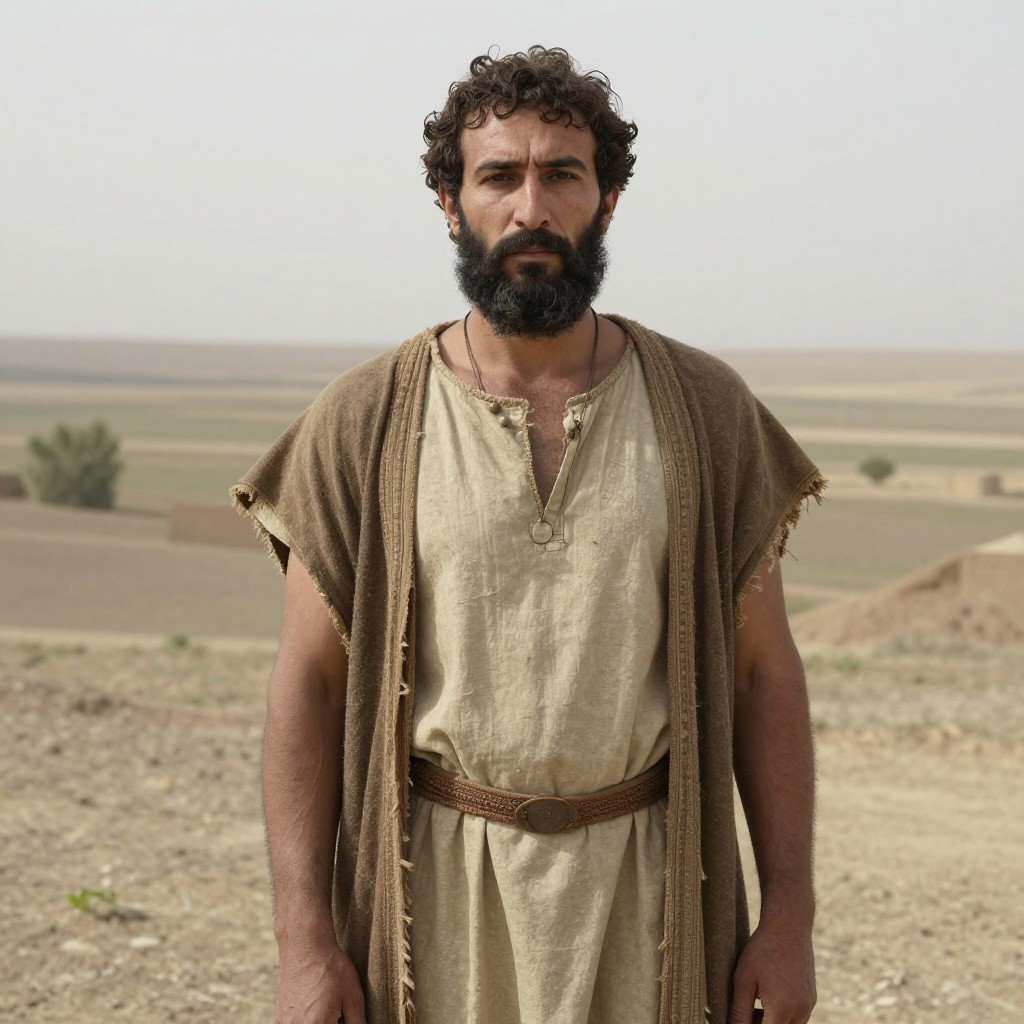
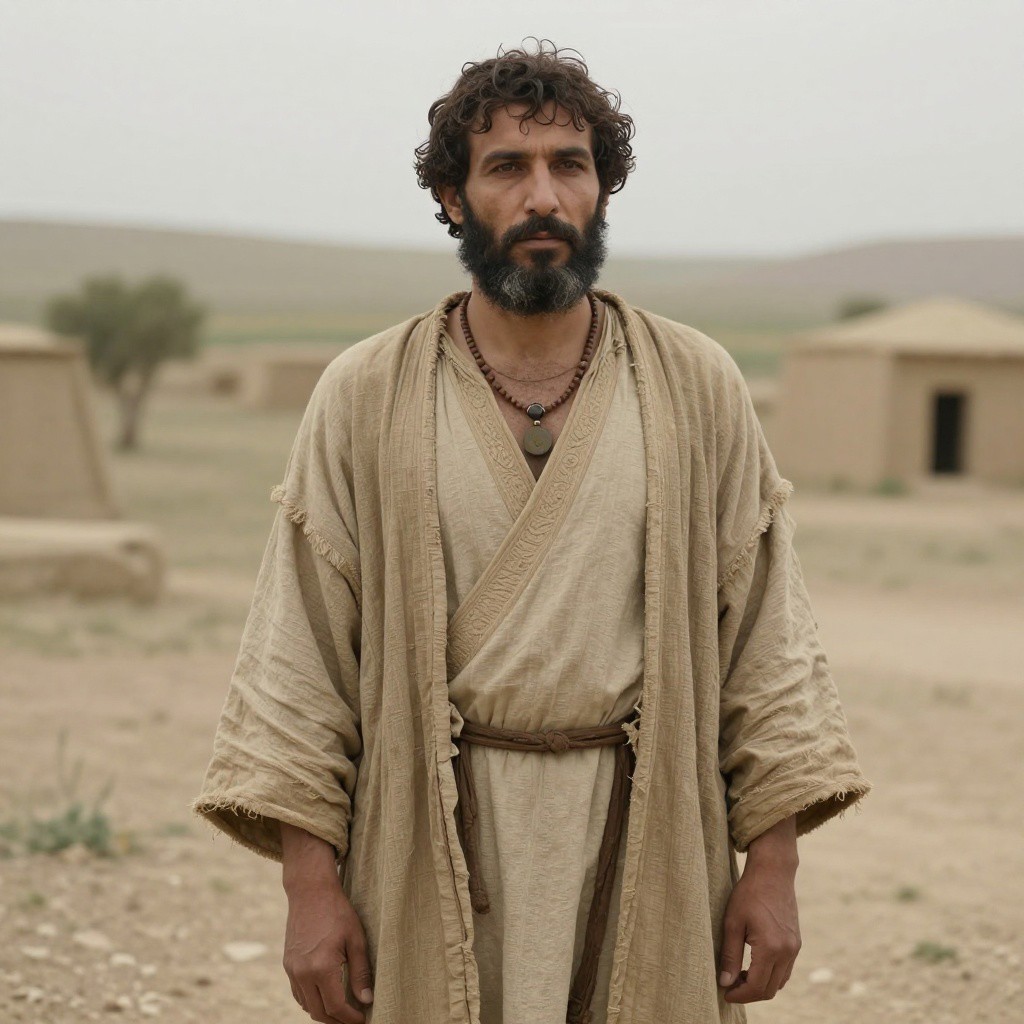
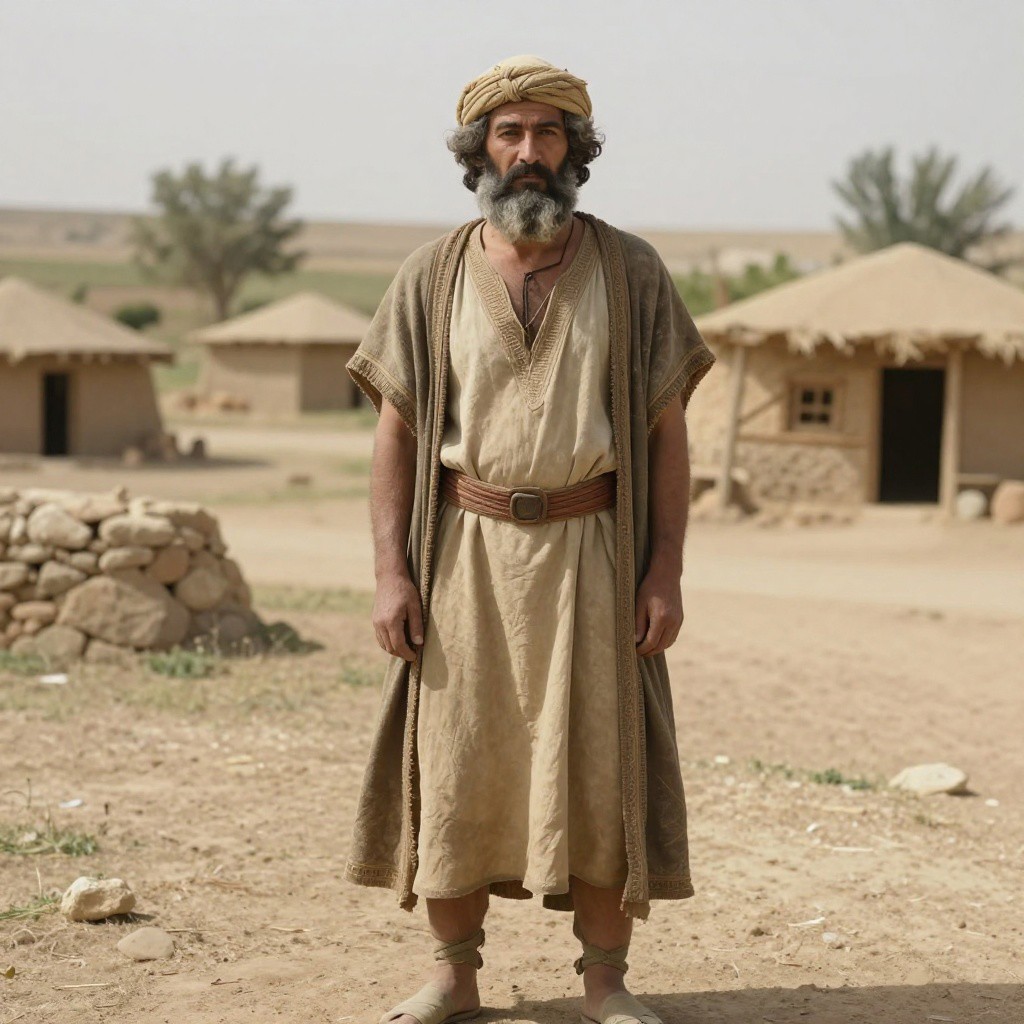
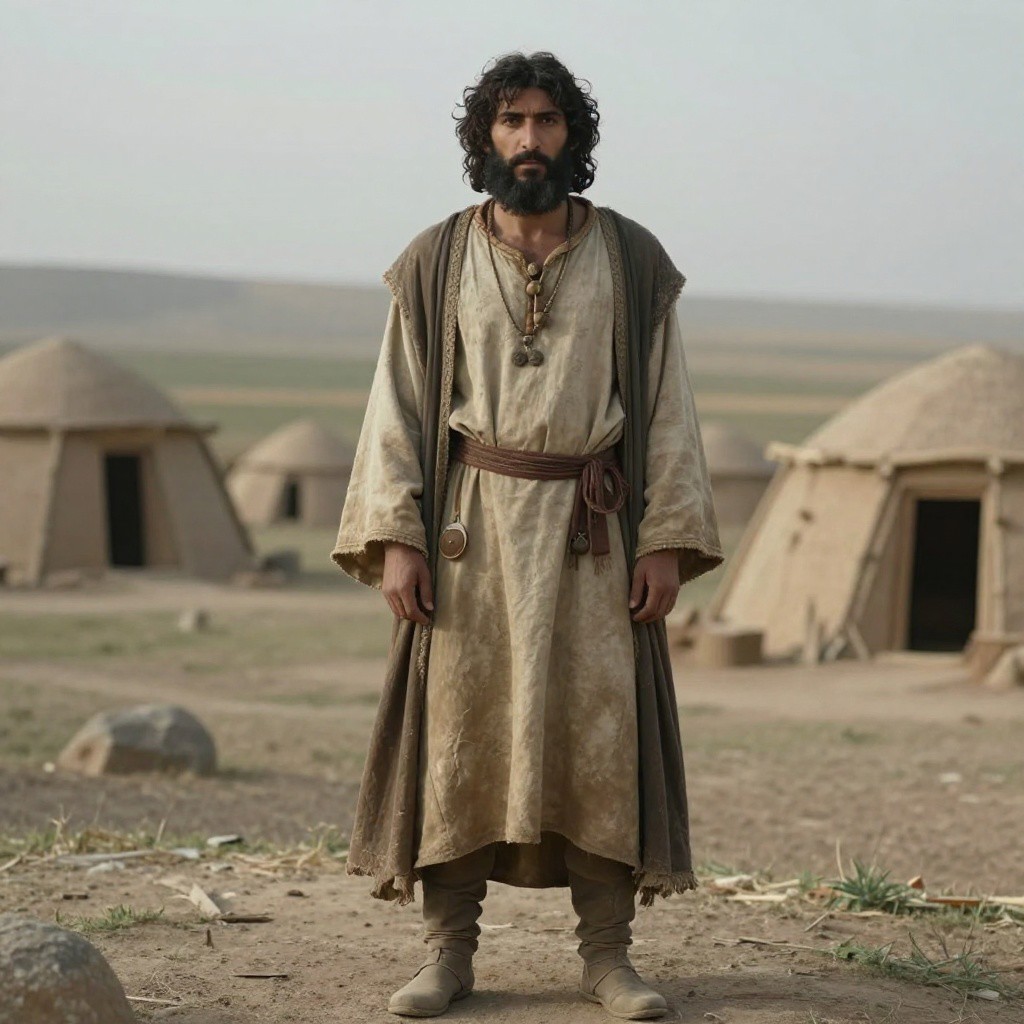
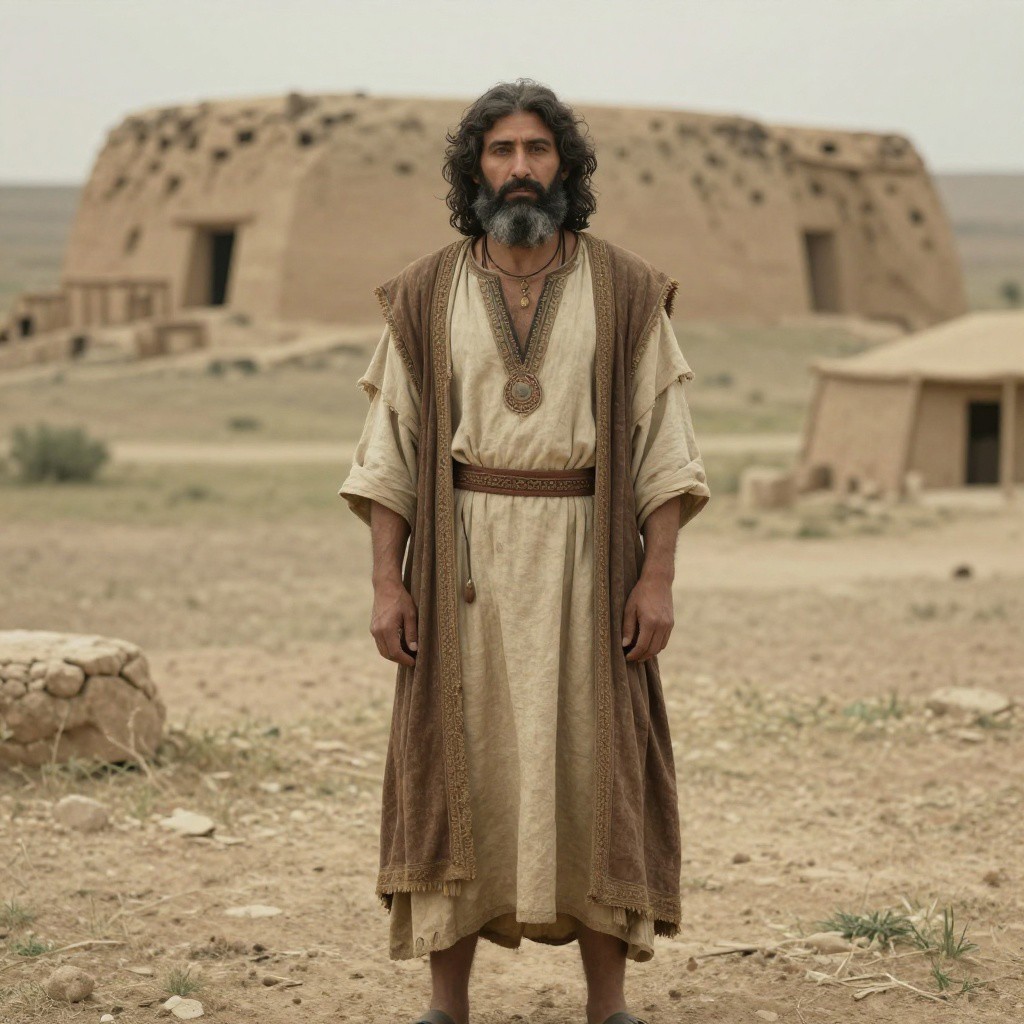
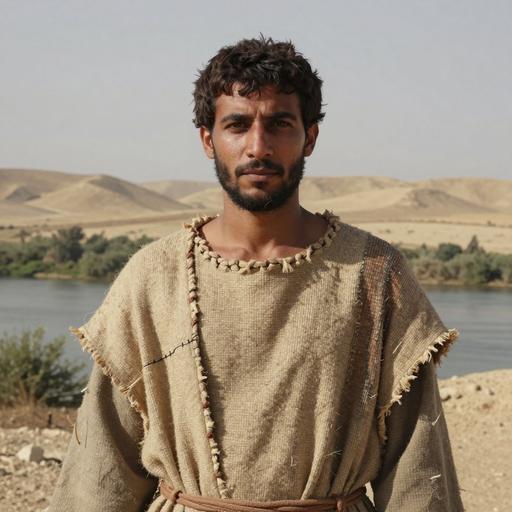
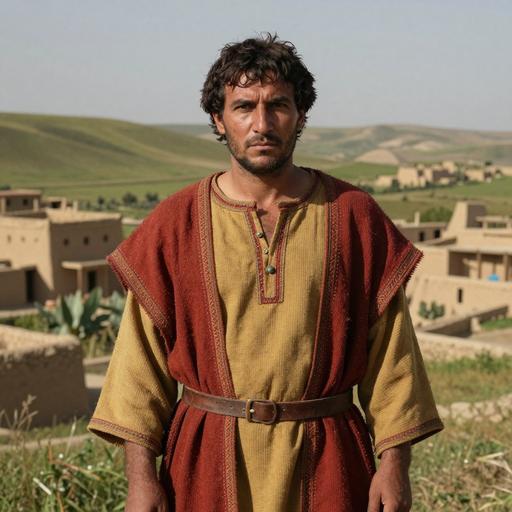
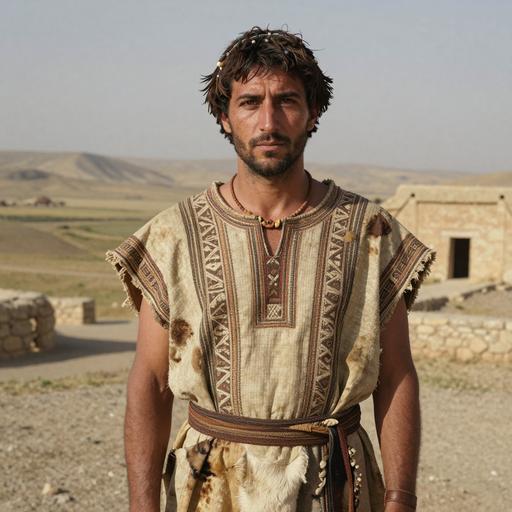
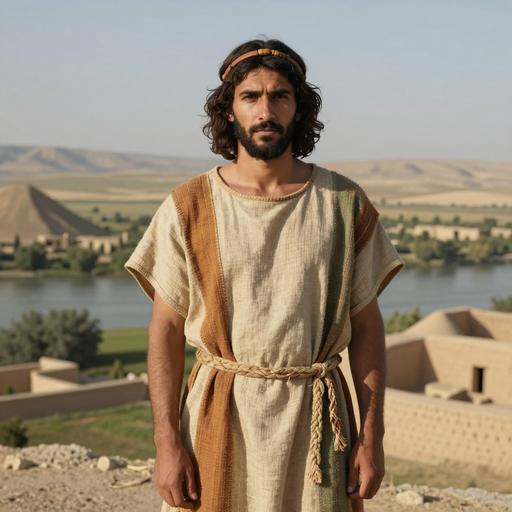
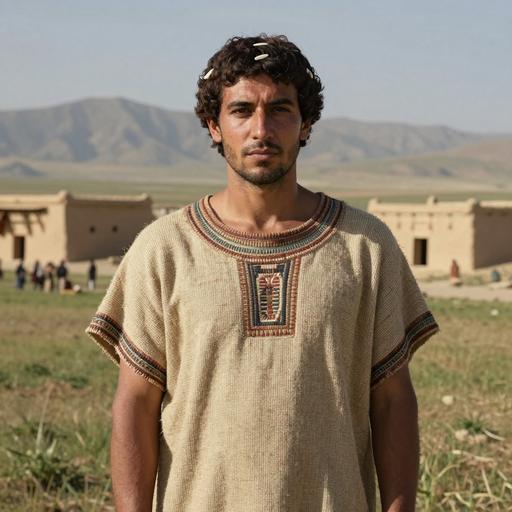
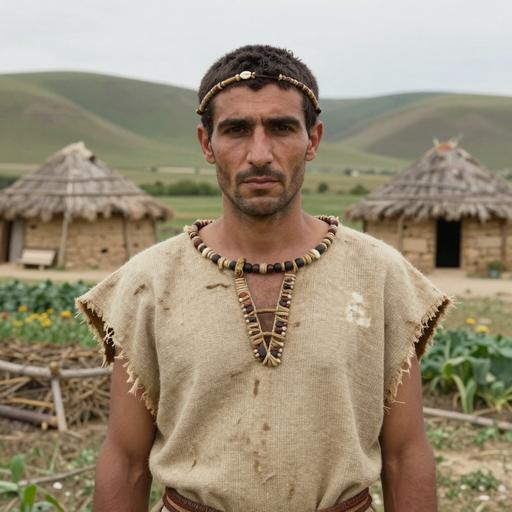
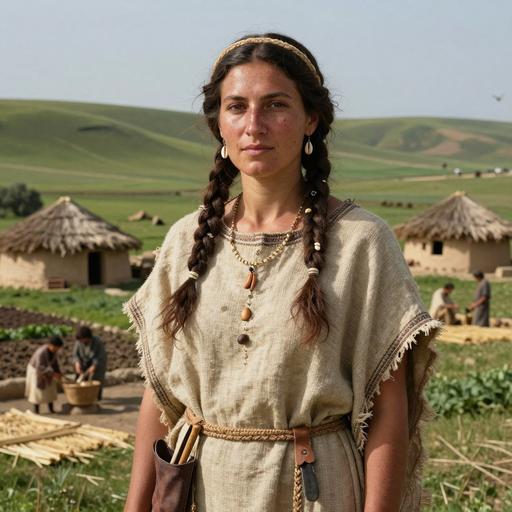
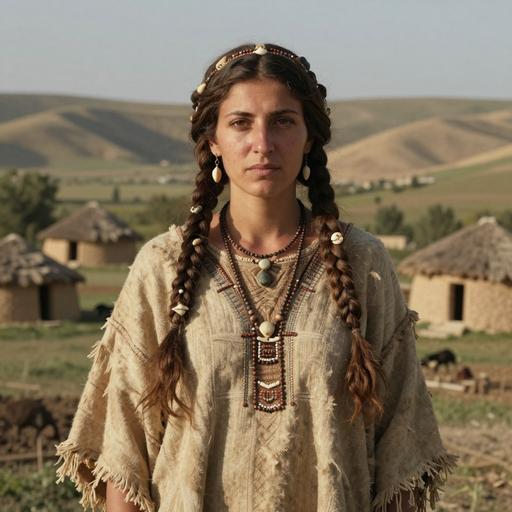
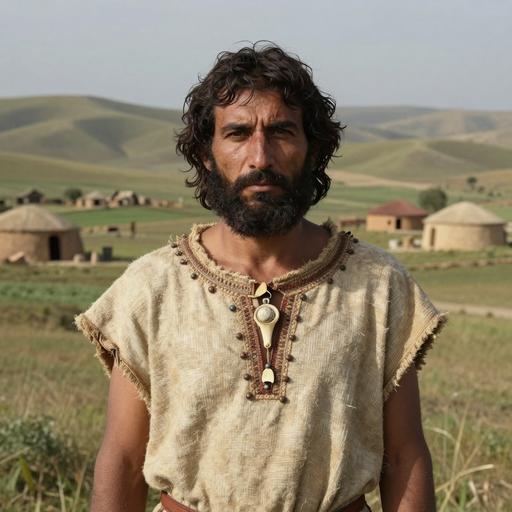
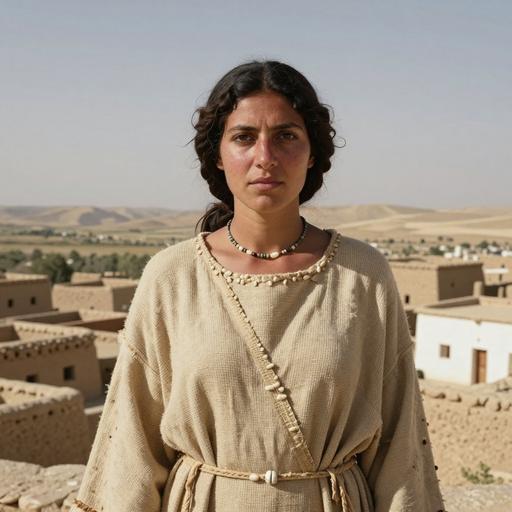
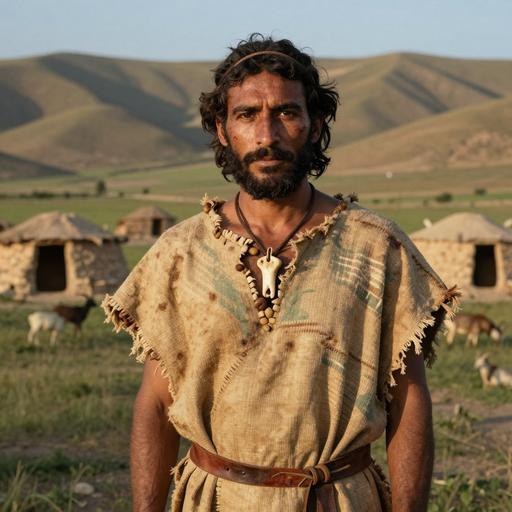
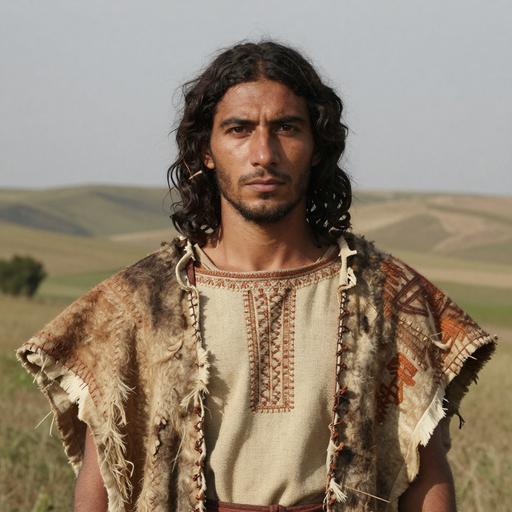
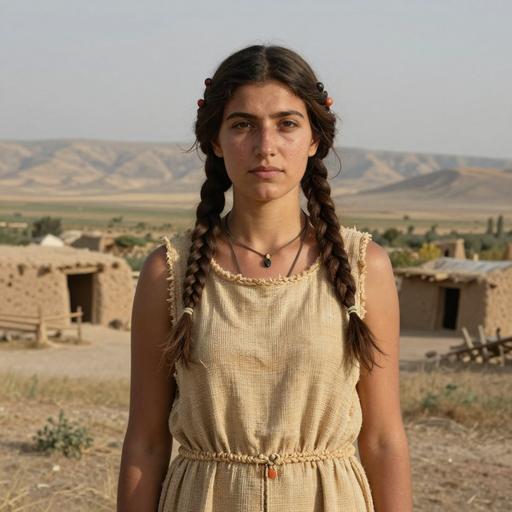
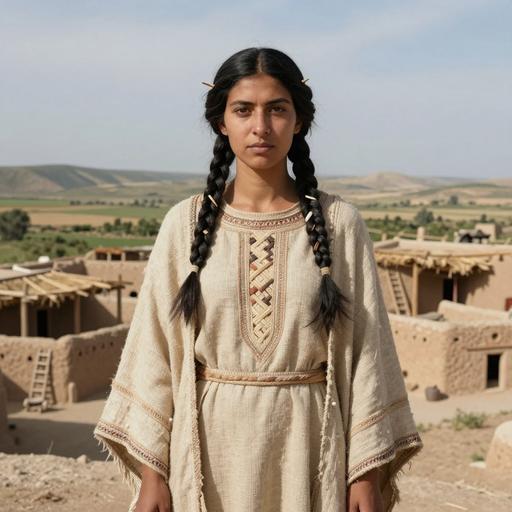
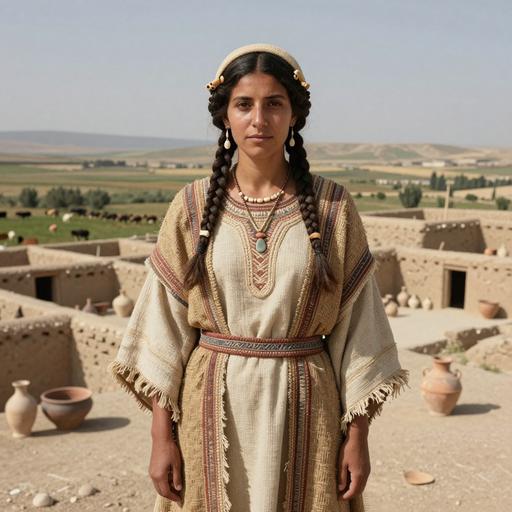
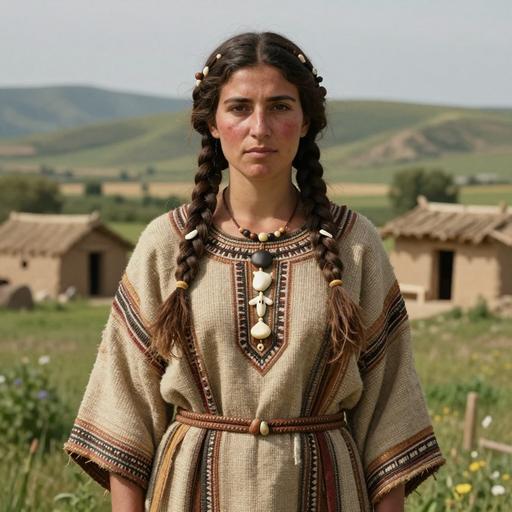
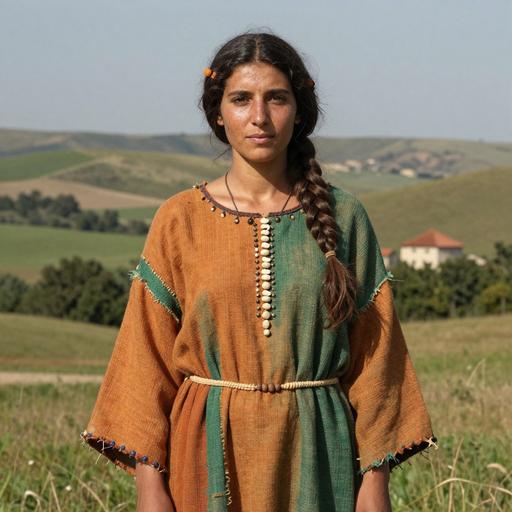
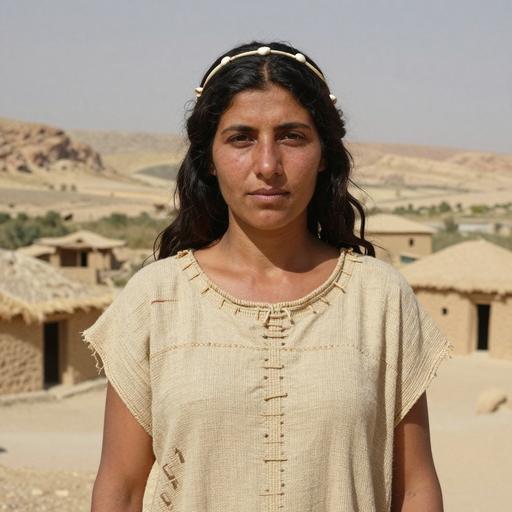
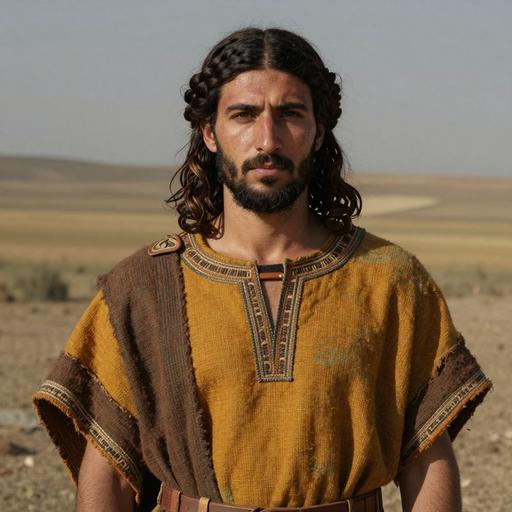
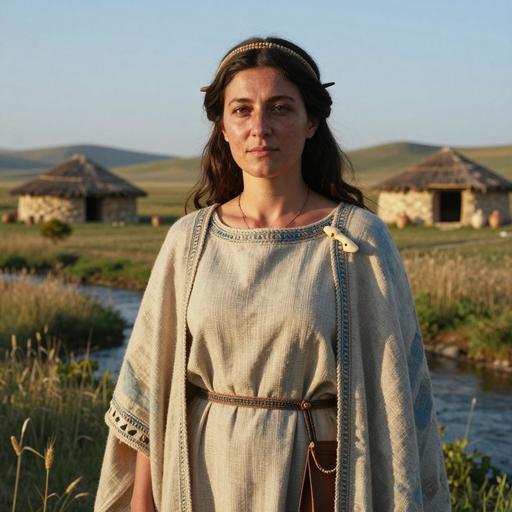
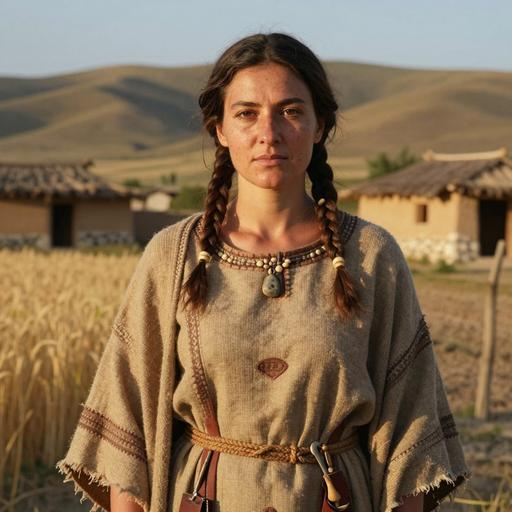
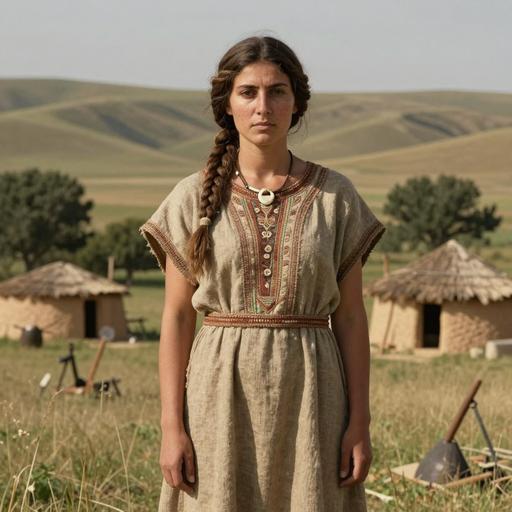
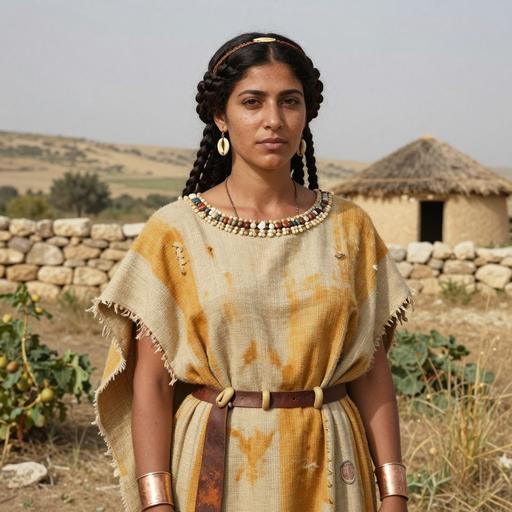
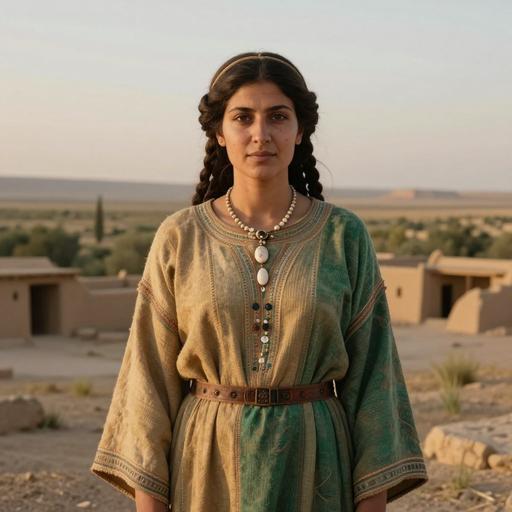
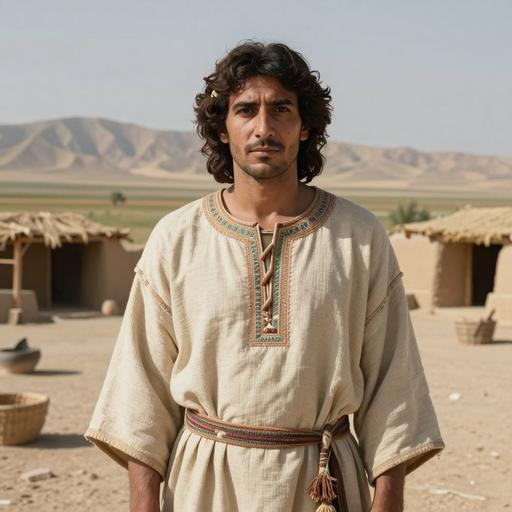
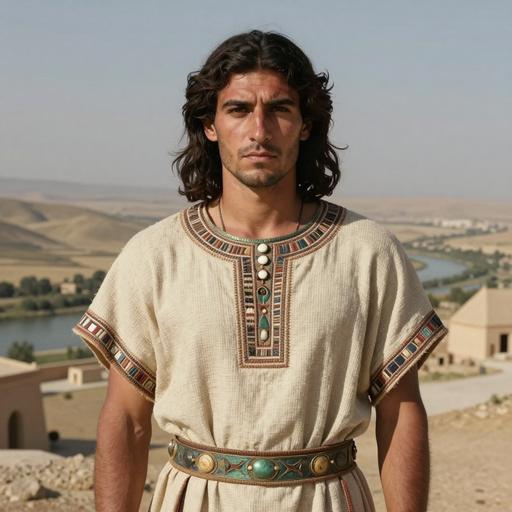
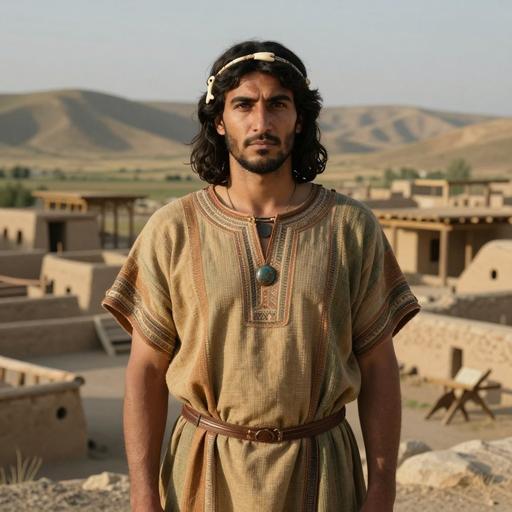
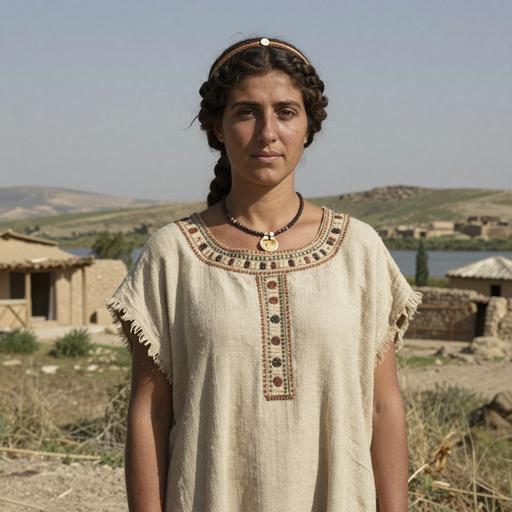
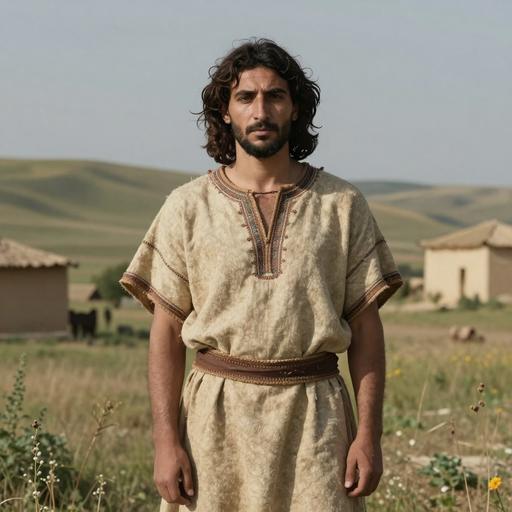
The Late Bronze Age saw the development of complex societies in the Armenian Highlands. During this period, the region was not unified under a single political entity but rather consisted of a collection of tribes and small kingdoms. These societies were organized around fortified settlements, which served as both political and economic centers. The social hierarchy was likely stratified, with a ruling elite overseeing agricultural production, trade, and craft specialization.
Economy and Trade
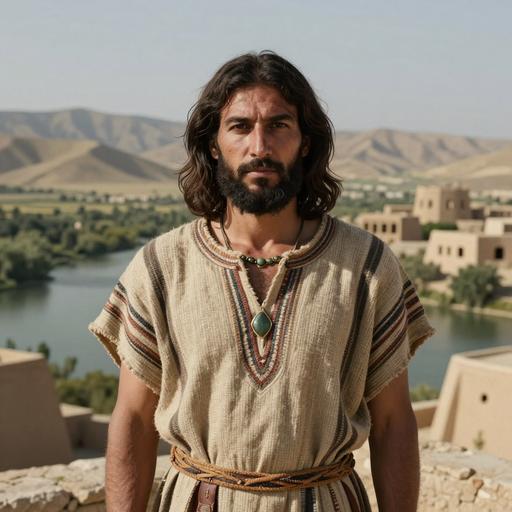
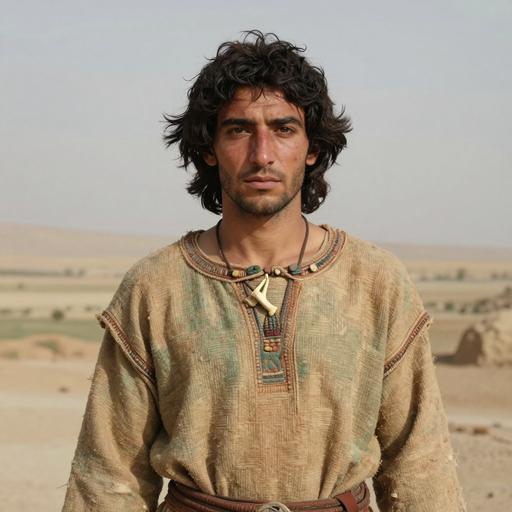
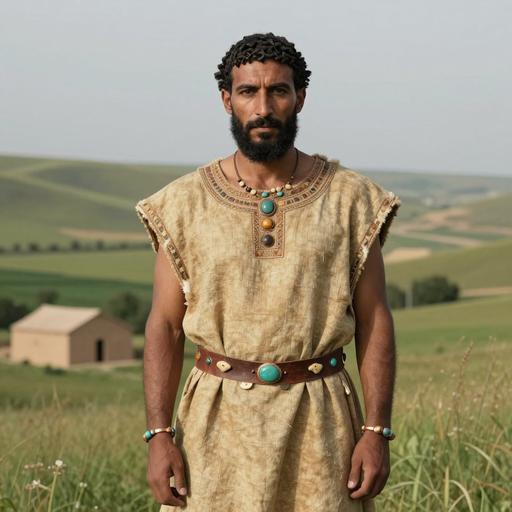
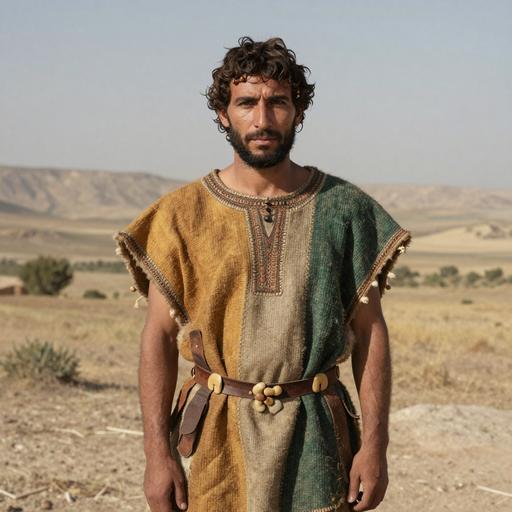
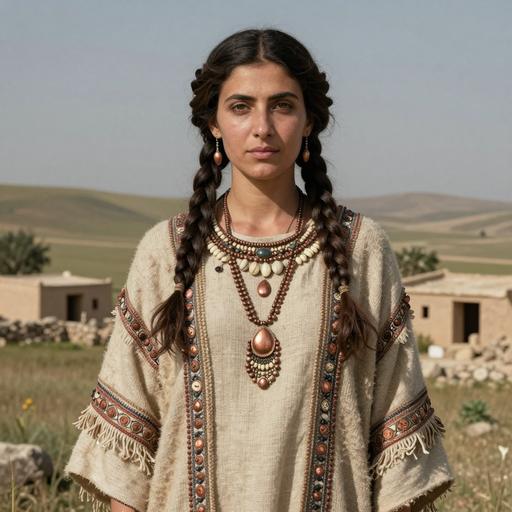
The Armenian Highlands were rich in natural resources, particularly metals such as copper, gold, and iron. The exploitation of these resources facilitated the development of metallurgy, a technological hallmark of this era. Armenian metalwork was highly esteemed in the ancient world, and artifacts such as weapons, tools, and intricate jewelry have been unearthed in archaeological sites.
Trade networks played a crucial role in the economic landscape, linking Armenia with neighboring regions such as Anatolia, Mesopotamia, and the Iranian plateau. The exchange of goods and cultural ideas through these networks contributed to the region's prosperity and cultural richness.
Cultural and Religious Practices
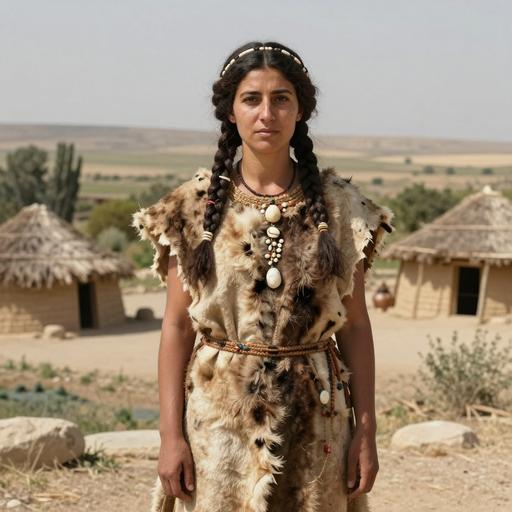
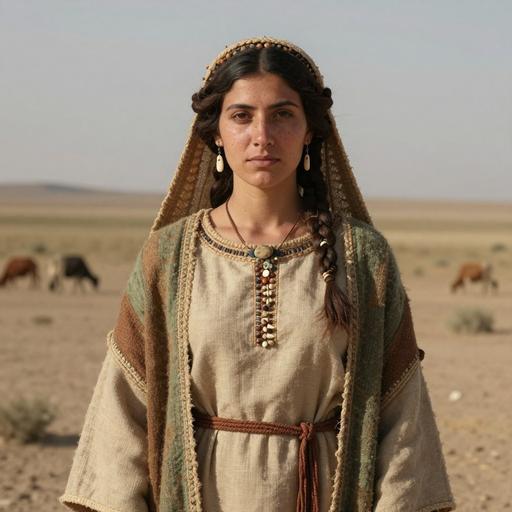
The spiritual life in Late Bronze Age to Early Iron Age Armenia was deeply intertwined with its environment. The inhabitants practiced a polytheistic religion, worshiping a pantheon of deities associated with natural phenomena and celestial bodies. Artifacts such as idols and ceremonial items suggest that religious practices were elaborate and played a central role in community life.
Evidence of burial practices offers insights into beliefs about the afterlife. Tombs from this period often contained grave goods, indicating a belief in an existence beyond death and the importance of status and wealth in this life and the next.
Archaeological Evidence
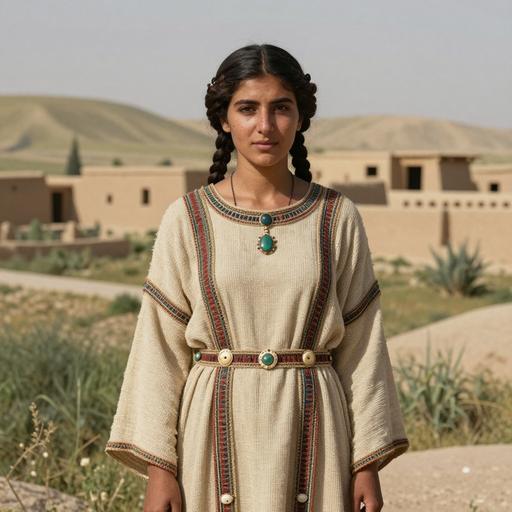
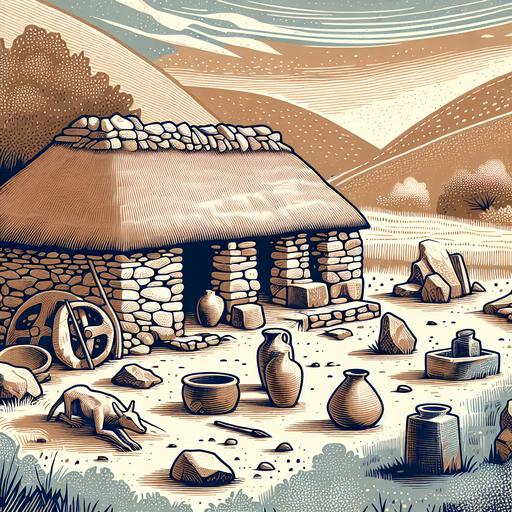
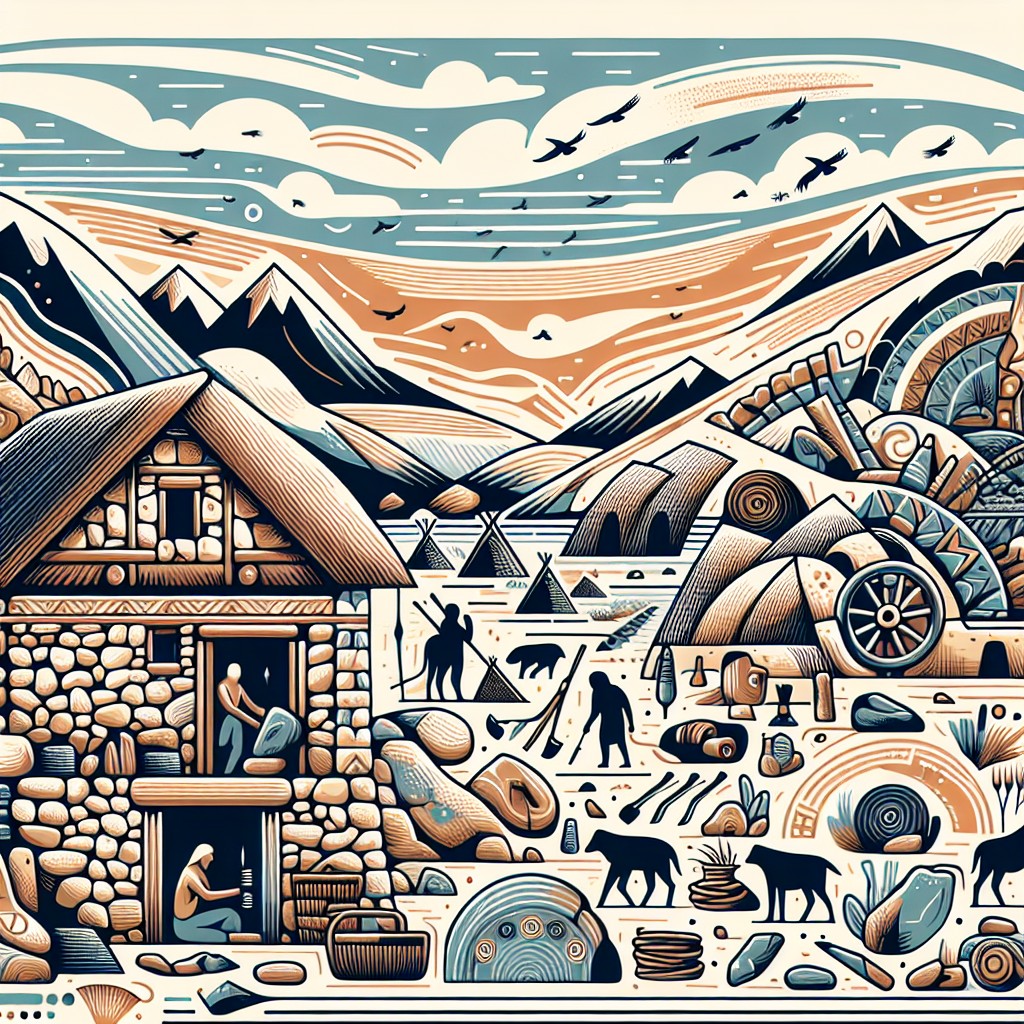
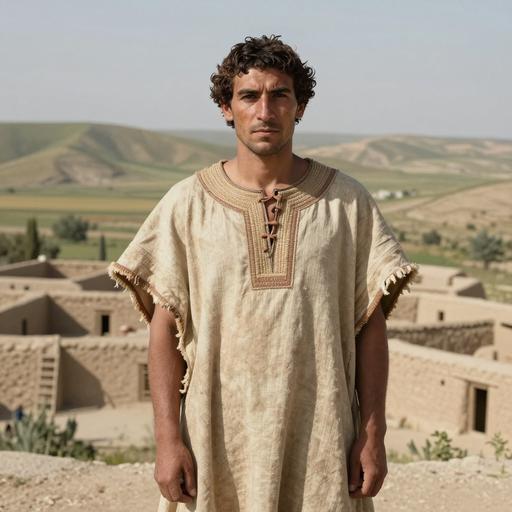
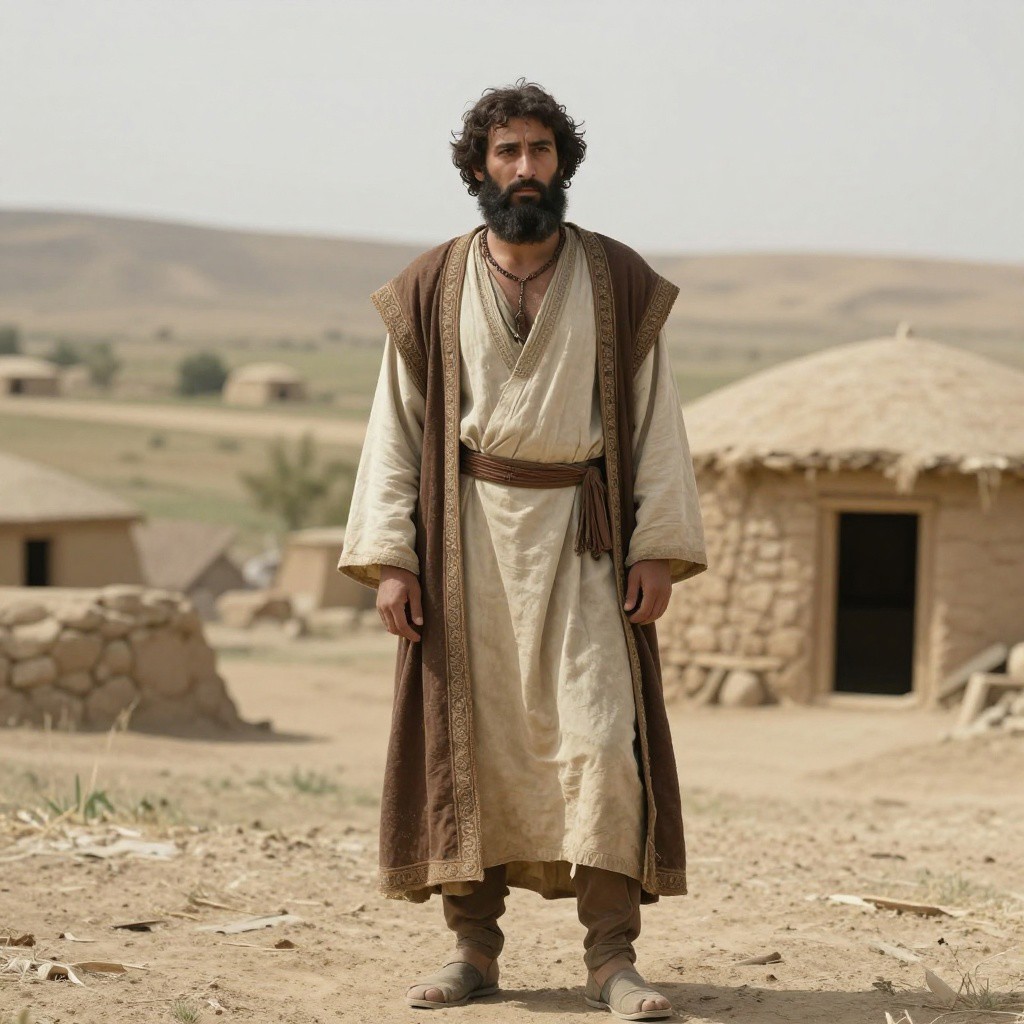
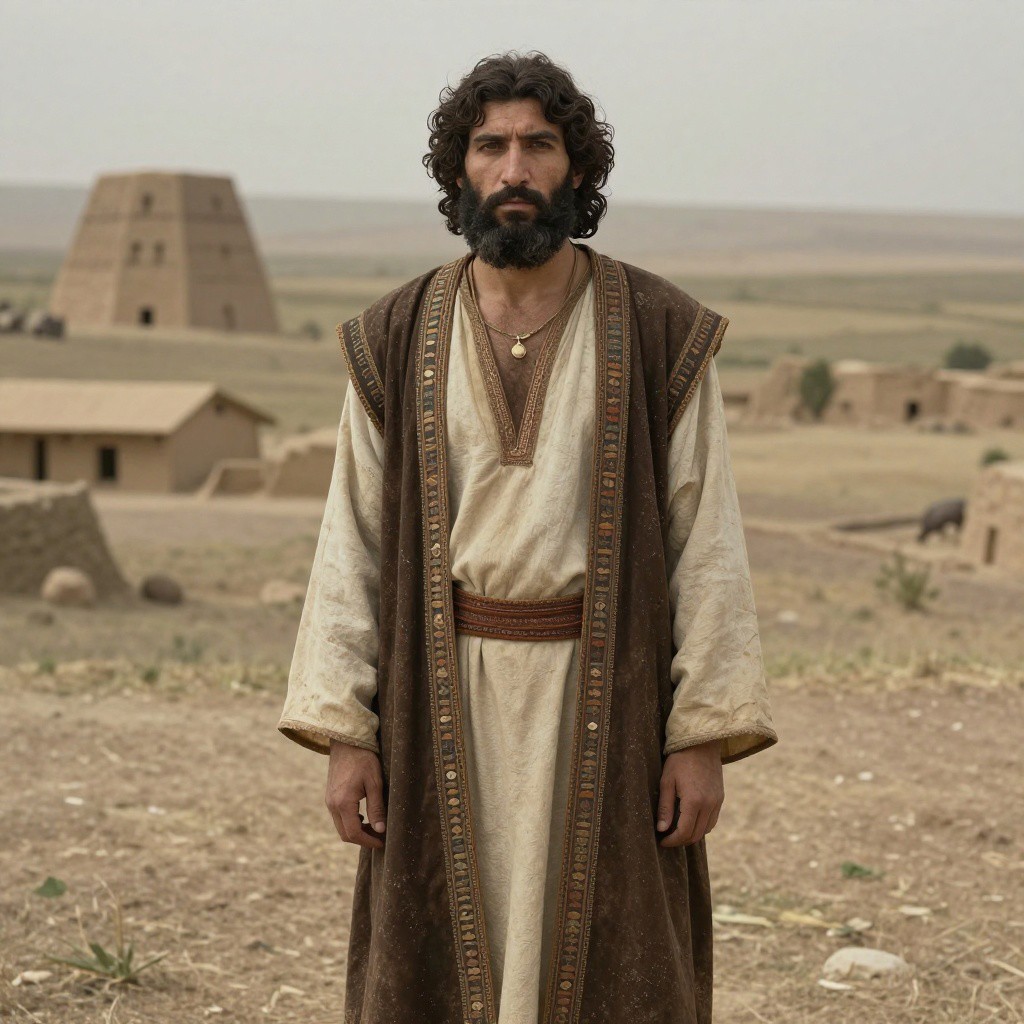
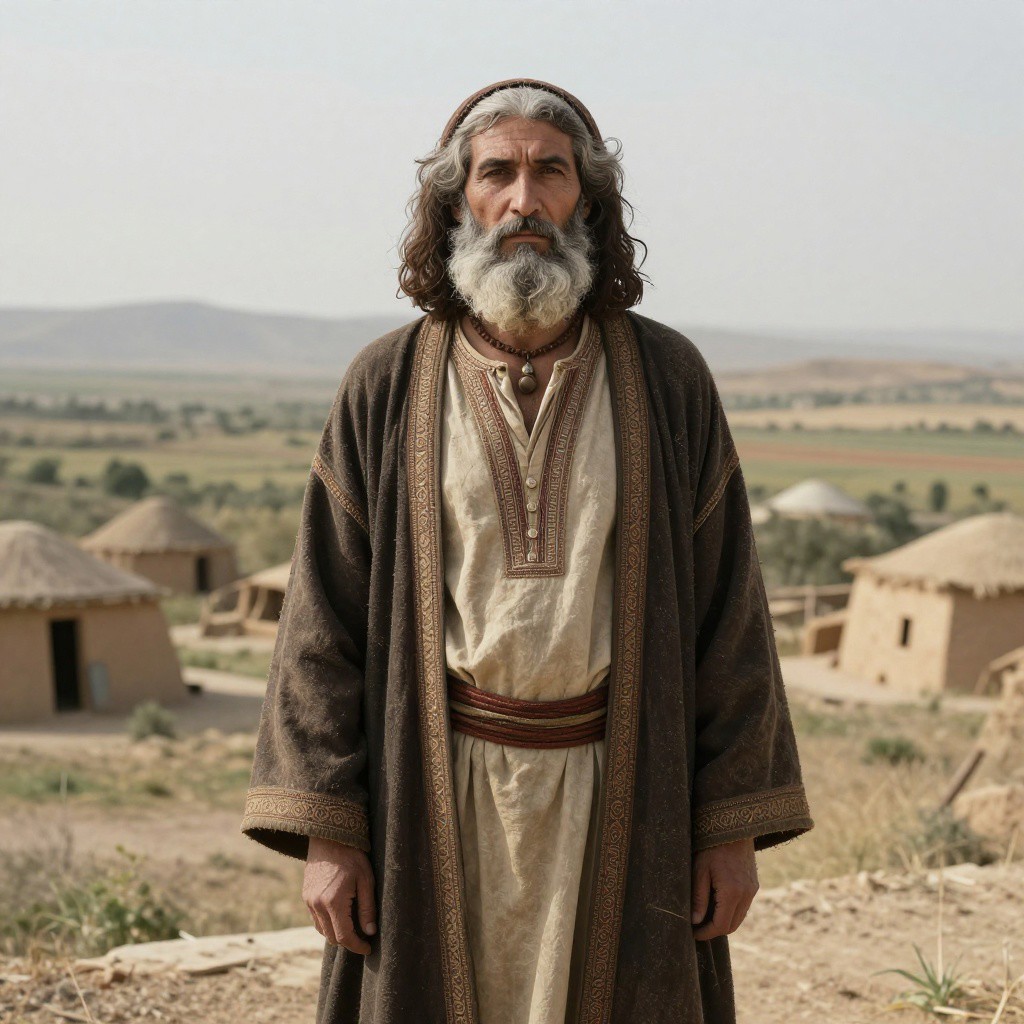
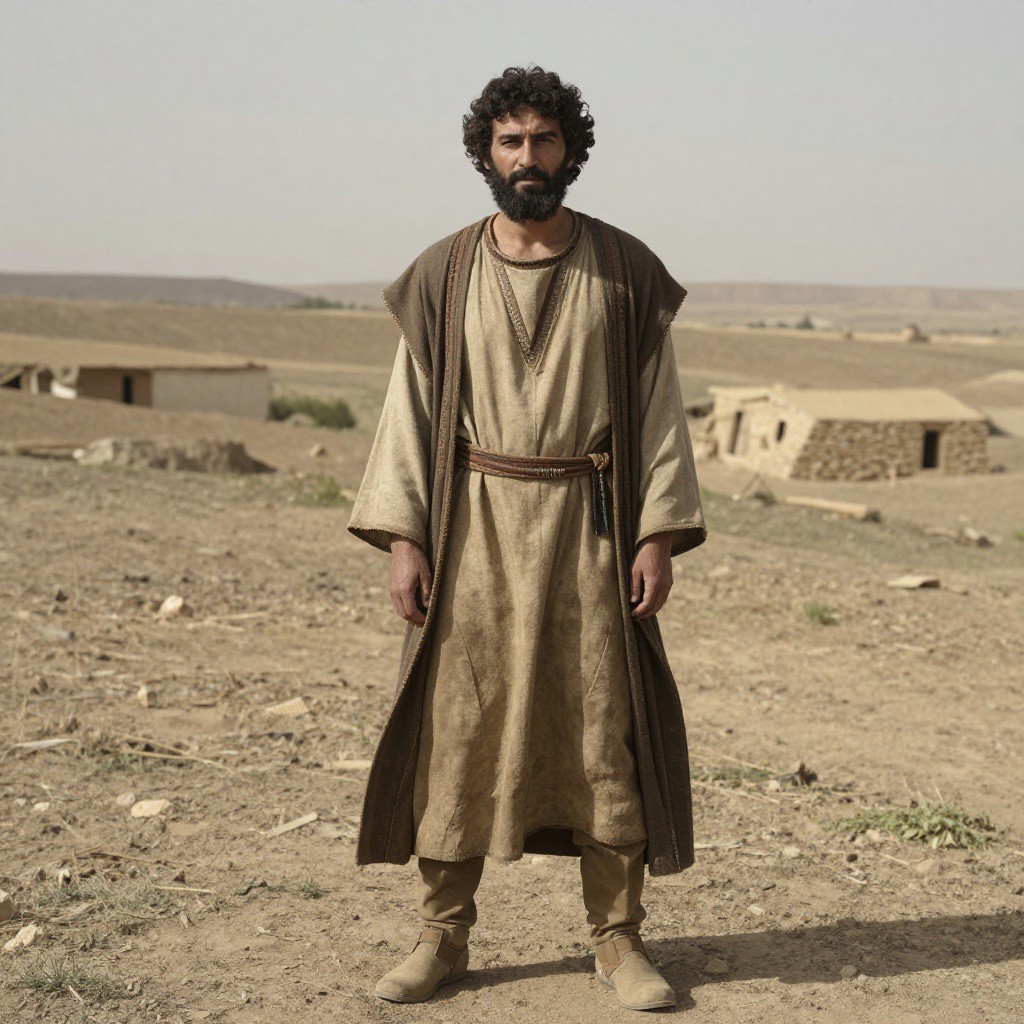
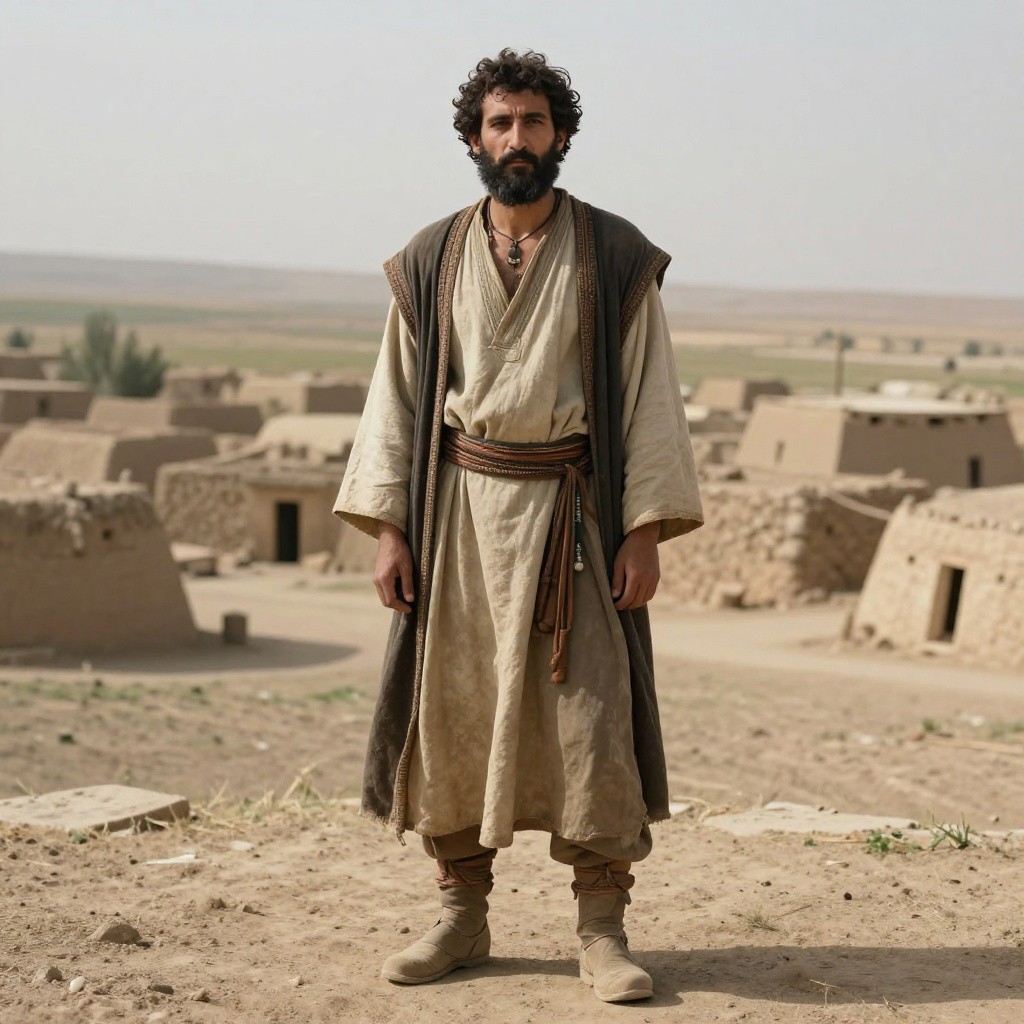
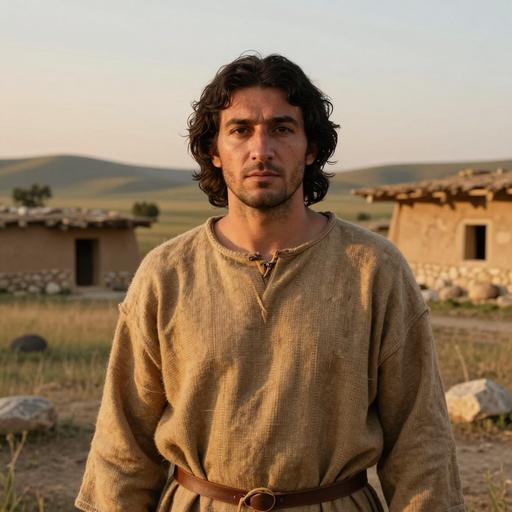
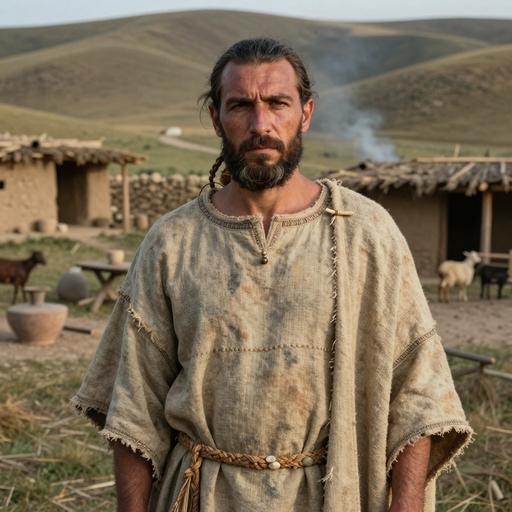
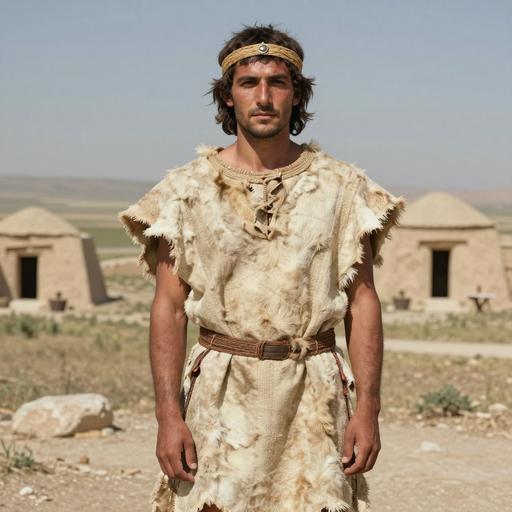
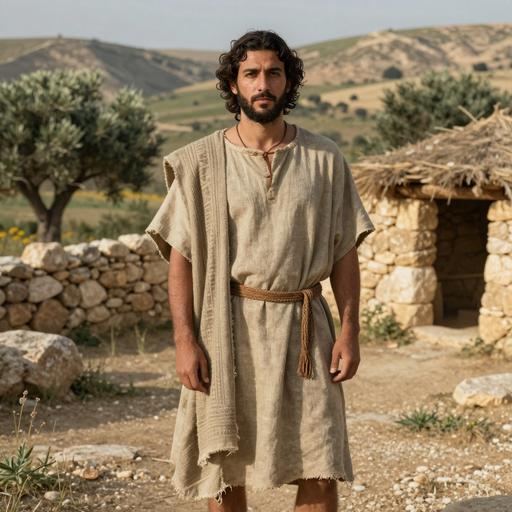
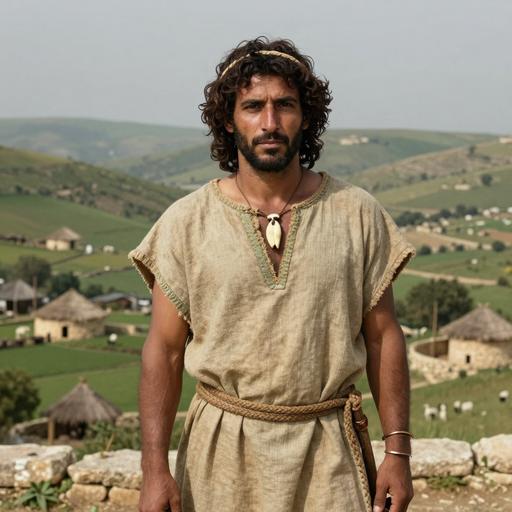
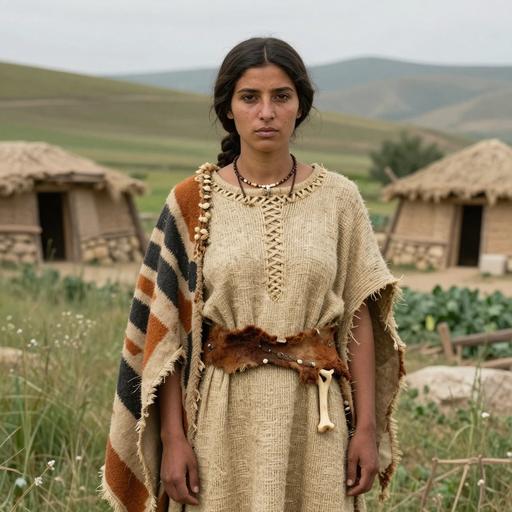
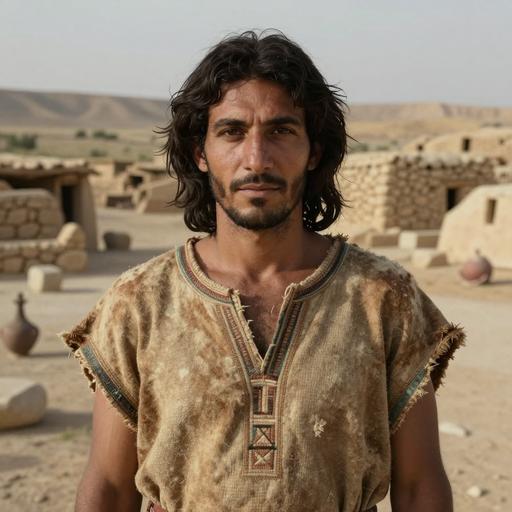
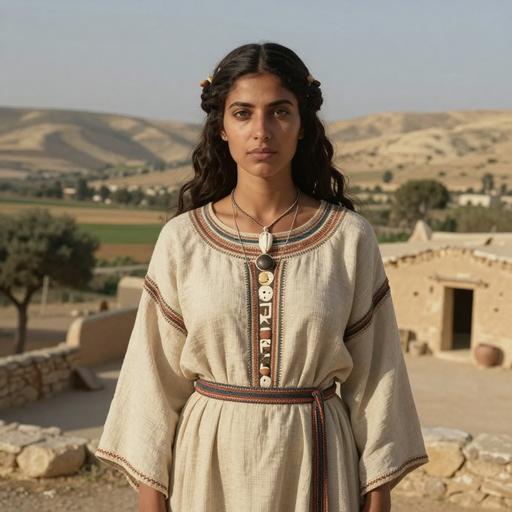
Archaeological findings from this era include fortified dwellings, temples, and burial sites. Structures were typically constructed from stone and mudbrick, showcasing sophisticated architectural techniques. Petroglyphs and rock carvings have also been discovered, depicting scenes of hunting, warfare, and daily life—providing a glimpse into the cultural and social dynamics of the time.
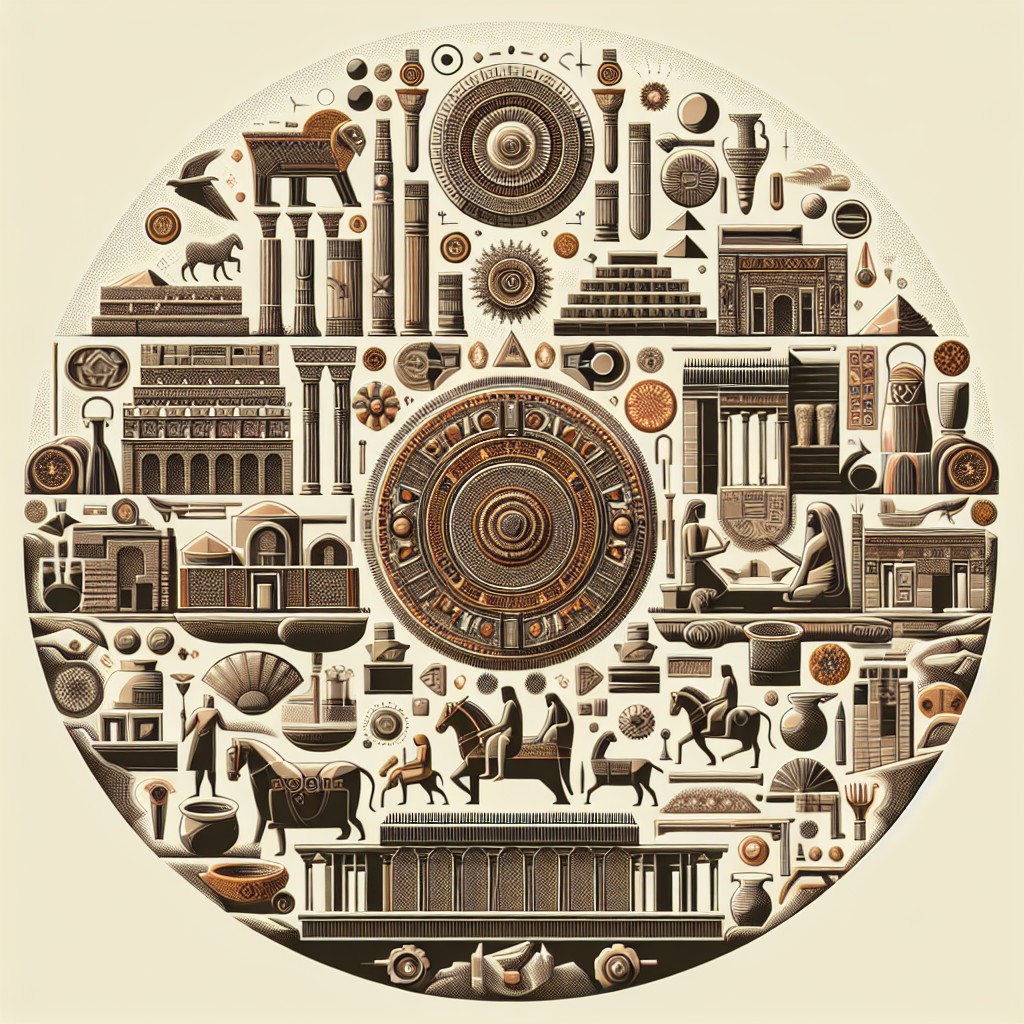
Notable archaeological sites include those at Metsamor, Lchashen, and Artik, where rich assemblages of pottery, tools, and weaponry have been excavated, offering valuable insights into the material culture of the era.
Technological Advances
The transition from the Late Bronze Age to the Early Iron Age was marked by key technological innovations. The introduction of iron metallurgy revolutionized tool and weapon production, offering superior strength and durability compared to their bronze counterparts. The advent of iron-working technology played a crucial role in societal advancement, influencing both economic and military spheres.
Conclusion
The Late Bronze Age to Early Iron Age in Armenia was a period of dynamic change and development. The cultural, technological, and economic progress made during this era set the stage for the rise of more centralized and powerful entities, such as the Urartian Kingdom, which would go on to exert significant influence over the region in the succeeding centuries. Through the harmonious blend of indigenous developments and external influences, this era laid a fascinating foundation for the rich tapestry of Armenian civilization.