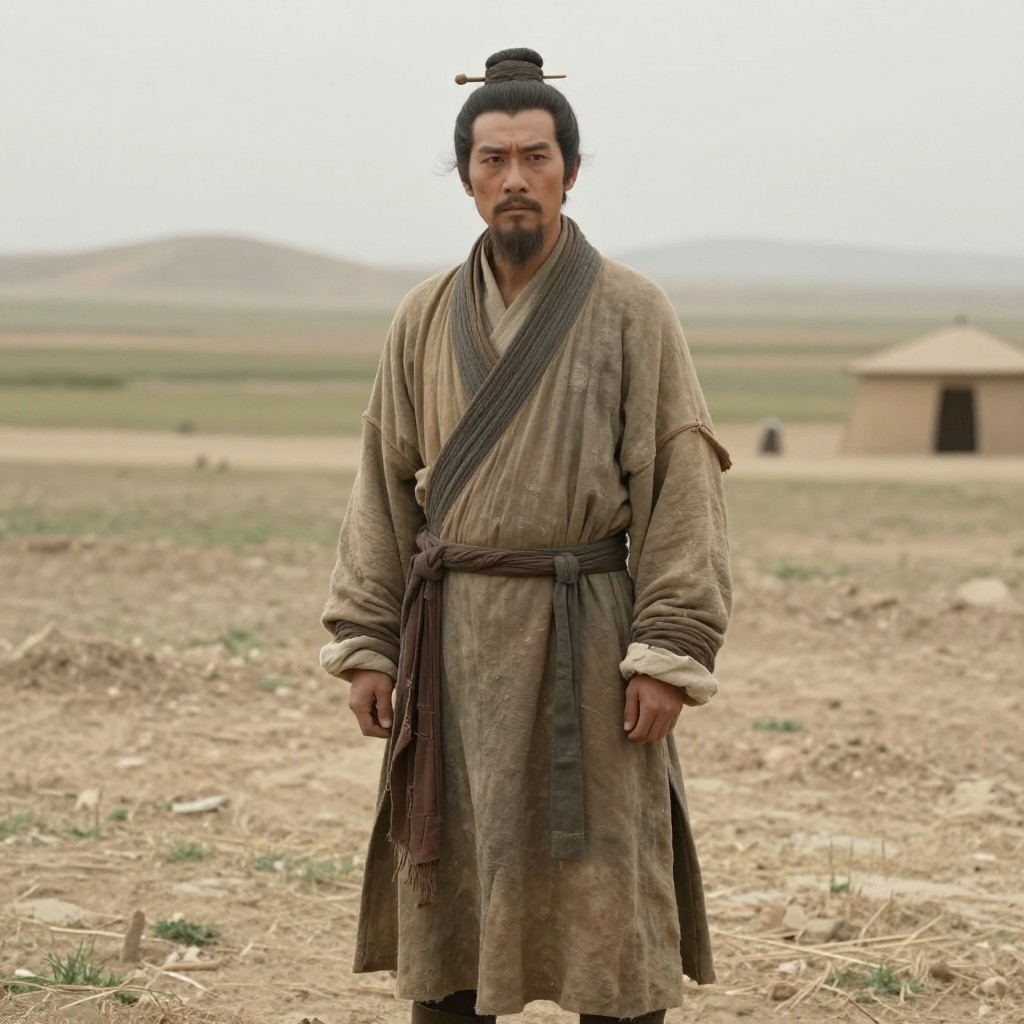
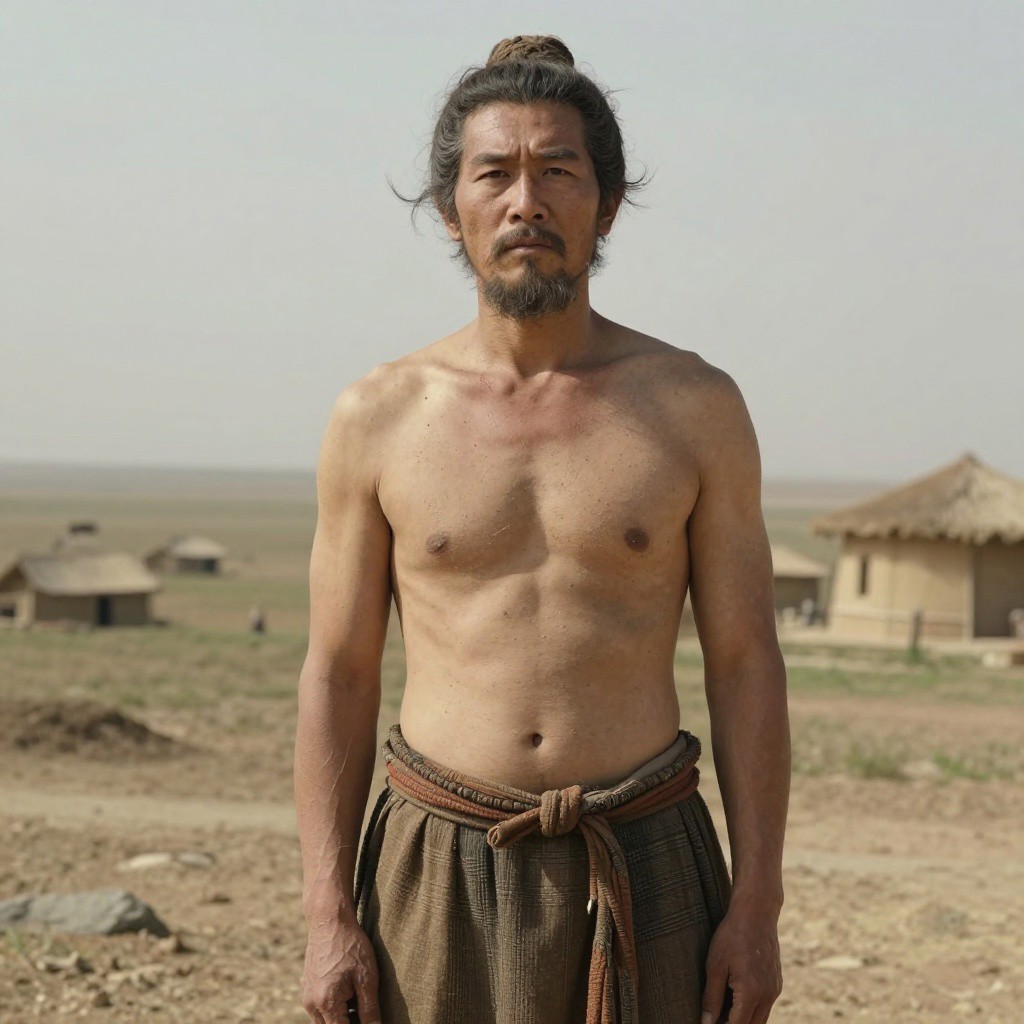
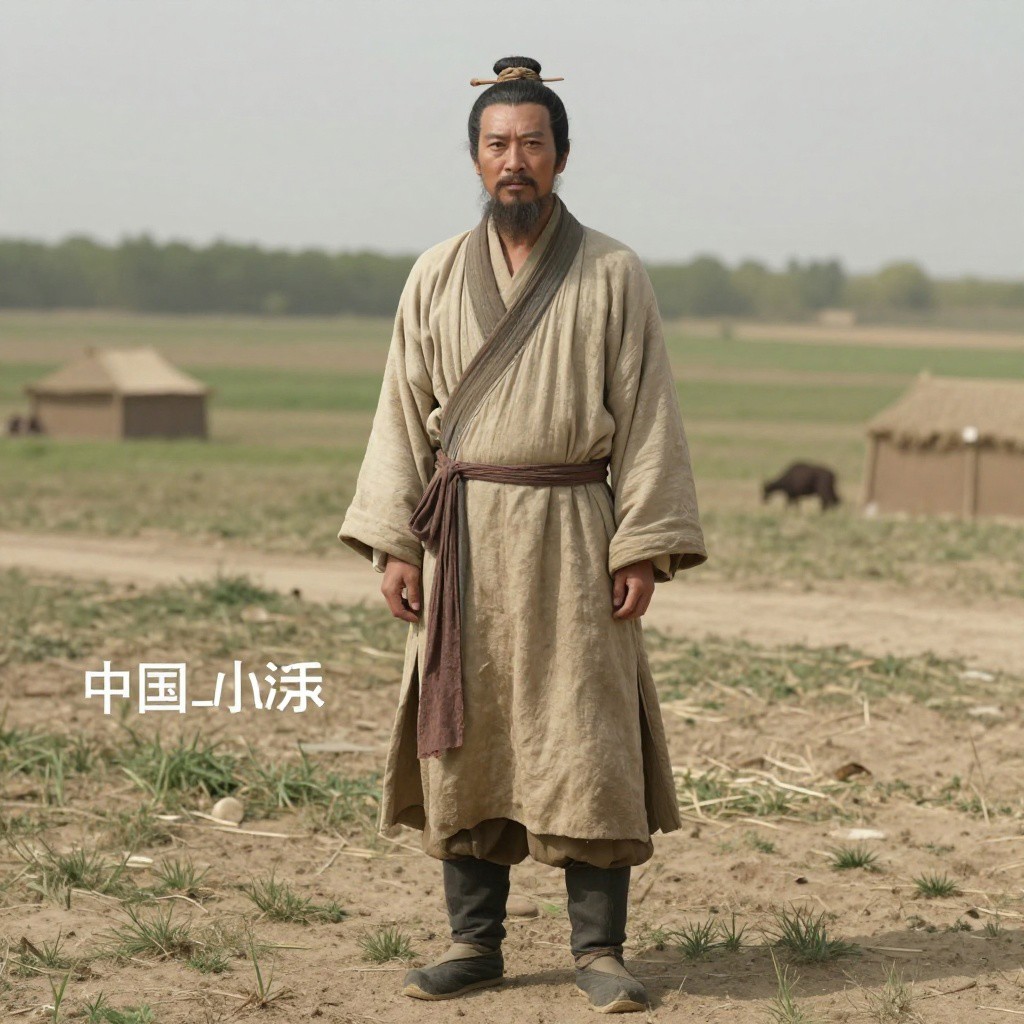
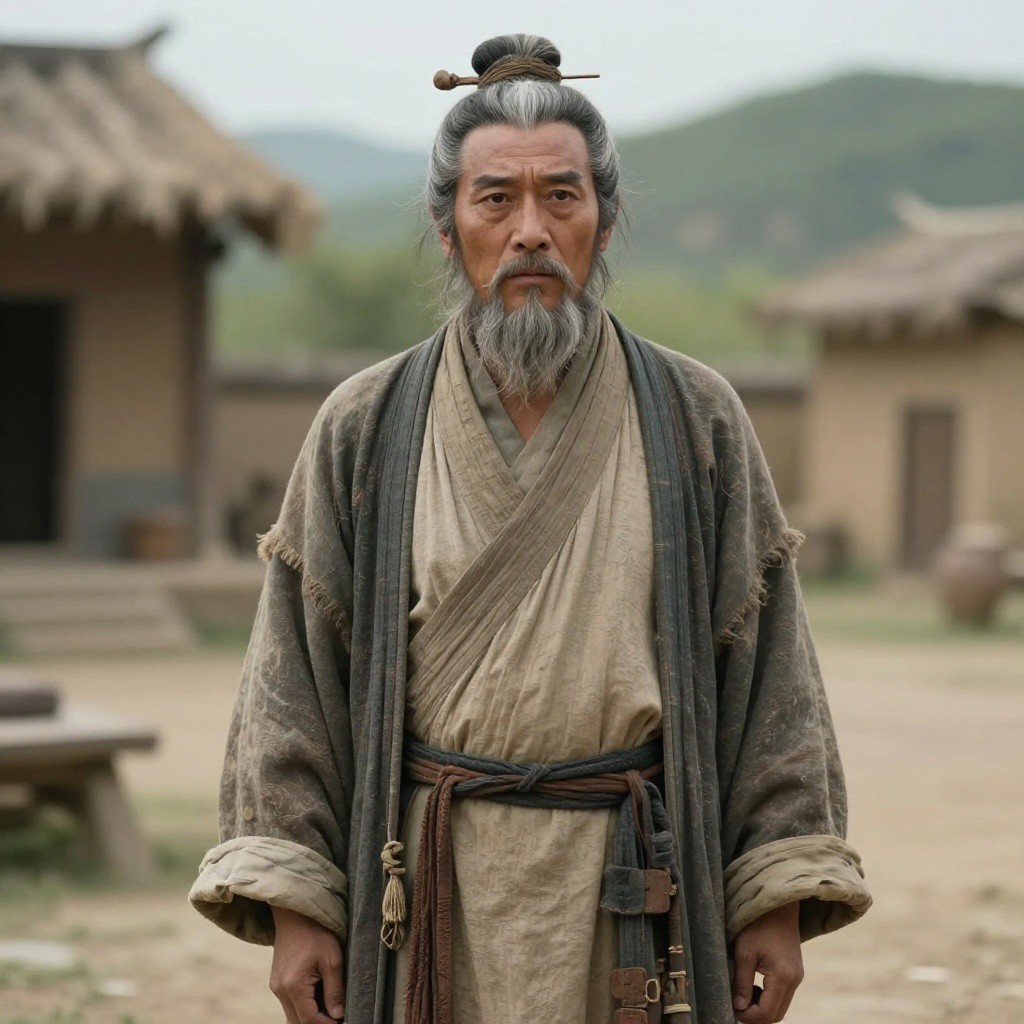
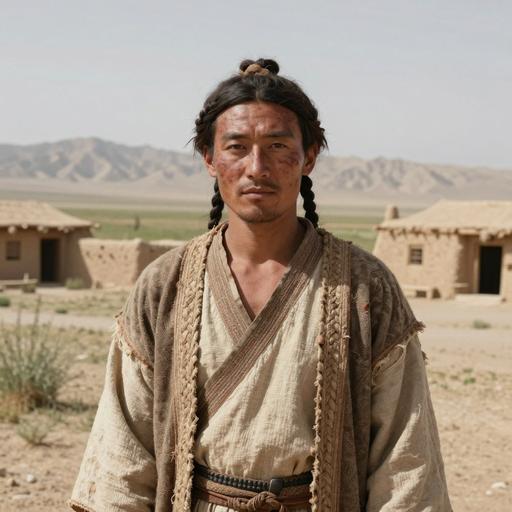
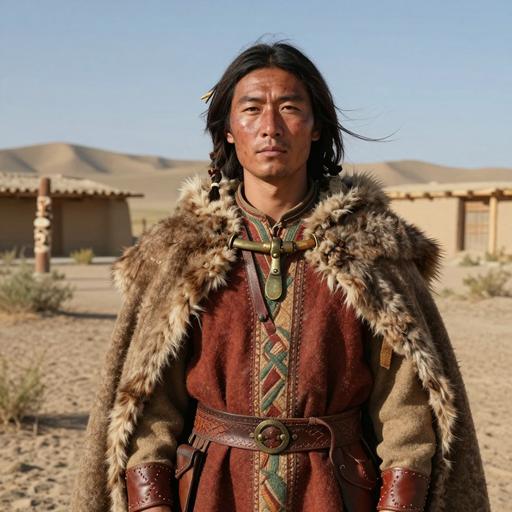
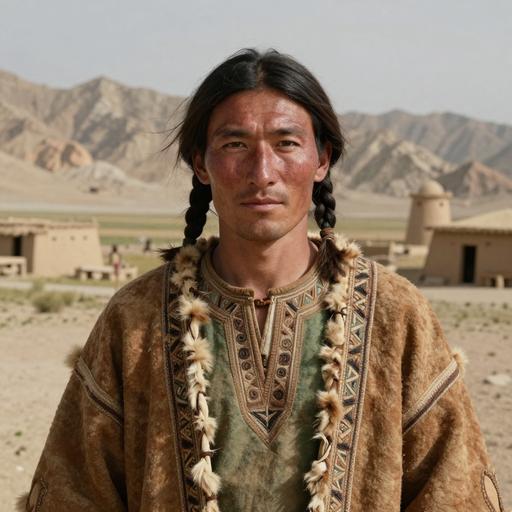
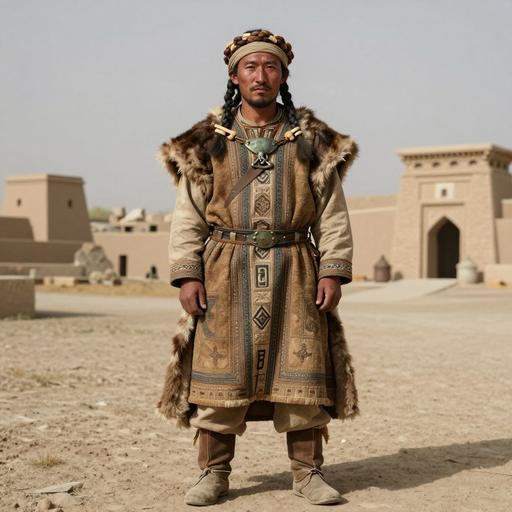
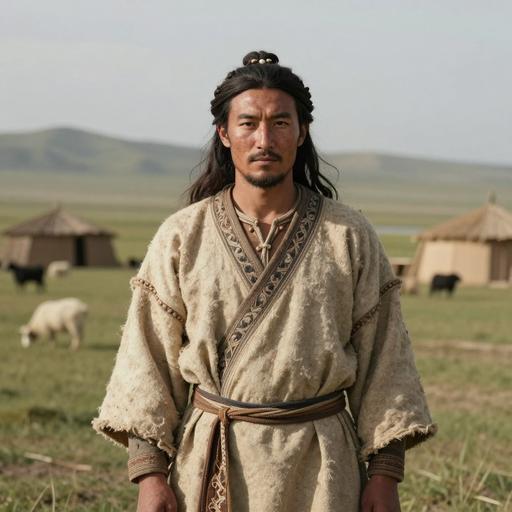
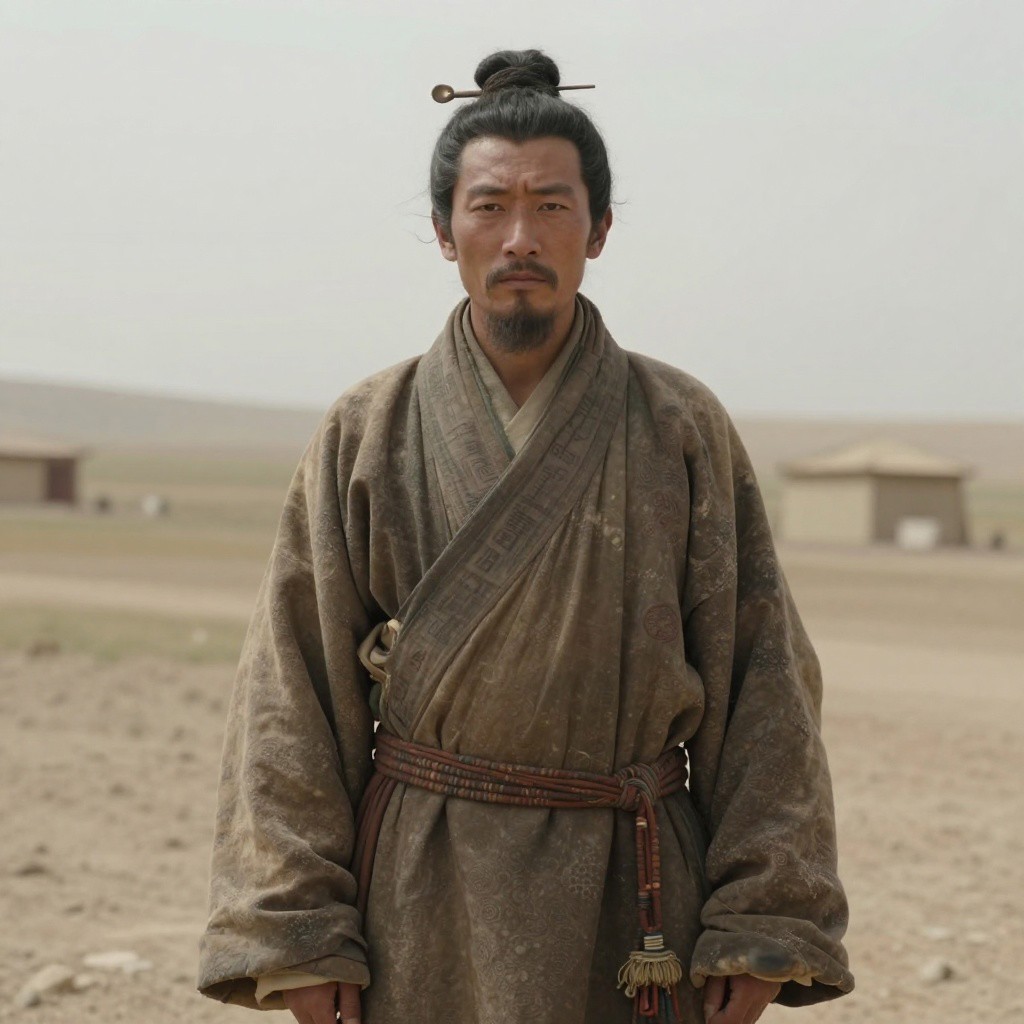
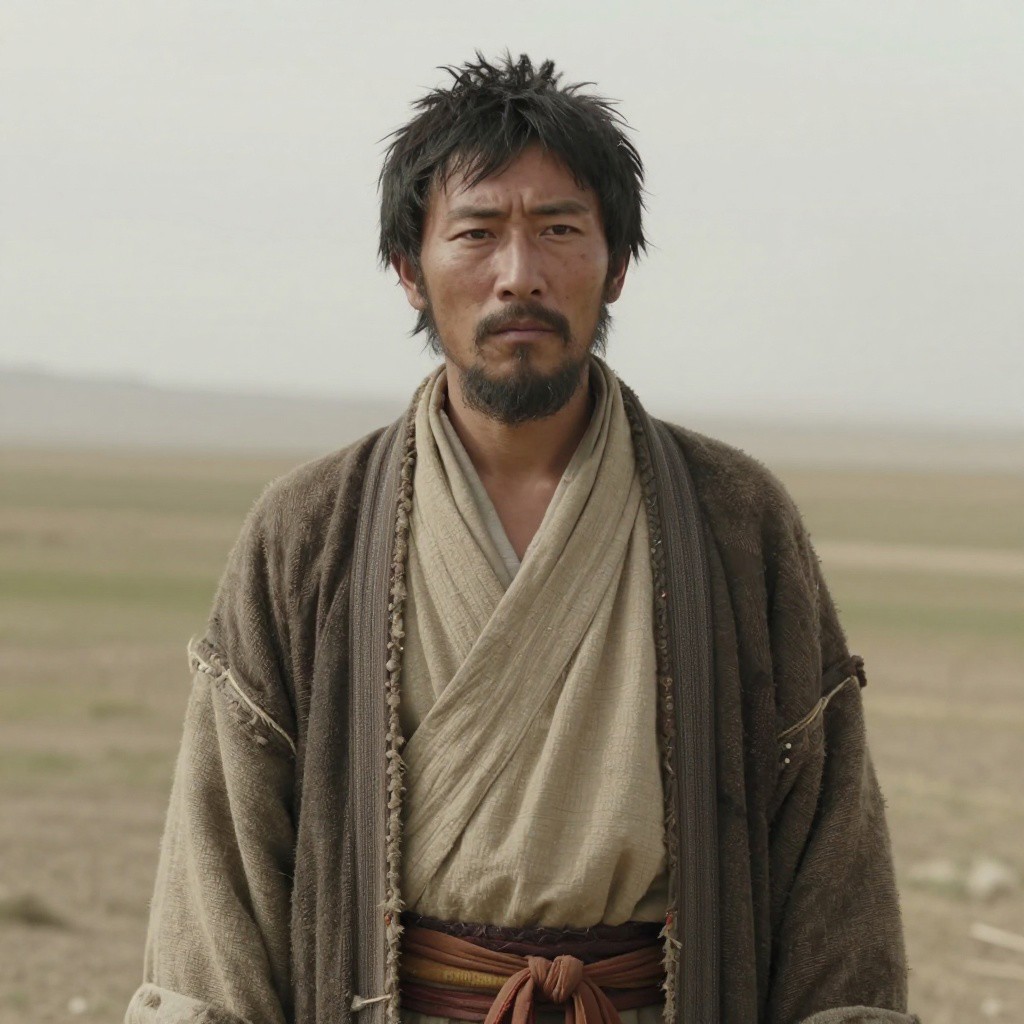
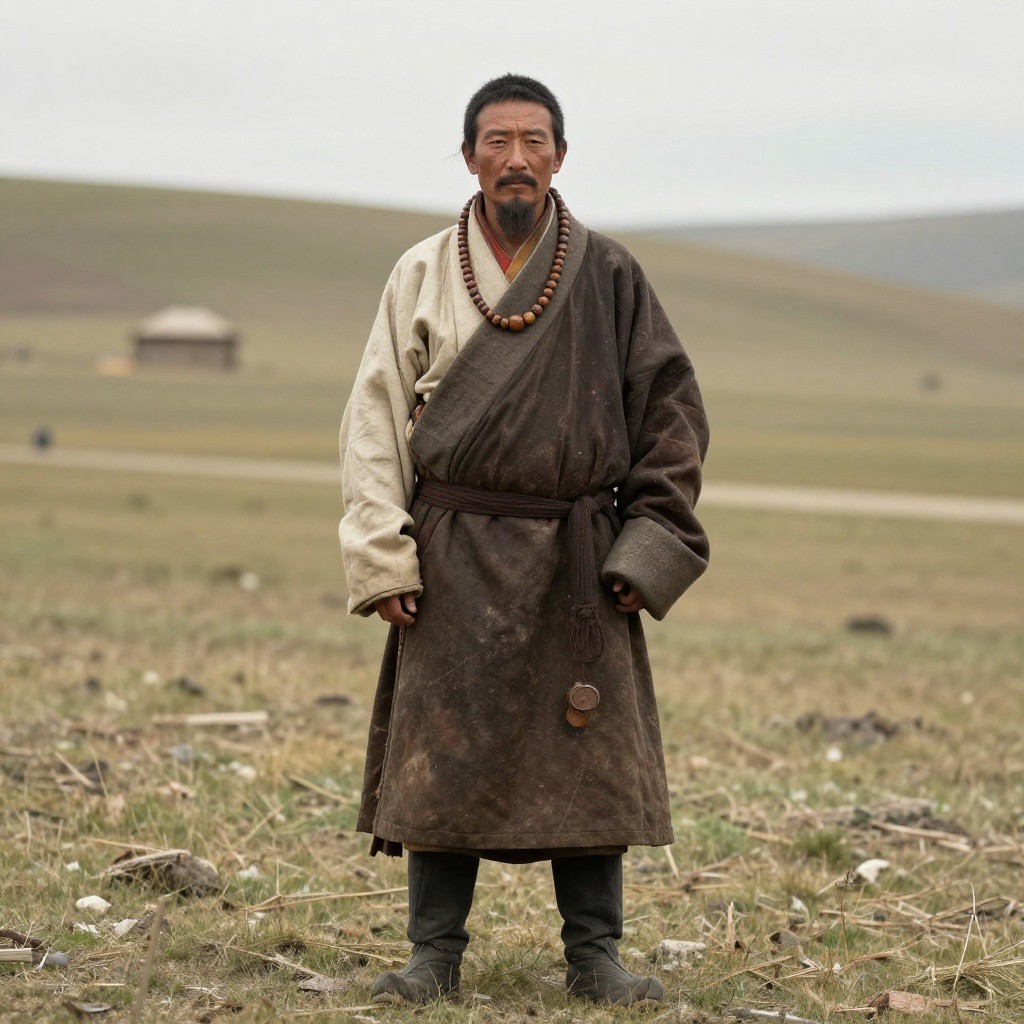
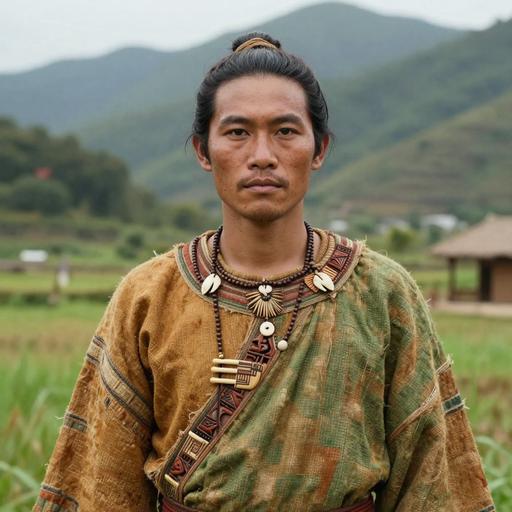
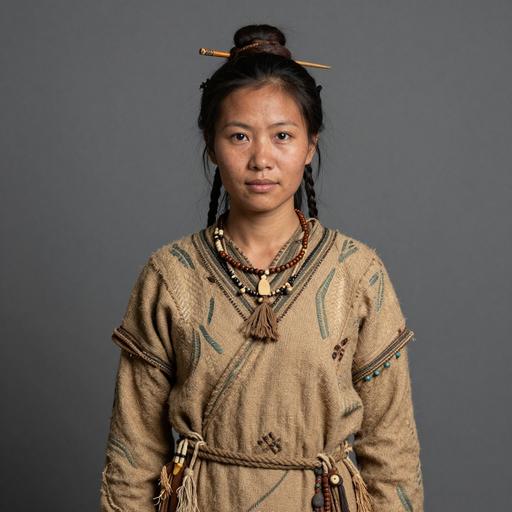
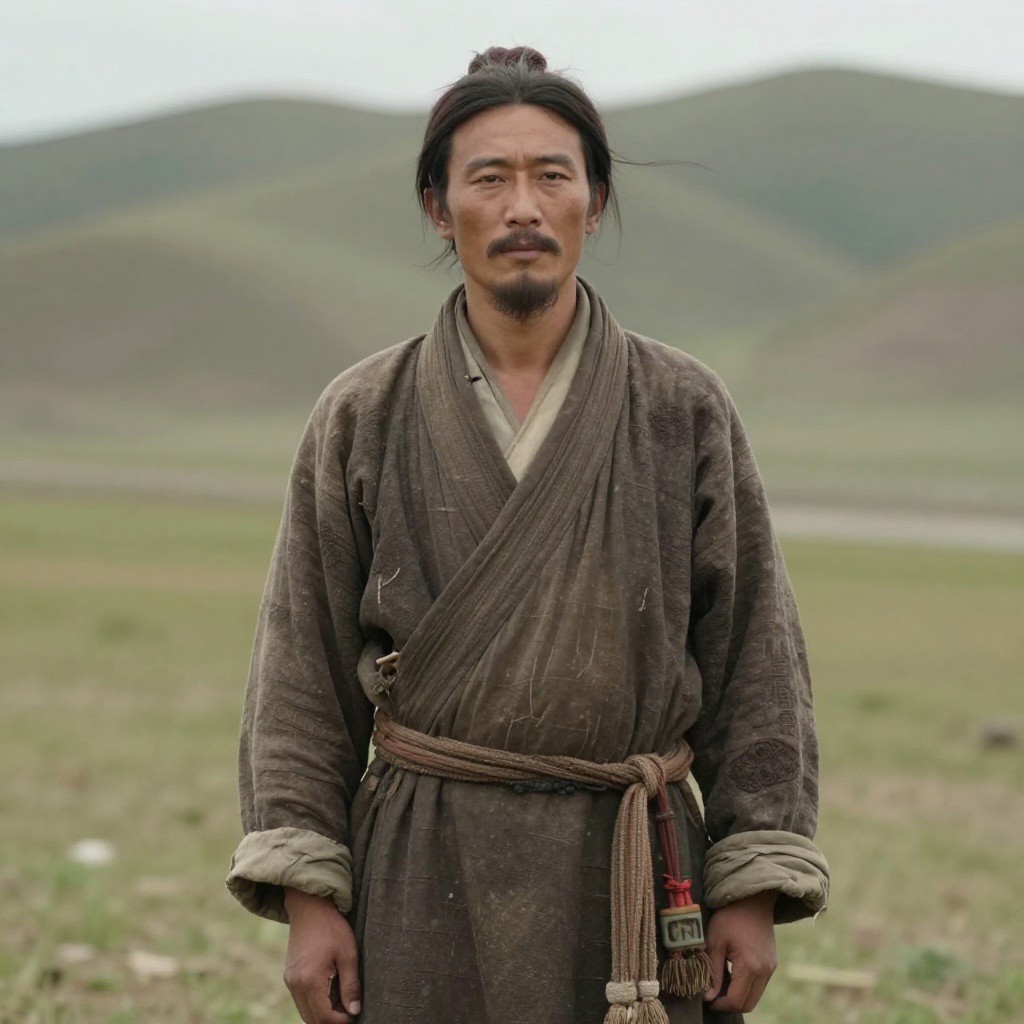
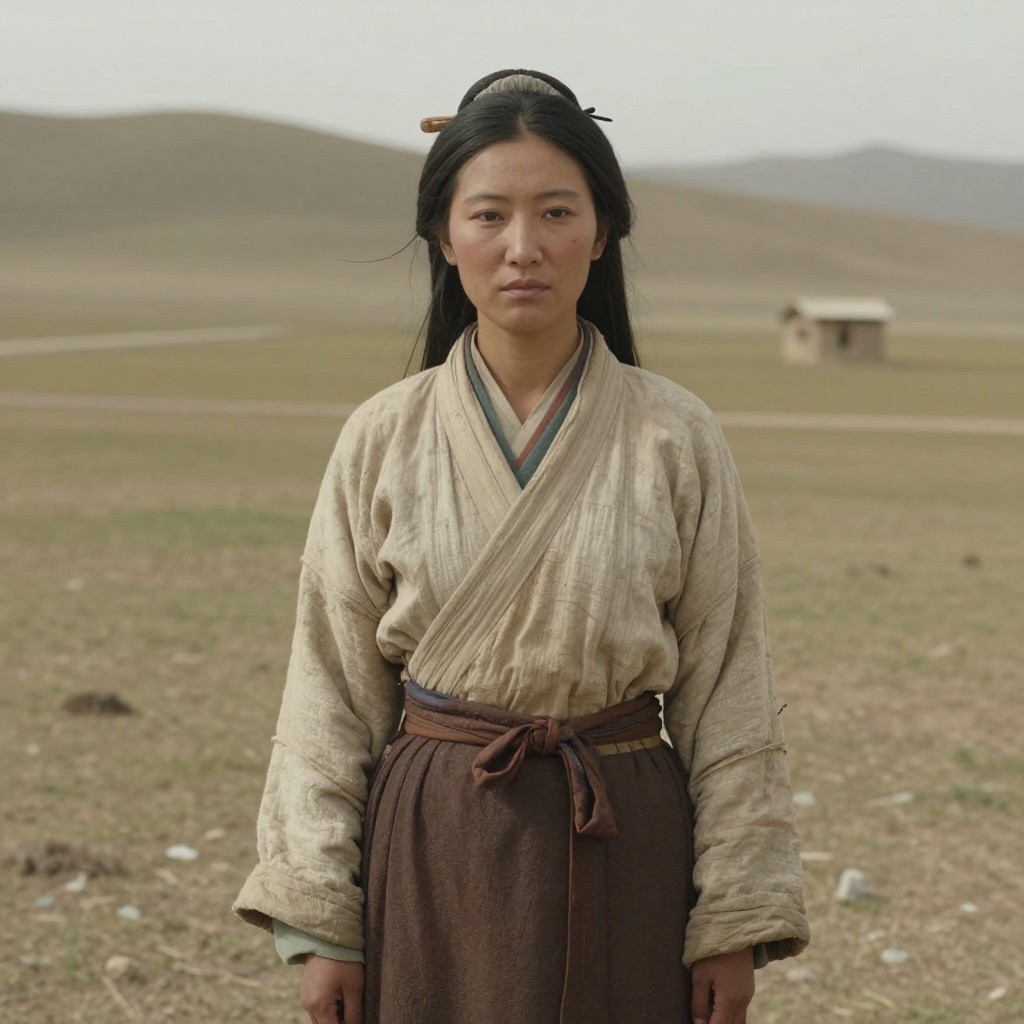
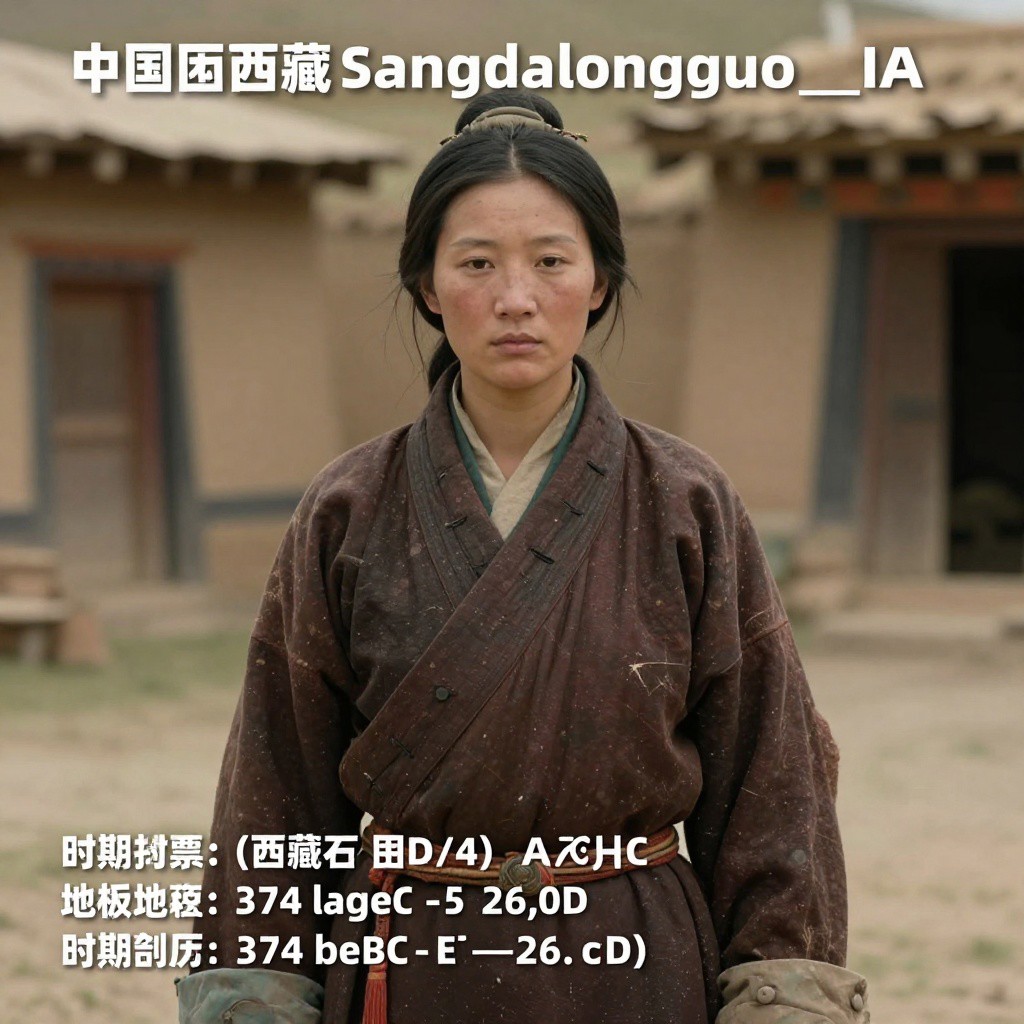
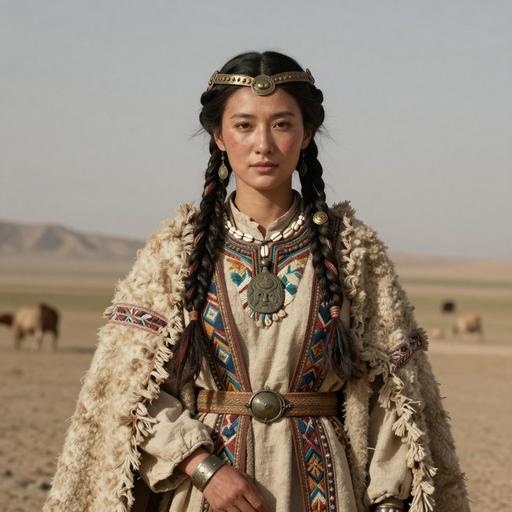
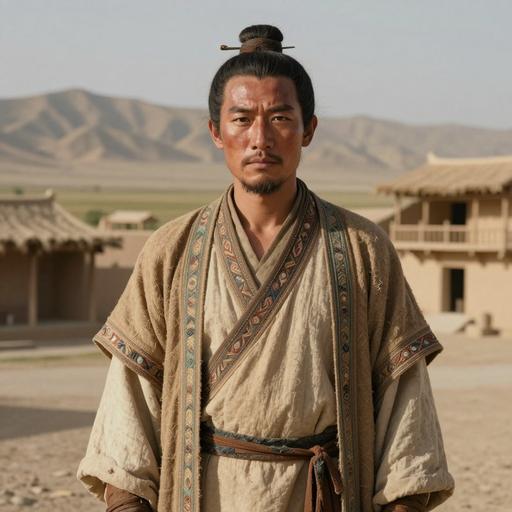
Region & Environment
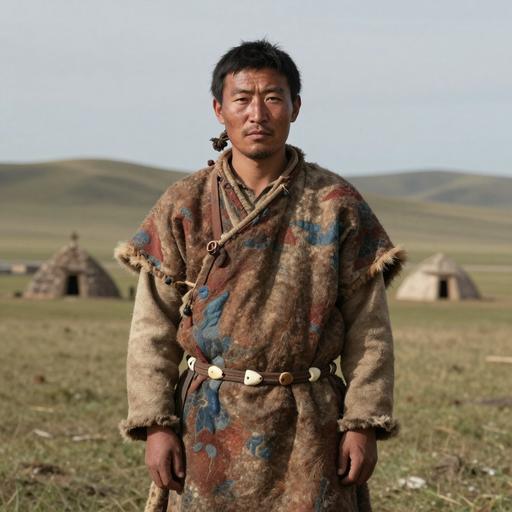
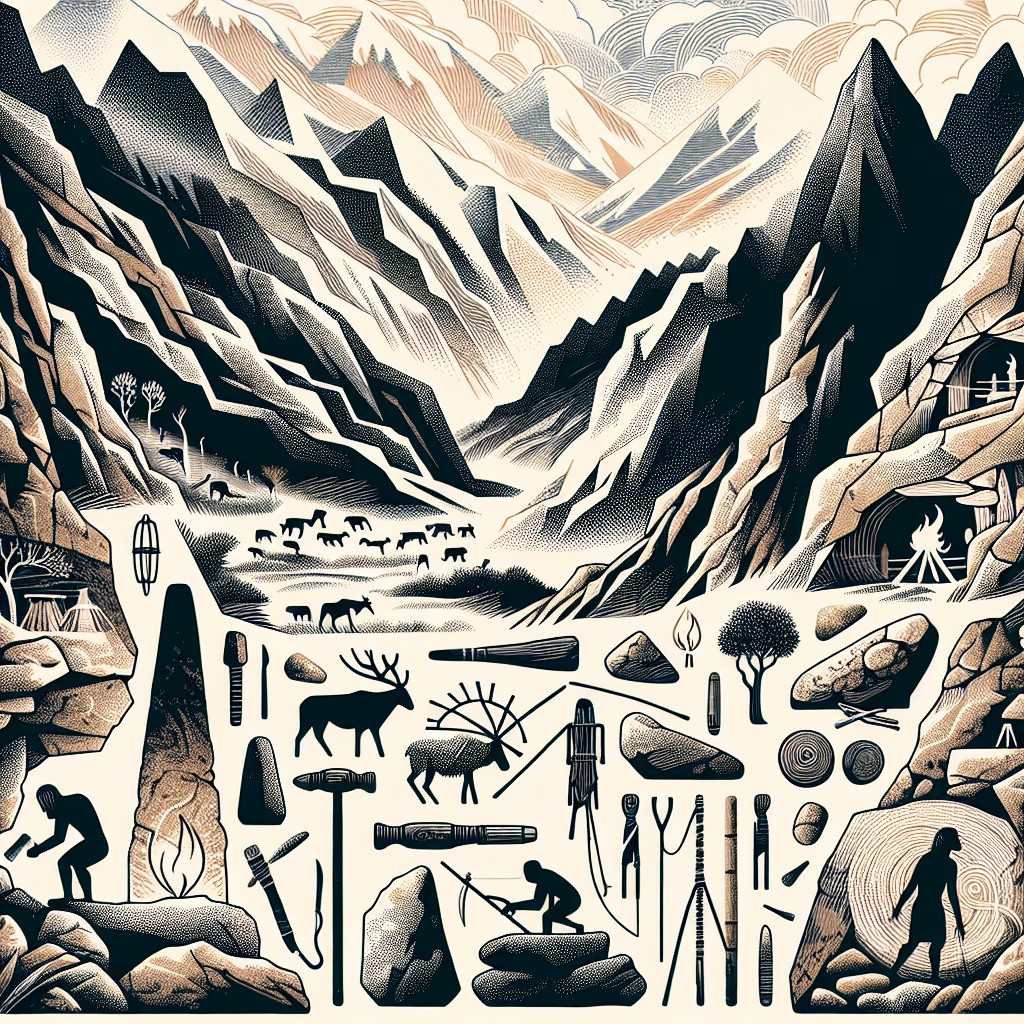
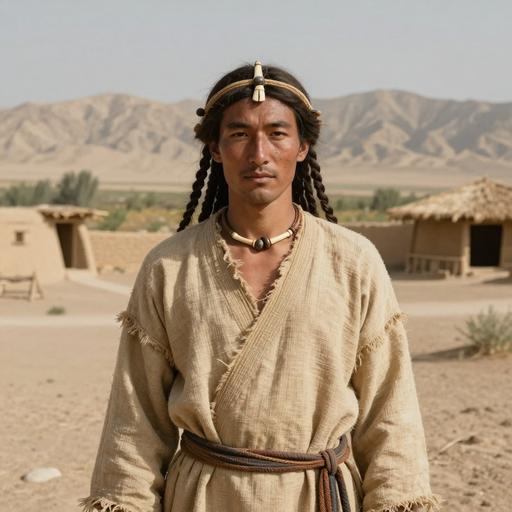
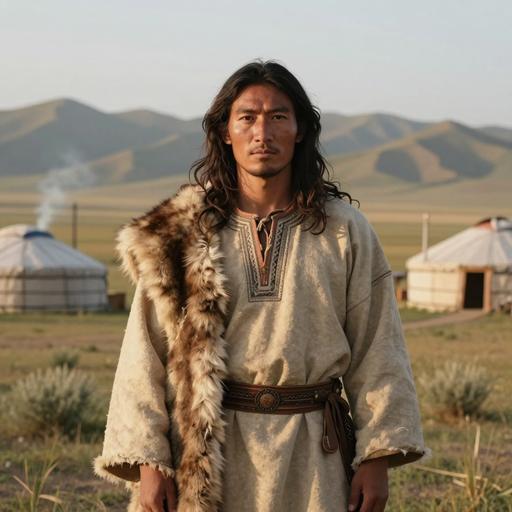
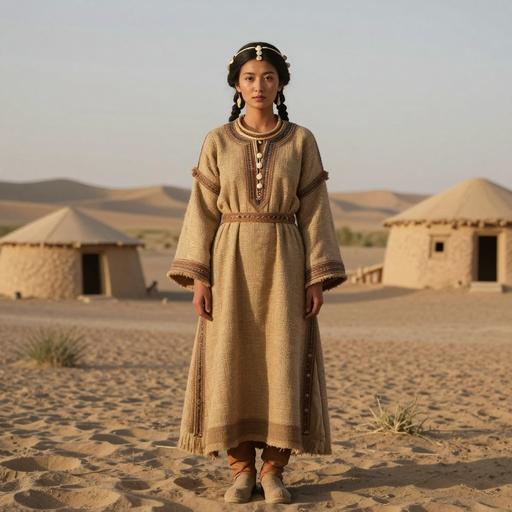
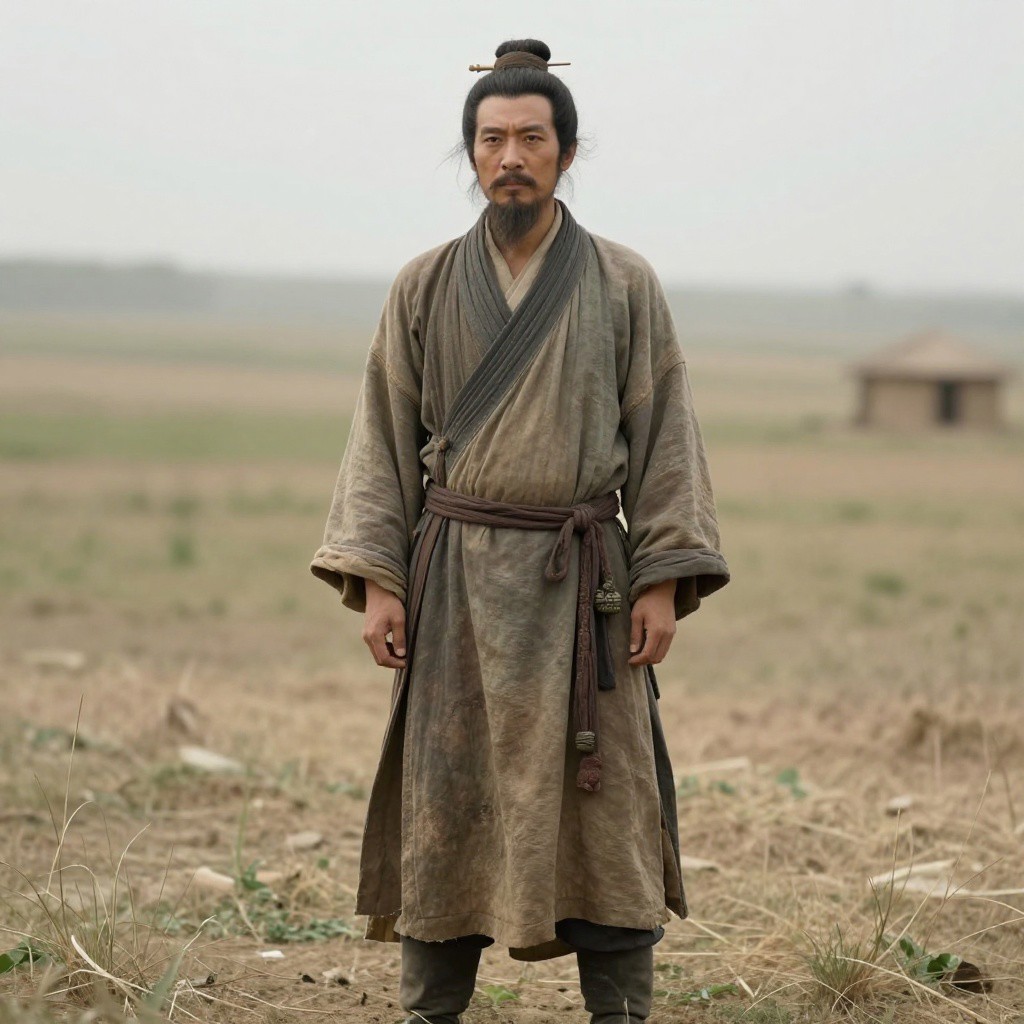
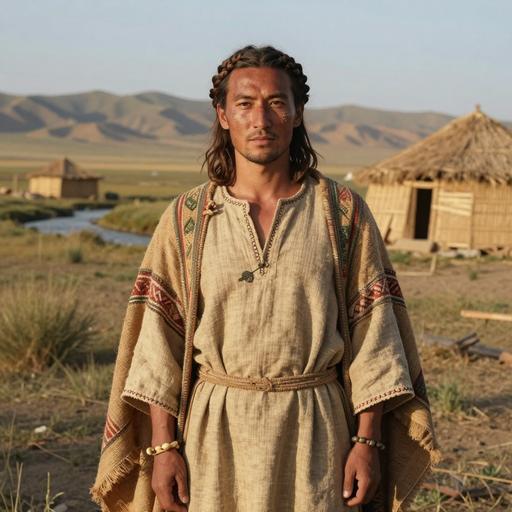
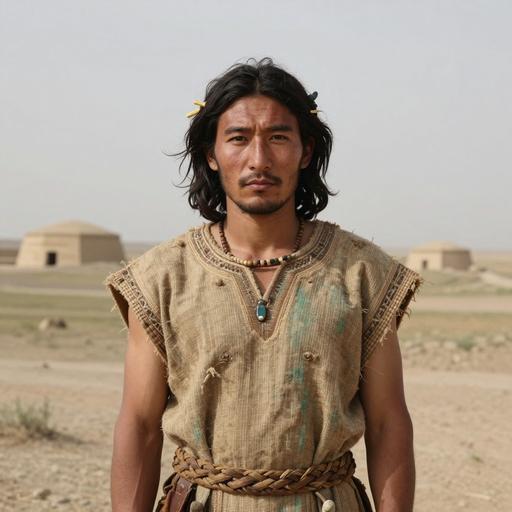
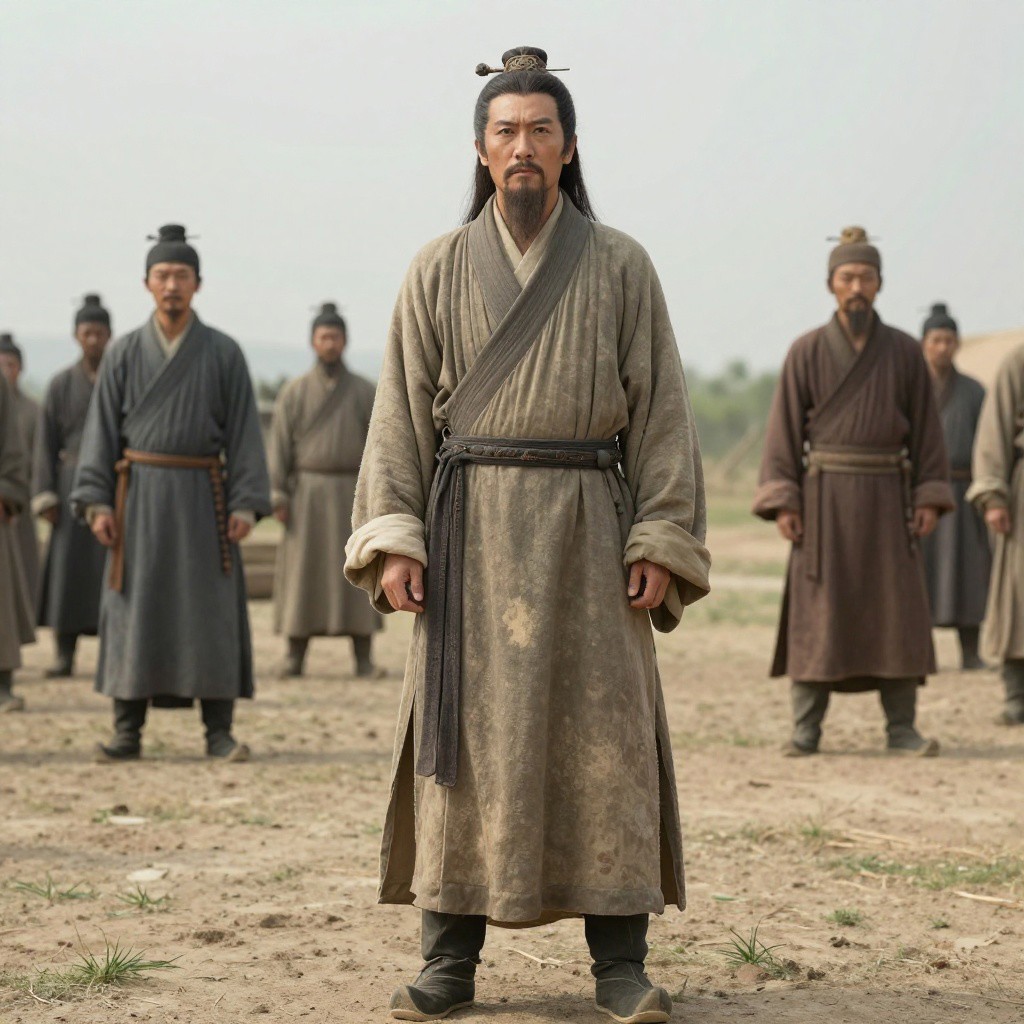
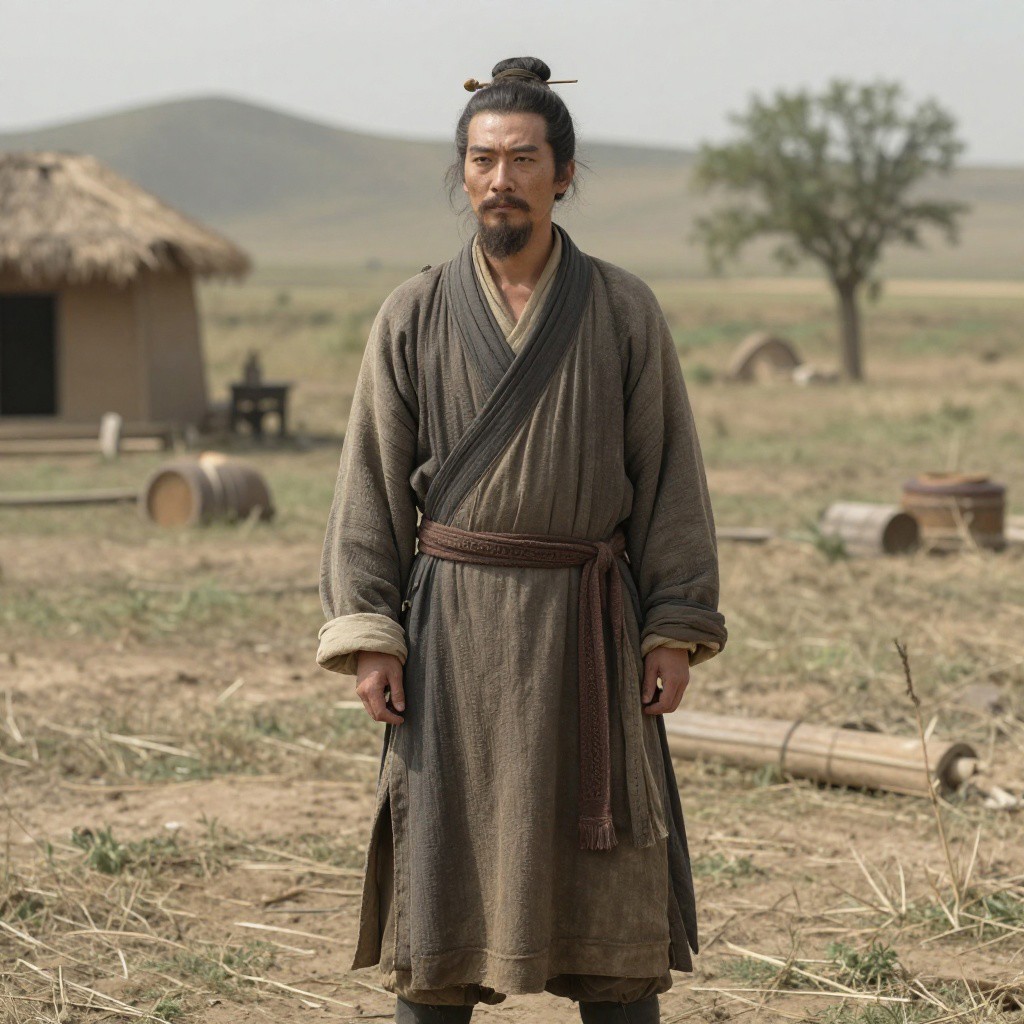
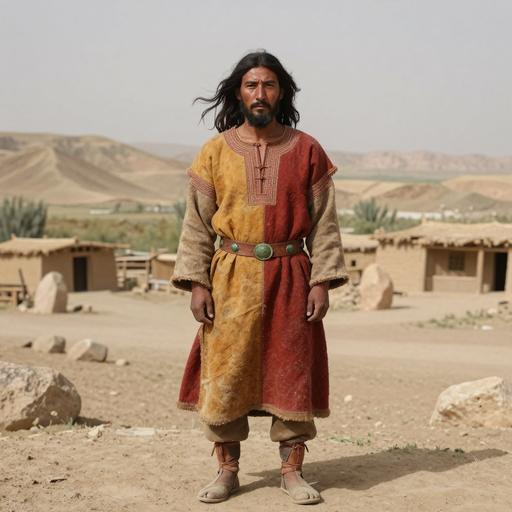
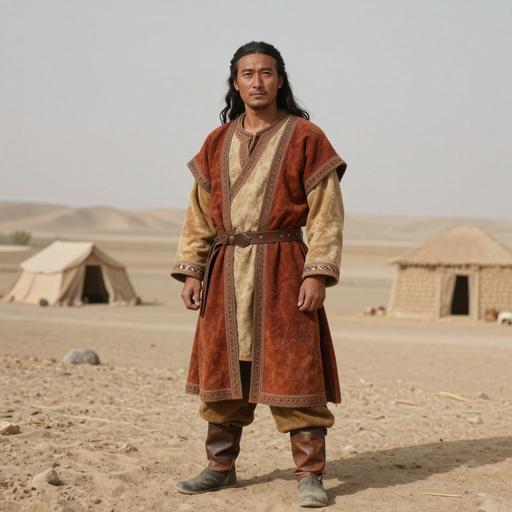
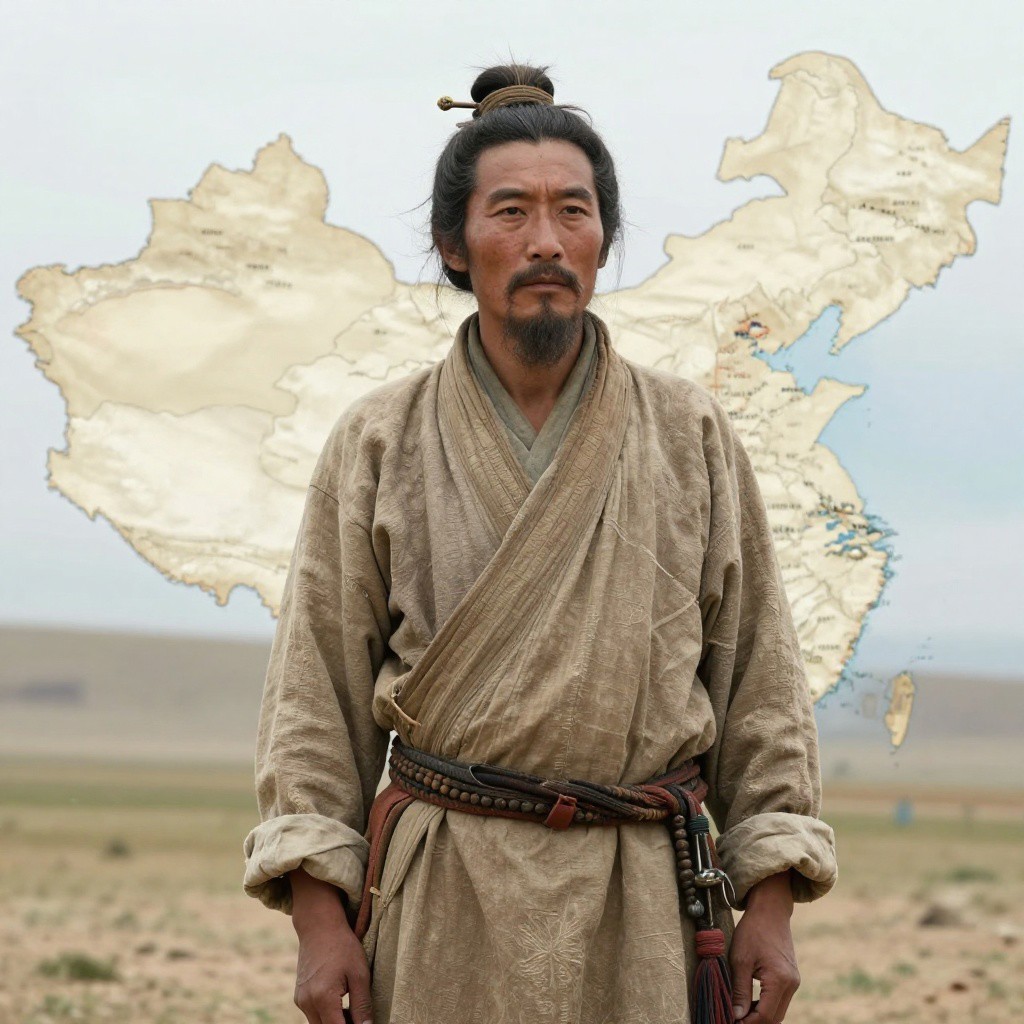
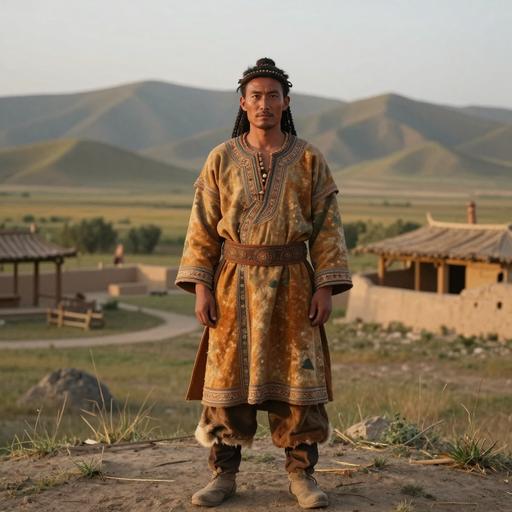
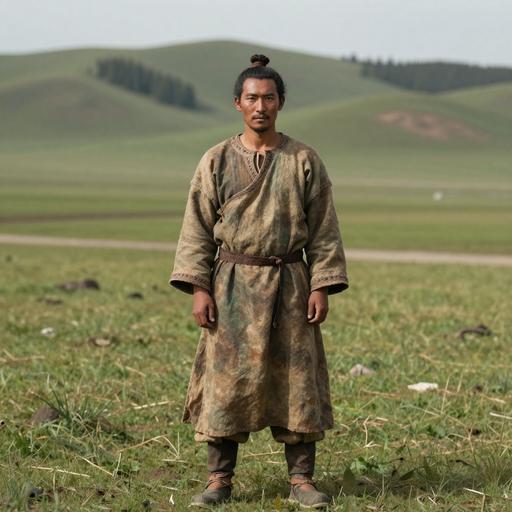
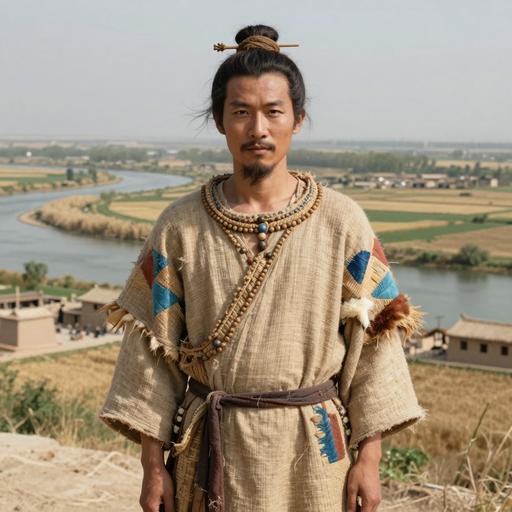
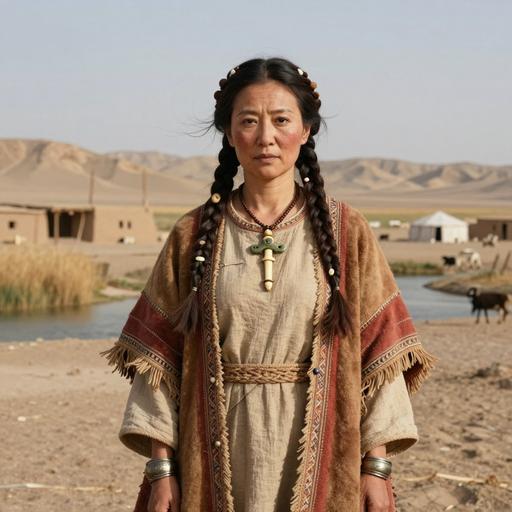
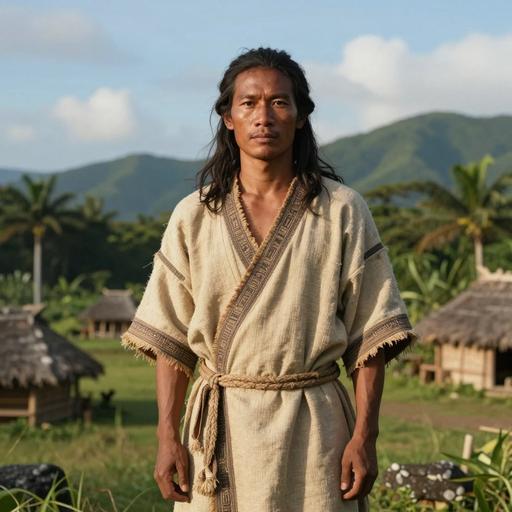
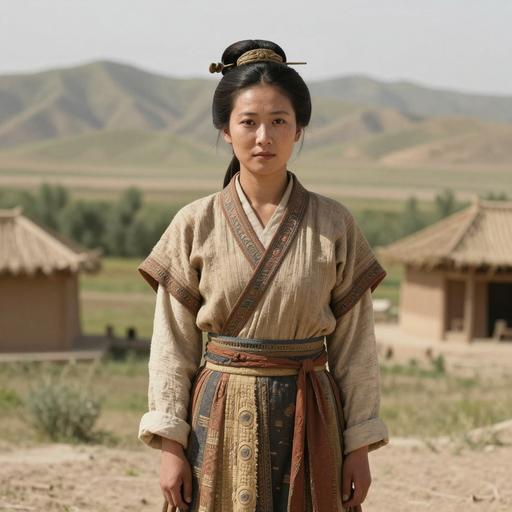
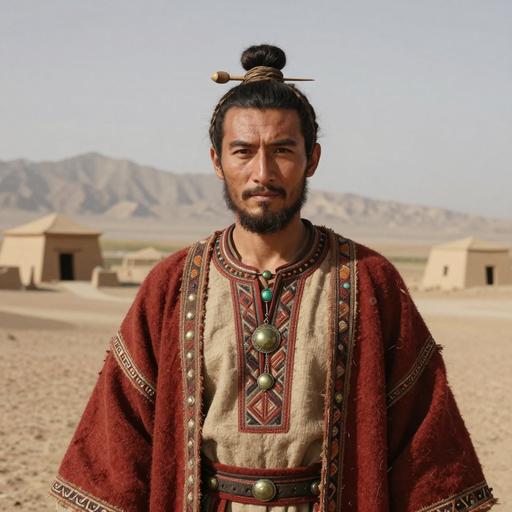
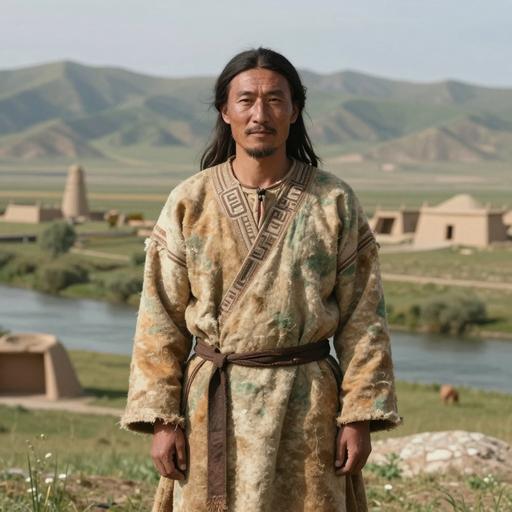
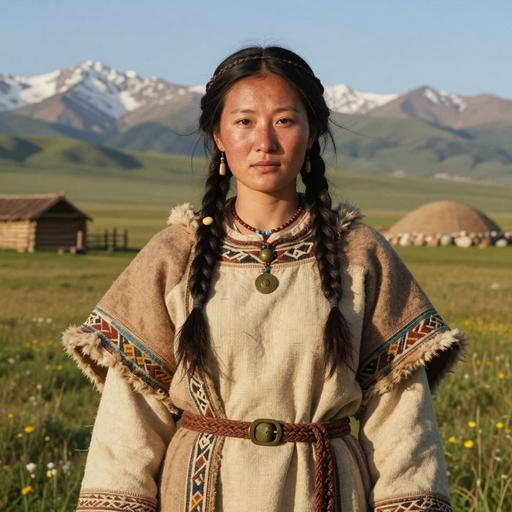
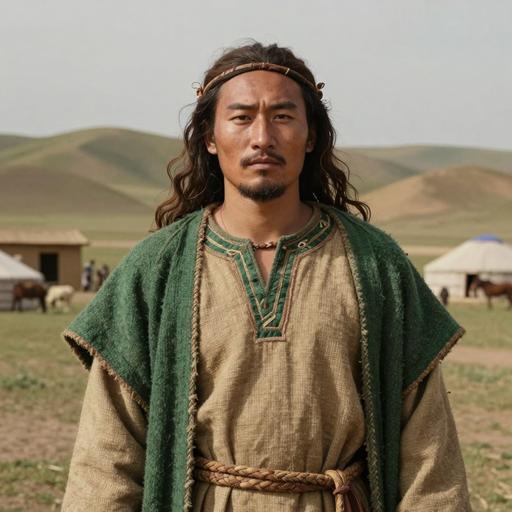
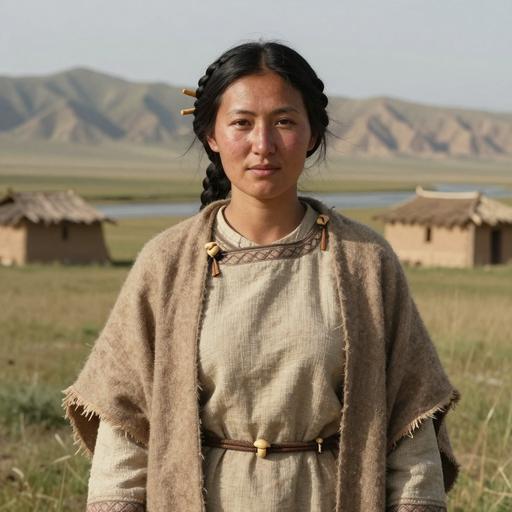
Xinjiang’s basin-and-mountain geography created constraints on settlement and travel. Arable possibilities and reliable water sources were concentrated in oasis zones, while surrounding deserts and steppe-like areas offered pasture and hunting opportunities. Seasonal planning would have been important for moving between resources, especially in a period when both herding and cultivation could contribute to subsistence.
Historical Context
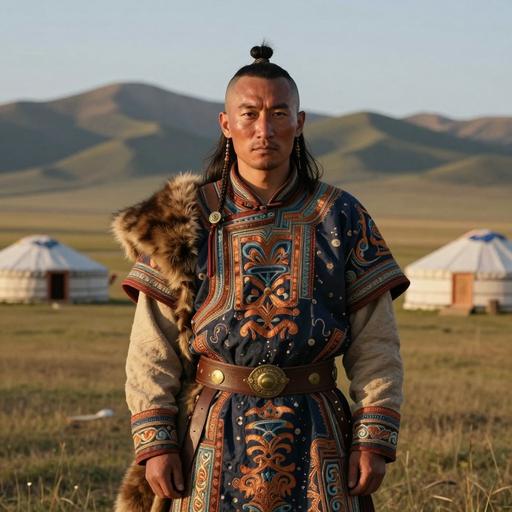
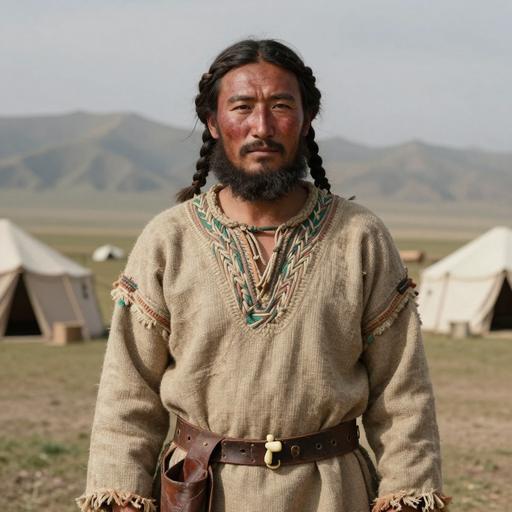
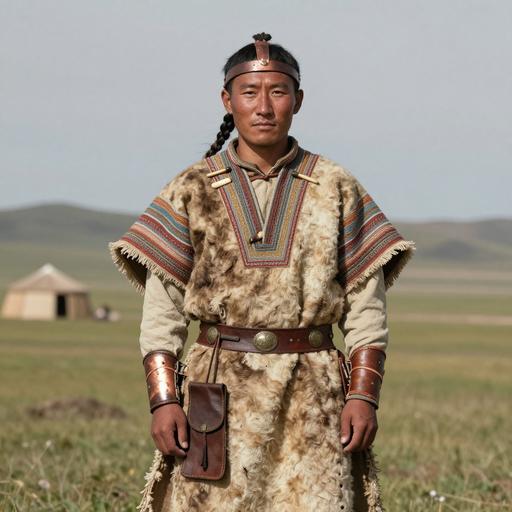
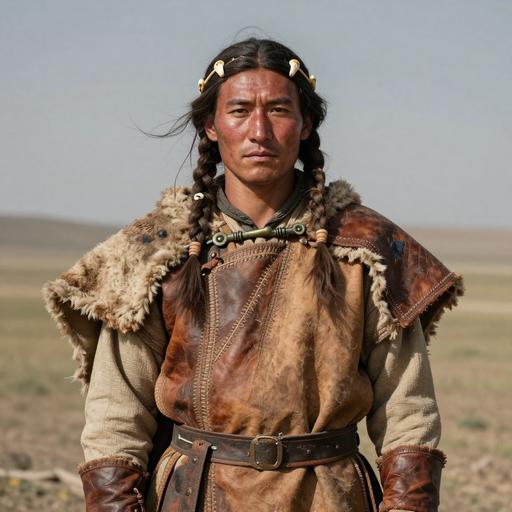
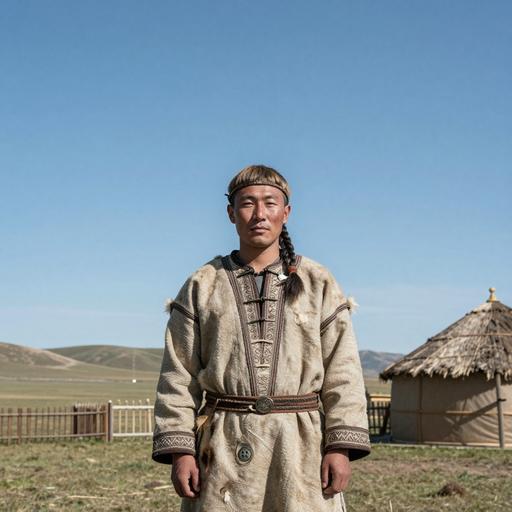
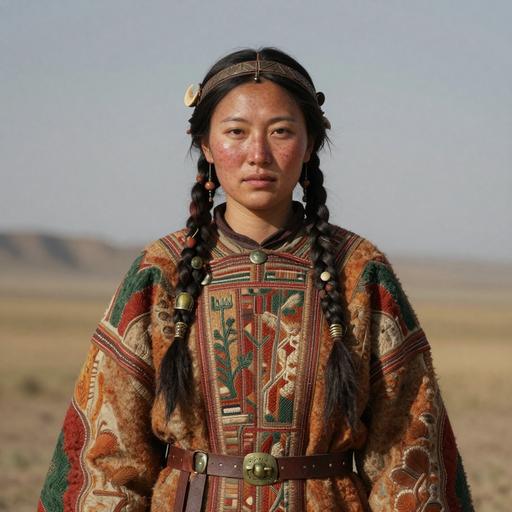
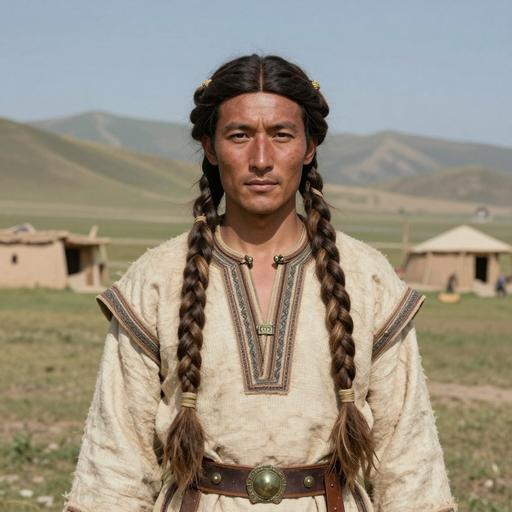
The Late Bronze Age in Inner Asia is often characterized by increased mobility and interaction among groups across the steppe and adjacent regions. Andronovo-related cultural patterns are used by archaeologists to describe recurring material traits associated with steppe traditions. In Xinjiang, these wider patterns would have encountered local oasis communities, resulting in a mixed archaeological record that does not require a single uniform population.
Populations & Lifeways
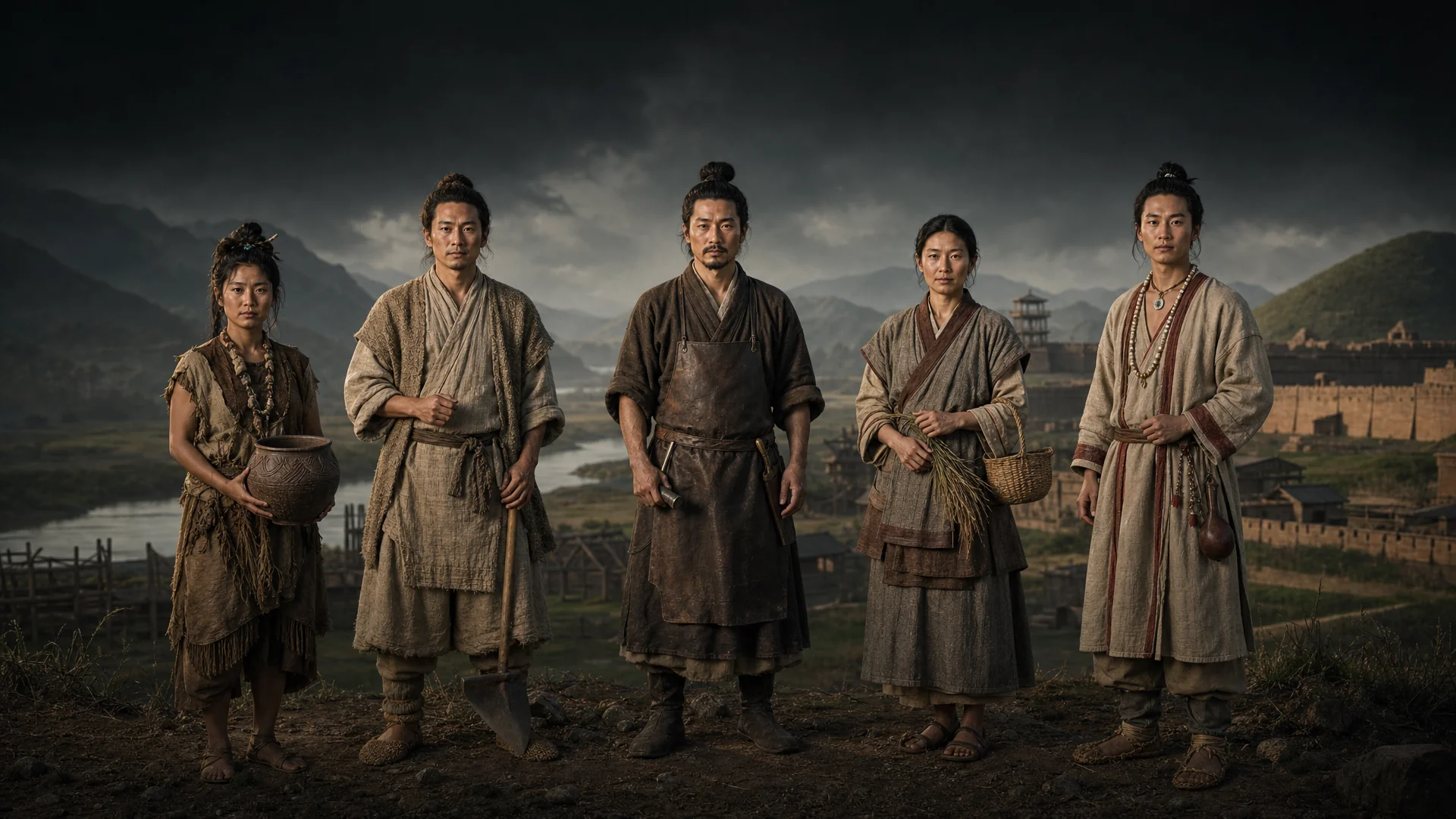
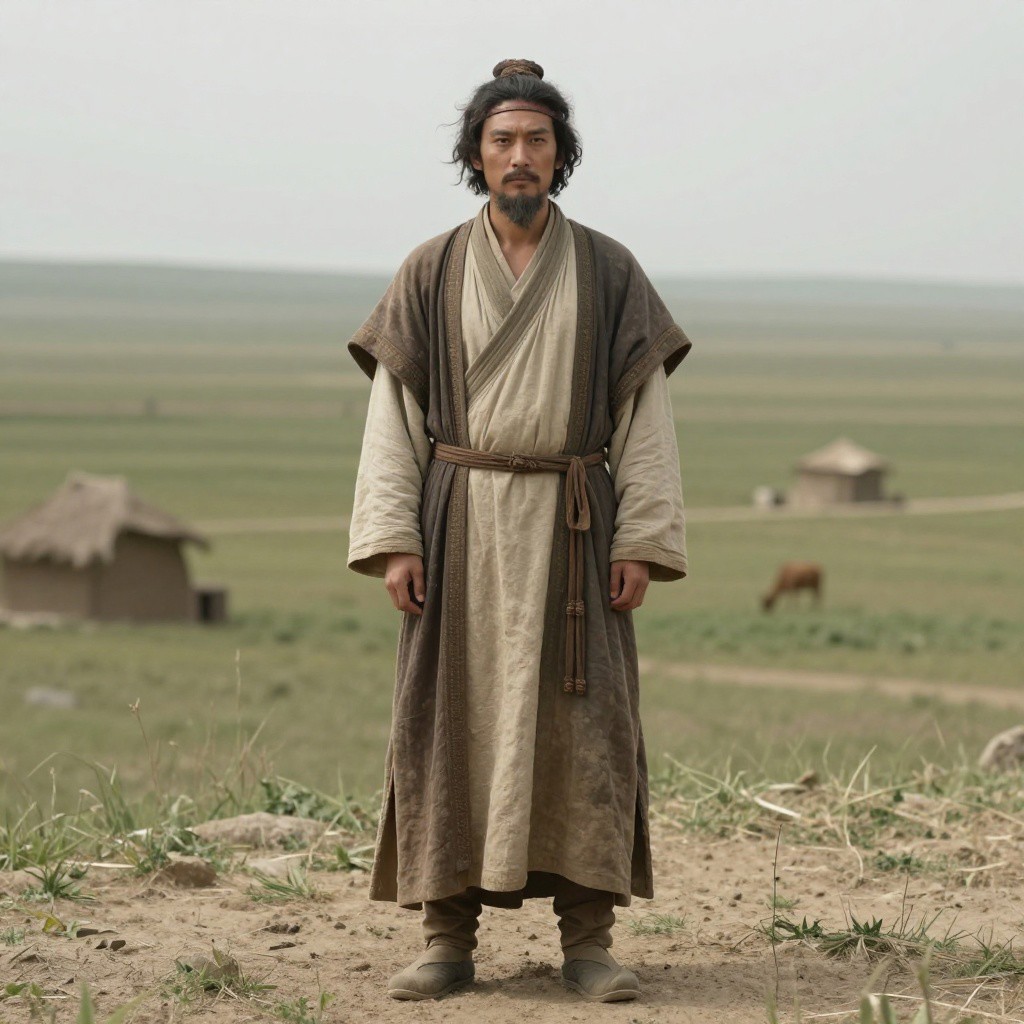
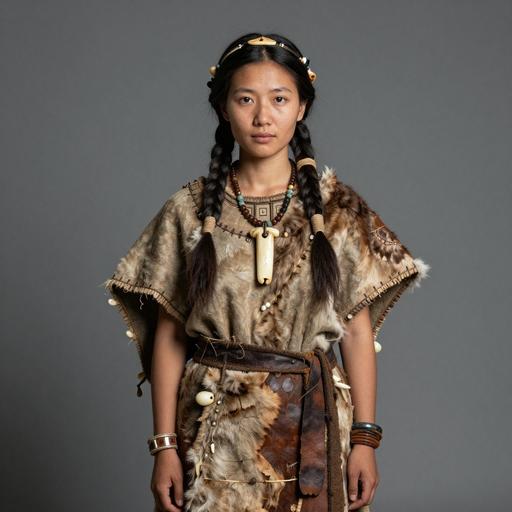
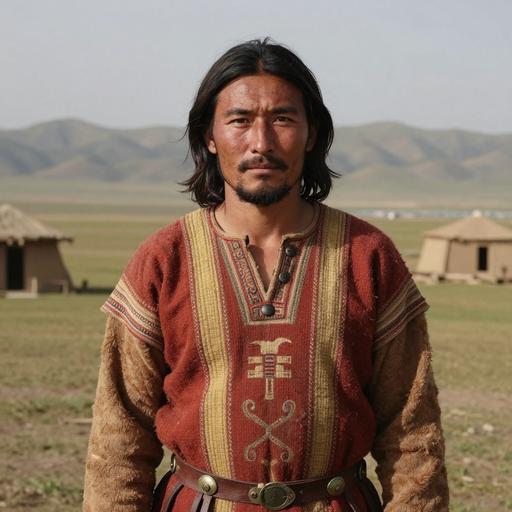
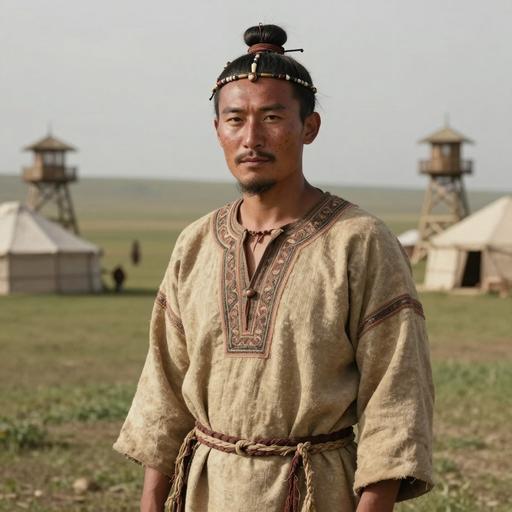
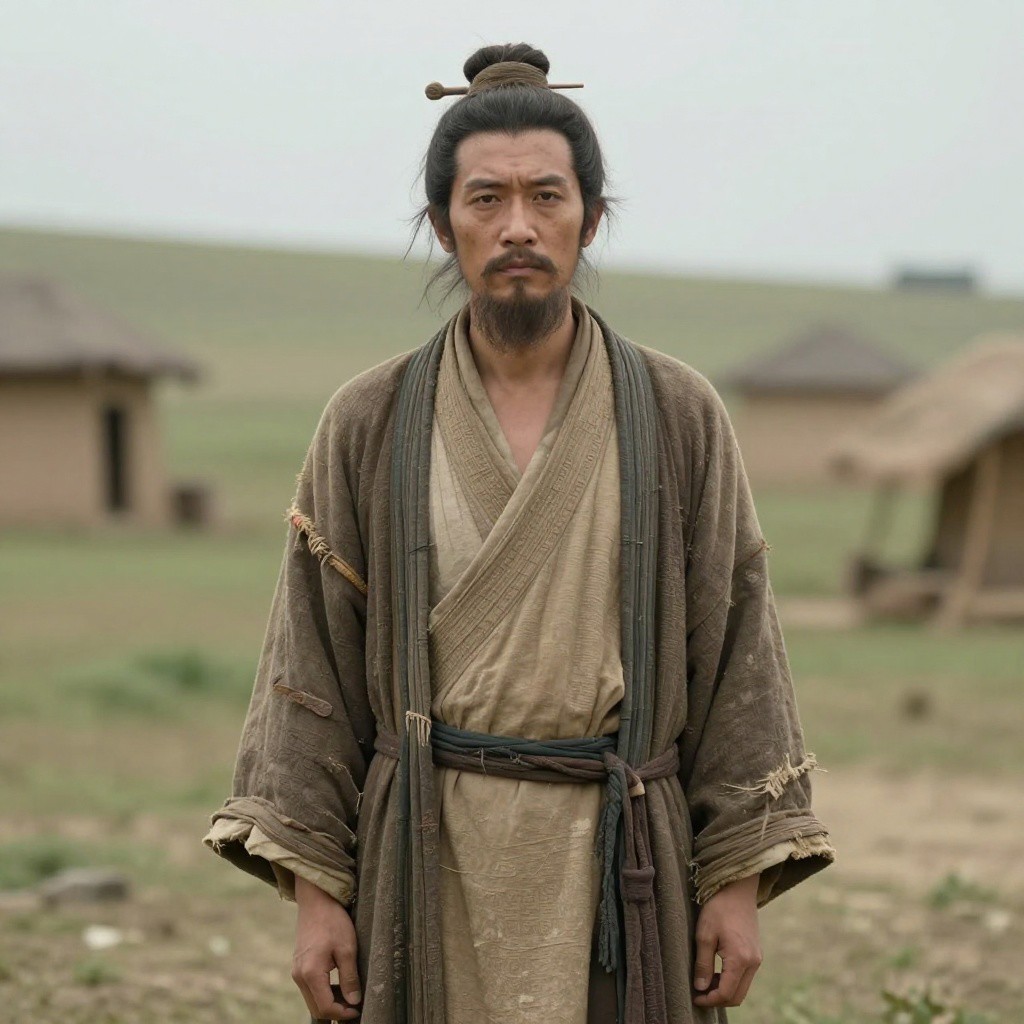
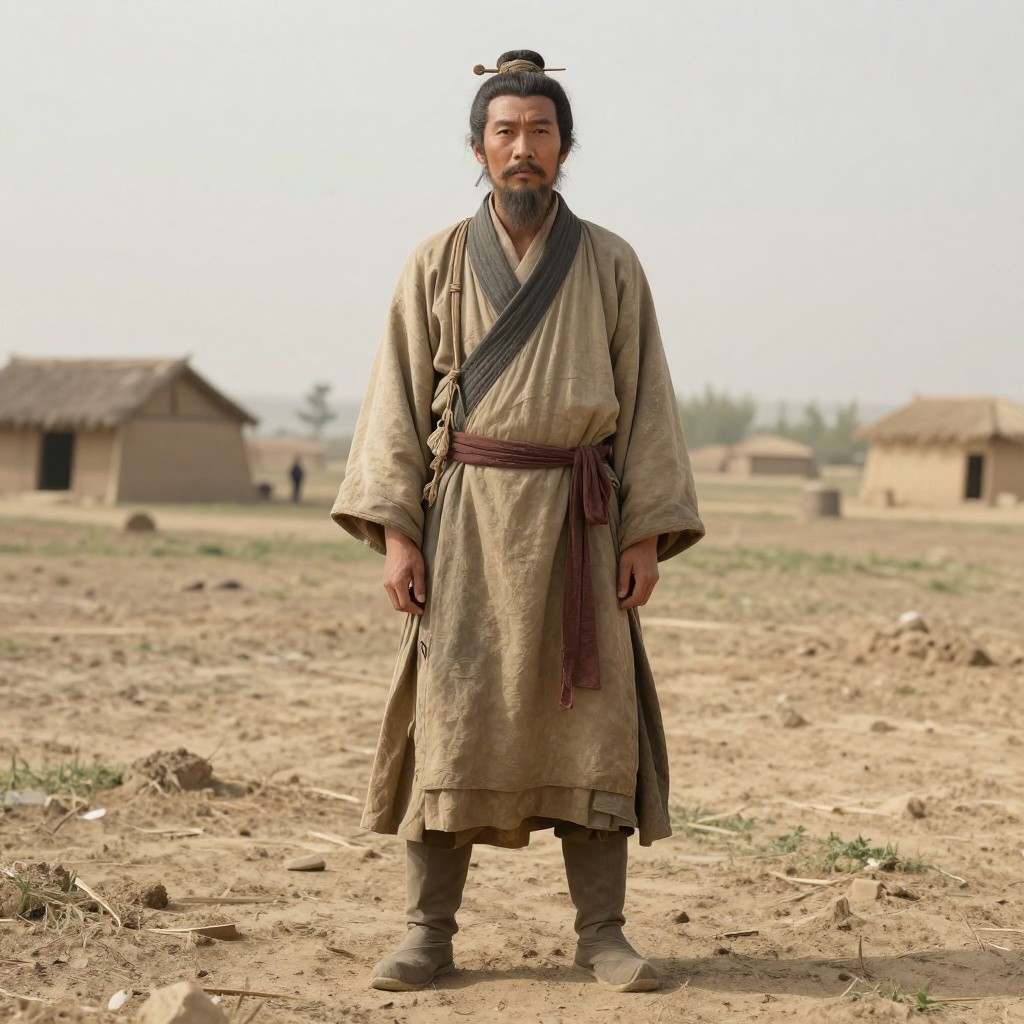
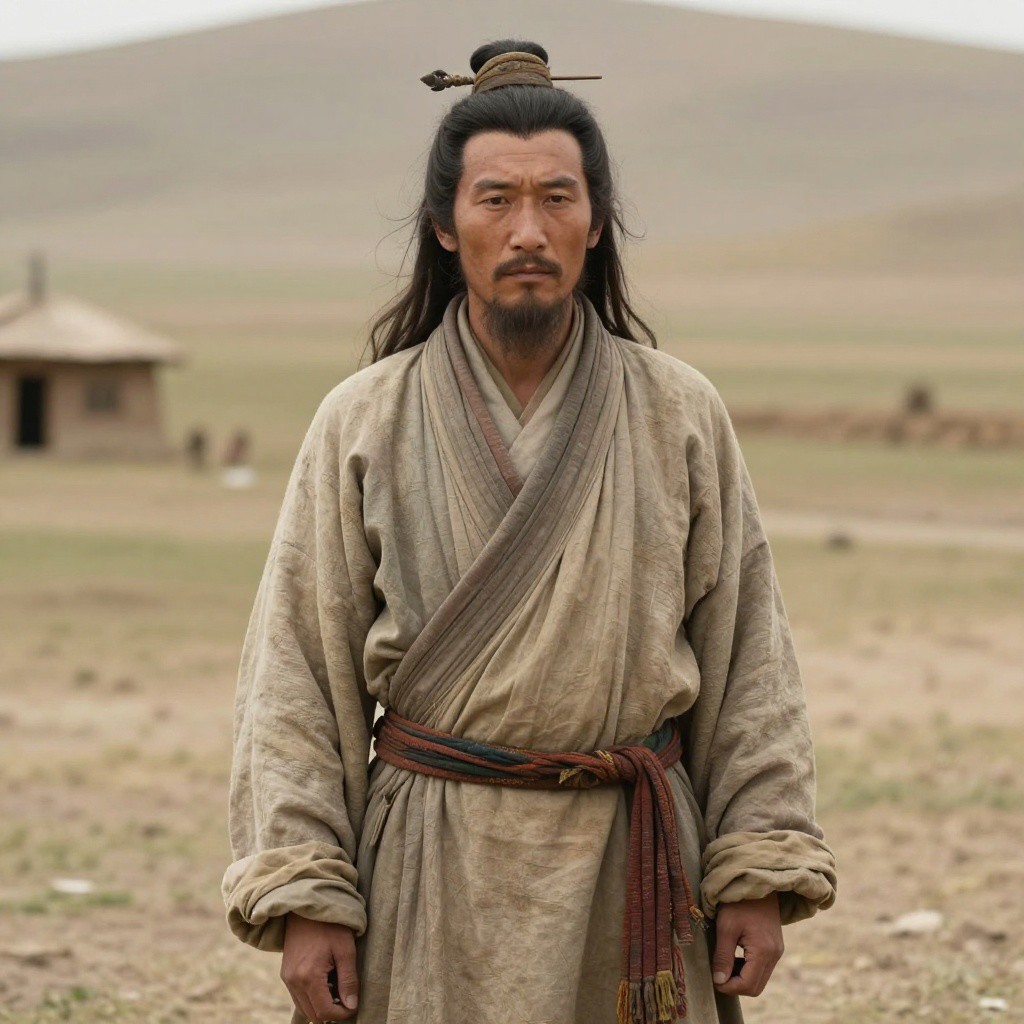
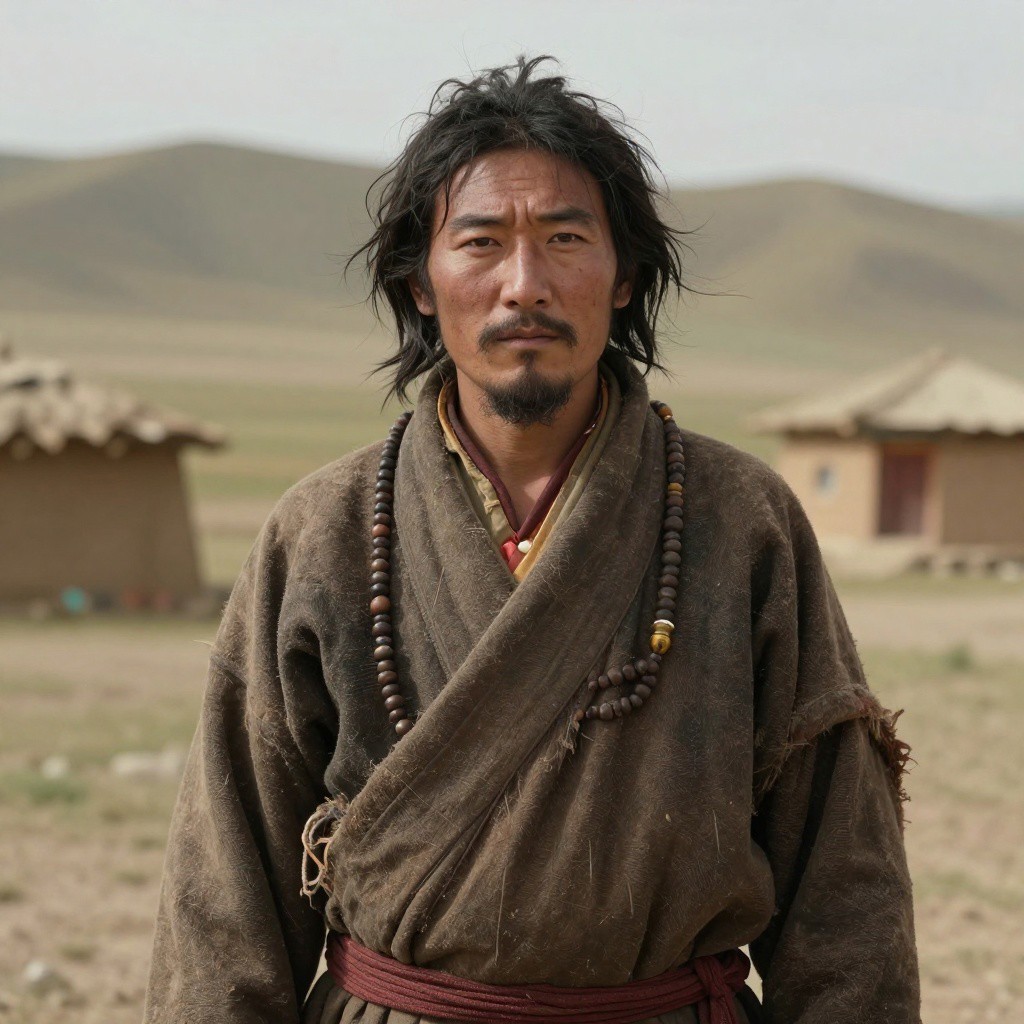
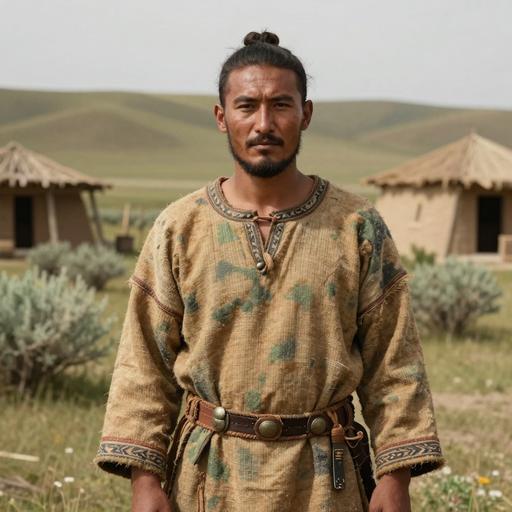
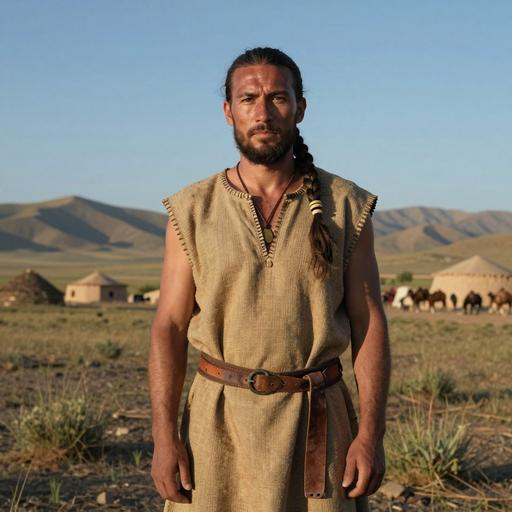
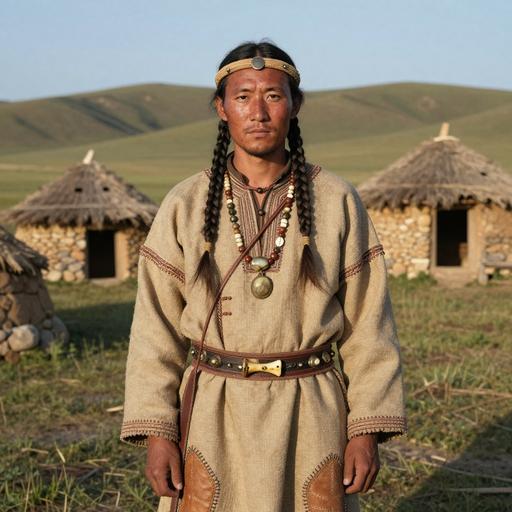
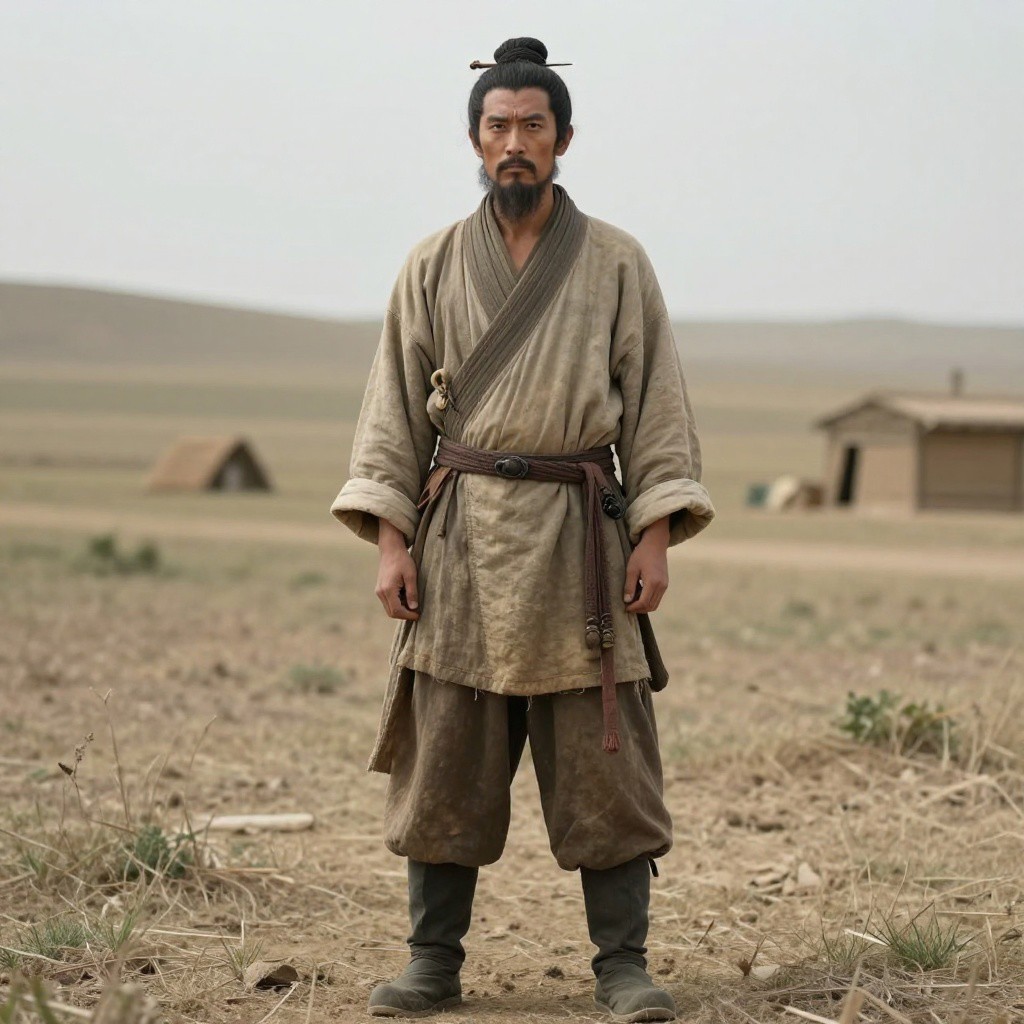
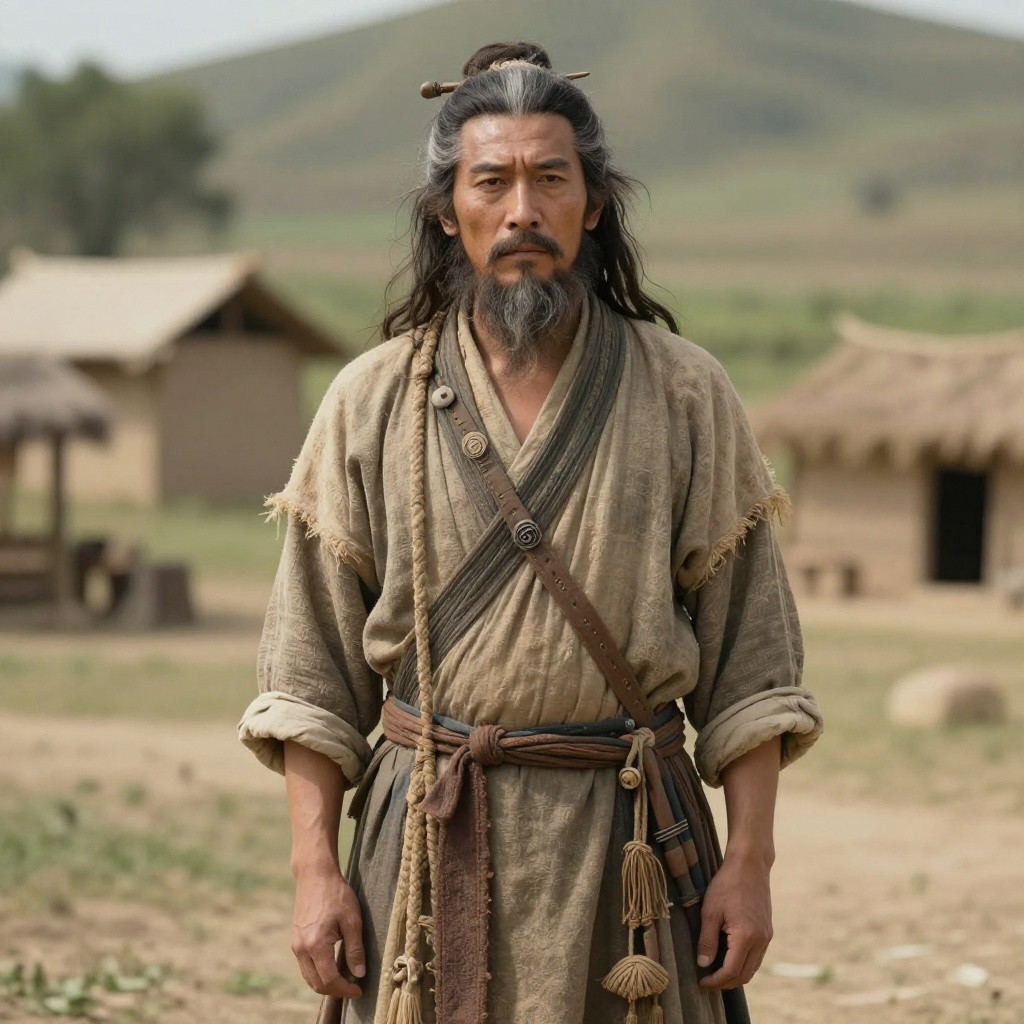
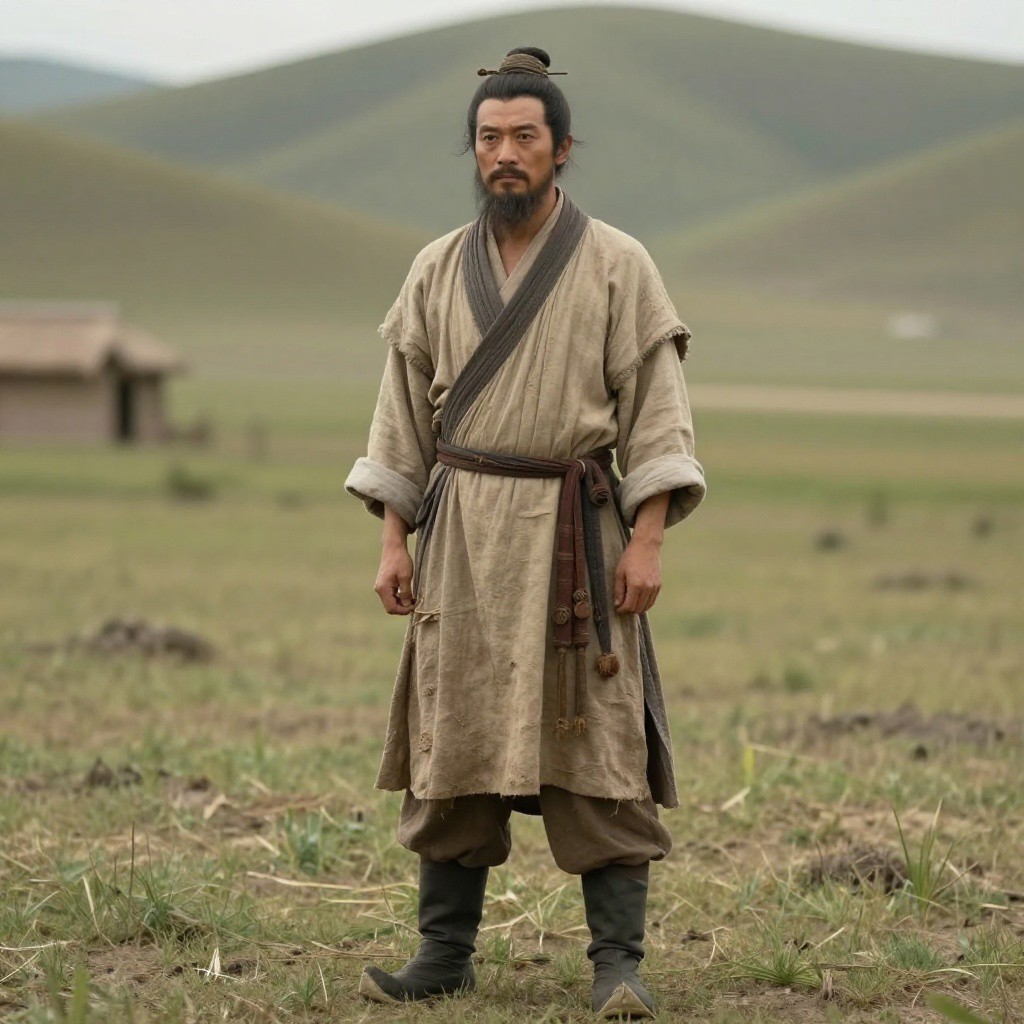
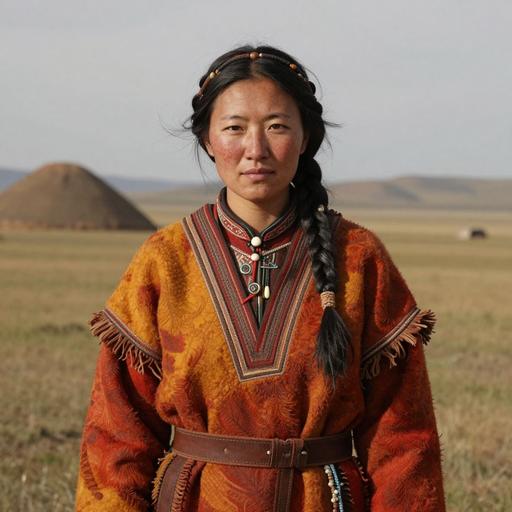
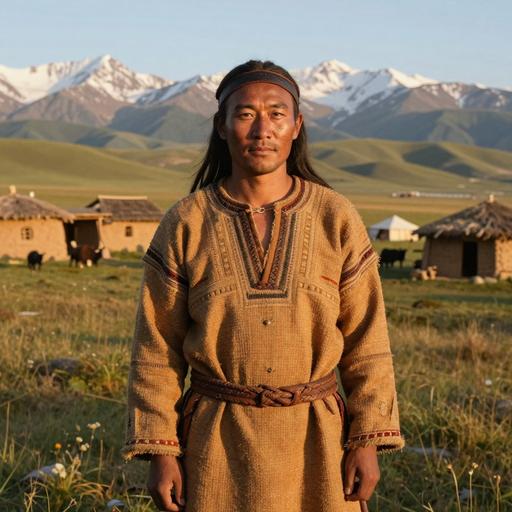
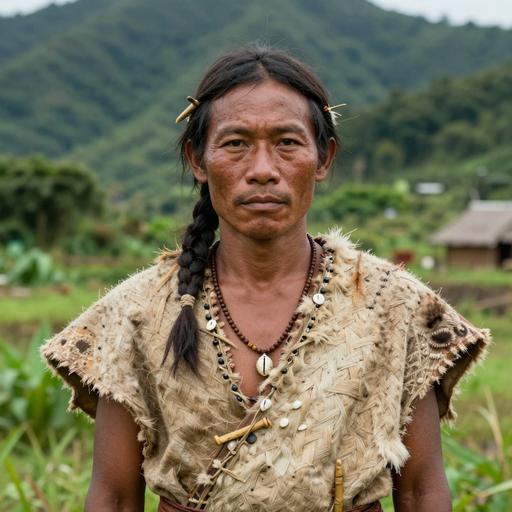
Lifeways likely involved domesticated animals and plant resources in different proportions depending on local conditions. Pastoral activities, whether practiced by fully mobile groups or by seasonal transhumants, would have complemented oasis agriculture. Daily life would also have included craft production for tools and containers needed for storage, cooking, and transport.
Archaeology & Material Culture
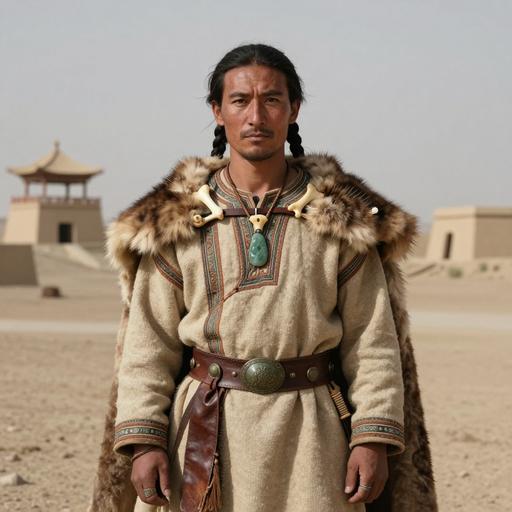
The association with Andronovo in Xinjiang is typically discussed through material continuities and shared object traditions, particularly where metalwork and certain stylistic choices occur in broader Inner Asian contexts. Tangbalesayi-LBA assemblages are expected to include utilitarian pottery and metal items, alongside evidence for everyday technologies such as production and repair practices. Cemetery and settlement remains, where present, can be used to examine differences in deposition practices and the organization of space.
Culture & Society
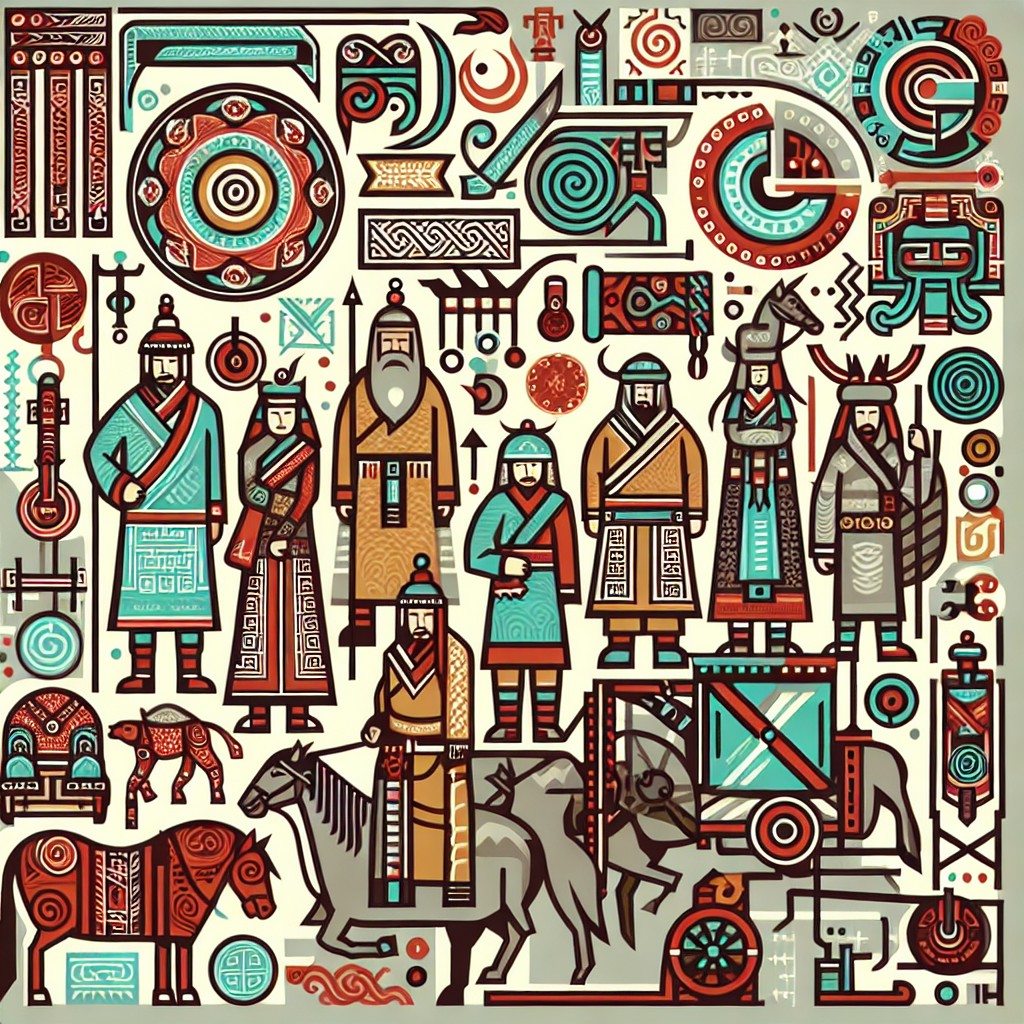
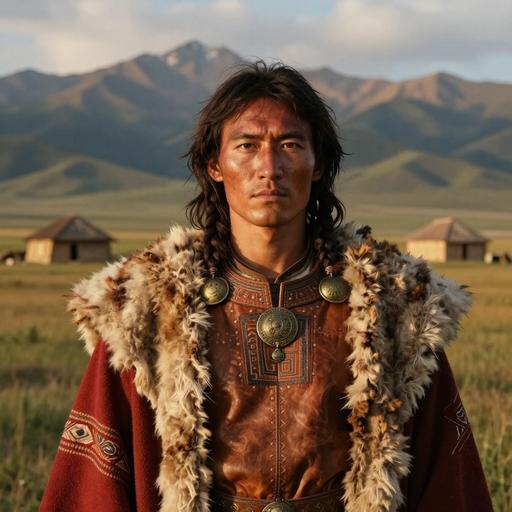
Cultural interaction during this interval can be approached conservatively through patterns of similarity and difference. Shared traits may indicate contact—through trade, movement of people, or exchange of ideas—while local variation suggests that communities retained distinct practices in domestic life and resource management. Social relationships may have included networks connecting households and specialists who produced or distributed valued goods.
Legacy & Transition
The Tangbalesayi-LBA interval sits within a longer sequence that leads toward later Iron Age developments in Xinjiang. Archaeological transitions are generally traced through changing artifact styles, shifts in metalworking traditions, and evolving settlement patterns. The period’s importance lies in documenting how steppe-related connections could be incorporated into regional lifeways without eliminating local environmental adaptations.