Geographical Spread and Influence
The Únětice culture covered a substantial area of Central Europe, predominantly within the regions of Germany, the Czech Republic, Poland, and Austria. In Germany, it particularly influenced areas such as Saxony, Thuringia, and Bavaria. Its spread across these regions suggests a well-connected network of trade and cultural exchange.
Social Structure and Organization
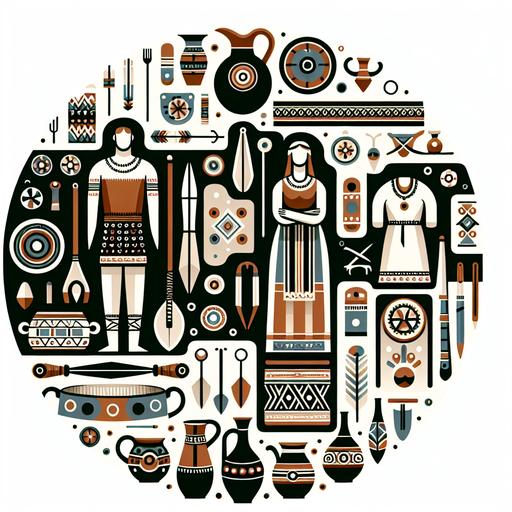
Únětice society is believed to have been relatively hierarchical, indicated by the varying wealth and goods found in burial sites. The emergence of social stratification is evident from the prominent burial mounds, or tumuli, that framed the landscape. Some individuals, presumably of higher status, were interred with valuable grave goods, which included metalwork and exotic items.
Metallurgy and Technological Advances
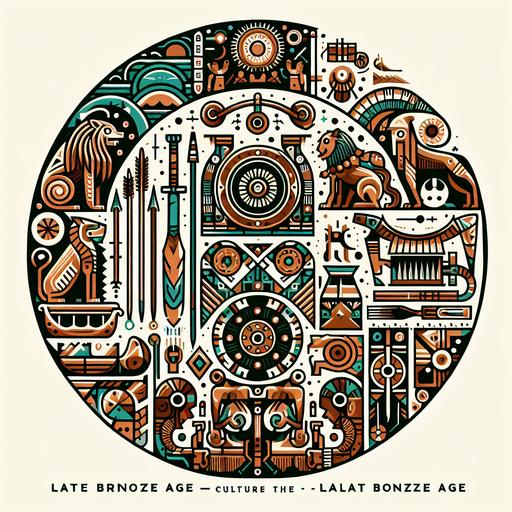
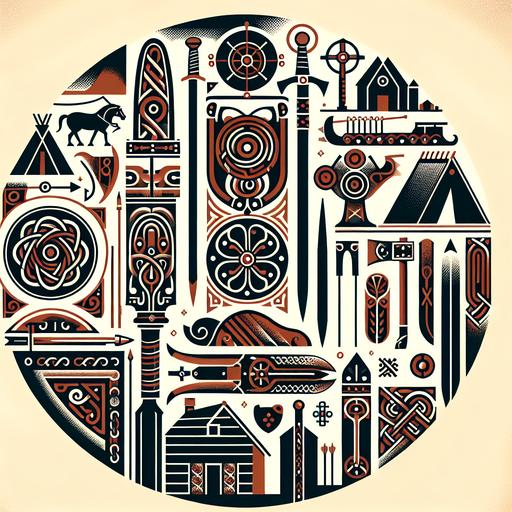
One of the defining features of the Únětice culture was its advancements in metallurgy. This period marked a transition from the use of native copper to the alloying of bronze, a harder and more versatile material. The culture is known for producing various metal objects, such as weapons (including daggers and axes), tools, and personal ornaments (such as pins and bracelets).
Únětice metalwork often features intricate designs and demonstrates high levels of craftsmanship. The development and widespread use of bronze played a crucial role in the culture's economic and social systems, facilitating trade and elevating the status of craft specialists within society.
Burial Practices
Burial customs provide significant insights into the Únětice culture. The typical burial was inhumation, with bodies often placed in a flexed position. Notably, burial sites frequently included grave goods, which ranged from pottery and jewelry to weapons. The richness and variety of these goods have led archaeologists to deduce the presence of a class-based society.
Some prominent burial sites, like those found at Leubingen and Helmsdorf in Germany, contain extensive remains and rich grave goods, indicating the importance of certain individuals and possibly their status as leaders or elites within the society.
Economy and Trade
The Únětice culture was part of a broader network of trade routes that extended across Europe. The distribution of Únětice artifacts, especially metalwork, suggests commercial exchanges not only within its geographical boundaries but also with distant regions. The exchange network likely included raw materials such as tin and copper, critical for bronze production.
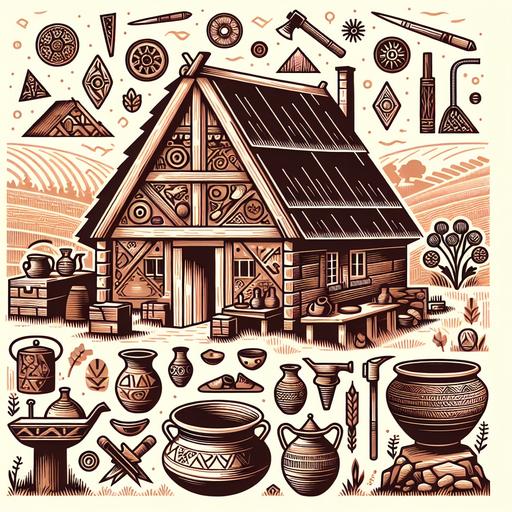
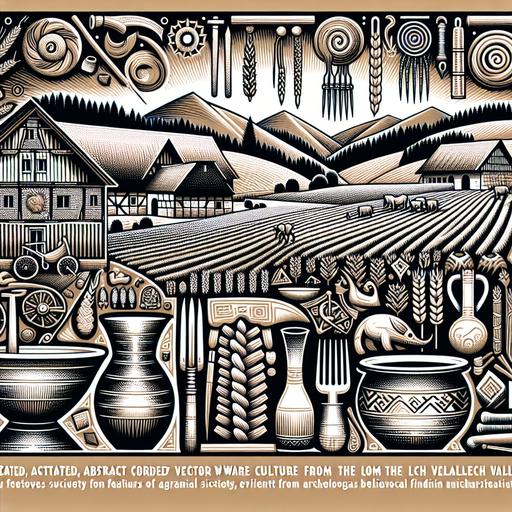
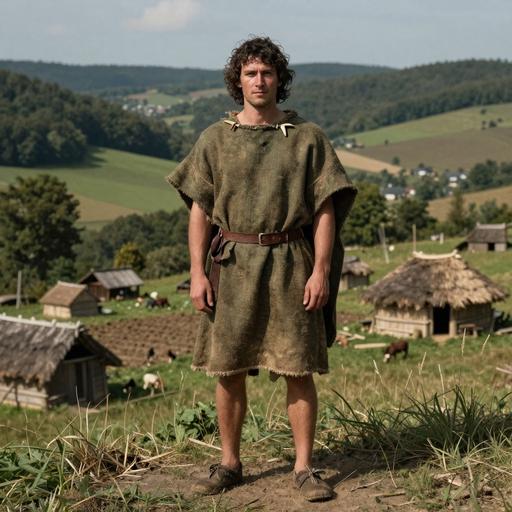
Agriculture was also a vital component of the Únětice economy, with evidence of crop cultivation and animal husbandry. Settlements were typically situated in fertile areas conducive to farming, reflecting a semi-sedentary way of life.
Art and Symbolism
While the Únětice culture did not leave behind a wealth of artistic expressions in the form of visual art, the design and symbolism in metalwork and pottery suggest a complex cultural identity. Patterns and motifs found on various objects may hold symbolic meanings or denote cultural affiliations.
Decline and Legacy
By around 1600 BCE, the Únětice culture began to decline, paving the way for other regional cultures. However, its influence persisted, laying the foundations for subsequent cultures in Central Europe. Its advancements in metallurgy and establishment of trade networks were particularly consequential for the development of later European societies.
In summary, the Early Bronze Age Únětice culture in Germany represents a period of significant social, technological, and economic transformation. Its contributions to metallurgy, complex social structures, and expansive trade networks highlight its role as a pivotal cultural force in the European Bronze Age narrative.