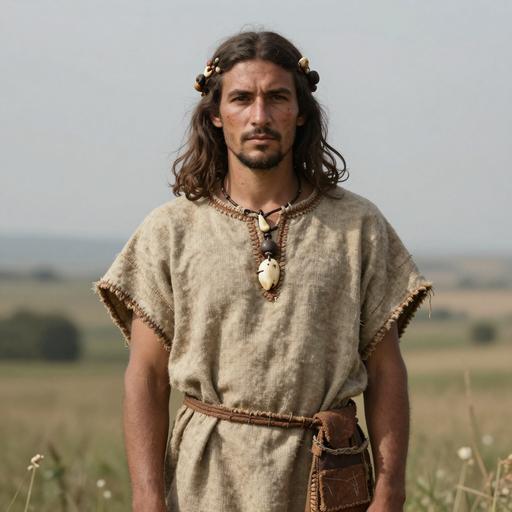
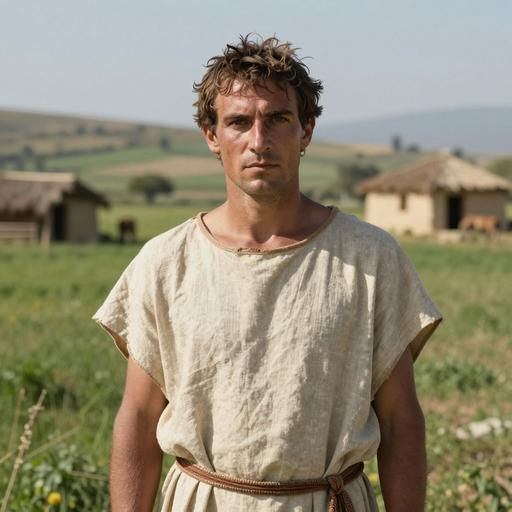
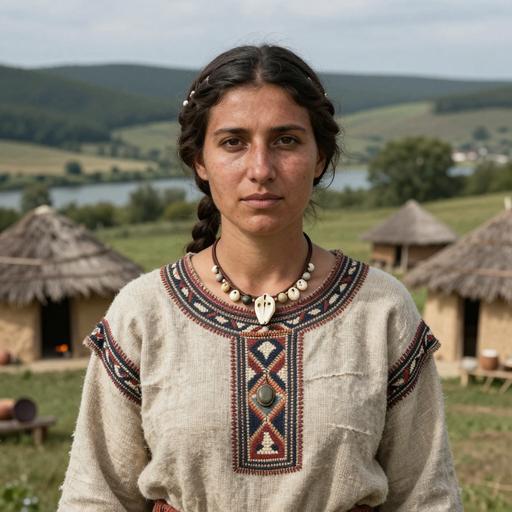
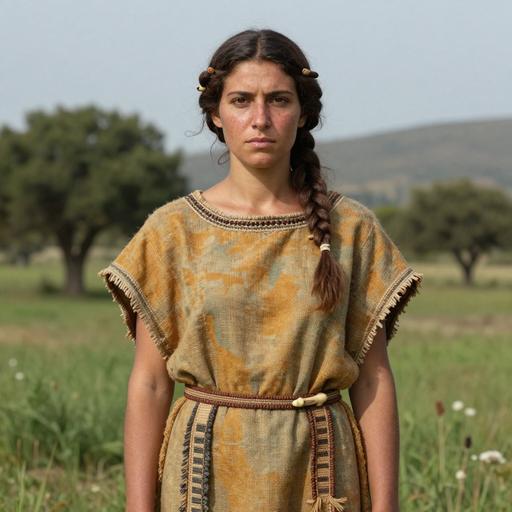
Ancient Balkans Ancestry Report

Download PDF creates a visual, rasterized copy. Use Print for selectable text and better assistive-technology support.

Ancient Balkans Heritage

Analyzing your genetic similarity to ancient Balkan populations...

Preparing your genetic-similarity report

Skip to main content
Ancient Balkans DNA Analysis

Your Ancient Balkans Heritage

(SSUAJF) Demo Report

Ancient Balkans Heritage Index 80/100
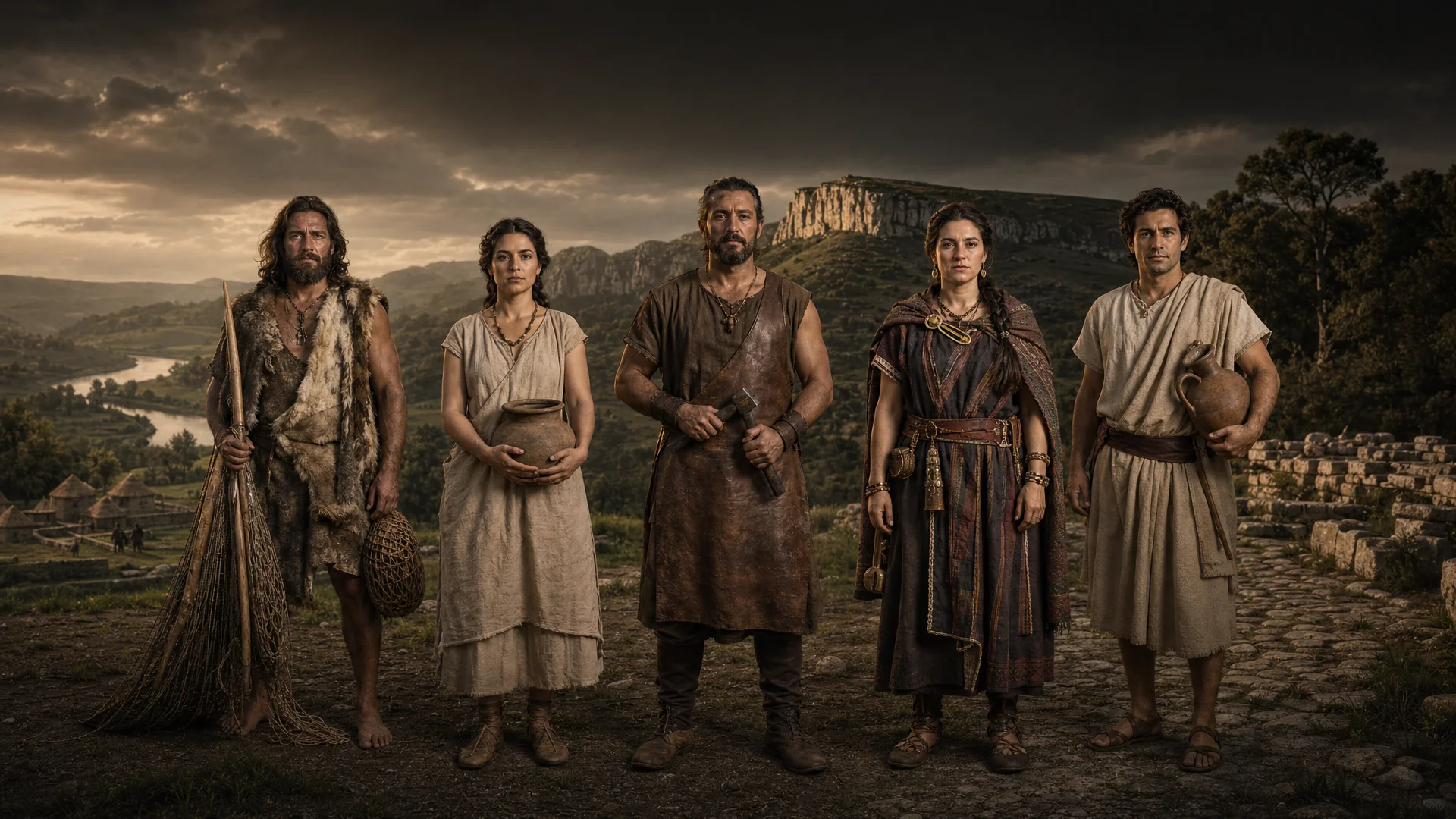
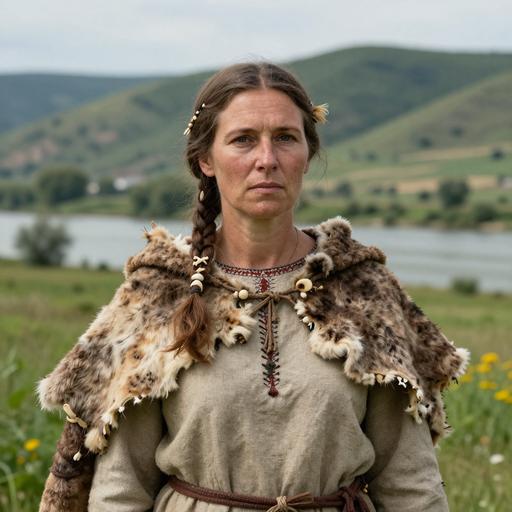
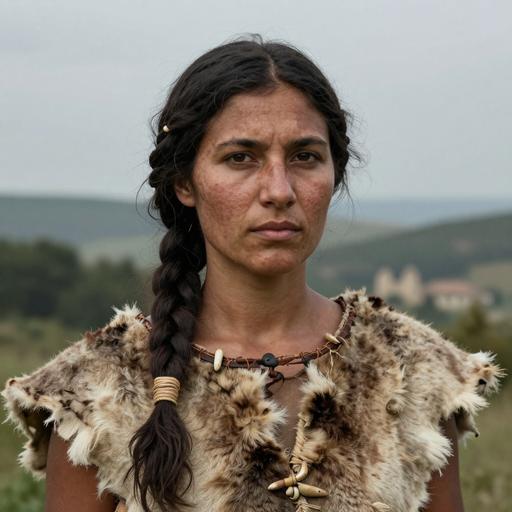
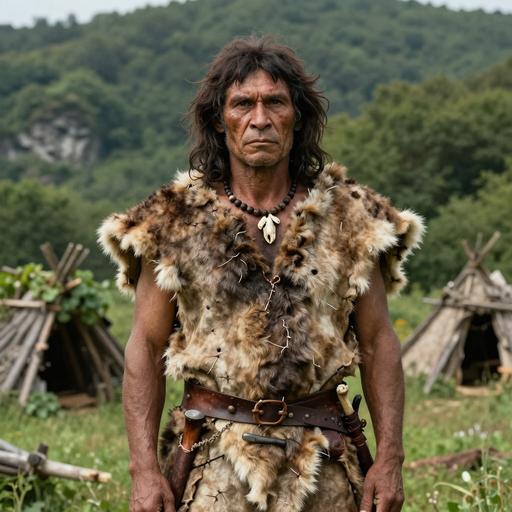
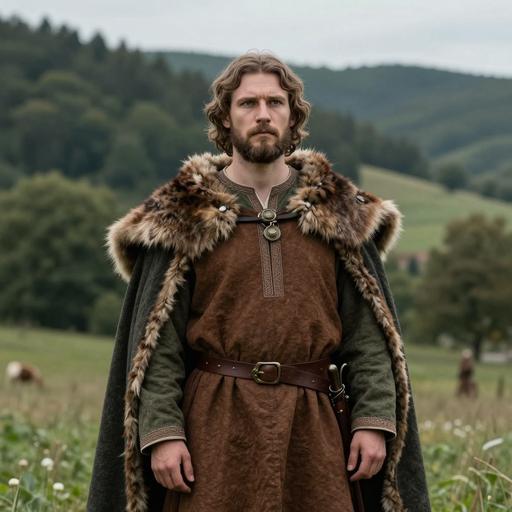
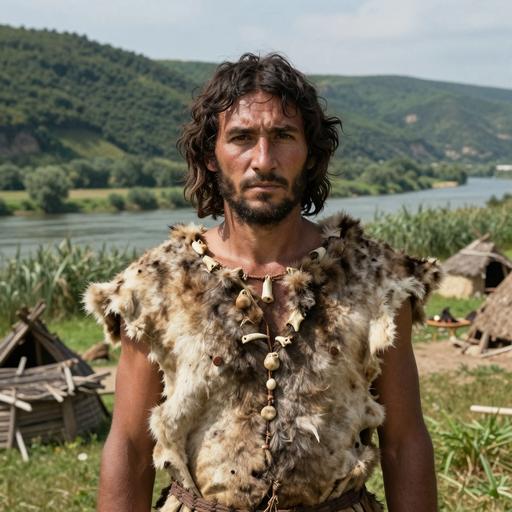
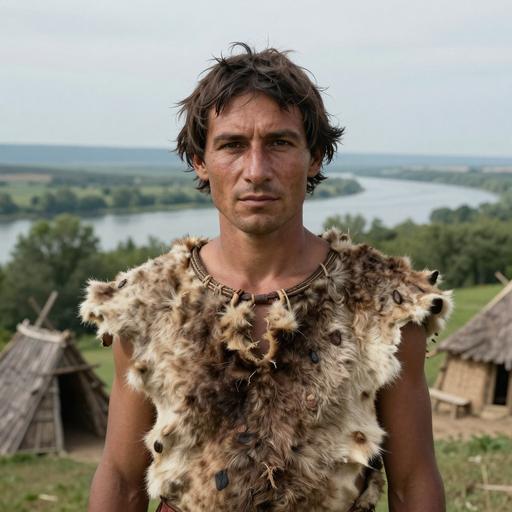
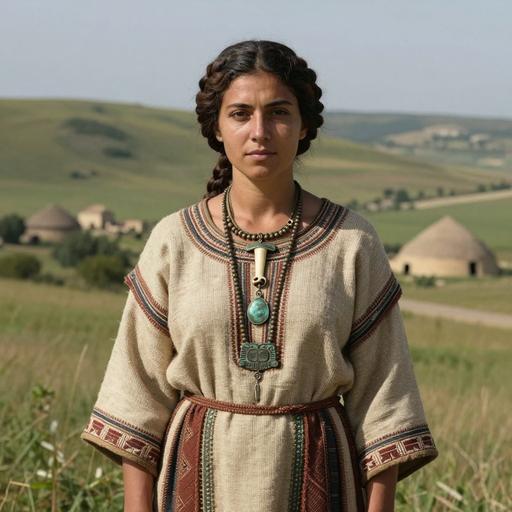
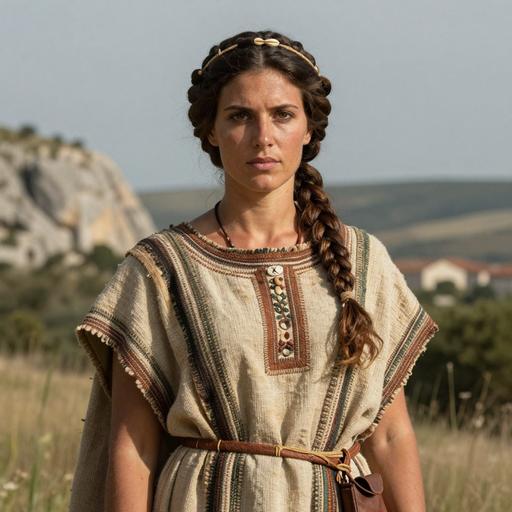
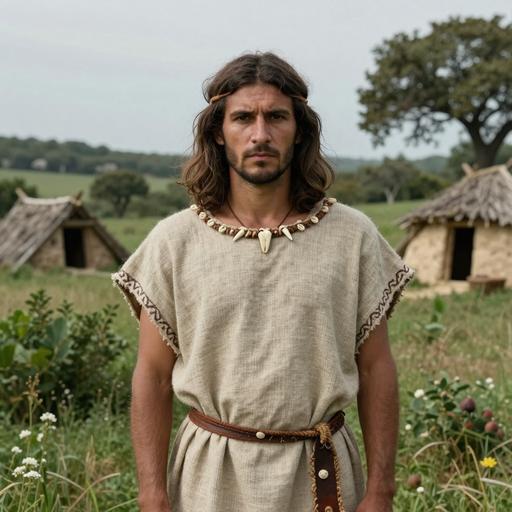
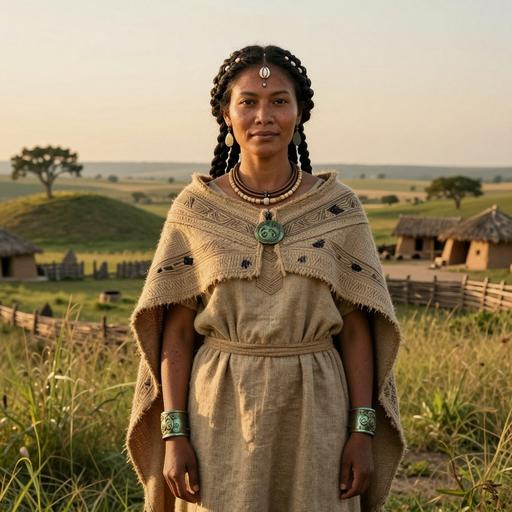
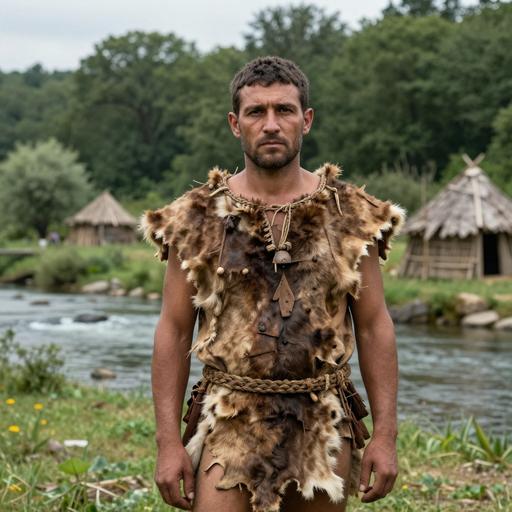
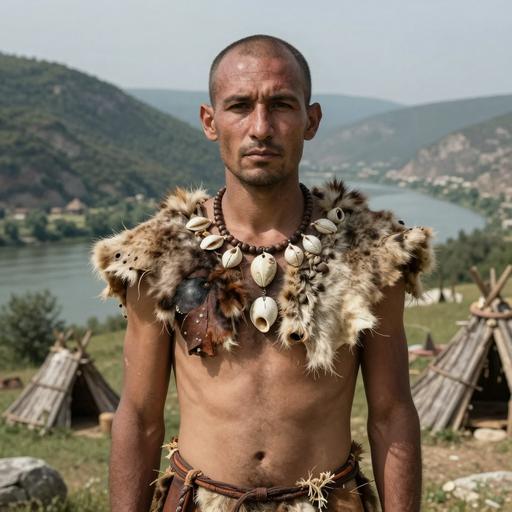
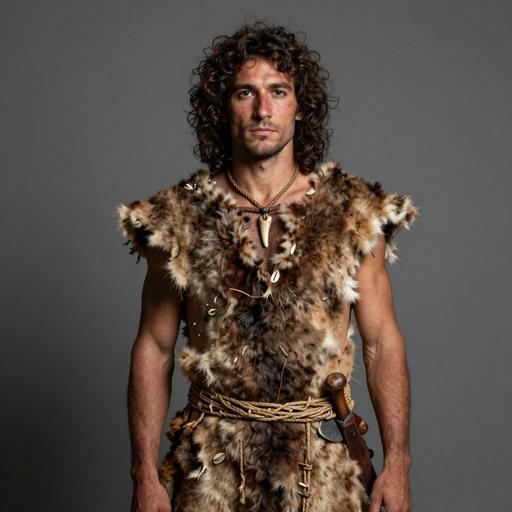
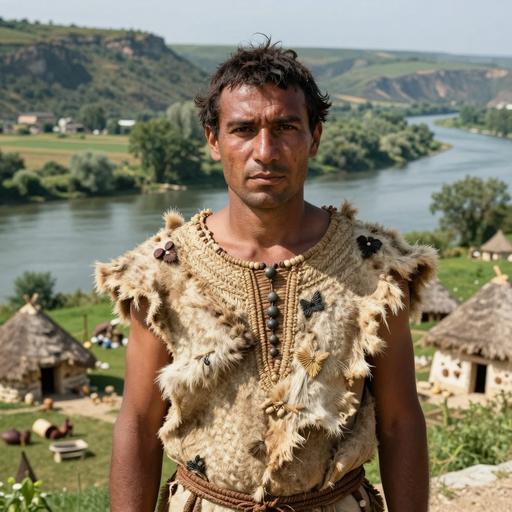
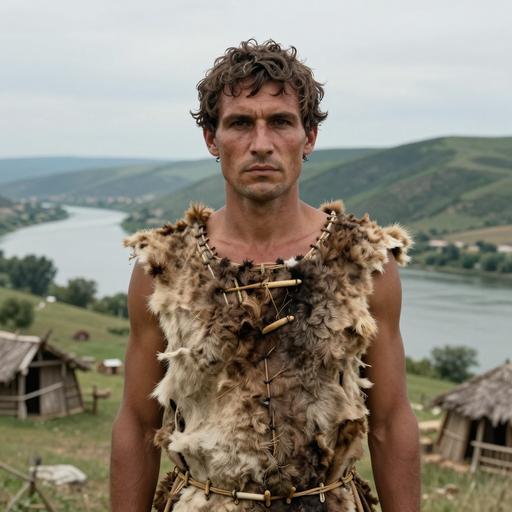
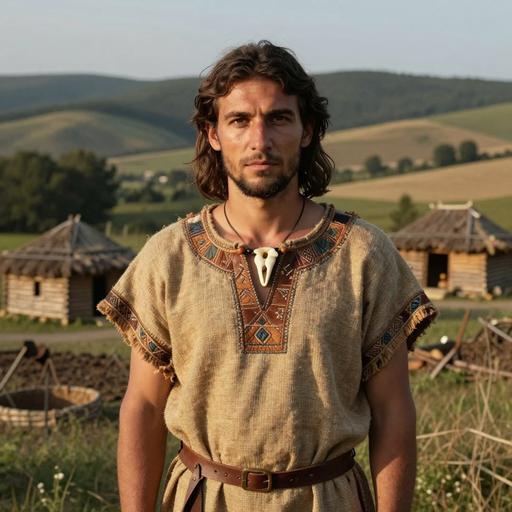
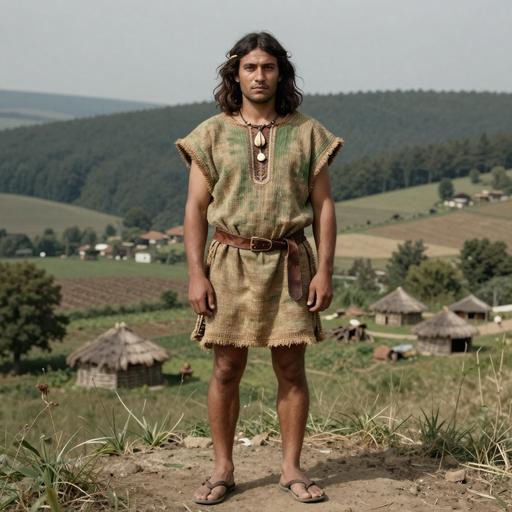
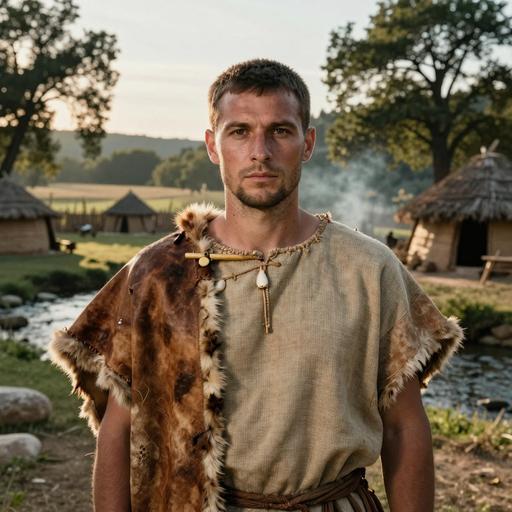
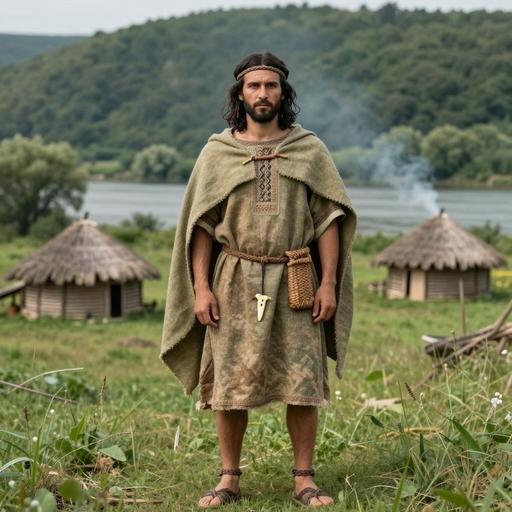
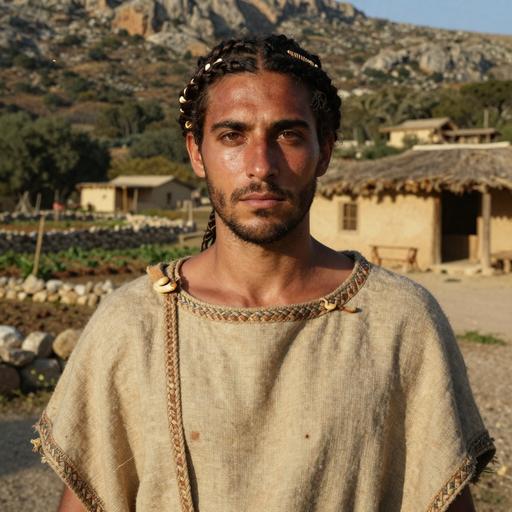
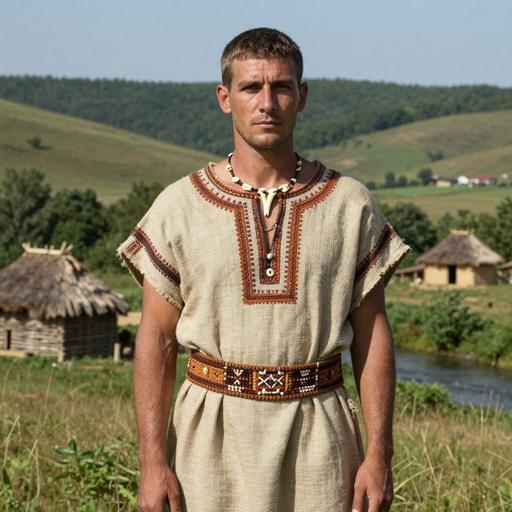
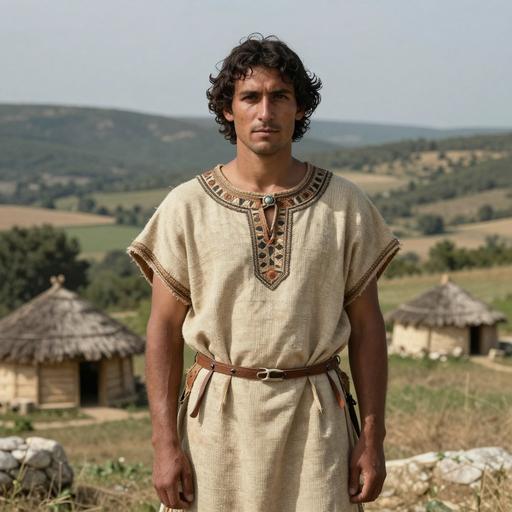
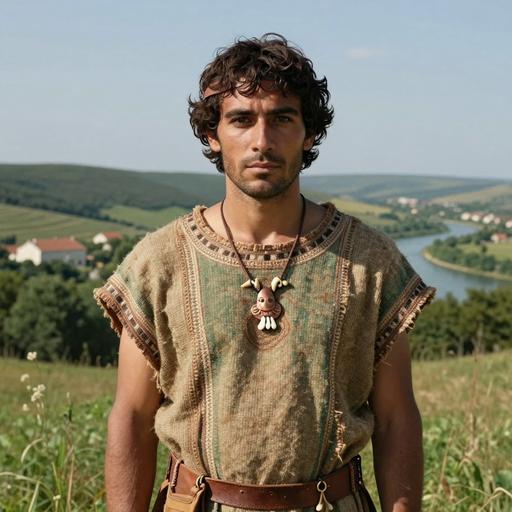
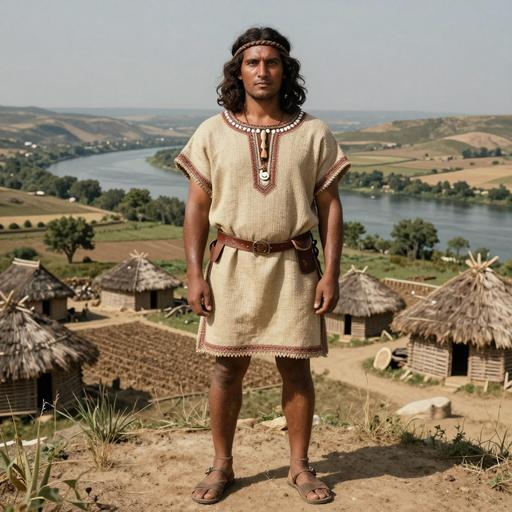
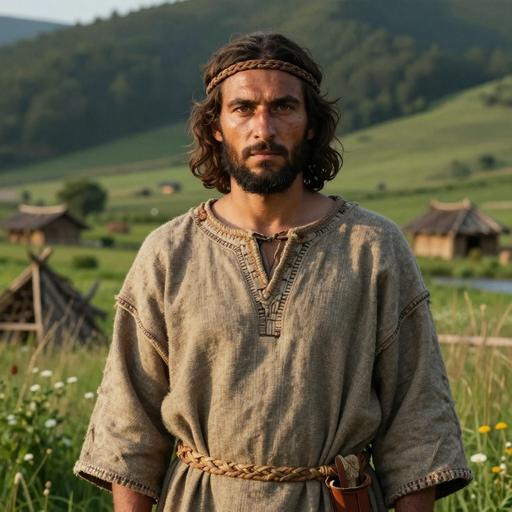
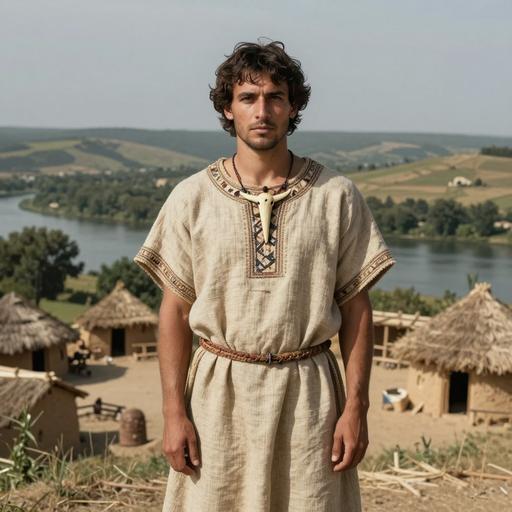
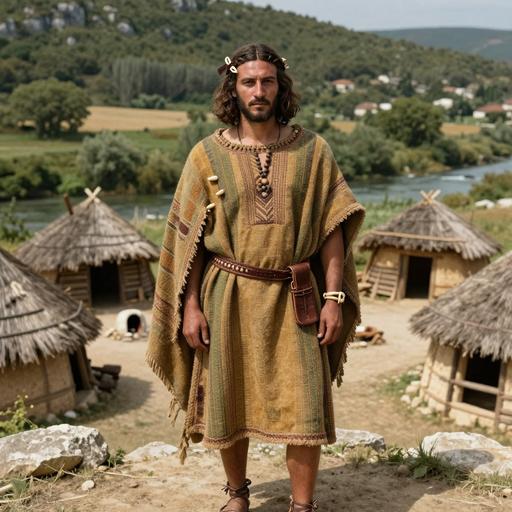
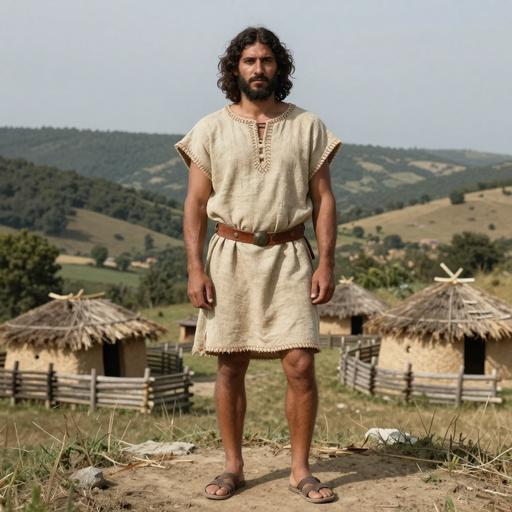
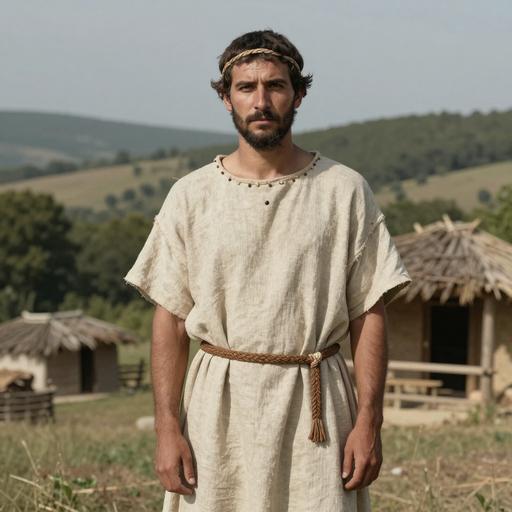
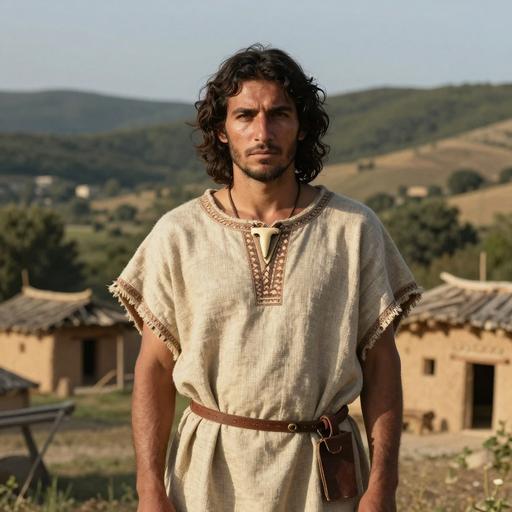
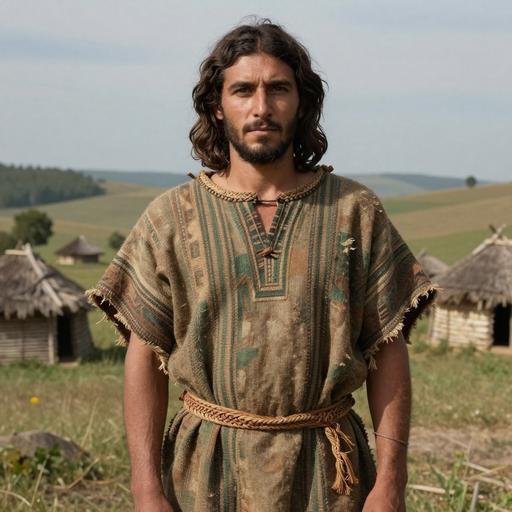
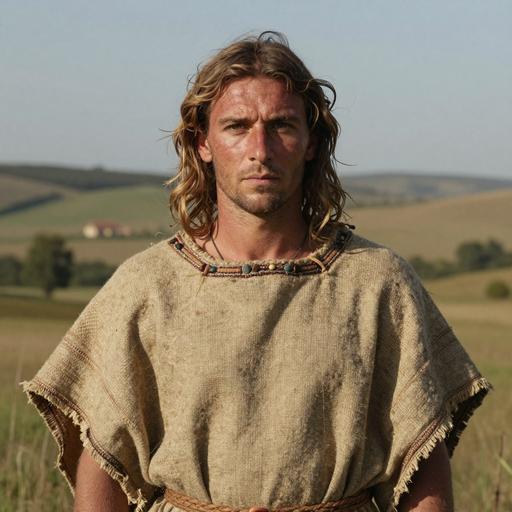
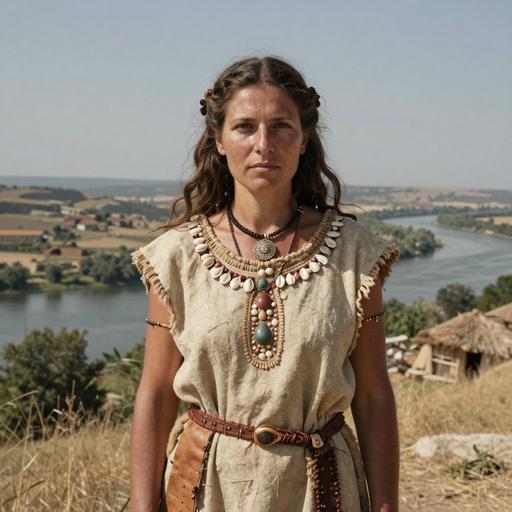
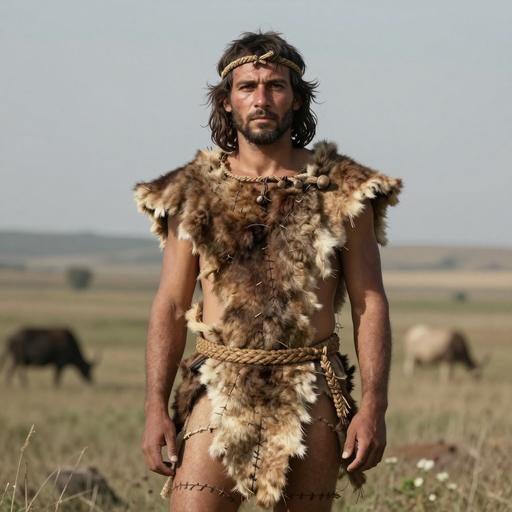
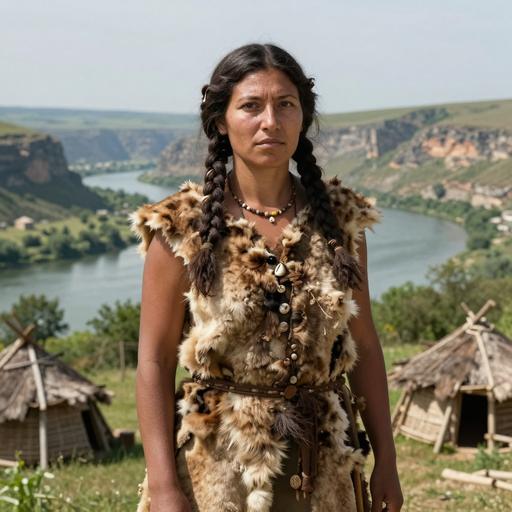
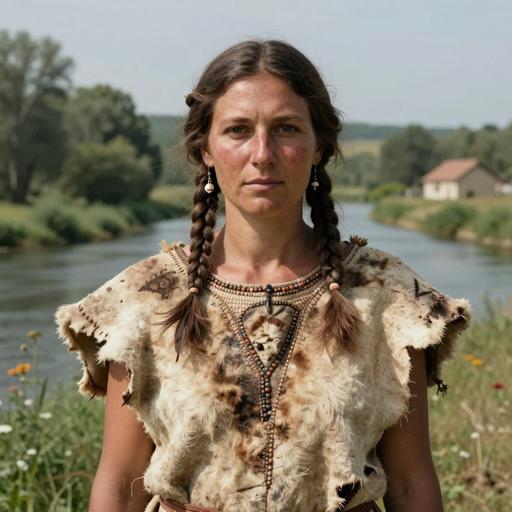
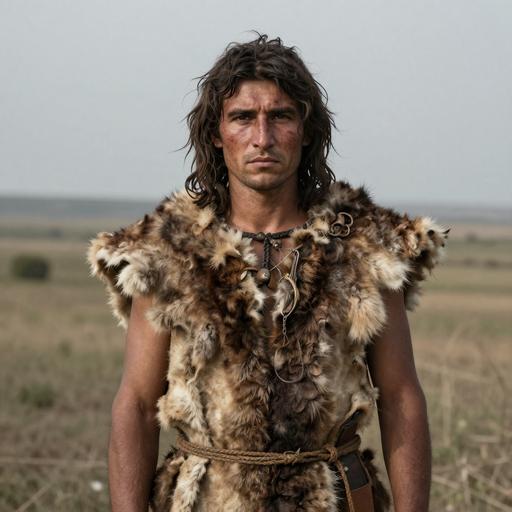
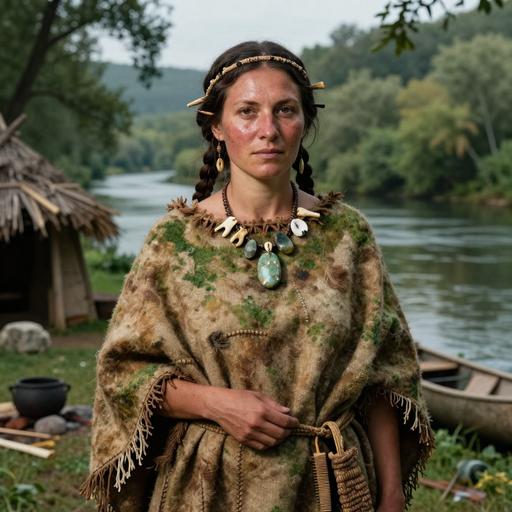
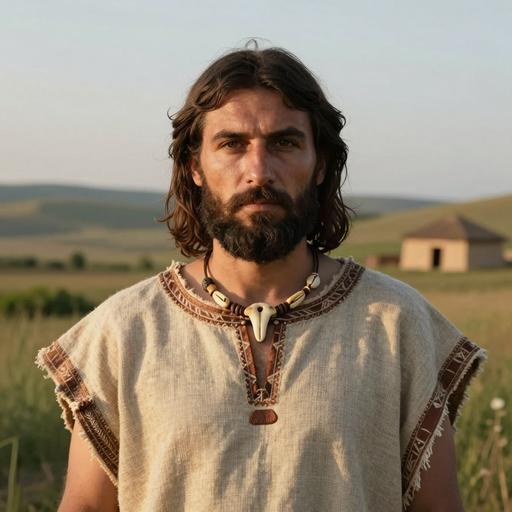
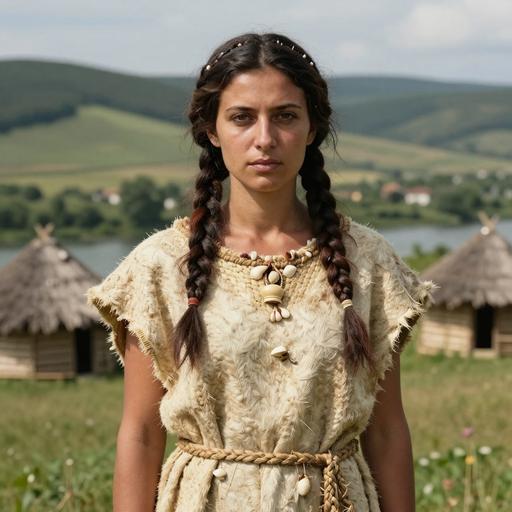
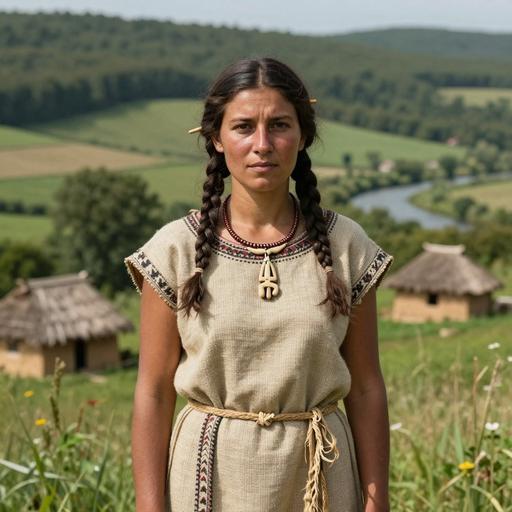
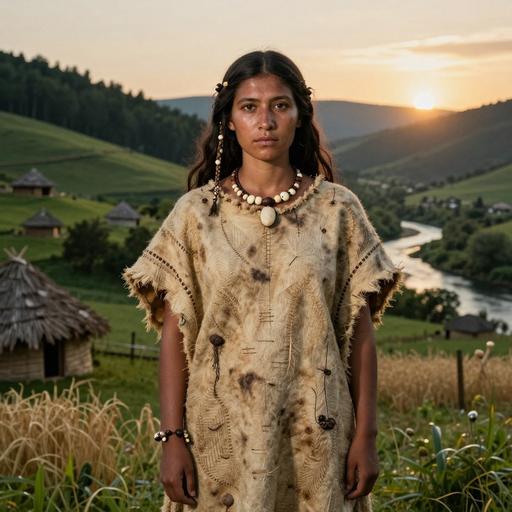
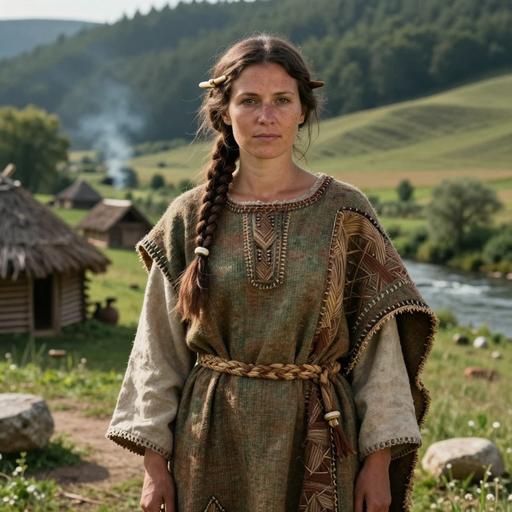
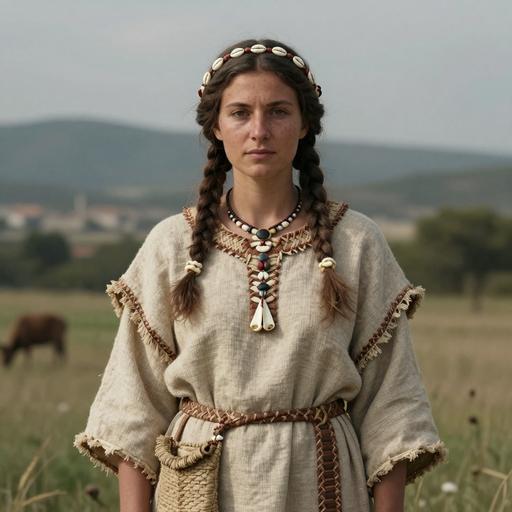
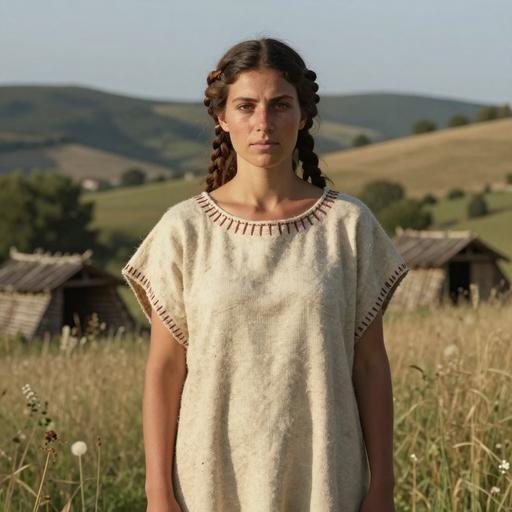
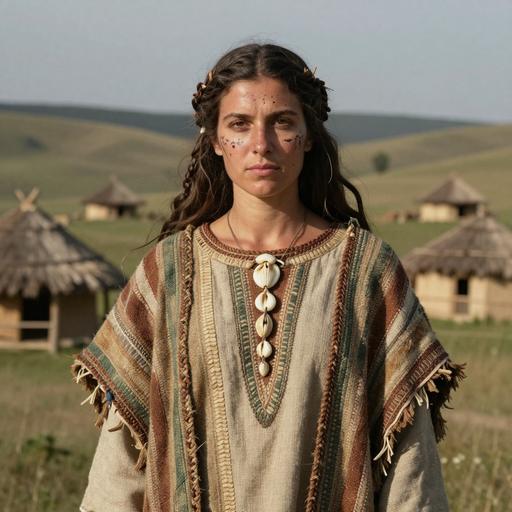
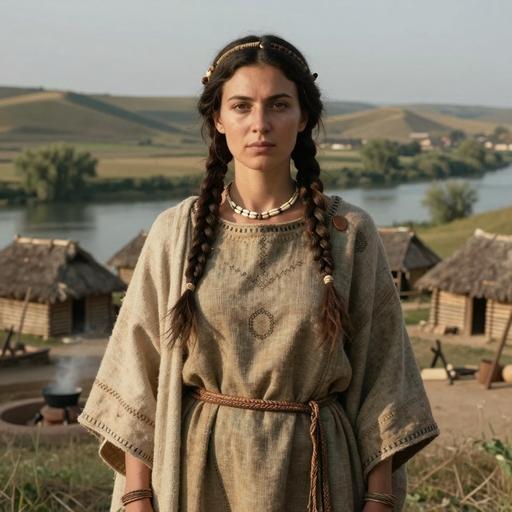
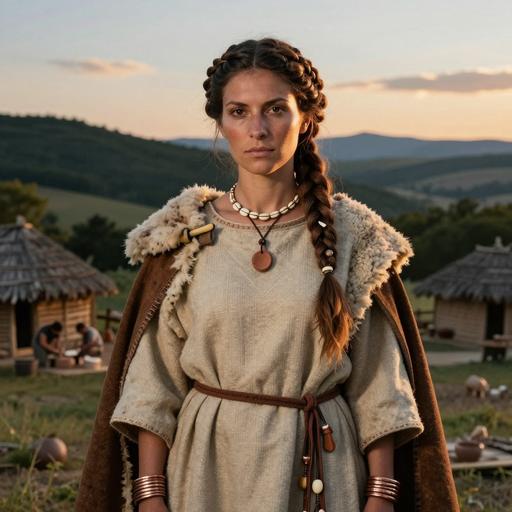
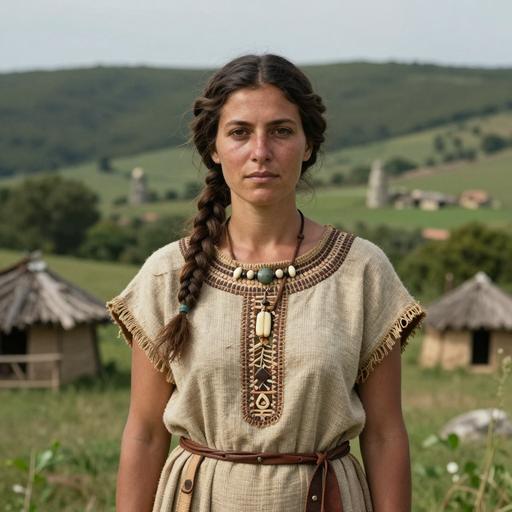
Reconstructed portrait of European Hunter-Gatherers individual, Iron Gates. Ostrovul Corbului, Romania (7,026-6,470 BCE)
Closest Match
Classical

European Hunter-Gatherers individual, Romania

Sample ID: I4582

Iron Gates. Ostrovul Corbului, Romania

Your closest genetic match from our Balkan and Southeast European reference database. This individual lived approximately 9,052 years ago in what is now Romania. This comparison shows statistical genetic similarity to reference individuals associated with the Classical period; it does not prove direct descent.

7026 BCE - 6470 BCE
Female
Full Profile
How Your 80/100 Similarity Index Was Calculated Full breakdown
Segment Matching 50% weight
100/100

Direct DNA segments shared with ancient individuals, the strongest evidence of connection.

ADMIXTURE Distance 31.25% weight
45/100

How closely your ADMIXTURE composition matches the report's reference samples.

Monte Carlo 18.75% weight
86/100

Statistical goodness-of-fit against this report's reference panel.

Top Connections

Your Closest Balkan and Southeast European Reference Individuals

Beyond your #1 match, these ancient Balkan and Southeast European peoples share the strongest genetic connections with you.

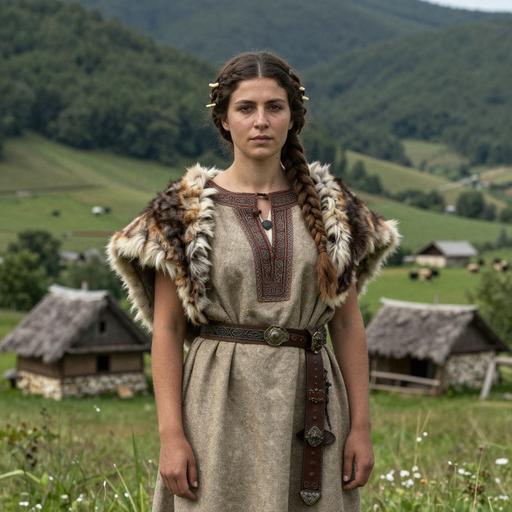
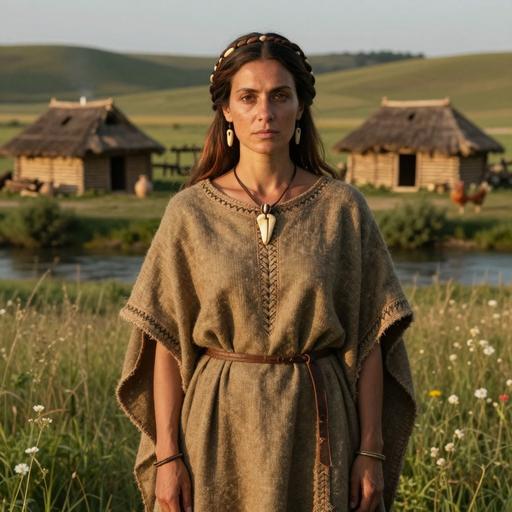
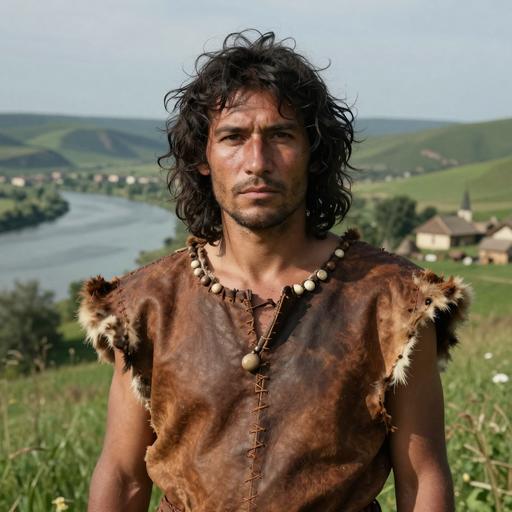
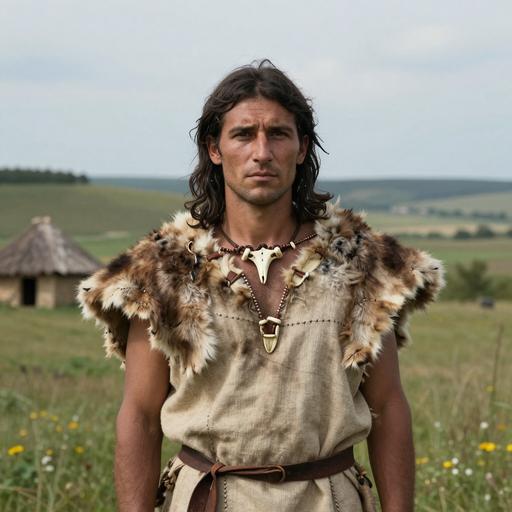
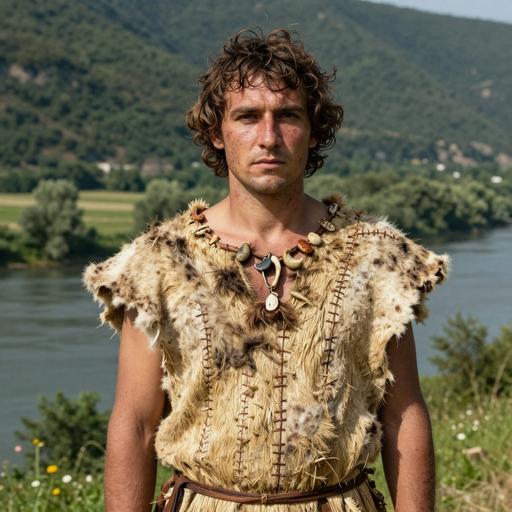
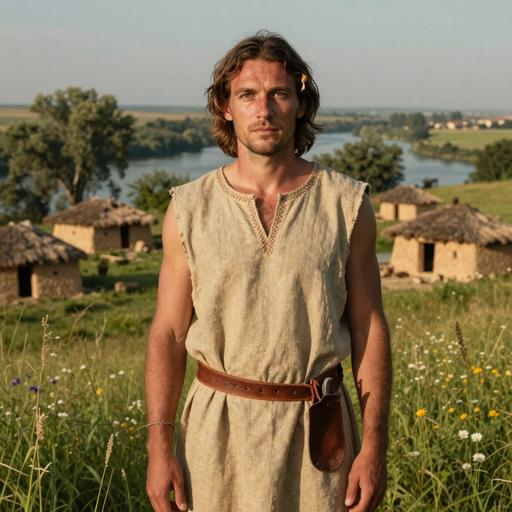
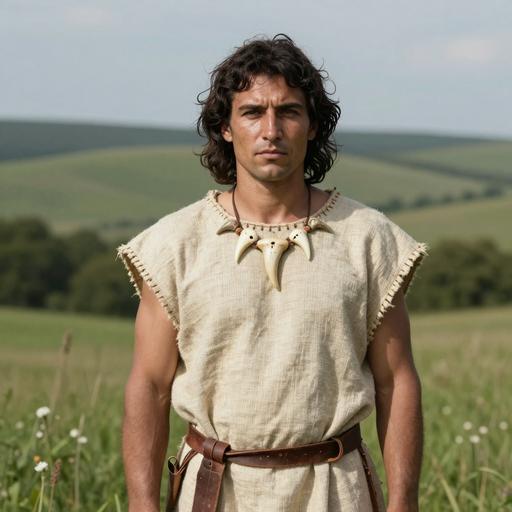
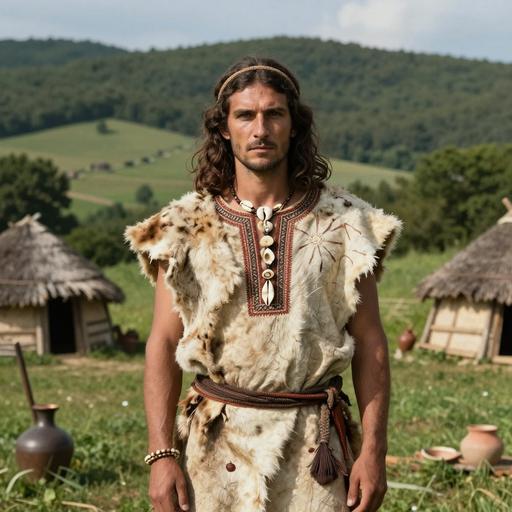
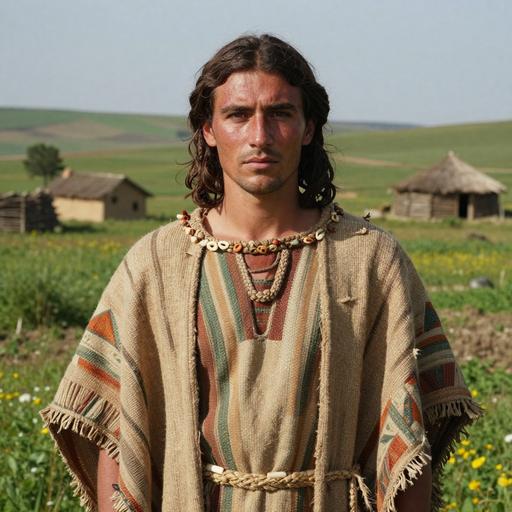
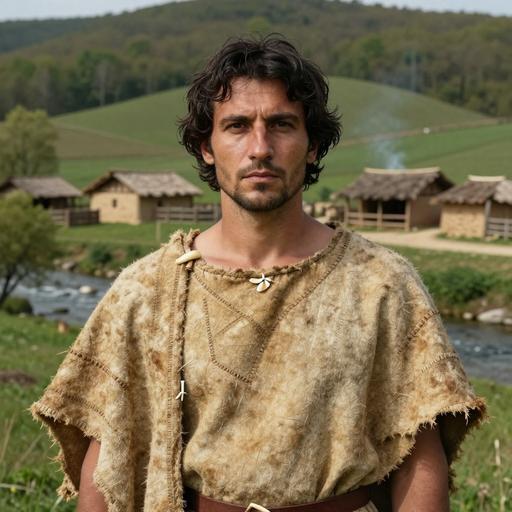
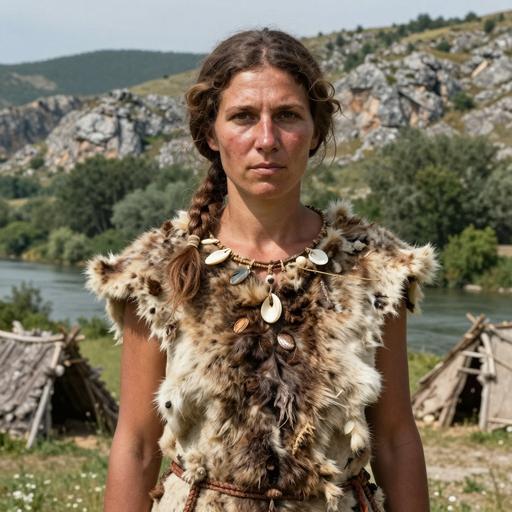
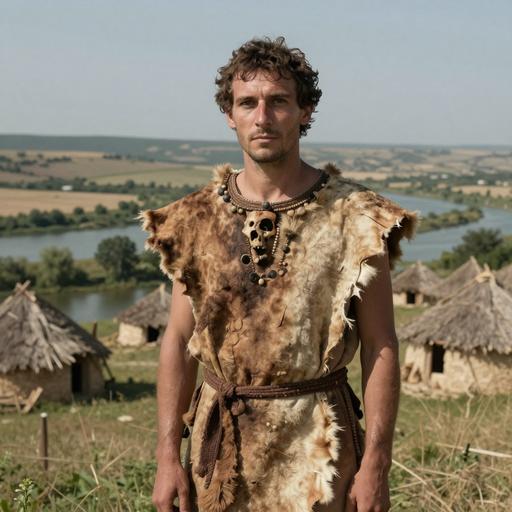
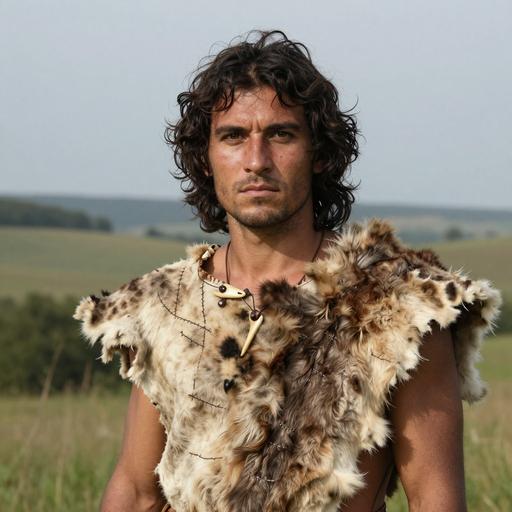
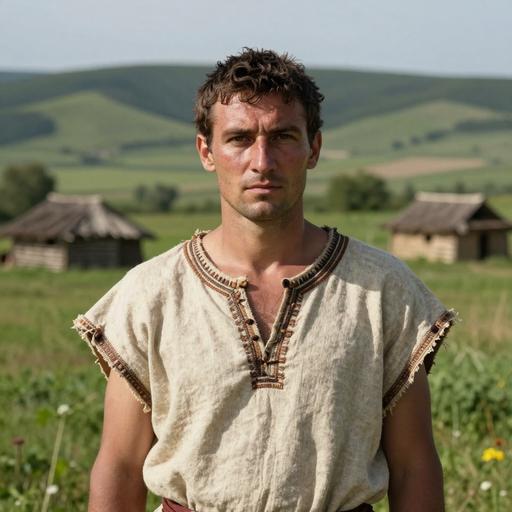
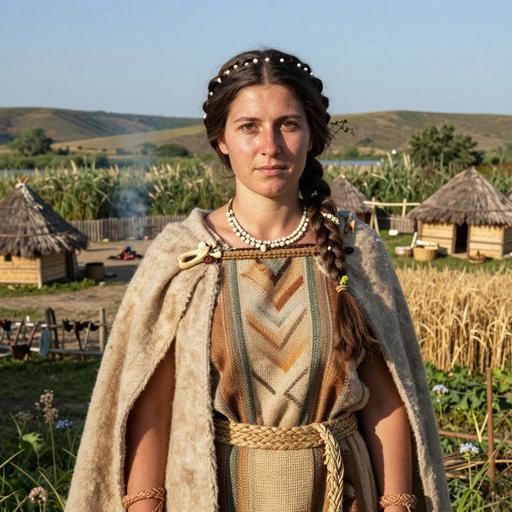
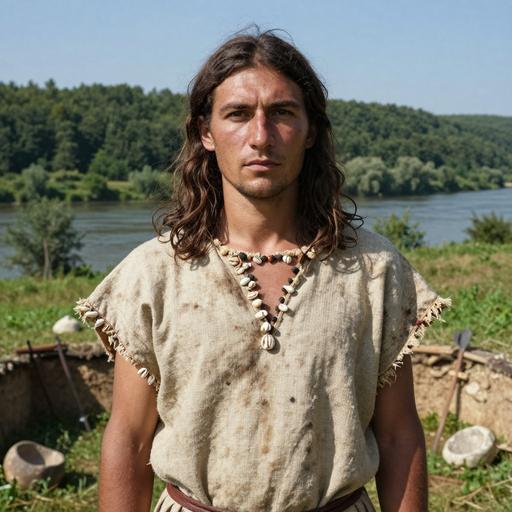
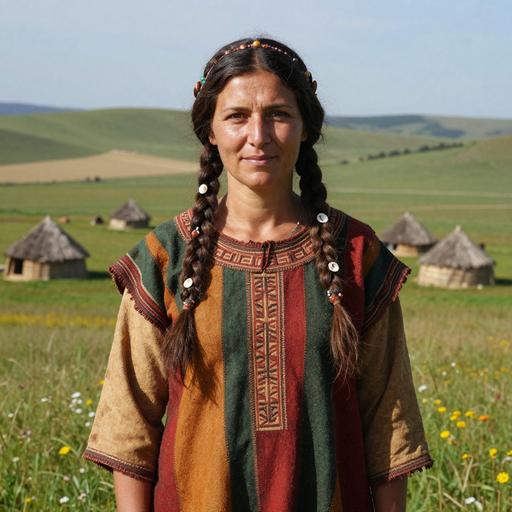
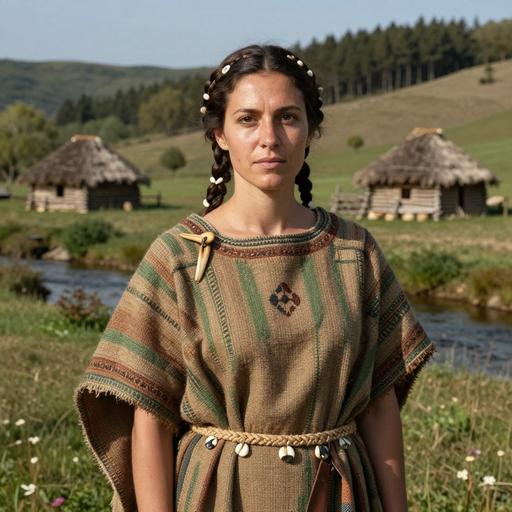
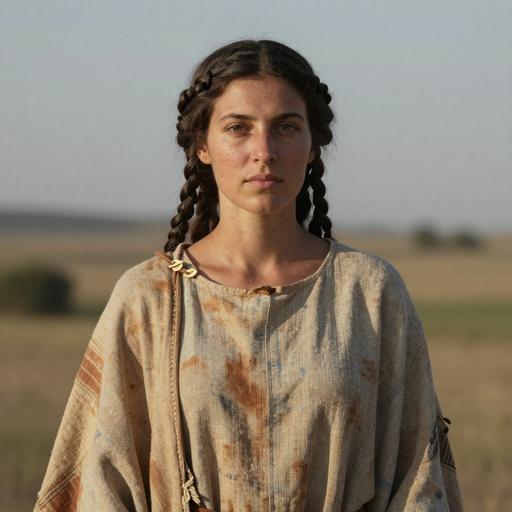
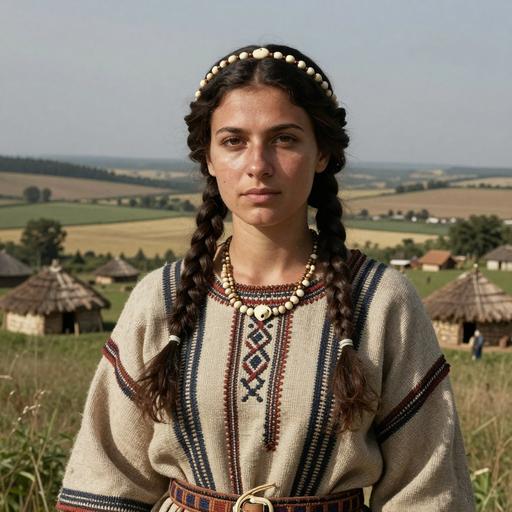
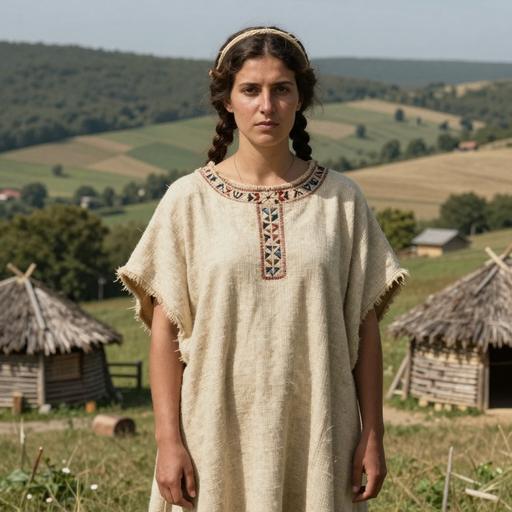
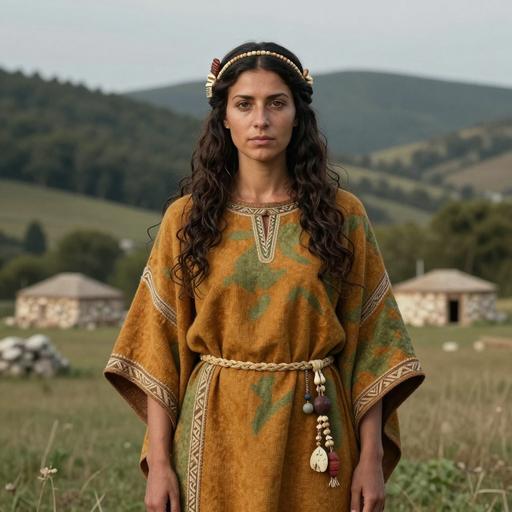
Reconstructed portrait of European Hunter-Gatherers individual, Vlasac, Serbia (9,755-9,275 BCE)
#2 Mesolithic Iron Gates, Serbia

European Hunter-Gatherers individual, Serbia

Sample ID: I4657

Serbia , Vlasac

9755 BCE ~11,781 years ago

Quick View
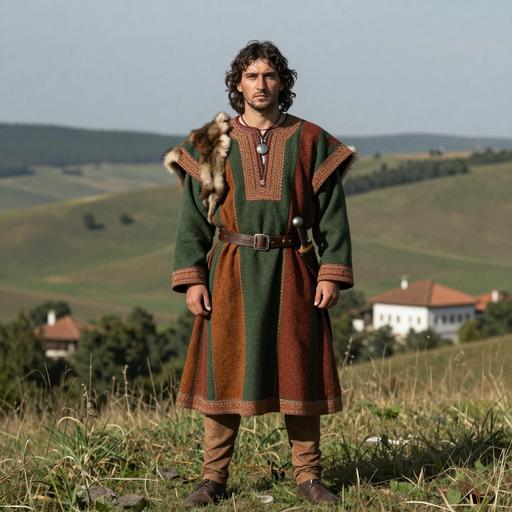
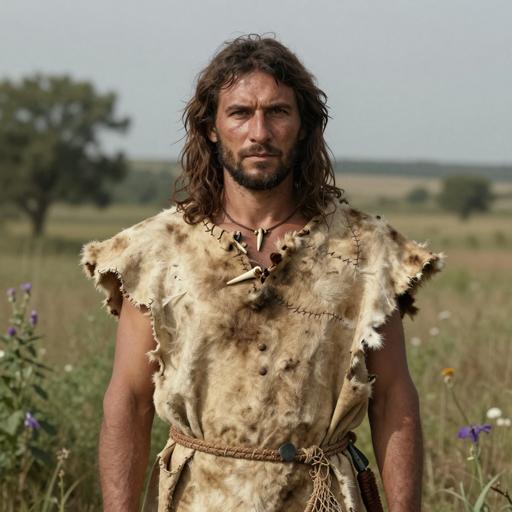
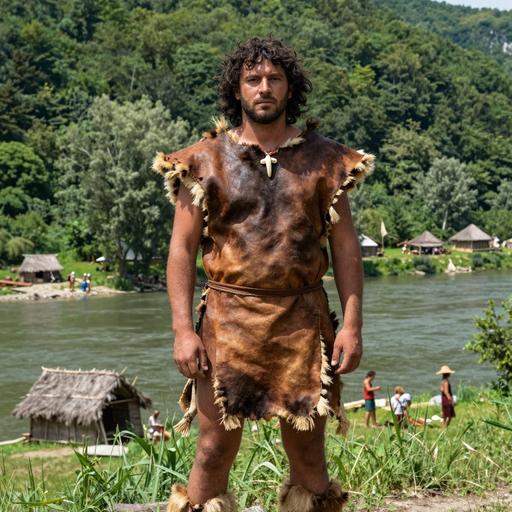
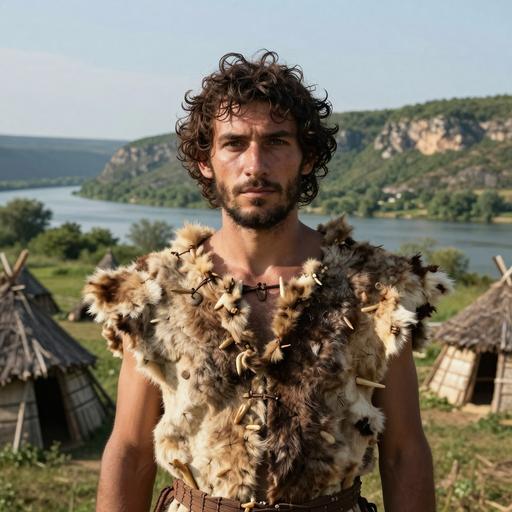
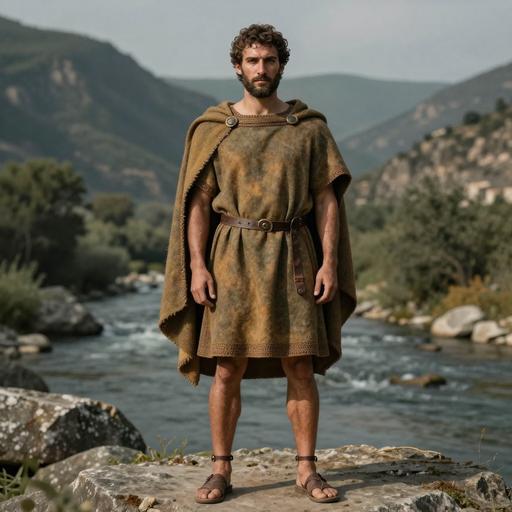
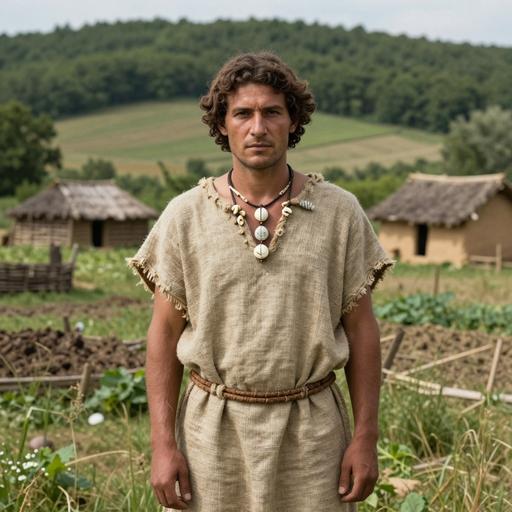
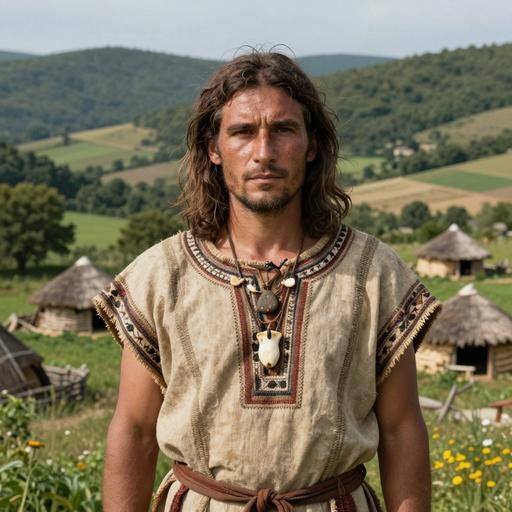
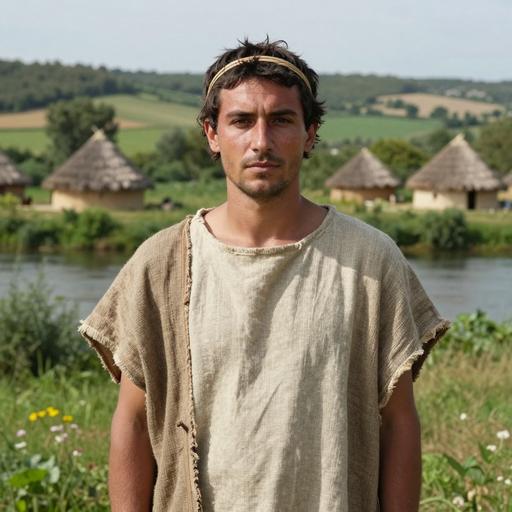
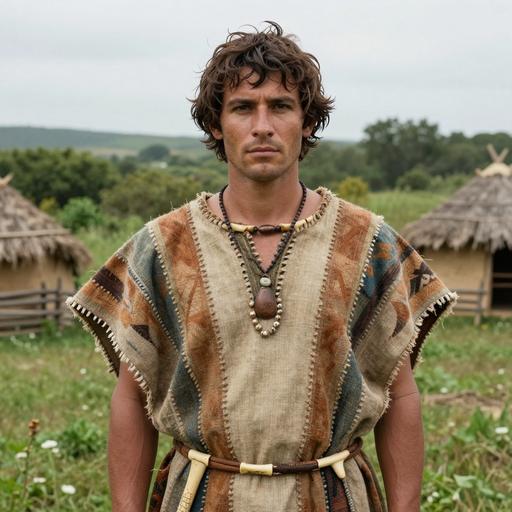
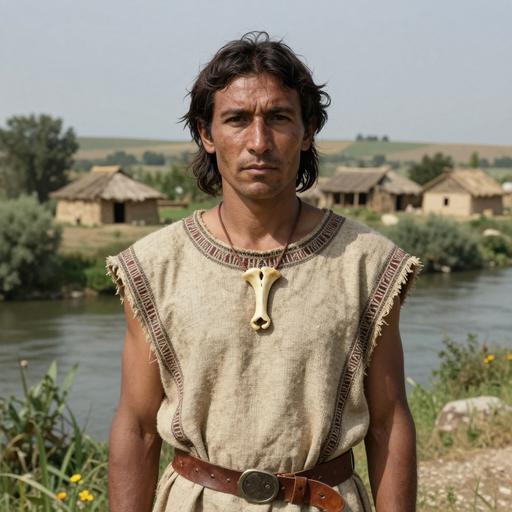
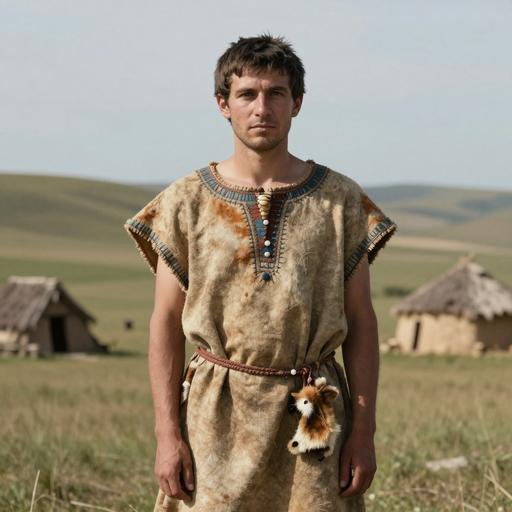
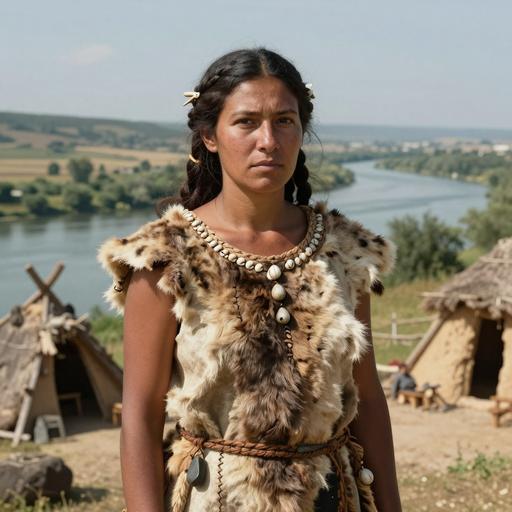
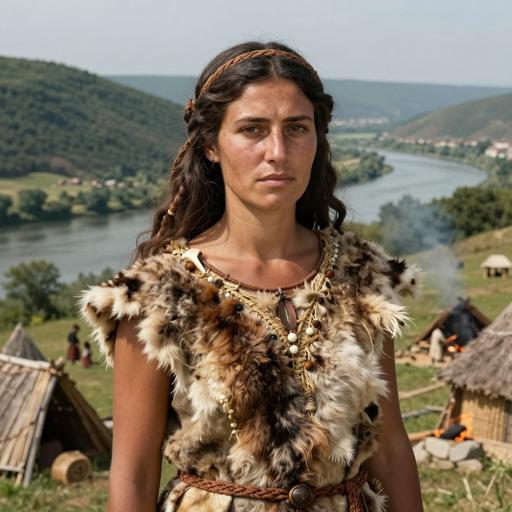
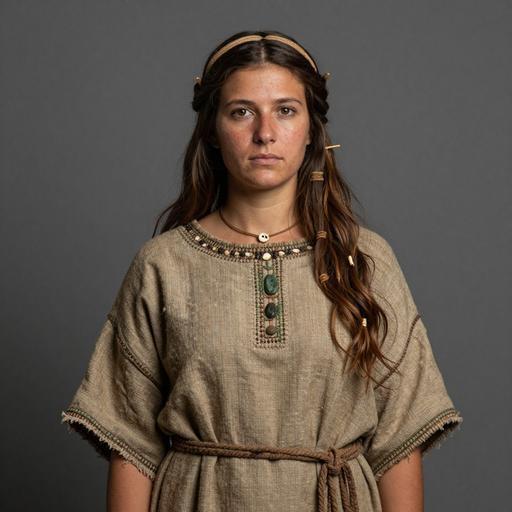
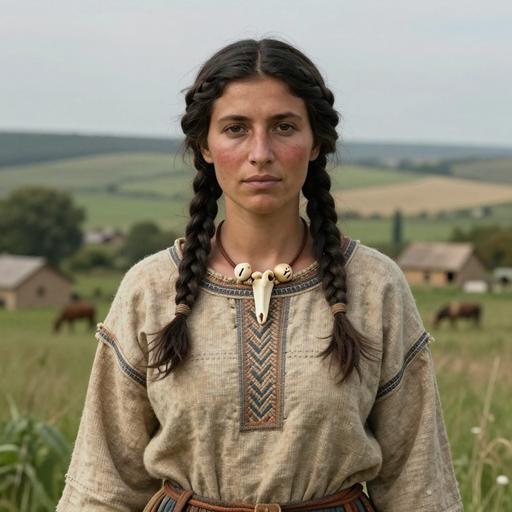
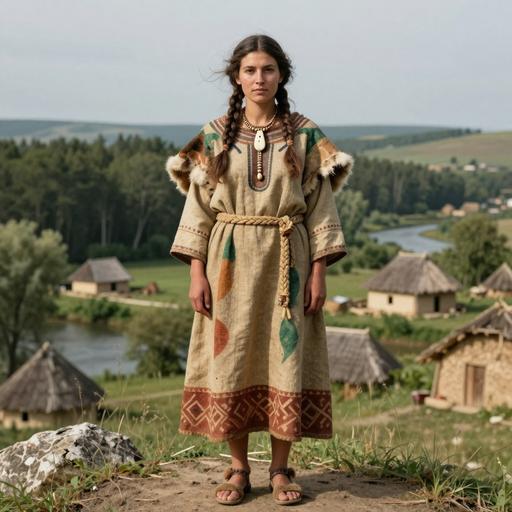
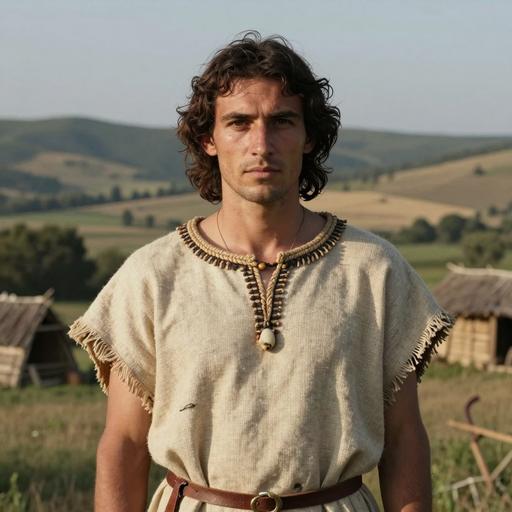
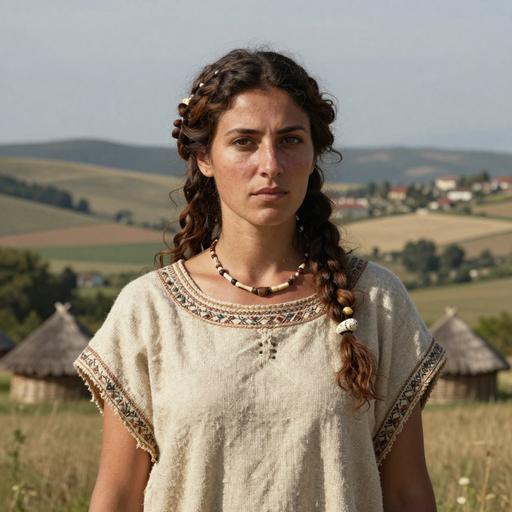
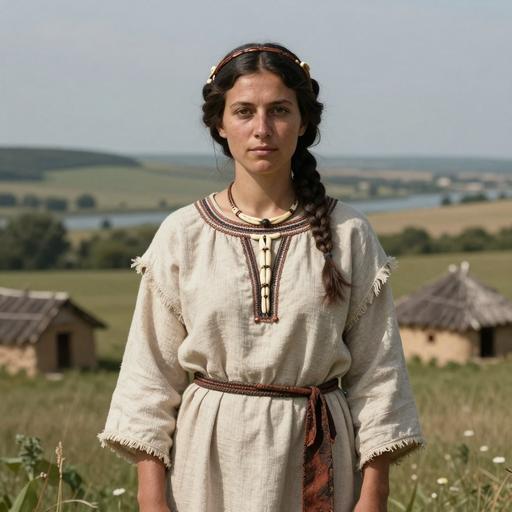
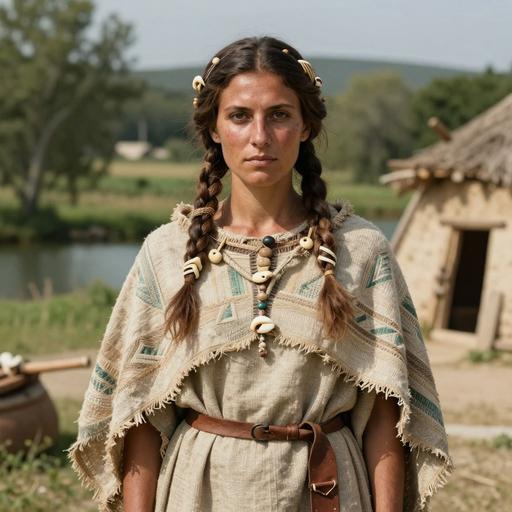
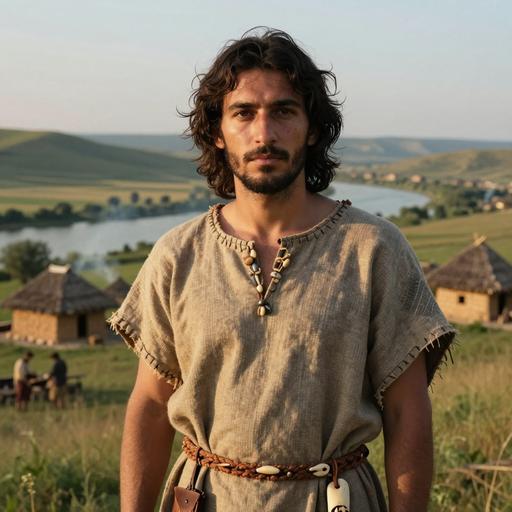
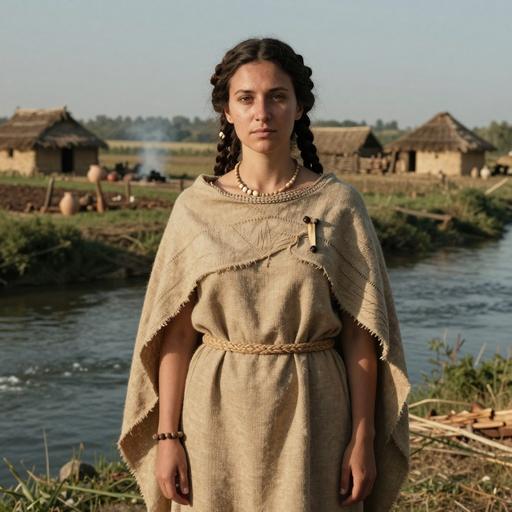
Reconstructed portrait of Late Antiquity-o Europe individual, Sisak-Pogorelec (Sisak-Moslavina County, Grad Sisak), Croatia (300-450 CE)
#3 Late Imperial Roman Croatia

Late Antiquity-o Europe individual, Croatia

Sample ID: I26761

Croatia , Sisak-Pogorelec (Sisak-Moslavina County, Grad Sisak)

300 CE ~1,726 years ago

Quick View
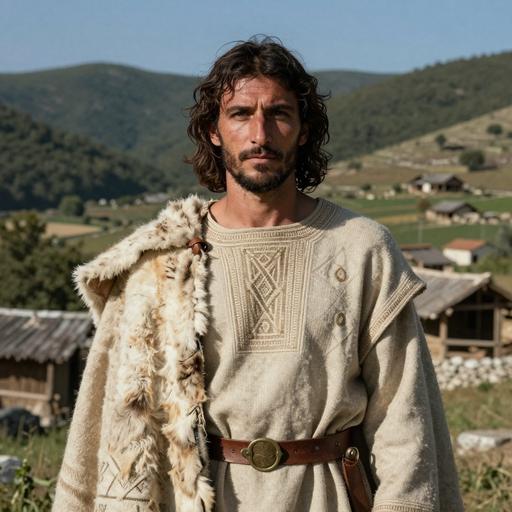
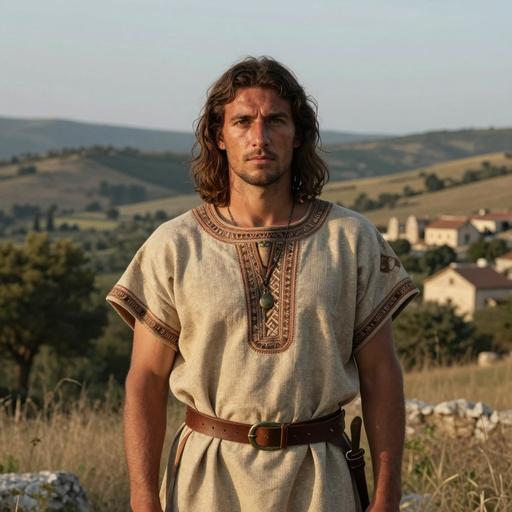
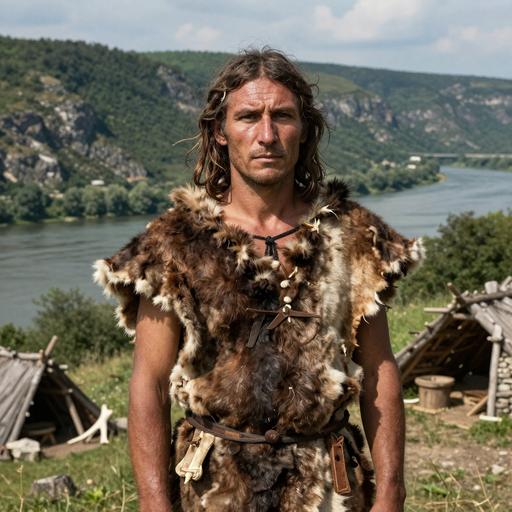
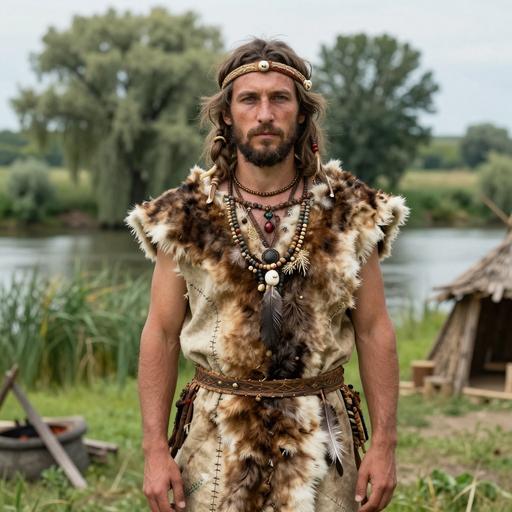
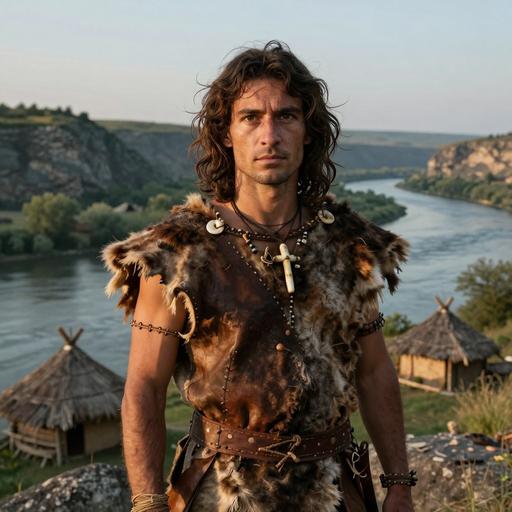
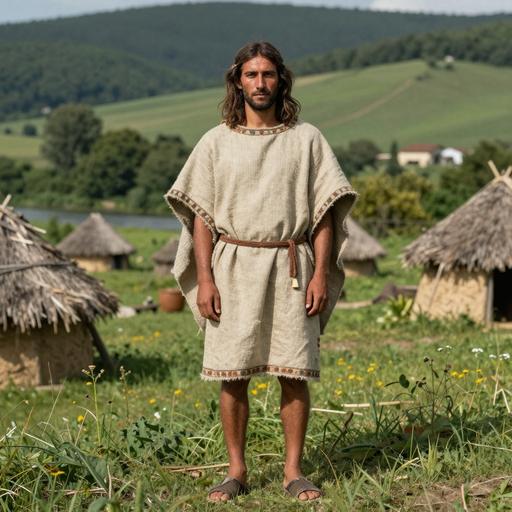
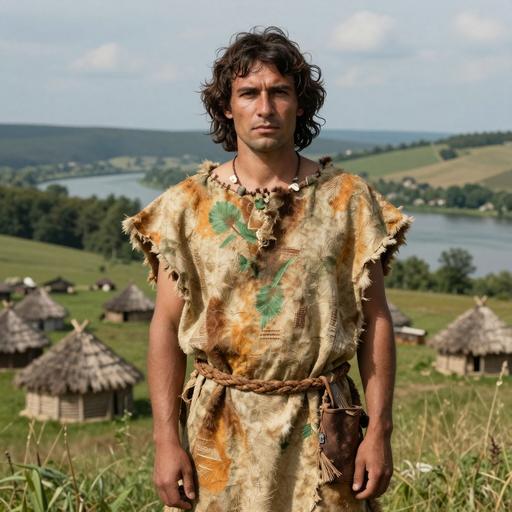
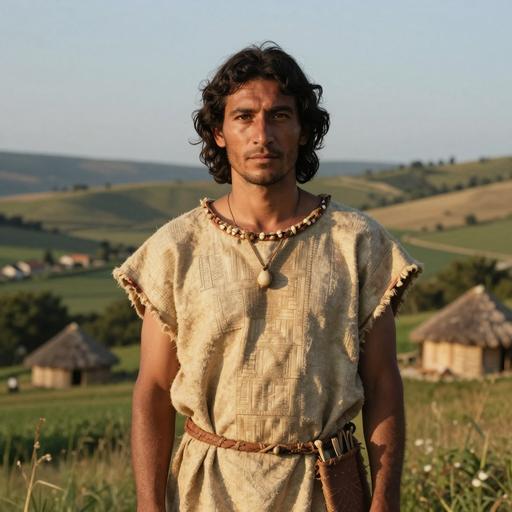
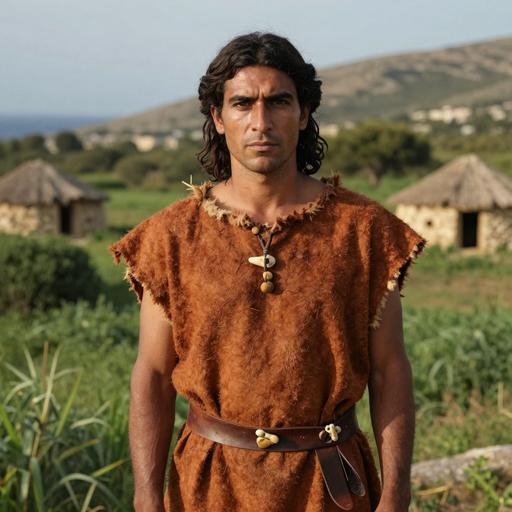
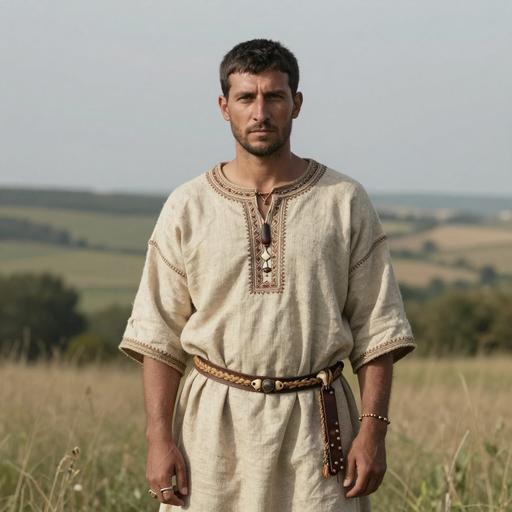
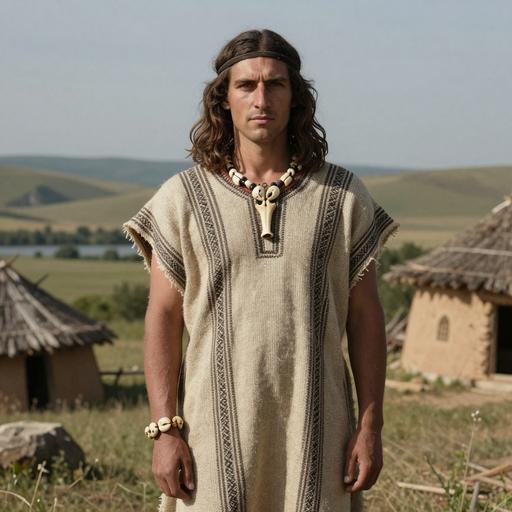
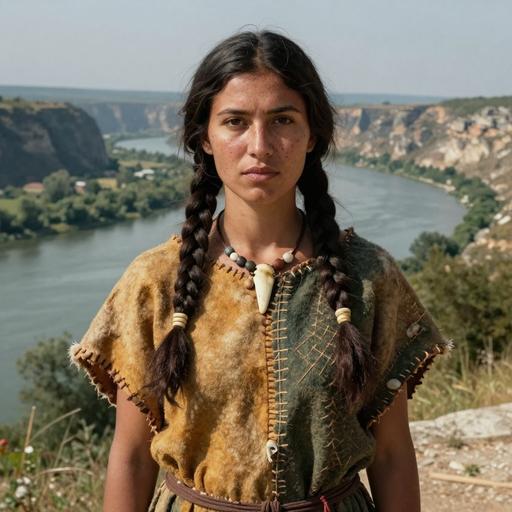
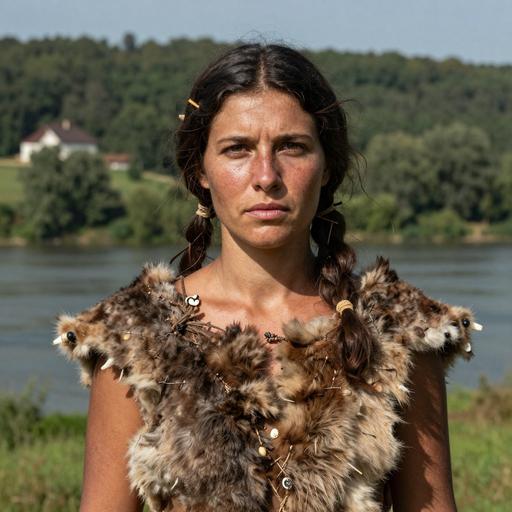
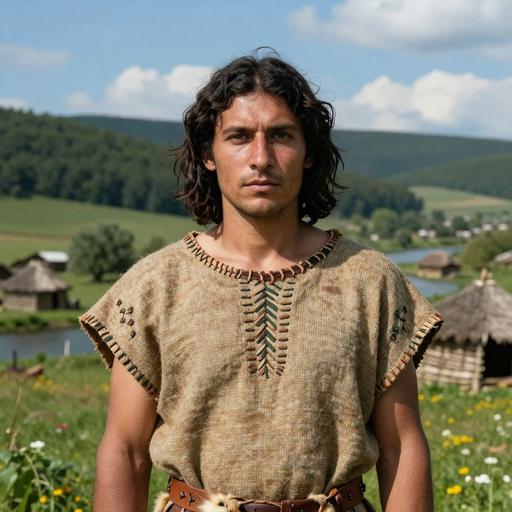
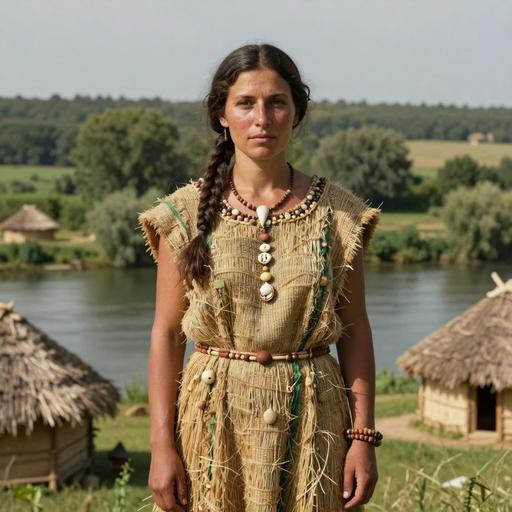
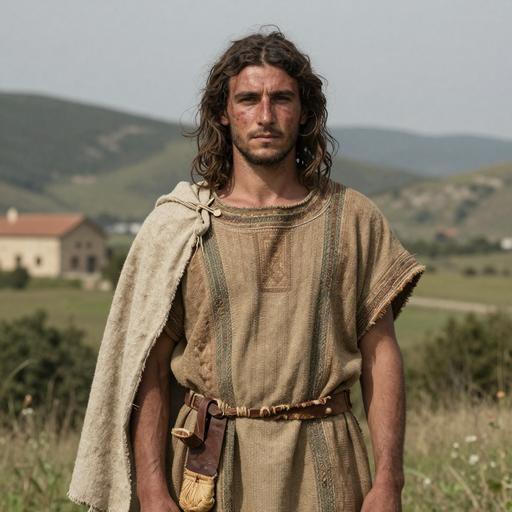
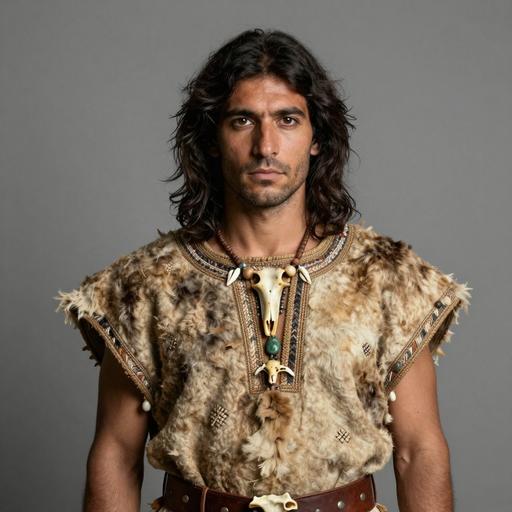
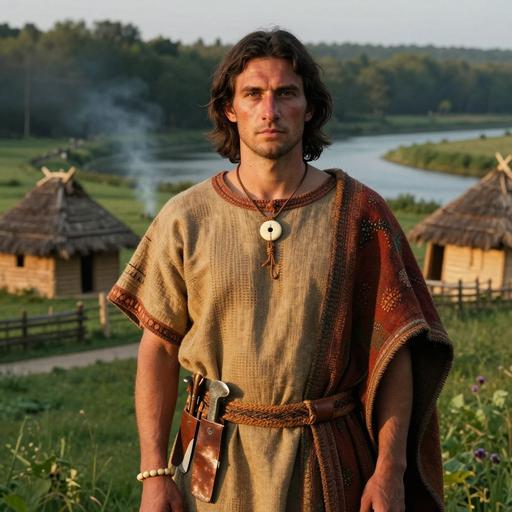
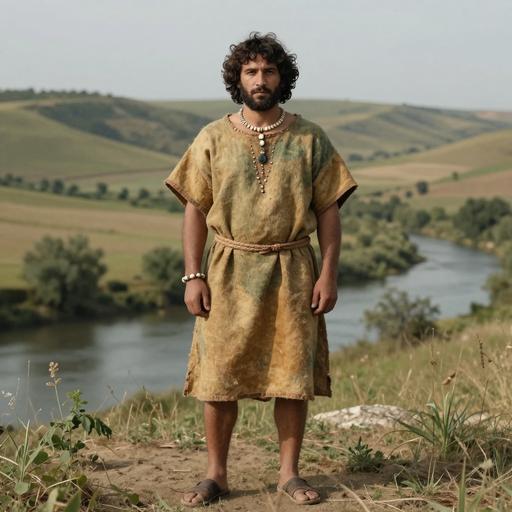
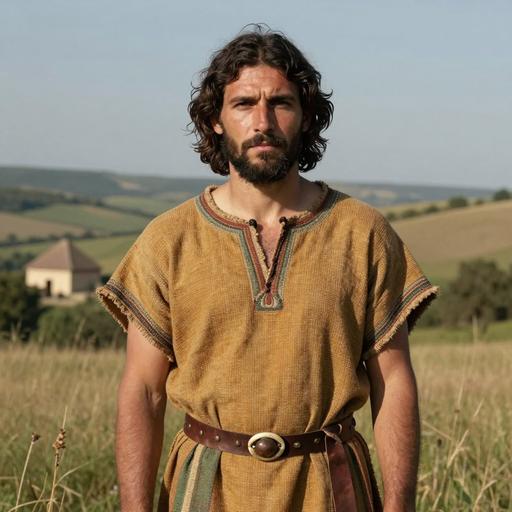
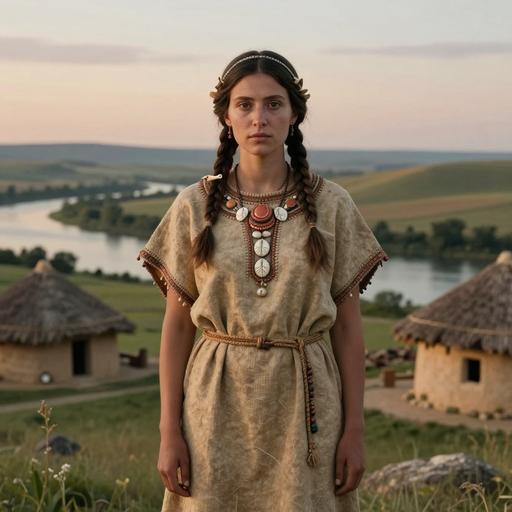
Reconstructed portrait of Imperial Roman Roman individual, Viminacium. KodKoraba, Serbia (88-212 CE)
#4 Roman Viminacium, Serbia

Imperial Roman Roman individual, Serbia

Sample ID: R6759

Serbia , Viminacium. KodKoraba

88 CE ~1,938 years ago

Quick View
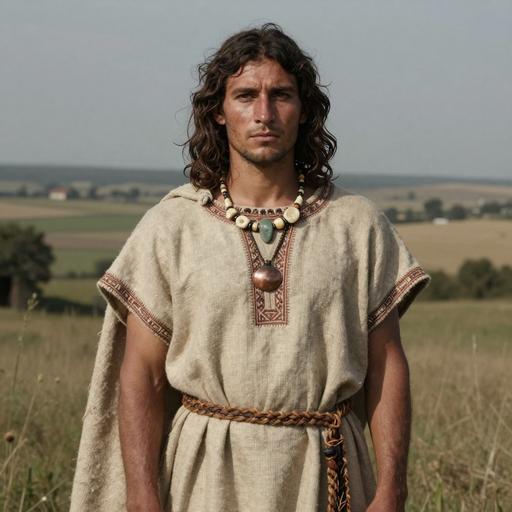
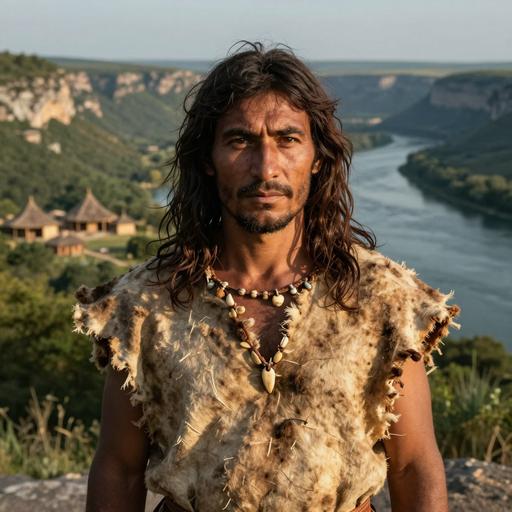
Reconstructed portrait of IUP individual, Oase Cave, Romania (39,956-35,756 BCE)
#5 Peștera cu Oase Site, Romania

IUP individual, Romania

Sample ID: Oase1

Romania , Oase Cave

39956 BCE ~41,982 years ago

Quick View
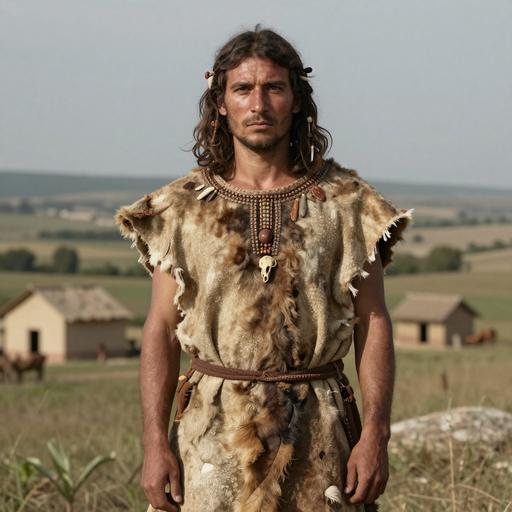
Reconstructed portrait of Medieval individual, Ploieşti Triaj, Romania (991-1,025 CE)
#6 Medieval Romania

Medieval individual, Romania

Sample ID: I10495

Romania , Ploieşti Triaj

991 CE ~1,035 years ago

Quick View
Reconstructed portrait of EBA Yamnaya individual, Corlăteni (Botoșani County, Corlăteni), Romania (3,362-2,438 BCE)
#7

EBA Yamnaya individual, Romania

Sample ID: I10478

Romania , Corlăteni (Botoșani County, Corlăteni)

3362 BCE ~5,388 years ago

Quick View
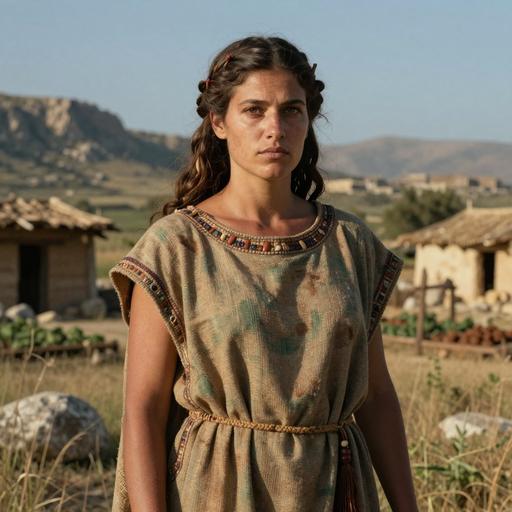
Reconstructed portrait of Imperial Roman-o Africa individual, Viminacium-Pirivoj (Braničevo District, Požarevac Municipality, Kostolac), Serbia (80-215 CE)
#8 Roman Serbia

Imperial Roman-o Africa individual, Serbia

Sample ID: I15499

Serbia , Viminacium-Pirivoj (Braničevo District, Požarevac Municipality, Kostolac)

80 CE ~1,946 years ago

Quick View
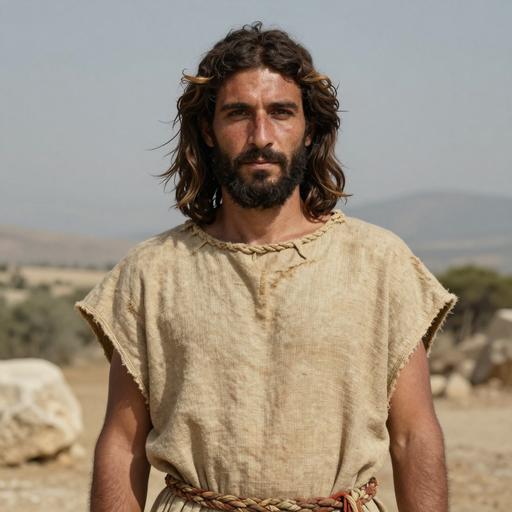
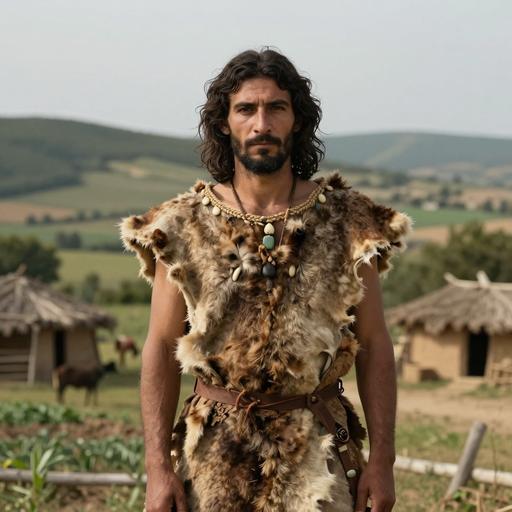
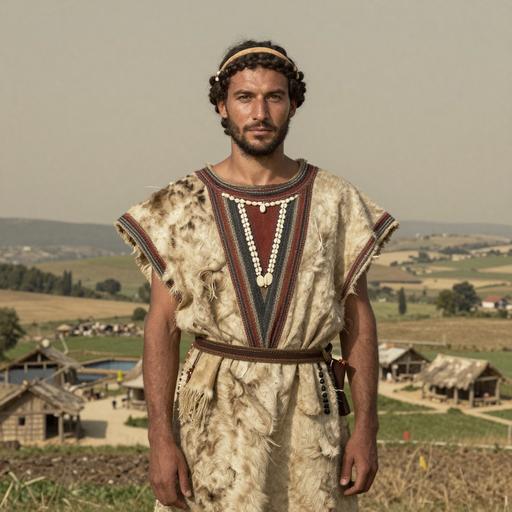
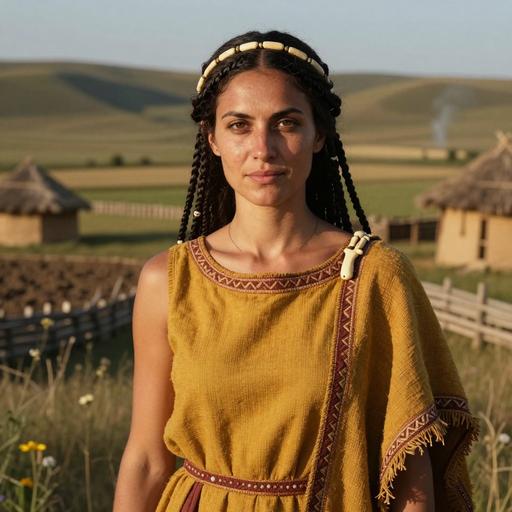
Reconstructed portrait of Illyrian individual, Velika Gruda, Montenegro (800-400 BCE)
#9 Montenegrin Iron Age

Illyrian individual, Montenegro

Sample ID: I13170

Montenegro , Velika Gruda

800 BCE ~2,826 years ago

Quick View
Geographic Origins

Where Your Ancient Matches Lived

Explore the archaeological sites across the Balkans where your genetic matches were discovered.

10 locations
Legend
Your Matches

Geographic Insight: Your matches span across 6 countries and 10 distinct archaeological sites. Click on any marker to learn more about that ancient individual.

Database

Sample Explorer

Browse the 11 ancient individuals your DNA shows genetic similarity to in this region's Monte Carlo admixture fit. When identity-by-descent (IBD) data is available, the Shared Segments column shows segment evidence. Rows are sorted by strongest segment evidence first (coverage-weighted shared SNPs), then fit-only matches. Click any row for details.

11 matched samples Sorted by strongest segment evidence
Rank Sample Location Era Date Haplogroups Shared Segments
#1
Reconstructed portrait of European Hunter-Gatherers individual, Iron Gates. Ostrovul Corbului, Romania (7,026-6,470 BCE)
European Hunter-Gatherers individual, Romania Sample ID: I4582 European Hunter-Gatherers
Romania Iron Gates. Ostrovul Corbului Mesolithic Iron Gates, Romania 7026 BCE ~9,052 yrs ago K1i 8 segs · 29.1 cM
#2
Reconstructed portrait of Imperial Roman Roman individual, Viminacium. KodKoraba, Serbia (88-212 CE)
Imperial Roman Roman individual, Serbia Sample ID: R6759 Byzantine Empire
Serbia Viminacium. KodKoraba Roman Viminacium, Serbia 88 CE ~1,938 yrs ago R-YP578 5 segs · 20.3 cM
#3
Reconstructed portrait of Medieval individual, Ploieşti Triaj, Romania (991-1,025 CE)
Medieval individual, Romania Sample ID: I10495 Byzantine Empire
Romania Ploieşti Triaj Medieval Romania 991 CE ~1,035 yrs ago U5a1 G-Y12277 1 seg · 3.8 cM
#4
Reconstructed portrait of European Hunter-Gatherers individual, Vlasac, Serbia (9,755-9,275 BCE)
European Hunter-Gatherers individual, Serbia Sample ID: I4657 European Hunter-Gatherers
Serbia Vlasac Mesolithic Iron Gates, Serbia 9755 BCE ~11,781 yrs ago K1c 1 seg · 53.7 cM Low coverage
Fit
Reconstructed portrait of EBA Yamnaya individual, Corlăteni (Botoșani County, Corlăteni), Romania (3,362-2,438 BCE)
EBA Yamnaya individual, Romania Sample ID: I10478
Romania Corlăteni (Botoșani County, Corlăteni) ROMANIA EBA YAMNAYA 3362 BCE ~5,388 yrs ago U5a1d K Fit only
Fit
Reconstructed portrait of Illyrian individual, Velika Gruda, Montenegro (800-400 BCE)
Illyrian individual, Montenegro Sample ID: I13170 Illyrian
Montenegro Velika Gruda Montenegrin Iron Age 800 BCE ~2,826 yrs ago X1'2'3 Fit only
Fit
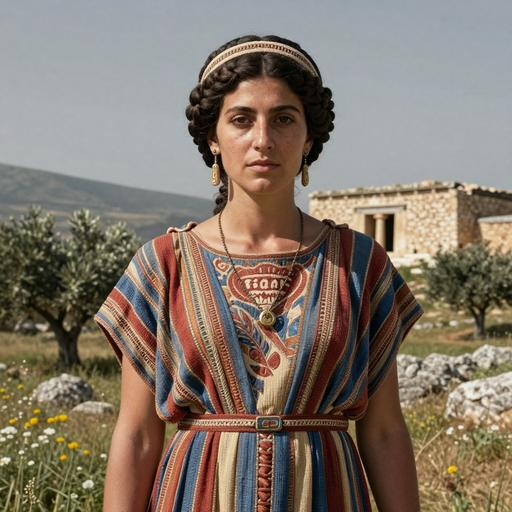
Reconstructed portrait of Kastrouli BA individual, Kastrouli (Desfina. Phokis. near Delphi), Greece (1,350-1,150 BCE)
Kastrouli BA individual, Greece Sample ID: I13433 Aegean Civilization
Greece Kastrouli (Desfina. Phokis. near Delphi) Mycenaean Greece 1350 BCE ~3,376 yrs ago U3b1 Fit only
Fit
Reconstructed portrait of Imperial Roman-o Africa individual, Viminacium-Pirivoj (Braničevo District, Požarevac Municipality, Kostolac), Serbia (80-215 CE)
Imperial Roman-o Africa individual, Serbia Sample ID: I15499 Roman
Serbia Viminacium-Pirivoj (Braničevo District, Požarevac Municipality, Kostolac) Roman Serbia 80 CE ~1,946 yrs ago L2a1j E-V32 Fit only
Fit
Reconstructed portrait of Cinamak IA individual, Norteastern. Kukes District. Çinamak, Albania (600-400 BCE)
Cinamak IA individual, Albania Sample ID: I17640 Illyrian
Albania Norteastern. Kukes District. Çinamak The Transition to Iron Age in Albania 600 BCE ~2,626 yrs ago Fit only
Fit
Reconstructed portrait of Late Antiquity-o Europe individual, Sisak-Pogorelec (Sisak-Moslavina County, Grad Sisak), Croatia (300-450 CE)
Late Antiquity-o Europe individual, Croatia Sample ID: I26761 Roman Empire
Croatia Sisak-Pogorelec (Sisak-Moslavina County, Grad Sisak) Late Imperial Roman Croatia 300 CE ~1,726 yrs ago T2b34 Fit only
Fit
Reconstructed portrait of IUP individual, Oase Cave, Romania (39,956-35,756 BCE)
IUP individual, Romania Sample ID: Oase1 European Paleolithic
Romania Oase Cave Peștera cu Oase Site, Romania 39956 BCE ~41,982 yrs ago N* K-M2308 Fit only
Archaeological Cultures

Your Connection to Ancient Balkan and Southeast European Cultures

Explore the major archaeological cultures of the Balkans and discover which ones your DNA connects you to most strongly.

Roman Provincial Balkans

146 BCE-400 CE

Roman administration organized the Balkan and Aegean world into provinces such as Macedonia, Moesia, Pannonia, Dacia, and Thracia, bringing new roads, cities, and population movement that connected the region to the wider Mediterranean and Near Eastern world.

Cultural Match 76.4/100
7 matches

Your score shows strong statistical similarity to reference samples associated with this cultural group.

Byzantine and Medieval Southeast Europe

400-1500 CE

The medieval Balkans were shaped by the Byzantine Empire, successive Slavic-speaking polities including the Bulgarian and Serbian medieval states, and later Ottoman expansion, a long period of shifting frontiers, migration, and cultural exchange across the region.

Cultural Match 32.7/100
3 matches

Your score shows moderate statistical similarity to reference samples associated with this culture.

Illyrian and Dacian Iron Age

1100 BCE-106 CE

Illyrian communities along the western and central Balkan coast and interior, and Dacian and Getae communities in the Carpathian and lower Danube region, developed distinct Iron Age material cultures before their territories were incorporated into the Roman provincial system.

Cultural Match 21.8/100
2 matches

Your score shows limited statistical similarity to this Balkan and Southeast European reference group.

Mycenaean and Minoan Aegean

3000-1100 BCE

The Bronze Age Aegean was home to the Minoan civilization on Crete and the later Mycenaean palatial societies of mainland Greece, whose trade networks, writing systems, and monumental architecture shaped the wider eastern Mediterranean world.

Cultural Match 10.9/100
1 match

Your score shows limited statistical similarity to this Balkan and Southeast European reference group.

Culture assignments are based on the archaeological context and era classifications of your matched ancient DNA samples. These connections reflect genetic similarities to populations associated with specific archaeological cultures in the Balkans.

Genetic Continuity

Your Ancestral Story

Understanding what your genetic connections reveal about your Balkan and Southeast European ancestry.

Your strongest regional connections fall within historical connections.

28.5 %

Early Foundations

Mesolithic & Neolithic

10,000 BCE - 4,500 BCE

This group combines fit-weighted genetic-similarity scores for the relevant cultural periods.

8.8 %

Formative Transformations

Chalcolithic & Bronze Age & Iron Age

4,500 BCE - 146 BCE

This group combines fit-weighted genetic-similarity scores for the relevant cultural periods.

Strongest
49.0 %

Historical Connections

Classical & Medieval

146 BCE - 1,500 CE

This group combines fit-weighted genetic-similarity scores for the relevant cultural periods.

What This Means

Your genetic profile tells a story of continuity and change. While some populations maintained genetic continuity over thousands of years, migrations and cultural exchanges brought new genetic signatures that shaped the modern Balkan and Southeast European gene pool. Your results reflect this rich tapestry of population movements and interactions.

Cultural Periods

Your Balkan and Southeast European Timeline

Your genetic connections to 7 major periods of Balkan and Southeast European history, from prehistoric to medieval.

Your Balkan and Southeast European Ancient Matches Through Time

10,000 BCE — 1,500 CE | 10 ancient connections across 11+ millennia

Mesolithic 28.5/100
Neolithic 0.0/100
Chalcolithic 0.0/100
Bronze Age 6.6/100
Iron Age 2.2/100
Classical 49.0/100
Medieval 0.0/100
10,000 BCE
7,125 BCE
4,250 BCE
1,375 BCE
1,500 CE
Reconstructed portrait of European Hunter-Gatherers individual, Vlasac, Serbia (9,755-9,275 BCE)
European Hunter-Ga...
European Hunter-Gatherers individual, Serbia 9755 BCE Mesolithic Iron Gates, Serbia
Reconstructed portrait of European Hunter-Gatherers individual, Vlasac, Serbia (9,755-9,275 BCE)
European Hunter-Gatherers individual, Serbia 9755 BCE Mesolithic Iron Gates, Serbia
Reconstructed portrait of European Hunter-Gatherers individual, Iron Gates. Ostrovul Corbului, Romania (7,026-6,470 BCE)
European Hunter-Ga...
European Hunter-Gatherers individual, Romania 7026 BCE Mesolithic Iron Gates, Romania
Reconstructed portrait of European Hunter-Gatherers individual, Iron Gates. Ostrovul Corbului, Romania (7,026-6,470 BCE)
European Hunter-Gatherers individual, Romania 7026 BCE Mesolithic Iron Gates, Romania
Reconstructed portrait of EBA Yamnaya individual, Corlăteni (Botoșani County, Corlăteni), Romania (3,362-2,438 BCE)
EBA Yamnaya indivi...
EBA Yamnaya individual, Romania 3362 BCE
Reconstructed portrait of EBA Yamnaya individual, Corlăteni (Botoșani County, Corlăteni), Romania (3,362-2,438 BCE)
EBA Yamnaya individual, Romania 3362 BCE
Reconstructed portrait of Kastrouli BA individual, Kastrouli (Desfina. Phokis. near Delphi), Greece (1,350-1,150 BCE)
Kastrouli BA indiv...
Kastrouli BA individual, Greece 1350 BCE Mycenaean Greece
Reconstructed portrait of Kastrouli BA individual, Kastrouli (Desfina. Phokis. near Delphi), Greece (1,350-1,150 BCE)
Kastrouli BA individual, Greece 1350 BCE Mycenaean Greece
Reconstructed portrait of Illyrian individual, Velika Gruda, Montenegro (800-400 BCE)
Illyrian individua...
Illyrian individual, Montenegro 800 BCE Montenegrin Iron Age
Reconstructed portrait of Illyrian individual, Velika Gruda, Montenegro (800-400 BCE)
Illyrian individual, Montenegro 800 BCE Montenegrin Iron Age
Reconstructed portrait of Cinamak IA individual, Norteastern. Kukes District. Çinamak, Albania (600-400 BCE)
Cinamak IA individ...
Cinamak IA individual, Albania 600 BCE The Transition to Iron Age in Albania
Reconstructed portrait of Cinamak IA individual, Norteastern. Kukes District. Çinamak, Albania (600-400 BCE)
Cinamak IA individual, Albania 600 BCE The Transition to Iron Age in Albania
Reconstructed portrait of Imperial Roman-o Africa individual, Viminacium-Pirivoj (Braničevo District, Požarevac Municipality, Kostolac), Serbia (80-215 CE)
Imperial Roman-o A...
Imperial Roman-o Africa individual, Serbia 80 CE Roman Serbia
Reconstructed portrait of Imperial Roman-o Africa individual, Viminacium-Pirivoj (Braničevo District, Požarevac Municipality, Kostolac), Serbia (80-215 CE)
Imperial Roman-o Africa individual, Serbia 80 CE Roman Serbia
Reconstructed portrait of Imperial Roman Roman individual, Viminacium. KodKoraba, Serbia (88-212 CE)
Imperial Roman Rom...
Imperial Roman Roman individual, Serbia 88 CE Roman Viminacium, Serbia
Reconstructed portrait of Imperial Roman Roman individual, Viminacium. KodKoraba, Serbia (88-212 CE)
Imperial Roman Roman individual, Serbia 88 CE Roman Viminacium, Serbia
Reconstructed portrait of Late Antiquity-o Europe individual, Sisak-Pogorelec (Sisak-Moslavina County, Grad Sisak), Croatia (300-450 CE)
Late Antiquity-o E...
Late Antiquity-o Europe individual, Croatia 300 CE Late Imperial Roman Croatia
Reconstructed portrait of Late Antiquity-o Europe individual, Sisak-Pogorelec (Sisak-Moslavina County, Grad Sisak), Croatia (300-450 CE)
Late Antiquity-o Europe individual, Croatia 300 CE Late Imperial Roman Croatia
Reconstructed portrait of Medieval individual, Ploieşti Triaj, Romania (991-1,025 CE)
Medieval individua...
Medieval individual, Romania 991 CE Medieval Romania
Reconstructed portrait of Medieval individual, Ploieşti Triaj, Romania (991-1,025 CE)
Medieval individual, Romania 991 CE Medieval Romania
Classical 49.0/100 affinity
Mesolithic 28.5/100 affinity
Bronze Age 6.6/100 affinity
Iron Age 2.2/100 affinity
Neolithic 0.0/100 affinity
Chalcolithic 0.0/100 affinity
Medieval 0.0/100 affinity
Through the Ages

Your Balkan and Southeast European Journey Through Time

Each era below represents a chapter of balkan and southeast european history

1 connection

Romania IronGates Mesolithic

Mesolithic

The term Iron Gates Mesolithic refers to Mesolithic lifeways in the Iron Gates area—where the Danube and its tributaries cut through the Carpathians—linking riverine resources with upland hunting grounds. Archaeological sequences in this landscape reflect a long post-glacial recovery period, with progressively stabilizing climates and ecosystems.

1 Sample
1 Country
~9,052 Years Ago
9,500 BCE - 7,000 BCE Period
Genetic Signatures
K1i 1
Regions Represented
Romania (1)
1 connection

Serbia IronGates Mesolithic

Mesolithic

Overview

The Iron Gates Mesolithic in Serbia (c. 9500–6200 BCE) describes communities who lived primarily through hunting, fishing, and gathering along the Danube corridor. Archaeological patterns associated with the Iron Gates complex provide evidence for how foragers adapted over many generations as climate and habitats changed.

1 Sample
1 Country
~11,781 Years Ago
9,500 BCE - 6,200 BCE Period
Genetic Signatures
K1c 1
Regions Represented
Serbia (1)
1 connection

Late Imperial Roman Croatia

Classical

Region & Environment

During the late third and early fifth centuries, Croatia’s river valleys, coastal routes, and upland margins offered varied opportunities for settlement and provisioning. These landscapes supported agricultural production and connections to broader Mediterranean networks.

1 Sample
1 Country
~1,726 Years Ago
284 CE - 476 CE Period
Genetic Signatures
T2b34 1
Regions Represented
Croatia (1)
1 connection

Roman Viminacium, Serbia

Classical

Viminacium stood on the middle Danube in what is now eastern Serbia, in a setting defined by river transport, nearby agricultural lands, and the strategic needs of frontier defense. As a large Roman center, it helped organize movement and supply through one of Europe’s most important waterways.

1 Sample
1 Country
~1,938 Years Ago
100 CE - 400 CE Period
Genetic Signatures
R-YP578 1
Regions Represented
Serbia (1)
1 connection

Peștera cu Oase Site, Romania

Classical

Overview

Peștera cu Oase is a Romanian cave site attributed to the early Upper Paleolithic horizon labeled Peștera cu Oase. Occupation took place during the later part of the Pleistocene, when glacial climates and ecological shifts influenced human mobility.

1 Sample
1 Country
~41,982 Years Ago
42,000 BCE - 37,000 BCE Period
Genetic Signatures
K-M2308 1 N* 1
Regions Represented
Romania (1)
1 connection

Romania Medieval

Classical

Medieval Romania refers to the centuries in which communities across the Carpathian region and adjacent zones participated in wider Eastern European transformations. Rather than a single state or uniform culture, the period is marked by changing authorities, economic networks, and archaeological signatures of daily life.

1 Sample
1 Country
~1,035 Years Ago
500 CE - 1,500 CE Period
Genetic Signatures
G-Y12277 1 U5a1 1
Regions Represented
Romania (1)
1 connection

Romania EBA Yamnaya

BronzeAge

Region & Environment

In Romania, communities during the Late Early Bronze Age operated across varied landscapes, including open areas suitable for herding and passages connecting plains and uplands. Such geography would have supported a mixed economy in which pasture and wild resources complemented cultivation where soils and water permitted.

1 Sample
1 Country
~5,388 Years Ago
2,800 BCE - 2,200 BCE Period
Genetic Signatures
K 1 U5a1d 1
Regions Represented
Romania (1)
1 connection

Serbia Roman

Classical

Region & Environment

Roman-era communities in the region of modern Serbia operated in a landscape defined by the Danube and its tributaries, fertile river valleys, uplands, and communication corridors that connected inland areas with the Danube routes. Climatic and environmental conditions supported mixed farming, while major rivers facilitated transport and exchange.

1 Sample
1 Country
~1,946 Years Ago
15 CE - 400 CE Period
Genetic Signatures
E-V32 1 L2a1j 1
Regions Represented
Serbia (1)
1 connection

Montenegro IA

IronAge

Overview

Montenegro IA covers the Iron Age in the western Balkans, a period when local communities associated with Illyrian cultural traditions navigated changing political and economic conditions. Archaeological evidence from this era helps explain how people adapted to regional networks while maintaining recognizable styles in tools, weapons, and domestic material.

1 Sample
1 Country
~2,826 Years Ago
800 BCE - 100 BCE Period
Genetic Signatures
X1'2'3 1
Regions Represented
Montenegro (1)
1 connection

The Transition to Iron Age in Albania

BronzeAge

Region & Environment

In the western Balkans, the study region of Albania includes coastal zones, river valleys, and upland areas. Diverse landscapes shaped access to arable land, routes for movement, and the ways communities exploited forests, metals, and mineral resources. Settlement choices and road networks would have been influenced by terrain and by proximity to routes linking inland areas to the Adriatic.

1 Sample
1 Country
~2,626 Years Ago
1,100 BCE - 800 BCE Period
Regions Represented
Albania (1)
1 connection

Mycenaean Greece

BronzeAge

The Mycenaean civilization, which thrived during the late Bronze Age from approximately 1600 to 1100 BCE, is considered one of the earliest advanced civilizations in mainland Greece. Named after its most famous city, Mycenae, this era in Greek history was characterized by its impressive architecture, burgeoning trade networks, and distinct cultural developments that laid the foundation for classical Greece.

1 Sample
1 Country
~3,376 Years Ago
1,600 BCE - 1,100 BCE Period
Genetic Signatures
U3b1 1
Regions Represented
Greece (1)

"The Balkans were a major meeting ground for early farmers, Steppe migrants, Classical civilizations, and medieval states."

— Ancient Balkans
Era Analysis

Your Era Profile

A visual snapshot of fit-weighted genetic similarity to reference samples from different periods of the Balkans. The further the point from the center, the higher the affinity score within this report.

Your Dominant Era Classical 49.0/100 affinity
Classical 49.0/100

Greek, Roman, and Hellenistic populations.

Mesolithic 28.5/100

Balkan hunter-gatherer communities.

Bronze Age 6.6/100

Bronze Age population movements.

Iron Age 2.2/100

Iron Age Balkan communities.

Neolithic 0.0/100

Early farming communities of Southeast Europe.

Chalcolithic 0.0/100

Copper Age societies and metallurgy.

Medieval 0.0/100

Medieval Southeast European communities.

Understanding Your Era Profile

Your dominant connection to the Classical suggests that a significant portion of your Balkan and Southeast European ancestry traces back to populations who lived during this transformative period of Balkan and Southeast European history. This doesn't mean your ancient matches were exclusively from this era, rather, it indicates where the strongest genetic signals appear in your connection to ancient Balkan and Southeast European populations.

Genetic Analysis

Your Position in Balkan and Southeast European Genetic Space

Explore a reference-fixed ADMIXTURE projection. The reference map stays identical for every kit using the same report version.

PCA reduces the N-dimensional ADMIXTURE reference panel to selected axes in a shared, reference-fixed ADMIXTURE PCA space. The chart currently shows the selected components. Variance percentages are global to that shared model and are not re-fit per report. Distance and filtering use the original N-dimensional ADMIXTURE values. Your kit is the gold diamond. This is not a Global25/Vahaduo plot.

Closest references in full ADMIXTURE space

This table is the non-visual equivalent of the chart and uses full-dimensional distance rather than apparent 2D spacing.

ReferencePeriodPlace/dateDistance

Composite Score Breakdown

Your Ancient Balkans Similarity Index (80/100) is calculated from three weighted components, with segment-level matches carrying the most weight because they are the strongest genetic evidence:

Segment Matching 50%
100/100

Direct DNA segments (identity-by-descent) shared with ancient Balkan and Southeast European individuals, the strongest evidence of a genetic connection.

ADMIXTURE Distance 31.25%
45/100

Euclidean genetic distance between your ADMIXTURE composition and Balkan and Southeast European reference samples.

Monte Carlo 18.75%
86/100

Goodness-of-fit for stochastic modeling against the Balkan and Southeast European reference panel.

Shared DNA Segments

You share DNA segments with 508 ancient Balkan and Southeast European individuals, totalling 11,431.1 cM across 1557 segments. These shared segments are the strongest evidence in your Ancient Balkans Similarity Index. Segment length is most reliable when backed by dense SNP coverage; matches flagged Low coverage below come from ancient samples with sparse genotyping, so their shared-cM value is less certain even when it looks large.

Reconstructed portrait of European Hunter-Gatherers individual, Iron Gates. Ostrovul Corbului, Romania (7,026-6,470 BCE) 29.1 cM
European Hunter-Gatherers individual, Romania

Sample ID: I4582

Romania 8 segments · 68.8 SNPs/cM
Reconstructed portrait of European Hunter-Gatherers individual, Padina, Serbia (9,300-5,800 BCE) 31.6 cM
European Hunter-Gatherers individual, Serbia

Sample ID: I5237

Serbia 8 segments · 61.2 SNPs/cM
Reconstructed portrait of Cinamak BA IA individual, Çinamak (Norteastern. Kukes District), Albania (1,500-400 BCE) 32.0 cM
Cinamak BA IA individual, Albania

Sample ID: I14692

Albania 8 segments · 60.4 SNPs/cM
Reconstructed portrait of Mesolithic individual, Iron Gates. Schela Cladovei, Romania (7,000-6,300 BCE) 36.0 cM
Mesolithic individual, Romania

Sample ID: I5411

Romania 8 segments · 51.7 SNPs/cM
Reconstructed portrait of BA Maros individual, North Banat. Čoka. Ostojicevo, Serbia (2,100-1,800 BCE) 31.1 cM
BA Maros individual, Serbia

Sample ID: I23210

Serbia 8 segments · 59.4 SNPs/cM
Reconstructed portrait of LIA individual, Velim-Kosa, Croatia (500-1 BCE) 40.7 cM
LIA individual, Croatia

Sample ID: I18830

Croatia 8 segments · 47.6 SNPs/cM
Reconstructed portrait of Attica Kolikrepi Spata BA individual, Attica. Kolikrepi-Spata, Greece (1,505-1,429 BCE) 41.3 cM
Attica Kolikrepi Spata BA individual, Greece

Sample ID: I15571

Greece 8 segments · 46.0 SNPs/cM
Reconstructed portrait of Samovodene Early Medieval-o East Asia individual, Samovodene (Veliko Tarnovo), Bulgaria (889-989 CE) 29.9 cM
Samovodene Early Medieval-o East Asia individual, Bulgaria

Sample ID: I2525

Bulgaria 7 segments · 57.3 SNPs/cM
Reconstructed portrait of EBA Maros individual, North Banat District. Kikinda. Mokrin Necropolis, Serbia (2,100-1,800 BCE) 40.1 cM
EBA Maros individual, Serbia

Sample ID: MOK27

Serbia 8 segments · 44.9 SNPs/cM
Reconstructed portrait of MLBA individual, Bezdanjača Cave, Croatia (1,500-800 BCE) 33.3 cM
MLBA individual, Croatia

Sample ID: I18730

Croatia 7 segments · 49.2 SNPs/cM
Reconstructed portrait of N Cardial individual, Zemunica Cave, Croatia (5,985-5,774 BCE) 31.5 cM
N Cardial individual, Croatia

Sample ID: I3947

Croatia 7 segments · 51.1 SNPs/cM
Reconstructed portrait of EBA Maros individual, North Banat District. Kikinda. Mokrin Necropolis, Serbia (2,100-1,800 BCE) 30.1 cM
EBA Maros individual, Serbia

Sample ID: MOK22

Serbia 6 segments · 53.4 SNPs/cM
Haplogroup Evolution

Haplogroup Distribution Across Balkan and Southeast European History

Explore how Y-DNA and mtDNA haplogroups changed across different periods of Balkan and Southeast European history.

0
Total Samples
0
Cultural Periods
0
Unique Haplogroups

Mesolithic

70 samples
R-FT360000 4
21.1%
Reconstructed portrait of European Hunter-Gatherers individual, Hajduka Vodenica, Serbia (7,035-6,590 BCE) European Hunter-Gatherers individual, Serbia Sample ID: I4916 Hajduka Vodenica
Reconstructed portrait of Mesolithic individual, Iron Gates. Schela Cladovei, Romania (7,000-6,300 BCE) Mesolithic individual, Romania Sample ID: I5411 Iron Gates. Schela Cladovei
Reconstructed portrait of European Hunter-Gatherers individual, Iron Gates. Schela Cladovei, Romania (7,125-6,603 BCE) European Hunter-Gatherers individual, Romania Sample ID: M95 Iron Gates. Schela Cladovei
+1 more
Romania Serbia
I-S2599 3
15.8%
Reconstructed portrait of Iron Gates Mesolithic individual, Iron Gates. Schela Cladovei, Romania (7,446-6,643 BCE) Iron Gates Mesolithic individual, Romania Sample ID: I4607 Iron Gates. Schela Cladovei
Reconstructed portrait of Iron Gates Mesolithic individual, Hajduka Vodenica, Serbia (6,340-5,990 BCE) Iron Gates Mesolithic individual, Serbia Sample ID: I4915 Hajduka Vodenica
Reconstructed portrait of Iron Gates Mesolithic individual, Hajduka Vodenica, Serbia (7,076-6,699 BCE) Iron Gates Mesolithic individual, Serbia Sample ID: I5401 Hajduka Vodenica
Serbia Romania
R-V2219 3
15.8%
Reconstructed portrait of Iron Gates Late Mesolithic individual, Schela-Cladovei (Mehedinți County, Drobeta-Turnu Severin), Romania (7,478-7,087 BCE) Iron Gates Late Mesolithic individual, Romania Sample ID: NEO671 Schela-Cladovei (Mehedinți County, Drobeta-Turnu Severin)
Reconstructed portrait of Iron Gates Mesolithic individual, Vlasac (Bor District, Majdanpek Municipality, Boljetin), Serbia (7,500-7,039 BCE) Iron Gates Mesolithic individual, Serbia Sample ID: NEO677 Vlasac (Bor District, Majdanpek Municipality, Boljetin)
Reconstructed portrait of European Hunter-Gatherers individual, Ostrovul-Corbului (Mehedinți County, Hinova), Romania (7,022-6,485 BCE) European Hunter-Gatherers individual, Romania Sample ID: OC Ostrovul-Corbului (Mehedinți County, Hinova)
Romania Serbia
I-FTA37515 2
10.5%
Reconstructed portrait of European Hunter-Gatherers individual, Vlasac, Serbia (6,000-5,725 BCE) European Hunter-Gatherers individual, Serbia Sample ID: I4880 Vlasac
Reconstructed portrait of European Hunter-Gatherers individual, Vlasac, Serbia (6,200-5,900 BCE) European Hunter-Gatherers individual, Serbia Sample ID: I4882 Vlasac
Serbia
R-FTA35749 2
10.5%
Reconstructed portrait of Iron Gates Mesolithic individual, Padina, Serbia (9,221-8,548 BCE) Iron Gates Mesolithic individual, Serbia Sample ID: I5235 Padina
Reconstructed portrait of Iron Gates Mesolithic individual, Padina, Serbia (9,140-8,570 BCE) Iron Gates Mesolithic individual, Serbia Sample ID: I5240 Padina
Serbia
R-L754 1
5.3%
Reconstructed portrait of European Hunter-Gatherers individual, Iron Gates. Ostrovul Corbului, Romania (7,581-7,191 BCE) European Hunter-Gatherers individual, Romania Sample ID: I4081 Iron Gates. Ostrovul Corbului
Romania
R-M173 1
5.3%
Reconstructed portrait of European Hunter-Gatherers individual, Iron Gates. Schela Cladovei, Romania (7,059-6,571 BCE) European Hunter-Gatherers individual, Romania Sample ID: I4655 Iron Gates. Schela Cladovei
Romania
E-M35 1
5.3%
Reconstructed portrait of Iron Gates Imperial Roman individual, Lepenski-Vir (Bor District, Majdanpek Municipality, Boljetin), Serbia (130-320 CE) Iron Gates Imperial Roman individual, Serbia Sample ID: I4664 Lepenski-Vir (Bor District, Majdanpek Municipality, Boljetin)
Serbia
R-PF6323 1
5.3%
Reconstructed portrait of European Neolithic individual, Lepenski Vir, Serbia (6,222-5,912 BCE) European Neolithic individual, Serbia Sample ID: I4666 Lepenski Vir
Serbia
I-BY32198 1
5.3%
Reconstructed portrait of Iron Gates Mesolithic individual, Vlasac, Serbia (7,045-6,535 BCE) Iron Gates Mesolithic individual, Serbia Sample ID: I4870 Vlasac
Serbia

Mesolithic

70 samples
U5b1d1* 3
12.5%
Reconstructed portrait of European Hunter-Gatherers individual, Vlasac, Serbia (6,615-6,400 BCE) European Hunter-Gatherers individual, Serbia Sample ID: I4875 Vlasac
Reconstructed portrait of Iron Gates Mesolithic individual, Vlasac, Serbia (6,645-6,465 BCE) Iron Gates Mesolithic individual, Serbia Sample ID: I4877 Vlasac
Reconstructed portrait of Iron Gates Mesolithic individual, Padina, Serbia (6,224-5,878 BCE) Iron Gates Mesolithic individual, Serbia Sample ID: I5233 Padina
Serbia
U5a2d* 3
12.5%
Reconstructed portrait of Iron Gates Mesolithic individual, Vlasac, Serbia (6,635-6,375 BCE) Iron Gates Mesolithic individual, Serbia Sample ID: I4876 Vlasac
Reconstructed portrait of European Hunter-Gatherers individual, Padina, Serbia (8,291-7,826 BCE) European Hunter-Gatherers individual, Serbia Sample ID: I5236 Padina
Reconstructed portrait of Iron Gates Mesolithic individual, Padina, Serbia (8,535-8,230 BCE) Iron Gates Mesolithic individual, Serbia Sample ID: I5239 Padina
Serbia
U5a2a 3
12.5%
Reconstructed portrait of Iron Gates Mesolithic individual, Padina, Serbia (9,302-9,165 BCE) Iron Gates Mesolithic individual, Serbia Sample ID: I5241 Padina
Reconstructed portrait of European Hunter-Gatherers individual, Vlasac, Serbia (7,100-5,900 BCE) European Hunter-Gatherers individual, Serbia Sample ID: I5772 Vlasac
Reconstructed portrait of Iron Gates Mesolithic individual, Vlasac, Serbia (7,456-7,053 BCE) Iron Gates Mesolithic individual, Serbia Sample ID: VLASA7 Vlasac
Serbia
U5a1c1 3
12.5%
Reconstructed portrait of Iron Gates Mesolithic individual, Hajduka Vodenica, Serbia (6,361-6,050 BCE) Iron Gates Mesolithic individual, Serbia Sample ID: I5402 Hajduka Vodenica
Reconstructed portrait of Mesolithic individual, Iron Gates. Schela Cladovei, Romania (7,000-6,300 BCE) Mesolithic individual, Romania Sample ID: I5411 Iron Gates. Schela Cladovei
Reconstructed portrait of Iron Gates Mesolithic individual, Vlasac, Serbia (6,500-6,250 BCE) Iron Gates Mesolithic individual, Serbia Sample ID: I5771 Vlasac
Serbia Romania
K1 2
8.3%
Reconstructed portrait of Mesolithic individual, Magura Buduiasca. Teleor 3, Romania (5,810-5,630 BCE) Mesolithic individual, Romania Sample ID: I2534 Magura Buduiasca. Teleor 3
Reconstructed portrait of European Hunter-Gatherers individual, Iron Gates. Schela Cladovei, Romania (7,059-6,571 BCE) European Hunter-Gatherers individual, Romania Sample ID: I4655 Iron Gates. Schela Cladovei
Romania
K1i 2
8.3%
Reconstructed portrait of European Hunter-Gatherers individual, Iron Gates. Ostrovul Corbului, Romania (7,026-6,470 BCE) European Hunter-Gatherers individual, Romania Sample ID: I4582 Iron Gates. Ostrovul Corbului
Reconstructed portrait of European Hunter-Gatherers individual, Iron Gates. Ostrovul Corbului, Romania (7,022-6,485 BCE) European Hunter-Gatherers individual, Romania Sample ID: I5408 Iron Gates. Ostrovul Corbului
Romania
K1c 2
8.3%
Reconstructed portrait of European Hunter-Gatherers individual, Vlasac, Serbia (9,755-9,275 BCE) European Hunter-Gatherers individual, Serbia Sample ID: I4657 Vlasac
Reconstructed portrait of Iron Gates Mesolithic individual, Vlasac, Serbia (7,045-6,535 BCE) Iron Gates Mesolithic individual, Serbia Sample ID: I4870 Vlasac
Serbia
U5a1c 2
8.3%
Reconstructed portrait of Iron Gates Mesolithic individual, Vlasac, Serbia (7,100-5,900 BCE) Iron Gates Mesolithic individual, Serbia Sample ID: I4872 Vlasac
Reconstructed portrait of European Hunter-Gatherers individual, Padina, Serbia (9,300-5,800 BCE) European Hunter-Gatherers individual, Serbia Sample ID: I5409 Padina
Serbia
U4b1b1g* 2
8.3%
Reconstructed portrait of European Hunter-Gatherers individual, Vlasac, Serbia (6,000-5,725 BCE) European Hunter-Gatherers individual, Serbia Sample ID: I4880 Vlasac
Reconstructed portrait of European Hunter-Gatherers individual, Vlasac, Serbia (6,200-5,900 BCE) European Hunter-Gatherers individual, Serbia Sample ID: I4882 Vlasac
Serbia
U5b2b-a3a 2
8.3%
Reconstructed portrait of Iron Gates Mesolithic individual, Hajduka Vodenica, Serbia (6,340-5,990 BCE) Iron Gates Mesolithic individual, Serbia Sample ID: I4915 Hajduka Vodenica
Reconstructed portrait of European Hunter-Gatherers individual, Hajduka Vodenica, Serbia (7,035-6,590 BCE) European Hunter-Gatherers individual, Serbia Sample ID: I4916 Hajduka Vodenica
Serbia

These distributions show the frequency of Y-DNA and mtDNA haplogroups among all ancient Balkan and Southeast European samples from each cultural period. Haplogroup frequencies changed over time due to migrations, population movements, and genetic drift.

AI Analysis

Your Personal Guide

Understanding ancient DNA results can be complex. Our AI assistant helps you make sense of your connections, explaining what your results mean and placing them in historical context.

AI ASSISTANT by DNAGENICS

Enabled until 2027-09-15

This AI analysis is limited to your Ancient Balkans genetic-similarity results. AI output is inferential and is not proof of ancestry or direct descent.

Try these questions:

Learn More

Understanding Your Results

This report uses a three-component genetic-similarity scoring system:

  • Segment Matching (50%): coverage-aware IBD evidence shared with reference individuals.
  • ADMIXTURE Distance (31.25%): Euclidean distance in the original 15-dimensional ADMIXTURE space.
  • Monte Carlo Fit (18.75%): goodness-of-fit against this report's selected reference panel.

The PCA is fitted once from reference samples only. Your kit is projected afterward, so it cannot move the map. The selected two axes omit some variation; use the full-space distance table for nearest-reference comparisons.

What does the Ancient Balkans Heritage Index mean?

The Ancient Balkans Heritage Index (0-100) represents your overall genetic similarity to ancient Balkan and Southeast European populations. Higher scores indicate closer genetic proximity.

Why don't my cultural-period scores add up to 100?

They are fit-weighted affinity scores, not ancestry percentages. Each conditional period share is multiplied by the overall Monte Carlo fit, so the period scores add up to that model-fit score.

Can I compare this chart with Global25 or another regional report?

No. This is a fixed ADMIXTURE projection for this report's reference panel. You can compare kits within the same report and projection version, but not coordinates across regions or with Vahaduo/Global25.

What counts as a matched sample in Sample Explorer?

A matched sample is a reference individual included in your regional Monte Carlo admixture fit (statistical genetic similarity to this report's panel). When identity-by-descent data is available, Shared Segments shows segment evidence. The table is sorted by strongest segment evidence first (coverage-weighted shared SNPs); fit-only matches without segment data follow afterward.

Exploring Demo Data This is a live preview using sample data. Unlock your full report with your own results.
Demo Mode
Use code for 35% off Expires Sep 16